StylopediaStylopedia

Extravagant styles on Stylopedia

A visual encyclopedia of extravagant styles – use as prompt inspiration for Midjourney, Gemini, or ChatGPT AI when making extravagant images

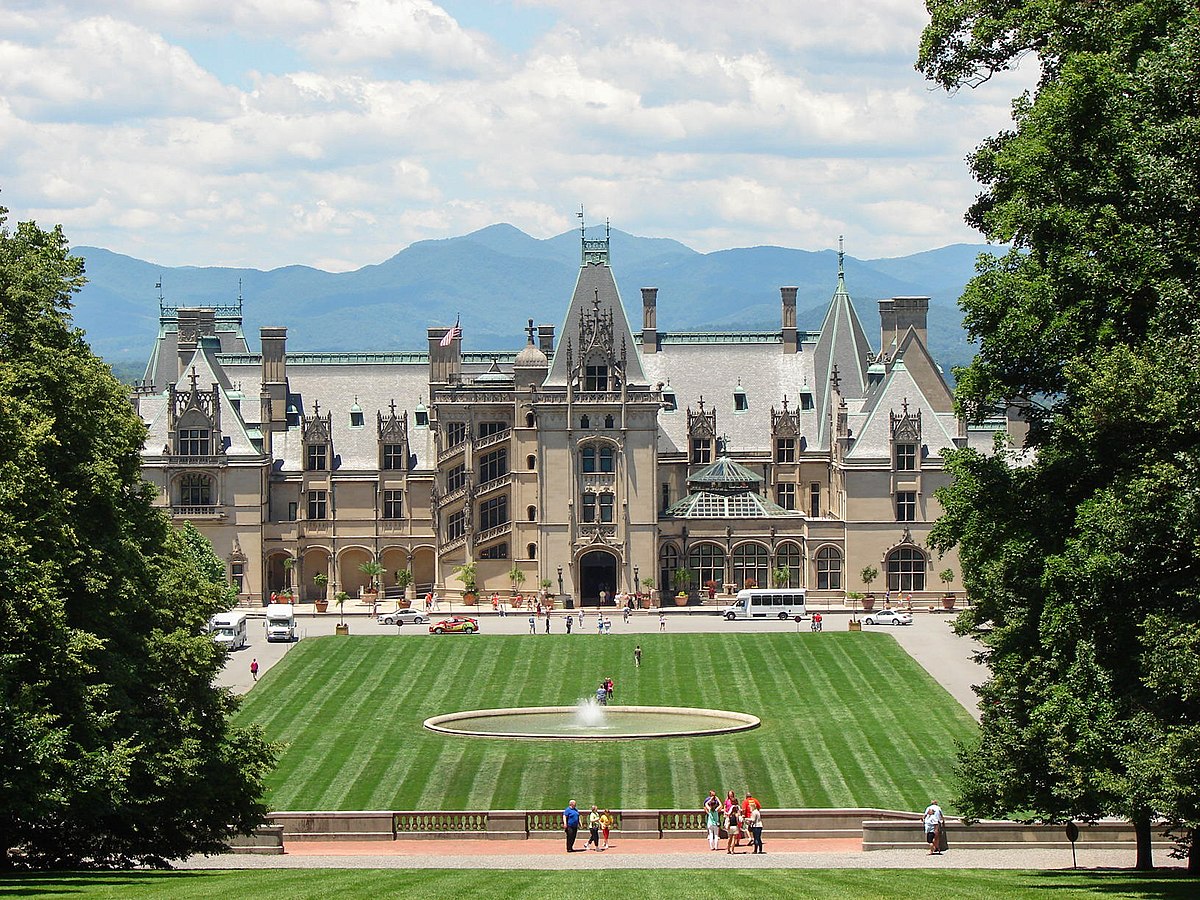
Example of visual style of American Gilded Age

American Gilded Age

The American Gilded Age was a visual style prevalent during the late 19th to early 20th century in America. This era, from the 1870s to the early 1900s, was characterized by extravagant wealth, opulence, and a desire for material display. The style emerged as a result of industrialization, economic prosperity, and the rise of the upper class. Notable features include ostentatious architecture, elaborate ornamentation, and ostensible luxury. The American Gilded Age is famous for its grand mansions, luxurious interiors, and excessive indulgence in an era of stark social inequality.

View StyleExplore Style
Example of visual style of Arena

Arena

Arena is a visual style that emerged in the late 1970s and gained popularity in the 1980s. It is characterized by vibrant and dynamic designs featuring bold colors, geometric shapes, and futuristic elements. The style became famous for its association with the arena rock music genre, which featured extravagant concerts and larger-than-life performances. The use of advanced technology in stage production, such as advanced lighting systems and massive video screens, contributed to the visual spectacle associated with the Arena style.

View StyleExplore Style
Example of visual style of Baroque Painting

Baroque Painting

Baroque painting originated in Italy during the late 16th century and reached its peak in the 17th century. Characterized by its dramatic and extravagant style, Baroque painting is known for its grandeur, emotional intensity, and vivid use of color and light. This style was famous for its religious and mythological subject matter, often depicting scenes of intense emotion, gestures, and theatrical compositions. The Baroque period was marked by the artistic achievements of influential artists such as Caravaggio, Peter Paul Rubens, and Rembrandt, who contributed to the popularity and recognition of Baroque painting.

View StyleExplore Style
Example of visual style of Baroque Sculpture

Baroque Sculpture

Baroque Sculpture is a highly dramatic and theatrical style that emerged in Europe during the 17th century. It reached its peak between the late 16th and early 18th centuries. This style is known for its ornate and extravagant aesthetic, characterized by exaggerated gestures, dynamic compositions, and intricate details. Baroque sculptures often portray intense emotions, religious subjects, and a sense of movement. The use of light and shadow, known as chiaroscuro, adds depth and drama to the sculptures. Baroque Sculpture became famous for its grandeur and opulence, as well as its ability to evoke strong emotional responses from viewers.

View StyleExplore Style
Example of visual style of Baroque Style

Baroque Style

Baroque style was a highly ornate and extravagant artistic style that emerged in Europe around the late 16th century and lasted until the mid-18th century. It is characterized by dramatic and grandiose forms, rich ornamentation, curved lines, and a sense of motion. Baroque architecture and art were known for their emotional intensity and theatricality. This style became famous for its opulence and splendor, as well as its ability to evoke strong emotions in viewers.

View StyleExplore Style
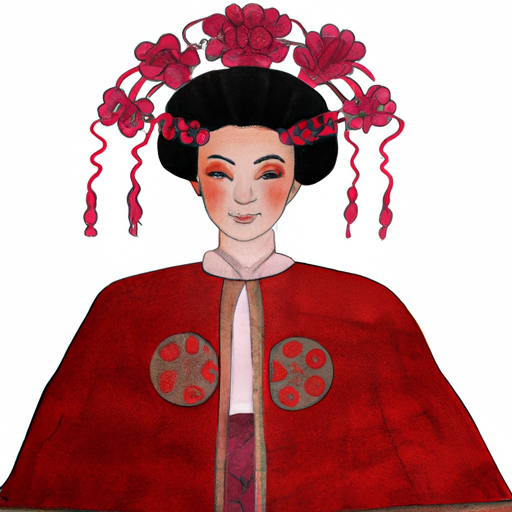
Example of visual style of Catherine Martin

Catherine Martin

Catherine Martin is a visual style known for her distinctive and extravagant production designs primarily in the late 20th century and early 21st century. Her work is characterized by a blend of vintage aesthetics with a modern twist, creating visually stunning and immersive worlds. Martin gained fame for her work on movies like 'Moulin Rouge!' (2001) and 'The Great Gatsby' (2013), where she brought to life opulent and fantastical settings that define the style she has become renowned for.

View StyleExplore Style
Example of visual style of David Tutera

David Tutera

David Tutera is a renowned event planner and designer who is known for his luxurious and extravagant style. He rose to fame in the late 1990s and early 2000s for his expertise in creating opulent and visually stunning events, particularly weddings. Tutera is famous for his attention to detail, impeccable taste, and ability to transform ordinary spaces into extraordinary experiences. His signature style is characterized by elegance, sophistication, and a blend of classic and contemporary elements. Tutera has become a household name in the event planning industry and continues to inspire and influence aspiring designers and planners worldwide.

View StyleExplore Style
Example of visual style of Epic Historical Movies

Epic Historical Movies

Epic Historical Movies is a visually grand and extravagant style that depicts important events and eras from history. This style became famous during the mid-20th century, with notable films like 'Ben-Hur' (1959) and 'Lawrence of Arabia' (1962) captivating audiences with their larger-than-life set designs, massive landscapes, and epic battle sequences. These movies are characterized by their meticulous attention to detail, ornate costumes, and the use of sweeping cinematography to emphasize the vastness of historical events. This style transports viewers to different time periods and immerses them in the grandeur and scale of historical narratives.

View StyleExplore Style
Example of visual style of Federico Fellini

Federico Fellini

Federico Fellini was an Italian film director and screenwriter who played a significant role in the development of Italian neorealism and surrealism. His visual style, primarily showcased in the 1950s and 1960s, revolutionized the way stories were told on screen. His films were known for their outrageous and extravagant imagery, dreamlike sequences, larger-than-life characters, and a meticulous attention to detail. Fellini's famous works such as 'La Dolce Vita' (1960) and '8½' (1963) introduced a new era of storytelling in cinema by blending fantasy with reality and blurring the line between imagination and truth.

View StyleExplore Style
Example of visual style of Freddie Mercury

Freddie Mercury

The visual style of Freddie Mercury, the iconic lead vocalist of the rock band Queen, was flamboyant, theatrical, and avant-garde. He rose to fame in the 1970s and 1980s, becoming one of the most influential and beloved figures in rock music history. Freddie Mercury's style was characterized by his extravagant stage outfits, including tight-fitting bodysuits, colorful and elaborate costumes, and stunning accessories such as capes and crowns. Known for his high-energy performances, Mercury's stage presence was captivating, and his fashion choices played a significant role in his legendary status.

View StyleExplore Style
Example of visual style of French Monarchy

French Monarchy

The French Monarchy style, prevalent from the 16th to the 18th centuries, was characterized by opulence, grandeur, and a sense of power. It reached its peak during the reign of Louis XIV, also known as the Sun King, from 1643 to 1715. This style became famous for its lavish decorations, extravagant fashion, and monumental architecture, exemplified by the Palace of Versailles. It represented the absolute monarchy and aristocratic society of France, reflected in its ornate design and intricate details.

View StyleExplore Style
Example of visual style of Glam Rock

Glam Rock

Glam Rock, also known as Glitter Rock, emerged in the early 1970s and reached its peak popularity in the mid-1970s. It is characterized by its extravagant and flamboyant aesthetic, combining elements of extravagant fashion, androgyny, theatrical makeup, and glitter. Glam Rock artists such as David Bowie, T. Rex, and Queen became famous for their theatrical performances and provocative fashion choices, which broke the boundaries of gender norms. With its emphasis on individualism, self-expression, and rebellion, Glam Rock became an iconic style in the music and fashion industries.

View StyleExplore Style
Example of visual style of Goldie

Goldie

Goldie is a visual style that emerged in the late 19th century and became popular during the Art Nouveau movement. It is characterized by its lavish use of gold accents and ornate designs. This style gained fame with artists and designers such as Gustav Klimt and Louis Comfort Tiffany, who incorporated gold leaf and intricate patterns in their creations. The opulence and attention to detail in Goldie exemplify the luxurious and extravagant aesthetic of the Art Nouveau era.

View StyleExplore Style
Home