StylopediaStylopedia

Exquisite craftsmanship styles on Stylopedia

A visual encyclopedia of exquisite craftsmanship styles – use as prompt inspiration for Midjourney, Gemini, or ChatGPT AI when making exquisite craftsmanship images

Example of visual style of Akbar

Akbar

Akbar is a visual style that emerged in the late 16th century during the reign of Emperor Akbar in the Mughal Empire. It reached its peak between 1556 and 1605. This style is renowned for its intricate and detailed artwork, blending Persian, Indian, and Islamic influences. It is characterized by its vibrant colors, intricate patterns, and exquisite craftsmanship. The Akbar style became famous for its fusion of diverse artistic traditions and its emphasis on naturalistic details.

View StyleExplore Style
Example of visual style of Andrea Del Verrocchio

Andrea Del Verrocchio

Andrea Del Verrocchio was an Italian sculptor and painter who lived during the Renaissance. His visual style was characterized by the revival of classical forms and a naturalistic approach. Active between the late 15th and early 16th century, Verrocchio's art was known for its meticulous attention to detail, exquisite craftsmanship, and a sense of dynamic movement. He was famous for his ability to depict human emotions and his revolutionary use of perspective. Verrocchio's works, such as his bronze statue of David and his painting The Baptism of Christ, are considered masterpieces of the Renaissance period.

View StyleExplore Style
Example of visual style of Hermes Design

Hermes Design

Hermes Design is a luxurious and timeless visual style that gained prominence in the mid-20th century. It is named after the renowned French fashion and luxury brand, Hermes. This style is famous for its exquisite craftsmanship, refinement, and attention to detail. The design elements in Hermes Design often include clean lines, high-quality materials, and a balance between classical and modern aesthetics. It became particularly famous during the 1950s and 1960s, when the brand expanded its range beyond fashion accessories to include home decor and furnishings. The Hermes Design style exudes elegance, sophistication, and a sense of exclusivity.

View StyleExplore Style
Example of visual style of Islamic Art

Islamic Art

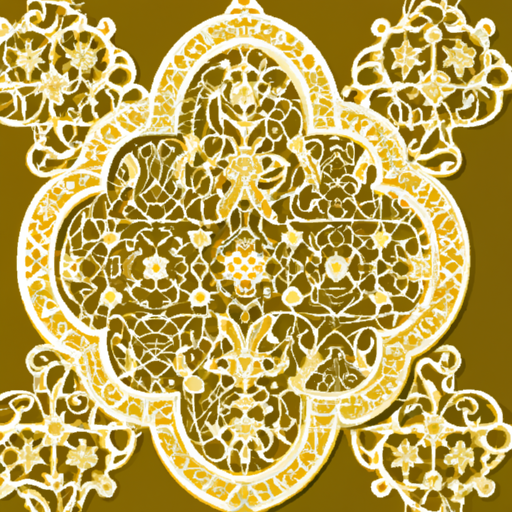
Islamic Art refers to the artistic traditions and designs that emerged in the Islamic world from the 7th century onwards and continue to be created today. This diverse style encompasses a wide range of mediums, including calligraphy, geometric patterns, arabesques, and intricate floral motifs. Islamic Art is characterized by its emphasis on intricate ornamentation, exquisite craftsmanship, and the prohibition of depicting human figures. Significant periods in Islamic Art include the Umayyad, Abbasid, Mughal, and Safavid eras. The art form gained worldwide recognition through its use in architectural wonders such as the Alhambra in Spain and the Taj Mahal in India.

View StyleExplore Style
Example of visual style of Iznik Pottery

Iznik Pottery

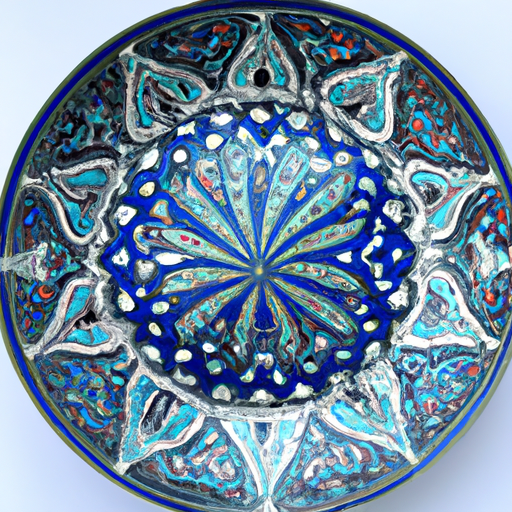
Iznik Pottery is a style of ceramic art that originated in the town of Iznik, Turkey, during the 15th and 16th centuries. It became famous for its vibrant colors and intricate designs. The pottery featured a combination of floral, geometric, and calligraphic motifs, often in shades of blue, green, and red. Iznik Pottery gained popularity when it started producing decorative tiles and vessels for the Ottoman Empire, particularly during the reign of Sultan Suleiman the Magnificent. The exquisite craftsmanship, unique patterns, and rich cultural history contribute to its fame even today.

View StyleExplore Style
Home