StylopediaStylopedia

Expressive brushwork styles on Stylopedia

A visual encyclopedia of expressive brushwork styles – use as prompt inspiration for Midjourney, Gemini, or ChatGPT AI when making expressive brushwork images

Example of visual style of Erich Heckel

Erich Heckel

Erich Heckel was a German painter and printmaker who co-founded the influential artistic group Die Brücke in 1905. His visual style is characterized by bold colors, expressive brushwork, and a primitive and distorted representation of human figures. Heckel's style gained fame during the early 20th century and was known for its emphasis on emotion, intensity, and rawness. He played a significant role in the development of German Expressionism, which aimed to convey subjective and emotional experiences through art.

View StyleExplore Style
Example of visual style of Robert Motherwell

Robert Motherwell

Robert Motherwell's visual style is characterized by his abstract expressionist paintings which were created from the 1940s to the 1990s. His works played a significant role in the Abstract Expressionism movement and made him one of the foremost American artists of his time. Motherwell's paintings often featured bold, geometric shapes, expressive brushwork, and a limited color palette. His use of black was particularly notable, as it created a sense of depth and contrast in his compositions. Motherwell's style became famous for its strong emotional impact and its ability to convey the complexity of human experience.

View StyleExplore Style
Example of visual style of Romantic Artists

Romantic Artists

Romantic Artists was a visual style that emerged in the late 18th to mid-19th centuries. It was characterized by an emphasis on emotion, imagination, and the sublime. This style was famous for its exploration of nature, landscapes, and the supernatural, often depicting dramatic and awe-inspiring scenes. Romantic Artists sought to evoke strong emotional responses from viewers, using vivid colors, dynamic compositions, and expressive brushwork. Some famous Romantic Artists include Caspar David Friedrich, J.M.W. Turner, and Eugène Delacroix.

View StyleExplore Style

Example of visual style of Toulouse Lautrec

Toulouse Lautrec

Toulouse Lautrec was a post-impressionist artist known for his distinctive and influential visual style during the late 19th century. His style is characterized by bold and vibrant colors, expressive brushwork, and an emphasis on capturing the essence of a moment. Lautrec's artwork often depicted the nightlife and cabaret scenes of Paris, particularly the Moulin Rouge, and he became famous for his posters and lithographs promoting these venues. His unique approach to composition and use of flat shapes and simplified forms made him a pioneer in the field of commercial advertising. Toulouse Lautrec's style emerged in the 1890s and gained popularity during his short but impactful career.

View StyleExplore Style
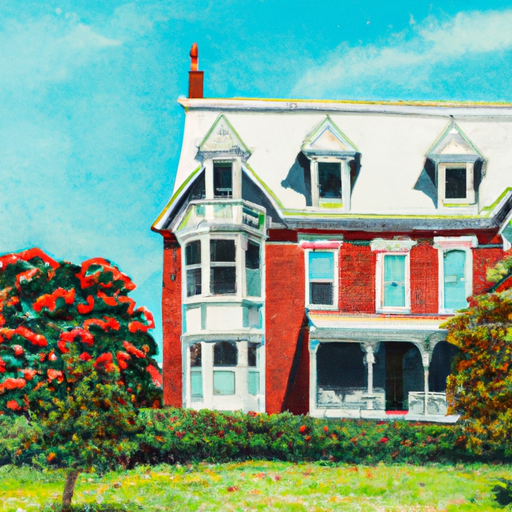
Example of visual style of Willem De Kooning

Willem De Kooning

Willem De Kooning was a Dutch-American abstract expressionist painter known for his energetic and expressive brushwork. His style emerged in the 1940s and continued to evolve throughout his career. De Kooning's work is characterized by gestural marks, bold use of color, and a dynamic sense of movement. He was known for his ability to combine abstraction and figuration, creating works that oscillated between recognizable forms and abstracted shapes. De Kooning gained fame for his series of Women paintings, which depicted abstracted female figures. His innovative approach to painting and his exploration of the human form made him one of the most influential artists of the 20th century.

View StyleExplore Style
Example of visual style of Winslow Homer

Winslow Homer

Winslow Homer was an American painter known for his realistic depictions of American life and landscapes in the late 19th and early 20th centuries. His style, which emerged during the Civil War period, drew attention for its powerful compositions, dramatic lighting, and expressive brushwork. Homer's famous works include scenes of the sea, rural life, and the American wilderness. His ability to capture human emotion and the beauty of the natural world made him one of the most influential American artists of his time.

View StyleExplore Style
Home