StylopediaStylopedia

Expressive styles on Stylopedia

A visual encyclopedia of expressive styles – use as prompt inspiration for Midjourney, Gemini, or ChatGPT AI when making expressive images

Example of visual style of Adrian Alphona

Adrian Alphona

Adrian Alphona is a Canadian comic book artist known for his distinctive and whimsical visual style. His work gained prominence in the early 2000s, particularly with the launch of the comic series Runaways in 2003. Alphona's art is characterized by its lively and expressive character designs, intricate detailing, and a blend of both realistic and cartoonish elements. His use of dynamic poses, exaggerated expressions, and playful storytelling techniques has made his style a favorite among readers and has contributed to the success and popularity of the comics he has worked on.

View StyleExplore Style
Example of visual style of Ai Yazawa

Ai Yazawa

Ai Yazawa is a Japanese manga artist known for her unique and distinct visual style that emerged in the late 1990s. Her art style is characterized by its beautifully detailed and realistic characters, particularly the female protagonists. With expressive eyes, intricate fashion designs, and emotional storytelling, Yazawa's art captivates readers. Her most famous works, such as 'NANA' and 'Paradise Kiss', have gained immense popularity and critical acclaim, contributing to her recognition as one of the most influential manga artists of her generation.

View StyleExplore Style
Example of visual style of Andre Derain

Andre Derain

Andre Derain was a French painter who co-founded the Fauvism movement in the early 20th century. Fauvism, which emerged between 1900 and 1910, is characterized by bold, vibrant colors and simplified forms. Derain's style was famous for its expressive use of bright, non-naturalistic colors and energetic brushstrokes. He is known for his landscapes, cityscapes, and figural paintings which captured the emotions and sensations of the subjects rather than adhering to realistic representation.

View StyleExplore Style
Example of visual style of Andre Franquin

Andre Franquin

Andre Franquin was a Belgian cartoonist and illustrator who is best known for his comic strip series, 'Gaston Lagaffe' and 'Spirou et Fantasio'. Franquin's visual style is characterized by its dynamic and expressive linework, intricate details, and exaggerated character designs. His work, which gained prominence in the 1950s and 1960s, appealed to both children and adults, thanks to its clever humor and satirical themes. Franquin's unique style revolutionized the Franco-Belgian comic industry and influenced many future cartoonists.

View StyleExplore Style
Example of visual style of Anime Style

Anime Style

Anime style is a distinctive art form that originated in Japan in the 20th century. It gained popularity in the mid-1960s and continues to be widely recognized today. This style is characterized by its colorful and vibrant visuals, exaggerated features, expressive facial expressions, and often intricate backgrounds. Anime became famous for its ability to captivate audiences with imaginative storytelling and compelling characters, often crossing genres to explore a wide range of themes, from fantasy and science fiction to romance and drama.

View StyleExplore Style
Example of visual style of Anime Style Graphics

Anime Style Graphics

Anime Style Graphics is a distinctive and popular style of animation originating from Japan. This style rose to prominence in the 1960s and has since become a global phenomenon. Known for its vibrant colors, exaggerated features, and expressive facial expressions, anime has captivated audiences with its unique storytelling and imaginative worlds. It combines elements of traditional Japanese art with influences from Western animation. Anime Style Graphics gained widespread recognition through iconic series like Dragon Ball, Sailor Moon, and Naruto, as well as films by renowned directors like Hayao Miyazaki. Its fusion of fantasy, action, and emotional depth continues to make it a celebrated and influential visual style worldwide.

View StyleExplore Style
Example of visual style of Anselm Kiefer

Anselm Kiefer

Anselm Kiefer is a German painter known for his expressive and monumental works. His style emerged in the late 1960s and is characterized by a combination of painting, sculpture, and assemblage techniques. Kiefer's artworks often explore themes of memory, history, and the collective German identity. He gained fame in the 1980s for his controversial series 'Heroic Symbols' which reinterpreted Nazi symbols to challenge Germany's past. Kiefer's works are renowned for their large-scale and textured surfaces, often featuring a mix of materials such as straw, clay, ashes, and lead.

View StyleExplore Style
Example of visual style of Artists

Artists

The Artists visual style refers to the unique and diverse styles that individual artists develop and embody. This style has been prominent throughout art history, with significant developments occurring in various important periods like the Renaissance, Impressionism, and Cubism. Artists have been known to create innovative and groundbreaking works that challenge the traditional notions of art. They often make use of their personal experiences, emotions, and creative visions to produce art that is expressive, thought-provoking, and visually captivating.

View StyleExplore Style

Example of visual style of Asger Jorn

Asger Jorn

Asger Jorn was a Danish painter, sculptor, and ceramic artist who played a vital role in the CoBrA movement. Active in the mid-20th century, Jorn's visual style was characterized by bold, expressive brushwork, vibrant colors, and an emphasis on symbolic and biomorphic forms. His work often explored themes of social critique, spontaneous creativity, and the intersection of art and politics. Asger Jorn's style gained fame in the 1950s and 1960s for its energetic, spontaneous, and rebellious nature.

View StyleExplore Style
Example of visual style of August Strindberg

August Strindberg

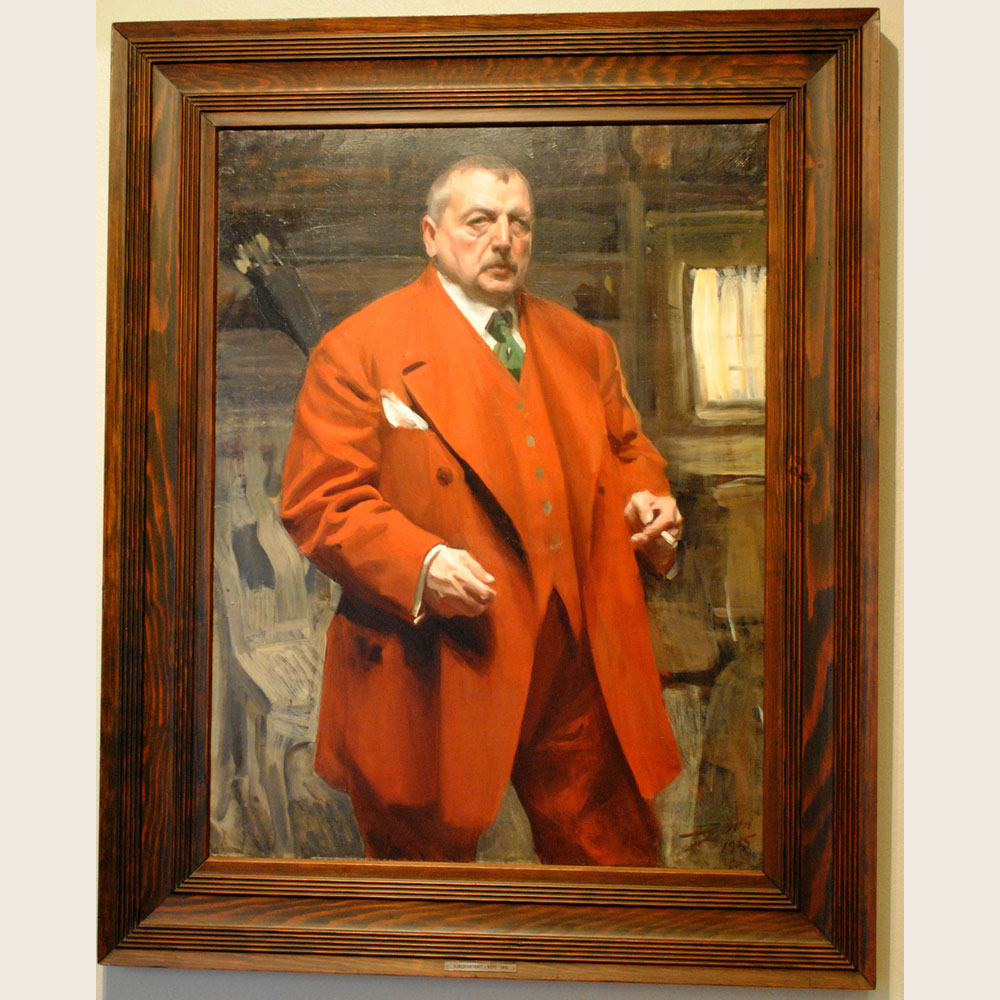
August Strindberg is known for his dramatic and expressive visual style, characterized by bold and sweeping brushstrokes. His style emerged in the late 19th century in Sweden, and his works became famous for their emotional intensity and raw portrayal of human emotions. Strindberg's paintings often depict scenes of everyday life, as well as portraits and landscapes. His use of vibrant colors and dynamic compositions made him a prominent figure in the art world during his time.

View StyleExplore Style
Example of visual style of Bambi

Bambi

Bambi is a visual style known for its delicate and naturalistic hand-drawn animation. It gained popularity in the 1940s and 1950s through the classic Disney animated film 'Bambi', directed by David Hand. This style is characterized by vibrant and detailed backgrounds, expressive and lifelike character designs, and a strong focus on nature and wildlife. The use of contrasting colors, soft lines, and realistic movements made this style famous for capturing the beauty and grace of the natural world in animation.

View StyleExplore Style
Example of visual style of Barry Blitt

Barry Blitt

Barry Blitt is a contemporary American illustrator and cartoonist known for his distinctive and satirical style. His career in the field of visual arts began in the 1990s, and he gained prominence through his work for The New Yorker magazine. Blitt became especially famous for his provocative and often controversial cover illustrations, which cleverly comment on various political and cultural issues of the time. His illustrations are characterized by their bold and expressive linework, exaggerated figures, and a touch of whimsy. Blitt's visual style combines humor, wit, and social commentary, making his work instantly recognizable and highly influential in the world of illustration.

View StyleExplore Style
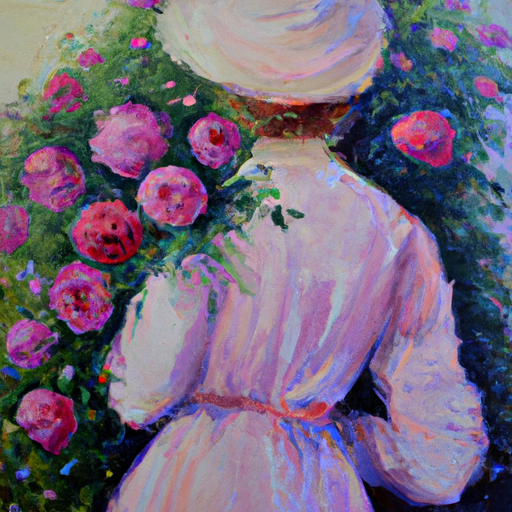
Example of visual style of Berkeley Breathed

Berkeley Breathed

Berkeley Breathed is an American cartoonist known for his distinct visual style in comic strips and children's books. His style became famous in the 1980s with the introduction of his comic strip 'Bloom County', which featured a mix of humorous and satirical storytelling. Breathed's style is characterized by vibrant color palettes, exaggerated character designs, and detailed backgrounds. His use of exaggerated expressions and dynamic poses adds a comedic and lively element to his works.

View StyleExplore Style
Example of visual style of Bill Watterson

Bill Watterson

Bill Watterson is known for his distinctive visual style that he developed in his comic strip 'Calvin and Hobbes', which ran from 1985 to 1995. His style is characterized by its expressive and detailed drawings, with a focus on the imaginative and playful world of a young boy named Calvin and his stuffed tiger friend, Hobbes. Watterson's use of dynamic poses, exaggerated facial expressions, and intricate background details helped bring his characters and their world to life. His comic strip gained widespread popularity and critical acclaim, earning him numerous accolades and a devoted fanbase.

View StyleExplore Style
Example of visual style of Bohemian Style

Bohemian Style

Bohemian style, also known as Boho chic, emerged in the early 2000s as a fashion trend and has become a popular visual style ever since. Inspired by the free-spirited and unconventional lifestyle of the bohemian movement of the 1960s and 1970s, this style combines elements of hippie, gypsy, and vintage aesthetics. Characterized by its eclectic and expressive nature, the Bohemian style embraces bright colors, bold patterns, and a mix of textures. It often incorporates natural materials like wood, wicker, and rattan, as well as handmade or artisanal objects. Romantic and whimsical, Bohemian style celebrates individuality and a sense of adventure.

View StyleExplore Style
Example of visual style of Boule Et Bill

Boule Et Bill

Boule Et Bill is a visual style that originated in the mid-20th century, particularly in the late 1950s and early 1960s. It became famous for its vibrant and playful illustrations, which depict the adventures of a young boy named Boule and his loyal dog Bill. The style gained popularity due to its lively and humorous storytelling, relatable characters, and its ability to cater to both children and adults. Boule Et Bill is known for its use of bold and colorful drawings, with exaggerated expressions and whimsical details bringing the characters and their world to life.

View StyleExplore Style

Example of visual style of Brian Henson

Brian Henson

Brian Henson is a visual style known for his work as a puppeteer and director of puppetry in film and television. He is the son of Jim Henson, the creator of the Muppets, and his visual style is heavily influenced by his father's work. Brian Henson became famous for his involvement in several beloved projects like The Muppet Christmas Carol (1992) and Muppet Treasure Island (1996), which combined puppetry with live-action elements. He continued to push the boundaries of puppetry in films like The Happytime Murders (2018), where he utilized a mixture of puppets and human actors. The key trait of Brian Henson's visual style is his ability to bring puppets to life, imbuing them with unique personalities and expressions.

View StyleExplore Style

Example of visual style of Bugs Bunny

Bugs Bunny

The visual style of Bugs Bunny is characteristic of the golden age of American animation, particularly the Looney Tunes and Merrie Melodies series. It gained prominence during the 1940s and 1950s and is still popular today. Bugs Bunny is known for his mischievous, quick-witted, and sarcastic personality. The visual style of Bugs Bunny features vibrant and exaggerated animation, smooth and fluid movements, expressive facial features, and detailed backgrounds. The style is famous for its humor, wit, and satire, which made Bugs Bunny a beloved and iconic cartoon character worldwide.

View StyleExplore Style
Example of visual style of Calvin And Hobbes

Calvin And Hobbes

Calvin and Hobbes is a comic strip that was created by Bill Watterson in 1985 and ran until 1995. The visual style of Calvin and Hobbes is characterized by its simple and expressive art, with clean lines and minimalistic backgrounds. The comic strip gained fame for its imaginative and philosophical storytelling, as well as its ability to tackle complex themes in a relatable and humorous manner. Calvin and Hobbes became famous for its wit, charm, and the endearing relationship between the young, imaginative boy Calvin and his wise and mischievous stuffed tiger, Hobbes.

View StyleExplore Style
Example of visual style of Cardcaptor Sakura

Cardcaptor Sakura

Cardcaptor Sakura is a visually vibrant and whimsical style that was popularized through the manga and anime series of the same name, created by Clamp. Originally serialized in 1996, Cardcaptor Sakura gained immense popularity for its distinctive and enchanting art style. The series revolves around Sakura Kinomoto, a young girl who becomes a magical girl and must capture magical Clow Cards. The style is characterized by its cute and expressive characters, intricate and detailed backgrounds, and the use of vibrant colors. It seamlessly combines elements of fantasy, romance, and adventure, creating a visually stunning and immersive world.

View StyleExplore Style
Example of visual style of Charles M Schulz

Charles M Schulz

The Charles M Schulz visual style refers to the iconic art style created by American cartoonist Charles M Schulz. This style gained worldwide recognition through his long-running comic strip 'Peanuts', which was first published in 1950 and continued until Schulz's death in 2000. The simple yet expressive linework, minimal backgrounds, and distinctive character designs made this style famous. Schulz's work beautifully captured the humor, emotions, and complexities of everyday life, particularly through his beloved characters such as Charlie Brown, Snoopy, and Lucy.

View StyleExplore Style
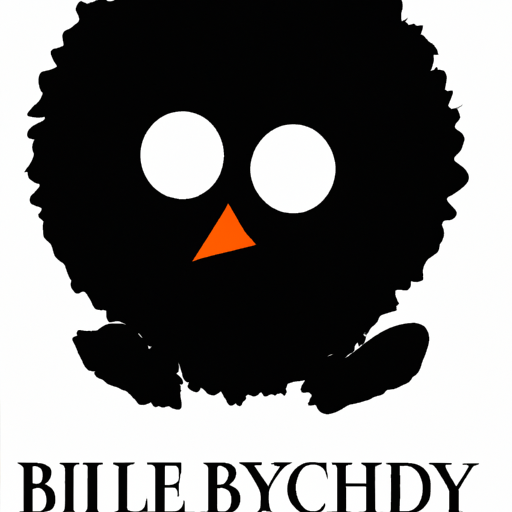
Example of visual style of Cheri Samba
Cheri Samba

Cheri Samba is a vibrant and colorful visual style that emerged in the late 20th century, particularly in the Democratic Republic of the Congo. It gained popularity in the 1980s and 1990s. Cheri Samba is known for its distinctive blend of painting and text, often featuring social and political commentary. The style incorporates bold, bright colors, intricate patterns, and expressive figures to create visually captivating artworks. Cheri Samba's unique fusion of art and text has made it famous for its ability to communicate powerful messages in an accessible and relatable way.

View StyleExplore Style
Home