StylopediaStylopedia

Experimentation styles on Stylopedia

A visual encyclopedia of experimentation styles – use as prompt inspiration for Midjourney, Gemini, or ChatGPT AI when making experimentation images

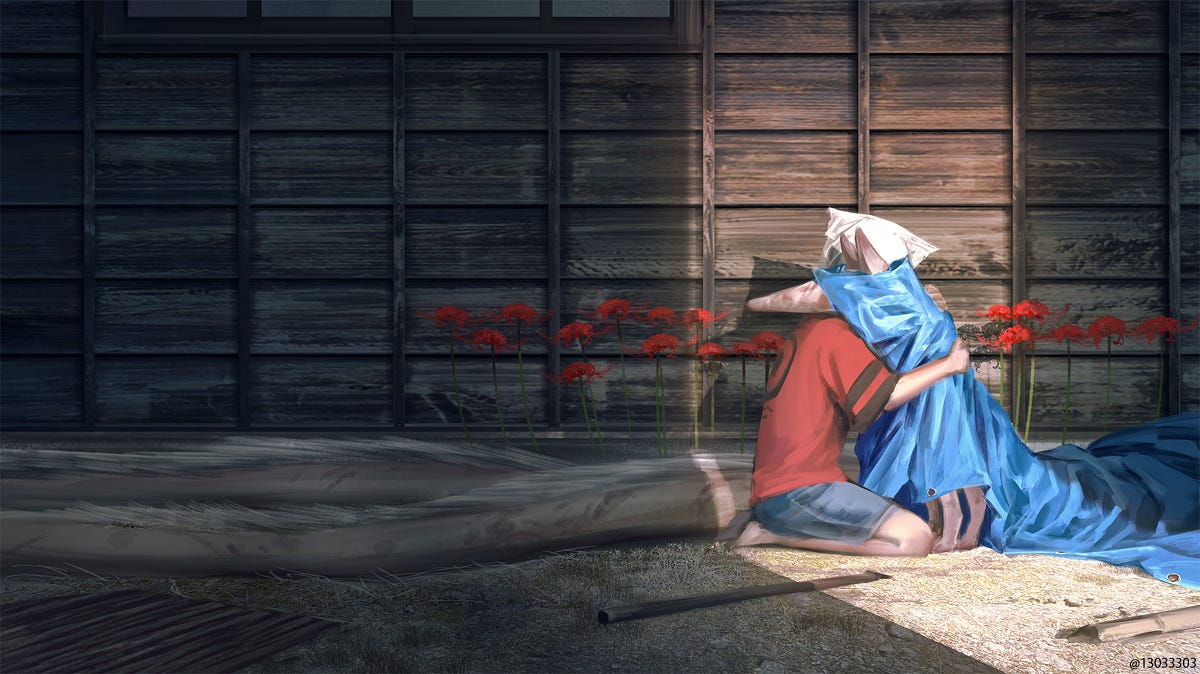
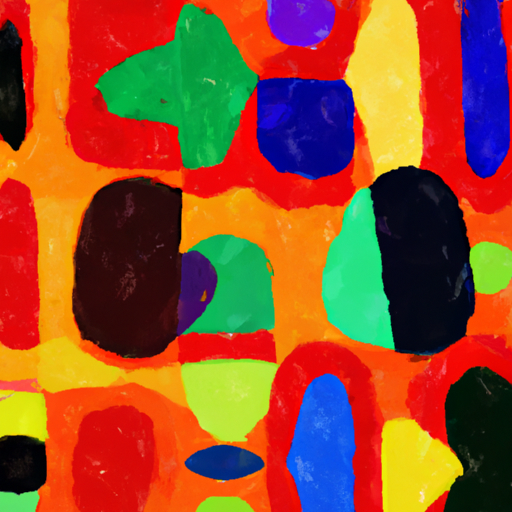
Example of visual style of Abstract Art

Abstract Art

Abstract Art is a modern art style that emerged in the early 20th century and gained popularity in the early 1910s. It is characterized by a departure from realistic representation and a focus on the expression of ideas and emotions through non-representational forms and colors. Notable for its emphasis on shapes, lines, colors, and textures, Abstract Art sought to convey an artist's subjective perspective rather than depict objective reality. This style challenged traditional notions of art and opened up new avenues for experimentation, inspiring artists to explore the boundaries of creativity.

View StyleExplore Style
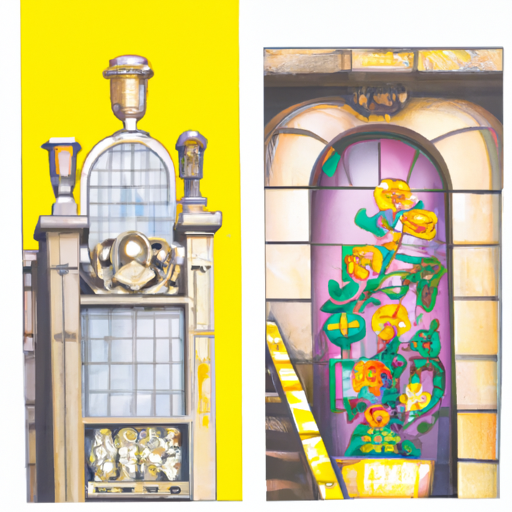
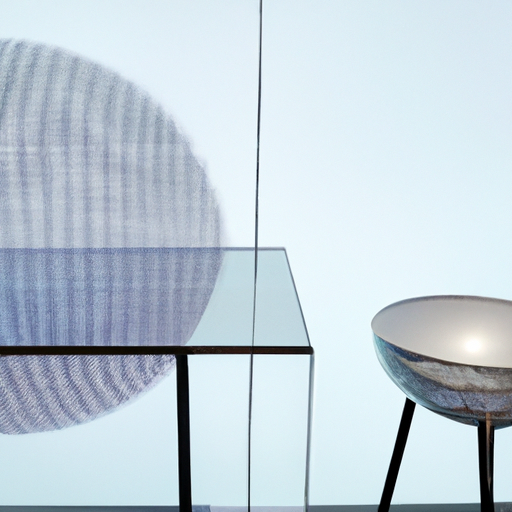
Example of visual style of American Modernism

American Modernism

American Modernism refers to a diverse artistic and cultural movement that emerged in the United States from the late 19th century to the mid-20th century. It gained prominence in the 1910s and continued to flourish throughout the 1930s. This style is characterized by a departure from traditional forms and a embrace of experimentation and innovation. American Modernism encompassed various art forms, including painting, sculpture, photography, architecture, literature, and design. Notable artists, such as Georgia O'Keeffe, Edward Hopper, and Charles Sheeler, were associated with this style.

View StyleExplore Style
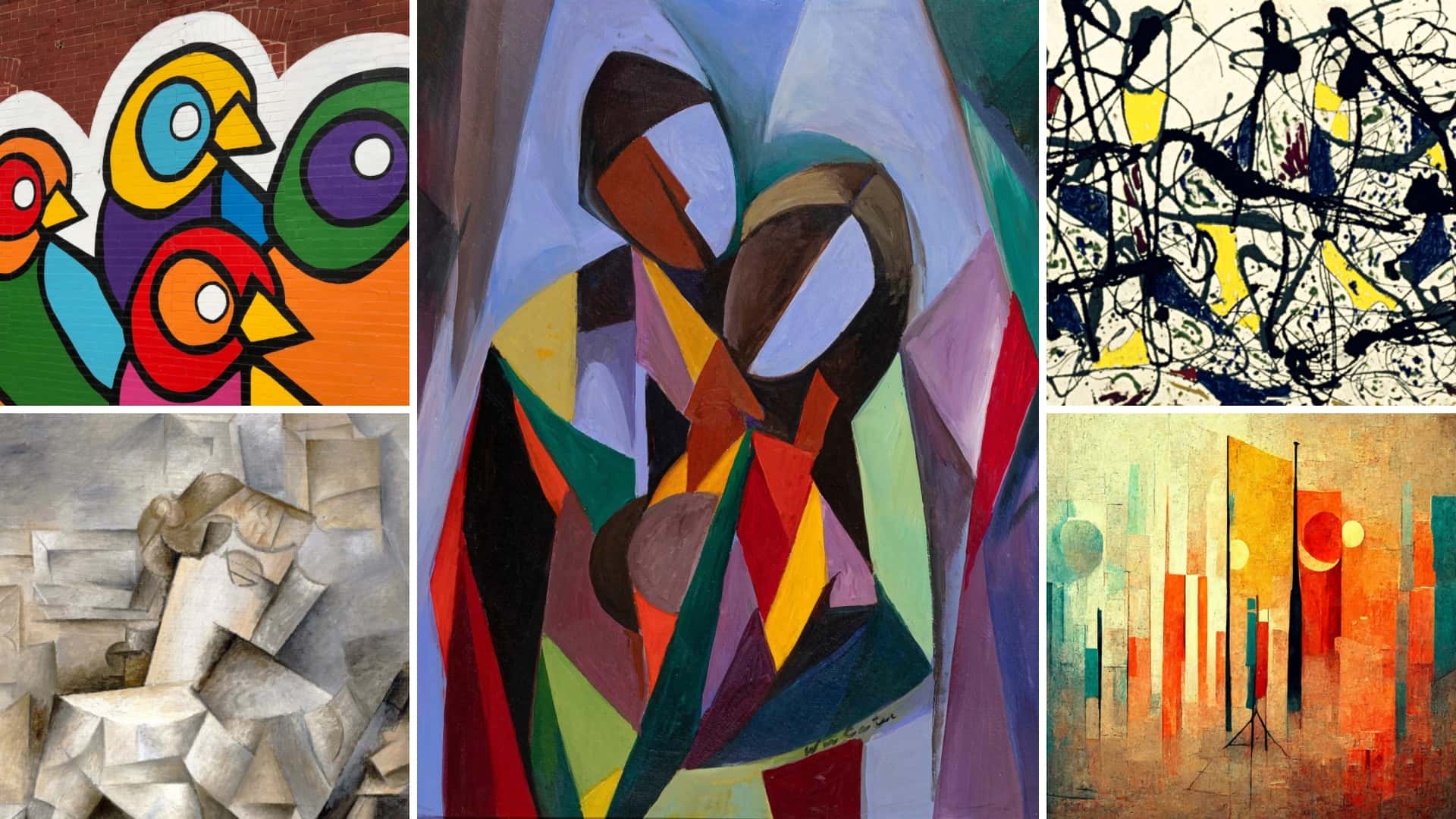
Example of visual style of Contemporary Artists

Contemporary Artists

Contemporary Artists is a visual style that emerged in the late 20th century and continues to be influential today. It is characterized by its exploration of diverse mediums, techniques, and subject matters. Artists working in this style often incorporate elements from various art movements, such as abstract expressionism, pop art, and minimalism, creating a fusion of styles. The use of unconventional materials, digital technologies, and innovative approaches to storytelling are also common in Contemporary Artists. With its emphasis on individual expression, experimentation, and the breaking of traditional boundaries, this style has become famous for its ability to challenge perceptions and push the boundaries of artistic practice.

View StyleExplore Style
Example of visual style of Elio Fiorucci

Elio Fiorucci

Elio Fiorucci was an Italian fashion designer known for his colorful and innovative designs. He gained popularity in the 1960s and 1970s for his iconic 'Unisex' concept, which emphasized freedom, experimentation, and gender neutrality. Fiorucci's style became famous for its vibrant colors, playful patterns, and use of unconventional materials such as plastic, vinyl, and stretch fabrics. His designs were often characterized by a mix of pop art, street fashion, and disco influences, reflecting the vibrant and eclectic spirit of the era.

View StyleExplore Style
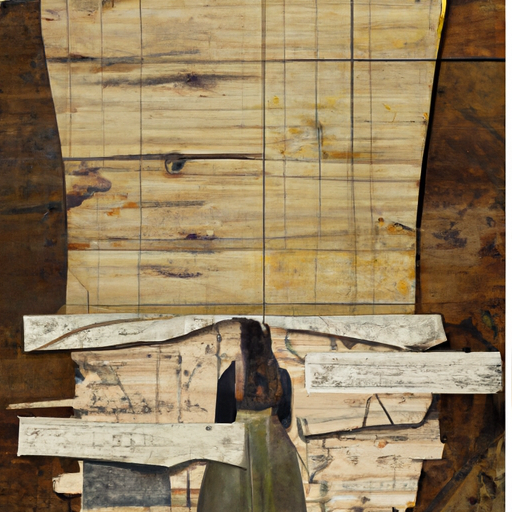
Example of visual style of Mixed Media Art

Mixed Media Art

Mixed Media Art is a style that incorporates various materials, techniques, and mediums to create artwork. It emerged as a prominent artistic style in the mid-20th century and gained popularity in the 1960s and 1970s. This style became famous for its ability to combine traditional and unconventional materials such as paint, collage, found objects, photography, and digital elements. Mixed Media Art encourages experimentation and often results in visually captivating and conceptually rich creations.

View StyleExplore Style
Example of visual style of Rob Velter

Rob Velter

Rob Velter is a visual style known for its vibrant colors, bold shapes, and dynamic compositions. This style emerged in the late 20th century and became increasingly popular in the early 21st century. What made Rob Velter famous was his unique ability to blend different art forms and integrate them into his designs. With a strong emphasis on experimentation and innovation, Rob Velter created captivating visuals that captured attention and influenced many aspiring artists.

View StyleExplore Style
Example of visual style of Robert Rauschenberg

Robert Rauschenberg

Robert Rauschenberg was an American artist known for his innovative and interdisciplinary approach to art. His style emerged in the 1950s and became famous for its combination of various mediums, such as painting, printmaking, photography, and sculpture. Rauschenberg's style challenged traditional notions of art by incorporating found objects, everyday materials, and collage techniques into his work. He is recognized for his significant contributions to Pop Art and Neo-Dada movements. Rauschenberg's artistic style was characterized by experimentation, improvisation, and the blurring of boundaries between different artistic disciplines.

View StyleExplore Style
Home