StylopediaStylopedia

Experimental styles on Stylopedia

A visual encyclopedia of experimental styles – use as prompt inspiration for Midjourney, Gemini, or ChatGPT AI when making experimental images

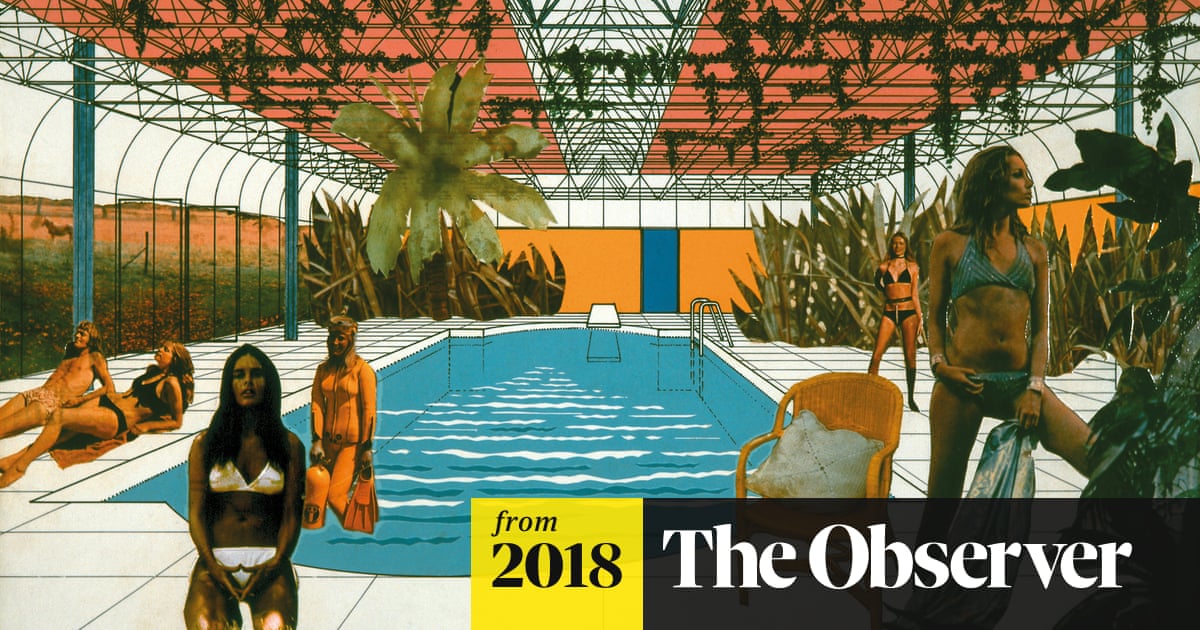
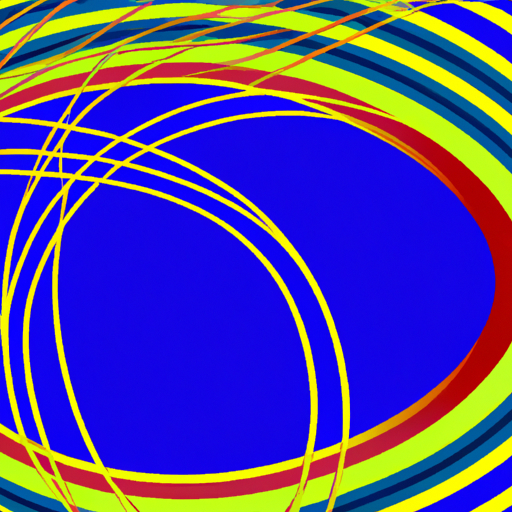
Example of visual style of Archigram

Archigram

Archigram is an avant-garde architectural design collective that was active during the 1960s. Known for their imaginative and futuristic proposals, Archigram pushed the boundaries of traditional architecture and embraced technology, pop culture, and science fiction influences. The group gained fame for their iconic projects such as the Walking City and Plug-in City, which envisioned mobile and adaptable environments that could be disassembled and reconfigured. Archigram's style captured the spirit of the '60s counterculture and embraced the emerging digital age, making them pioneers in the field of speculative and conceptual architecture.

View StyleExplore Style
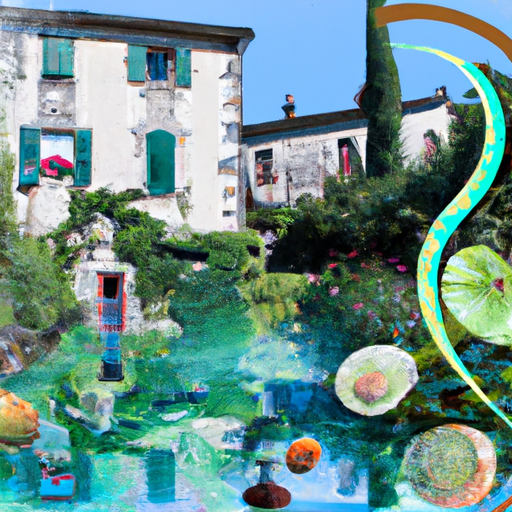
Example of visual style of Archizoom Associati

Archizoom Associati

Archizoom Associati was an Italian design group active in the 1960s and 1970s. They were known for their avant-garde and radical design approach, which challenged traditional concepts of architecture and furniture design. Their work was characterized by a strong critique of consumerism and a focus on social and cultural transformation. Archizoom Associati became famous for their creation of experimental and visionary environments, such as the iconic 'Superonda' sofa, which blended fluid organic shapes with vibrant colors and unconventional materials.

View StyleExplore Style
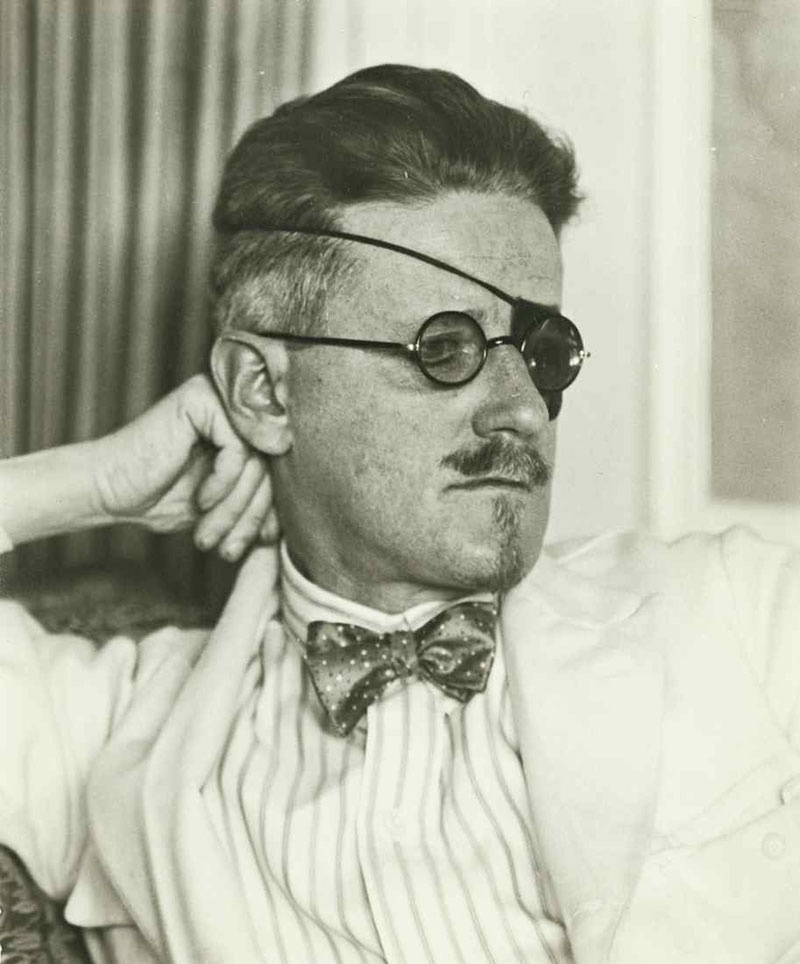
Example of visual style of Avant Garde Literature

Avant Garde Literature

Avant Garde Literature is an experimental and unconventional style of writing that emerged in the late 19th and early 20th centuries. It gained prominence in the early 1900s through the works of notable authors such as James Joyce, Virginia Woolf, and Gertrude Stein. This style of literature is characterized by its rejection of traditional narrative structures, linear plots, and coherent storytelling. Instead, it embraces fragmented narratives, stream-of-consciousness writing, and innovative use of language and imagery. Avant Garde Literature revolutionized the way stories are told, challenging the norms and pushing the boundaries of literary expression.

View StyleExplore Style
Example of visual style of Barbara Hammer

Barbara Hammer

Barbara Hammer is known for her experimental and avant-garde visual style in film-making. She rose to prominence in the 1970s and became a pioneer of queer cinema. Hammer's work often explored themes of sexuality, gender, and identity, challenging societal norms and pushing the boundaries of artistic expression. Her use of innovative techniques, such as multiple exposures and hand processing, added a distinct visual dimension to her films. Through her work, Hammer became an influential figure in the feminist and LGBTQ+ art movements.

View StyleExplore Style
Example of visual style of Bill Sienkiewicz

Bill Sienkiewicz

Bill Sienkiewicz is a highly influential comic book artist known for his unique and experimental visual style. His style emerged in the 1980s and became highly prominent in the comic industry. Sienkiewicz's iconic work on Marvel's 'Elektra: Assassin' (1986) and 'Moon Knight' (1985-1986) paved the way for his fame. With his groundbreaking use of mixed media, bold brushwork, collage elements, and abstract techniques, Sienkiewicz revolutionized the comic book art form, blurring the lines between traditional illustration and fine art. His atmospheric and emotionally charged images are characterized by their dynamic energy, intense textures, and a distinct blend of realism and abstraction.

View StyleExplore Style
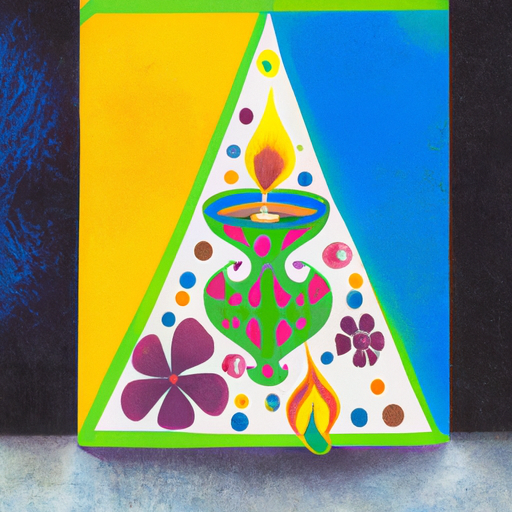
Example of visual style of Bjork

Bjork

The Bjork visual style emerged in the late 1990s and became famous for its avant-garde, futuristic, and eclectic aesthetic. Incorporating elements of surrealism, art-pop, and experimental fashion, this style captivated audiences with its imaginative and otherworldly visuals. Bjork's visual style often featured vibrant colors, unconventional costumes, fantastical sets, and visually stunning music videos. Key years include the late 1990s and early 2000s when Bjork collaborated with renowned designers and directors to create visually groundbreaking works like the 'All Is Full of Love' music video and the 'Biophilia' multimedia project.

View StyleExplore Style
Example of visual style of D Bridge

D Bridge

D Bridge is a visual style that emerged in the 1970s and gained popularity in the 1980s. It is characterized by its bold, geometric shapes, vibrant color schemes, and abstract designs. D Bridge became famous for its ability to combine elements of both modernism and minimalism, creating visually striking and dynamic compositions. The style reached its peak during the 1990s with the rise of digital design tools, which allowed for greater experimentation and innovation.

View StyleExplore Style
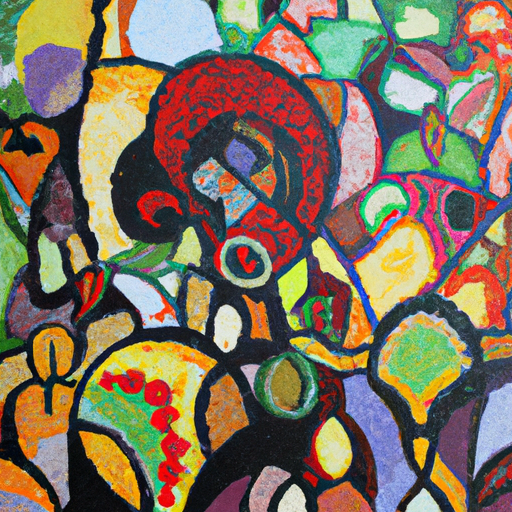
Example of visual style of David Burliuk

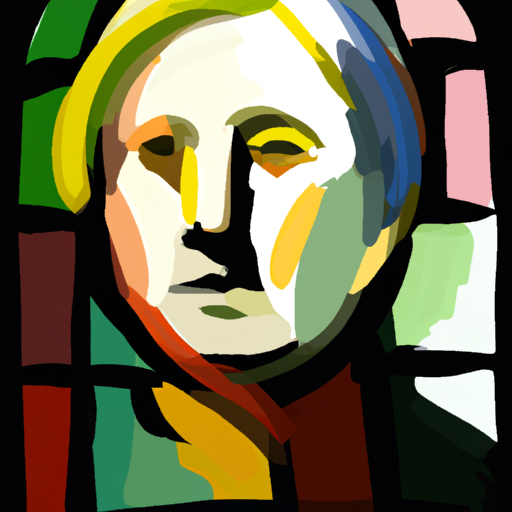
David Burliuk

David Burliuk was a Russian avant-garde artist and writer who co-founded the Cubo-Futurist movement. He was active in the early 20th century, particularly between 1910 and 1920. Burliuk's style is characterized by abstract and geometric forms, vibrant colors, and a sense of dynamism and movement. He gained fame for his experimental approach to art, incorporating elements of both Cubism and Futurism. His works often depicted urban scenes, landscapes, and portraits, capturing the energy and modernity of the time.

View StyleExplore Style
Example of visual style of David Carson

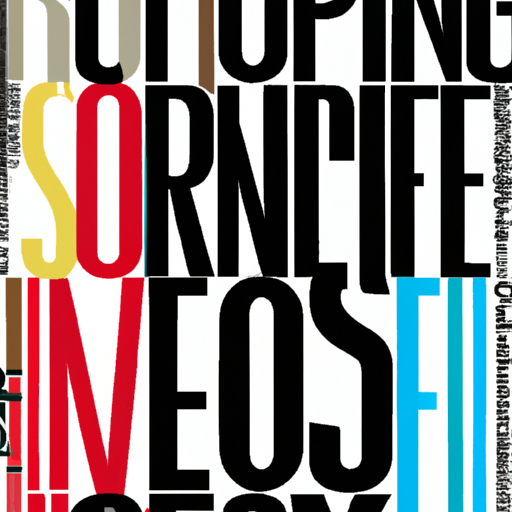
David Carson

David Carson is a visual style known for his pioneering work in the field of graphic design during the 1990s. He gained recognition for his innovative and experimental approach to typography and layout. Carson's use of unconventional typefaces, fragmented text, and layered compositions revolutionized the field, creating a new aesthetic that challenged traditional design principles. He became famous for his work as the art director of Ray Gun magazine, where he pushed the boundaries of visual communication. Carson's style is characterized by a sense of chaos, spontaneity, and expressive typography. His work is often associated with the grunge and postmodern movements in design.

View StyleExplore Style
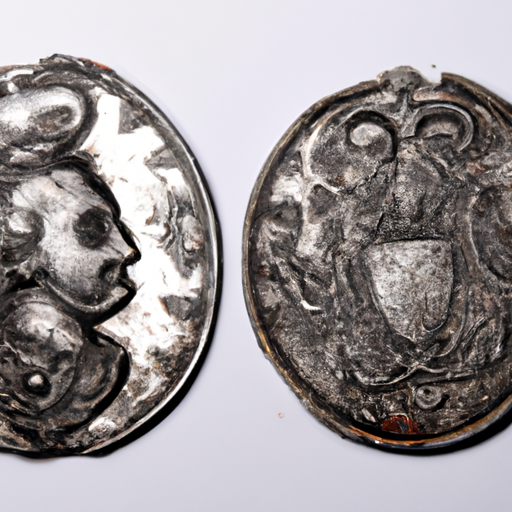
Example of visual style of Erik Satie

Erik Satie

The visual style of Erik Satie, the influential French composer, is characterized by simplicity, minimalism, and a touch of whimsy. Satie's visual style emerged in the late 19th and early 20th centuries, coinciding with his musical career. He was known for his avant-garde approach and his rejection of traditional norms. Satie's style gained fame for its unconventional and experimental nature, as well as its ability to evoke emotions through simplicity and repetition.

View StyleExplore Style
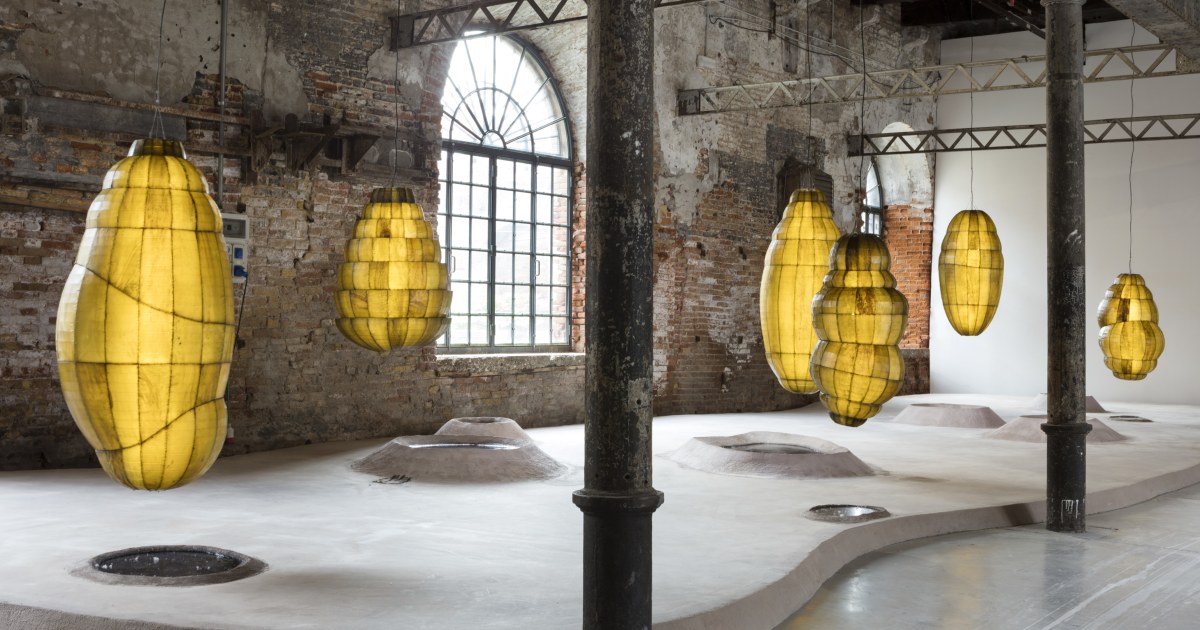
Example of visual style of Film Festivals

Film Festivals

Film Festivals is a visual style that emerged in the late 20th century and became famous in the early 21st century. It is characterized by its focus on showcasing a diverse range of films from around the world in a competitive or non-competitive setting. Film festivals became popular in the 1950s and 1960s, with renowned events like the Cannes Film Festival, Venice Film Festival, and Berlin International Film Festival. These festivals gained international recognition for promoting artistic and innovative cinema, and over the years, they have become important platforms for filmmakers, actors, and industry professionals to showcase their work and network with each other. The Film Festivals style is known for its celebration of creativity, cultural diversity, and experimental storytelling.

View StyleExplore Style
Home