StylopediaStylopedia

Exaggeration styles on Stylopedia

A visual encyclopedia of exaggeration styles – use as prompt inspiration for Midjourney, Gemini, or ChatGPT AI when making exaggeration images

Example of visual style of Caricature Illustrations

Caricature Illustrations

Caricature Illustrations are a style of illustration that exaggerate or distort the physical characteristics or traits of a person or subject to create a humorous or satirical effect. This style gained popularity in the late 18th century and became particularly famous during the 19th and early 20th centuries. Caricature Illustrations are known for their ability to capture the essence of a person or subject through humorous and exaggerated depictions.

View StyleExplore Style
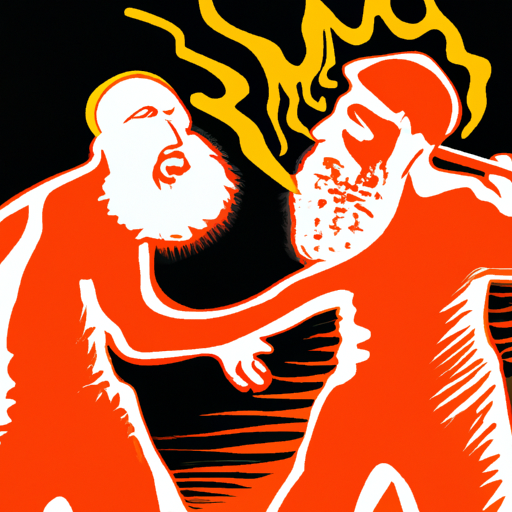
Example of visual style of Honore Daumier

Honore Daumier

Honore Daumier was a French artist and caricaturist who is known for his satirical and critical portrayal of 19th-century French society and politics. His style emerged in the mid-19th century and gained recognition for its powerful social commentary and use of exaggerated features to depict public figures and ordinary people. Daumier's works became famous for their sharp wit, humor, and keen observation of human behavior. His visual style was characterized by bold and expressive brushwork, dynamic compositions, and a focus on capturing the essence and character of his subjects.

View StyleExplore Style
Example of visual style of Italian Mannerism

Italian Mannerism

Italian Mannerism was an art style that emerged in the late 1520s and flourished until the late 16th century. It is characterized by the exaggeration of proportions, elongated figures, and intricate compositions. Italian Mannerism gained fame for its unconventional and distorted depictions, often filled with heightened emotion and drama. Influenced by the works of Michelangelo and Raphael, this style elevated individual expression and depicted complex narratives.

View StyleExplore Style
Example of visual style of Mannerism

Mannerism

Mannerism is a style of art that emerged in the late 1520s and lasted until the end of the 16th century. It is characterized by exaggerated and elongated figures, complex compositions, distorted perspectives, and a sense of artificiality. Mannerism gained fame for its departure from the harmony and balance of the Renaissance, instead embracing complexity and ambiguity. It emphasized the individual artist's creativity and self-expression, often resulting in exaggerated poses and unnatural colors.

View StyleExplore Style
Example of visual style of Satirical Illustration

Satirical Illustration

Satirical Illustration is a style of artwork that uses irony, sarcasm, and humor to criticize and mock various aspects of society. It gained popularity during the 18th century with the rise of political and social satire. The style became particularly famous in the 19th and 20th centuries through the works of artists like Honoré Daumier, James Gillray, and Thomas Nast. Satirical Illustration often employs exaggerated or grotesque imagery and witty captions to convey its satirical messages.

View StyleExplore Style
Home