StylopediaStylopedia

Exaggerated proportions styles on Stylopedia

A visual encyclopedia of exaggerated proportions styles – use as prompt inspiration for Midjourney, Gemini, or ChatGPT AI when making exaggerated proportions images

Example of visual style of Carlos Ezquerra

Carlos Ezquerra

Carlos Ezquerra was a Spanish comic book artist known for his unique and influential visual style. He is most famous for co-creating the iconic character Judge Dredd in 1977, which propelled him to international recognition. Ezquerra's visual style is characterized by bold and dynamic linework, gritty and detailed illustrations, and a dark and futuristic aesthetic. His work often features intricate mechanical designs, exaggerated proportions, and a strong sense of movement. Ezquerra's style became synonymous with the gritty and dystopian world of Judge Dredd and helped define the visual tone of the series.

View StyleExplore Style
Example of visual style of Comic Artists

Comic Artists

Comic Artists is a visual style that originated in the early 20th century and gained popularity in the mid-20th century. It is characterized by its use of bold lines, vibrant colors, exaggerated proportions, and the incorporation of speech bubbles and onomatopoeic words. This style became famous through the rise of comic books and graphic novels, which became an integral part of pop culture. Comic Artists revolutionized storytelling by combining visual elements with textual narratives to create an immersive experience for readers. Notable years for this style include the Golden Age of Comics in the 1930s and 1940s, as well as the emergence of underground comix in the 1960s and 1970s.

View StyleExplore Style
Example of visual style of Comic Book Art

Comic Book Art

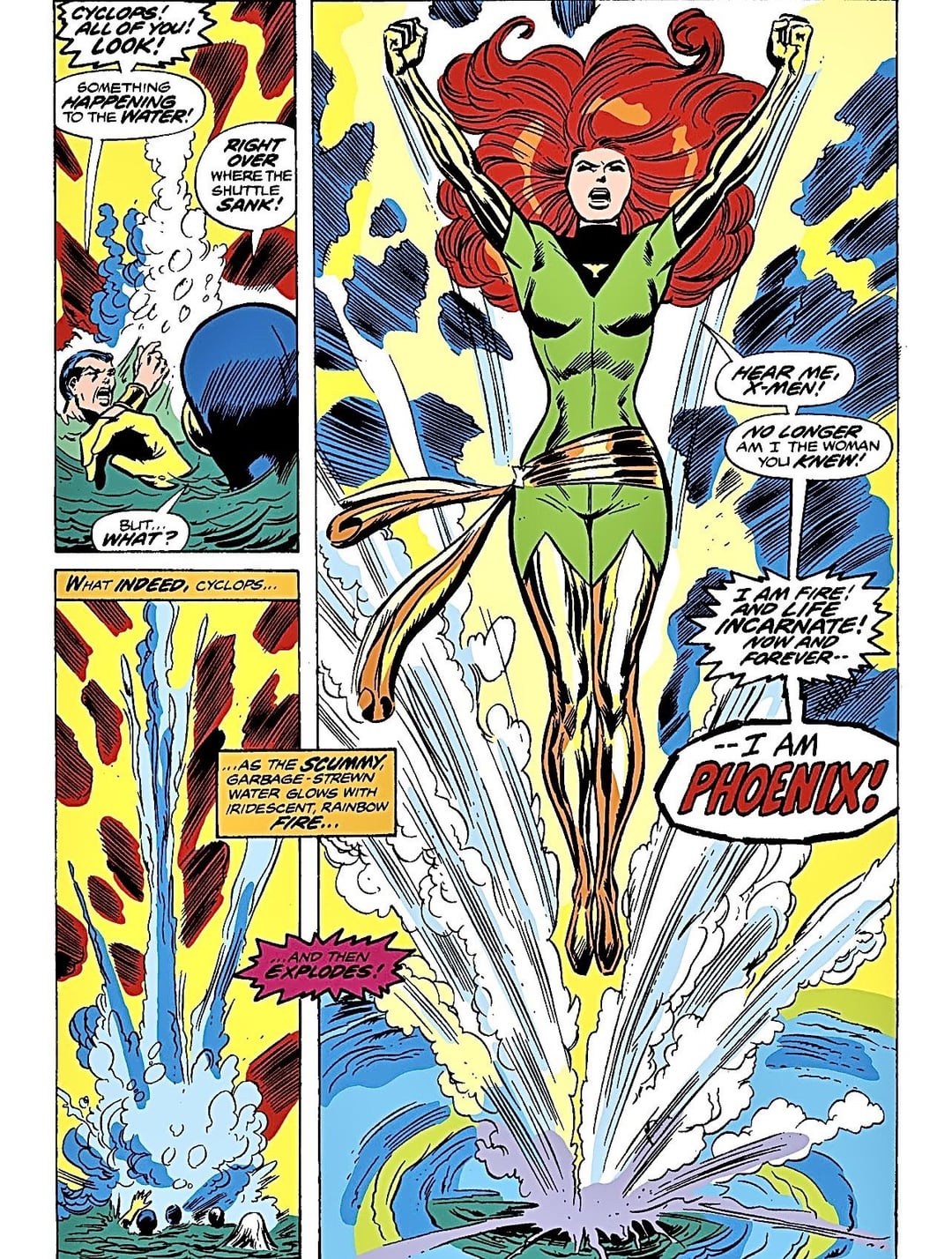
Comic Book Art is a style of visual storytelling that originated in the early 20th century and became famous through the publication of superhero comic books. It is characterized by its vibrant and bold colors, dynamic shapes, exaggerated proportions, and dramatic action scenes. This style gained popularity in the 1930s with the advent of iconic superheroes like Superman and Batman, and further rose to prominence in the 1960s with the emergence of Marvel Comics and its legendary artists such as Jack Kirby and Steve Ditko.

View StyleExplore Style
Example of visual style of Cristobal Balenciaga

Cristobal Balenciaga

Cristobal Balenciaga was a Spanish fashion designer known for his innovative designs and impeccable craftsmanship. Active from the 1930s to the 1960s, Balenciaga revolutionized the world of fashion with his bold and sculptural silhouettes. His designs often featured exaggerated proportions, unexpected fabric combinations, and intricate draping techniques. Balenciaga's attention to detail and his ability to create garments that perfectly fit the body made him a favorite among high society and Hollywood celebrities. His creations, characterized by their elegance, avant-garde shapes, and refined simplicity, played a significant role in shaping the fashion industry and continue to influence designers today.

View StyleExplore Style
Example of visual style of DC Comics

DC Comics

The visual style of DC Comics is bold, dynamic, and vibrant. With a history that dates back to 1934, DC Comics has become famous for its iconic characters and compelling storytelling. The style gained popularity in the mid-20th century with the introduction of superheroes like Superman, Batman, and Wonder Woman. DC Comics is known for its strong use of primary colors, exaggerated proportions, and dramatic action scenes. The distinctive look of DC Comics has been influential in the world of comic books and has served as the foundation for numerous adaptations in film and television.

View StyleExplore Style
Example of visual style of Diana Vreeland

Diana Vreeland

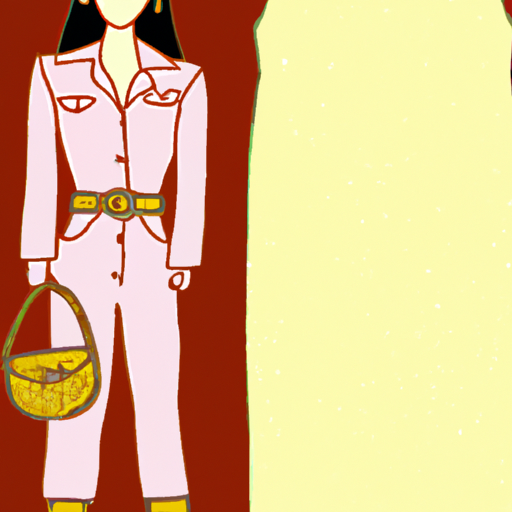
Diana Vreeland, a legendary fashion editor, is known for her bold and eclectic visual style. From the 1930s to the 1980s, Vreeland's influential work in the fashion industry made her famous for pushing artistic boundaries and embracing unconventional beauty. Her style was characterized by vibrant colors, exaggerated proportions, and a fearless mix of patterns and textures. She was an advocate for individuality and self-expression, inspiring others to embrace their unique style and be unapologetically themselves.

View StyleExplore Style
Example of visual style of Gareth Pugh

Gareth Pugh

Gareth Pugh is a British fashion designer known for his avant-garde and futuristic visual style. His creations often feature sharp angles, exaggerated proportions, and sculptural silhouettes. Pugh rose to fame in the mid-2000s, gaining attention for his dark and edgy designs. His use of unconventional materials such as latex and plastics, as well as his exploration of new technologies in fashion, set him apart from traditional designers. Gareth Pugh's unique aesthetic and boundary-pushing designs have made him a prominent figure in the fashion industry.

View StyleExplore Style
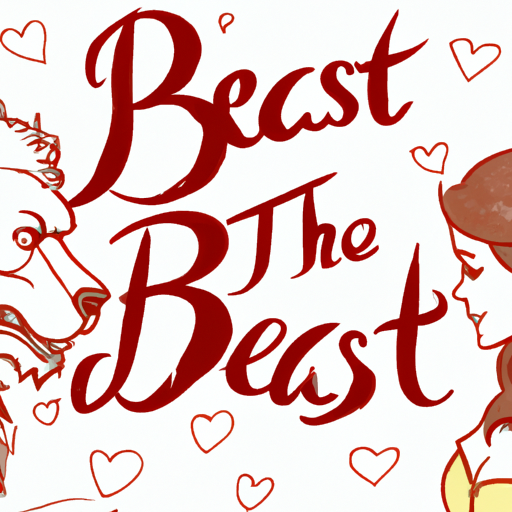
Example of visual style of Gaston Beauty And The Beast

Gaston Beauty And The Beast

The Gaston Beauty And The Beast style is a visually striking and iconic style that emerged in the early 1990s with the release of the Disney animated film 'Beauty And The Beast.' This style became famous for its vibrant colors, bold lines, and exaggerated proportions. The characters in this style often have larger-than-life features, exaggerated facial expressions, and strong physical attributes. The dynamic and expressive animation captivated audiences and made 'Beauty And The Beast' a turning point in animation history.

View StyleExplore Style
Example of visual style of Gil Kane

Gil Kane

Gil Kane was a comic book artist known for his dynamic and energetic style. He gained prominence in the 1960s and 1970s, particularly for his work on iconic characters like Green Lantern and Spider-Man. Kane's signature style featured bold, fluid lines, exaggerated proportions, and powerful poses, which created a sense of motion and excitement. His mastery of anatomy and expressive facial features brought his characters to life. Kane's dynamic storytelling and innovative panel layouts also contributed to his fame.

View StyleExplore Style
Example of visual style of Harumi Yamaguchi

Harumi Yamaguchi

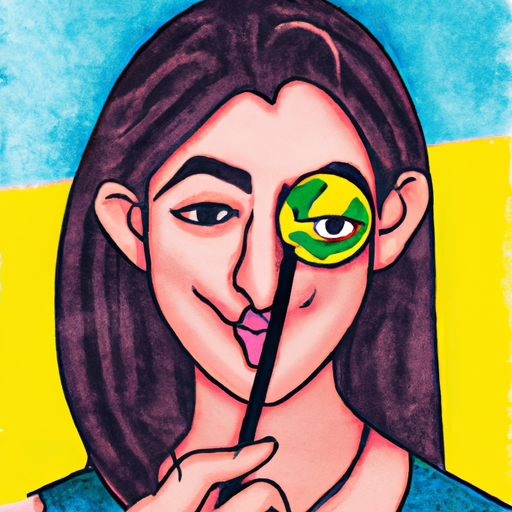
Harumi Yamaguchi is a Japanese artist known for her distinctive style of illustration characterized by bold lines, vibrant colors, and exaggerated proportions. Her work gained popularity in the 1970s and 1980s, particularly through her illustrations for the Japanese magazine, Unijisushi. Yamaguchi's illustrations often portrayed glamorous women in powerful and seductive poses, capturing the essence of the 70s and 80s feminist movements. Her unique style, combining elements of pop art and fashion illustration, made her famous for her ability to capture the spirit of the era with a sense of boldness and sensuality.

View StyleExplore Style
Example of visual style of Hernandez Brothers

Hernandez Brothers

Hernandez Brothers is a visual style in comic book illustration that emerged in the 1980s and gained fame through their influential work in the alternative comics scene. Created by the three brothers, Gilbert, Jaime, and Mario, this style is characterized by its distinctive black and white linework, exaggerated figure proportions, and intricate cross-hatching. The Hernandez Brothers are known for their long-running series 'Love and Rockets', which blends elements of science fiction, slice-of-life storytelling, and magical realism. Their groundbreaking work has influenced a generation of comic book artists and has been celebrated for its strong female characters, intricate narratives, and exploration of diverse cultural themes.

View StyleExplore Style
Example of visual style of Jean Paul Goude

Jean Paul Goude

Jean Paul Goude is a French graphic designer, illustrator, and photographer known for his unique and influential visual style. He rose to fame in the 1970s and 1980s for his creative collaborations with the fashion industry and his iconic images that merged art, fashion, and advertising. Goude's work often features vibrant colors, bold compositions, exaggerated proportions, and a playful sense of humor. His use of innovative techniques such as cut-outs, collage, and in-camera tricks revolutionized the field of photography. Goude's visual style is characterized by its dynamism, wit, and theatricality. His innovative approach to image-making made him a pioneer in the world of fashion and advertising, and his iconic works continue to inspire and influence contemporary visual culture.

View StyleExplore Style
Example of visual style of Pendleton Ward

Pendleton Ward

Pendleton Ward is an American animator and writer known for his distinct visual style pioneered in the animated television series Adventure Time. His style, which gained popularity in the 2010s, is characterized by bold, colorful and whimsical designs. Ward's art often features simple and geometric shapes, exaggerated proportions, and a charmingly rough aesthetic. His unique animation approach combined with clever storytelling and witty humor contributed to the success and cult following of Adventure Time.

View StyleExplore Style
Example of visual style of Tetsuya Nomura

Tetsuya Nomura

Tetsuya Nomura is a Japanese video game artist and designer known for his distinctive visual style characterized by complex and intricate character designs, exaggerated proportions, and a fusion of elements from different genres. He gained recognition for his work on the popular video game series, Final Fantasy, starting with the release of Final Fantasy VII in 1997. Nomura's unique art style featuring intricate costumes, belts, zippers, and spikey hair became synonymous with the series and made a significant impact on the gaming industry.

View StyleExplore Style
Example of visual style of The Fabulous Furry Freak Brothers

The Fabulous Furry Freak Brothers

The Fabulous Furry Freak Brothers is a visual style that originated in the late 1960s and gained popularity in the counterculture movement of the 1970s. Known for its psychedelic and cartoonish elements, this style is characterized by vibrant colors, intricate patterns, exaggerated proportions, and surreal imagery. The Fabulous Furry Freak Brothers comics, created by Gilbert Shelton, became famous for their satirical take on the hippie culture, cannabis use, and the socio-political climate of the time.

View StyleExplore Style
Home