
Akkadian Empire
Akkadian Empire visual style emerged in Mesopotamia around 2334-2154 BC. It is known for its stylized and exaggerated representations of human figures in art and architecture.
View StyleExplore Style Stylopedia
A visual encyclopedia of exaggerated styles – use as prompt inspiration for Midjourney, Gemini, or ChatGPT AI when making exaggerated images
Akkadian Empire visual style emerged in Mesopotamia around 2334-2154 BC. It is known for its stylized and exaggerated representations of human figures in art and architecture.
View StyleExplore Style
Akko Kagari is a style known for its whimsical and colorful designs, inspired by Japanese anime and manga. Popularized in the 21st century, this style often features exaggerated expressions and vibrant colors.
View StyleExplore Style
Al Jaffee is known for his distinctive cartooning style that is characterized by sharp and exaggerated lines, intricate detail, and a humorous and satirical tone. His style became famous through his work in Mad Magazine, especially in the fold-ins and the iconic Mad Fold-In feature. The precision and wit in his drawings, along with his ability to cleverly twist images and ideas, made Al Jaffee highly recognized in the field of cartooning. He has been active in the industry since the 1950s.
View StyleExplore Style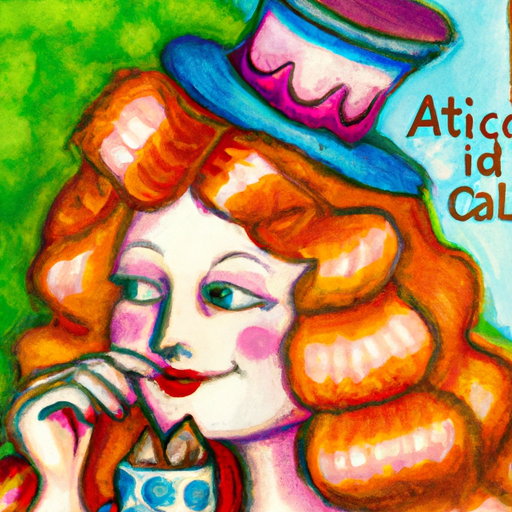
Alice In Wonderland is a whimsical and fantastical visual style that gained popularity in the mid-19th century. It became famous through Lewis Carroll's novel 'Alice's Adventures in Wonderland' and its subsequent adaptations. This style is characterized by surreal and exaggerated elements, vivid and vibrant colors, anthropomorphic creatures, intricate patterns, and a sense of playfulness. It is inspired by the Victorian era and often incorporates elements of fantasy and imagination.
View StyleExplore Style
American Dad is an animated sitcom with a distinct visual style known for its bold, vibrant, and exaggerated aesthetic. It first aired in 2005 and gained popularity for its unique blend of absurdity, political satire, and irreverent humor. The show's visual style combines clean and sharp lines with bright colors, creating a visually striking and eye-catching look. The characters are often depicted with exaggerated features and caricatured designs, adding to the overall comedic tone. American Dad's visual style has become iconic and is easily recognizable among animated television shows.
View StyleExplore Style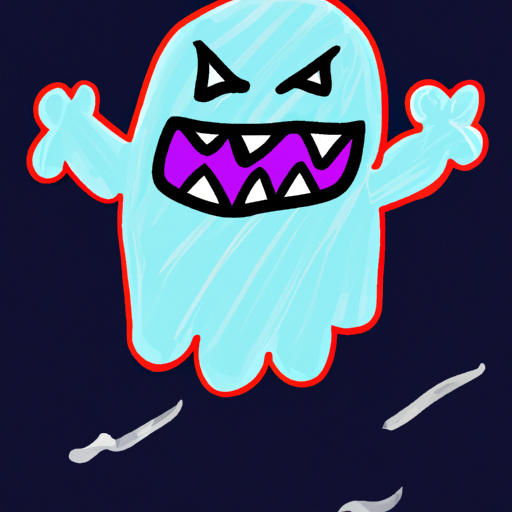
The Animation Style Of The 90s is characterized by vibrant colors, exaggerated movements, and a mix of traditional hand-drawn animation and emerging computer-generated imagery. It gained popularity during the 1990s and was known for its distinctive look and energetic storytelling. This style became famous through the rise of animated TV shows, such as 'The Simpsons,' 'Animaniacs,' and 'Ren & Stimpy,' as well as films like 'The Lion King' and 'Toy Story.' The combination of traditional techniques with new technologies helped create a visually unique and captivating experience for audiences.
View StyleExplore Style
Anime art style originated in Japan around the early 20th century and became popular in the 1980s due to the success of iconic series like Dragon Ball and Sailor Moon. It is characterized by its colorful and expressive characters, exaggerated proportions, and vibrant backgrounds.
View StyleExplore Style
Aqua Teen Hunger Force features simplistic and colorful animation with exaggerated character designs. Known for its absurdist humor and surreal storytelling, this style became famous in the early 2000s for its unique blend of comedy and animation.
View StyleExplore Style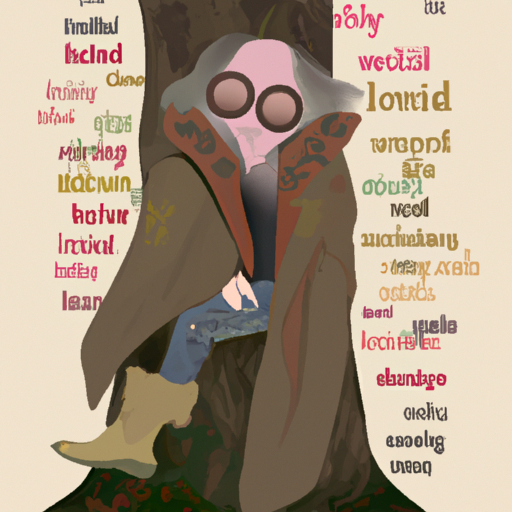
The visual style of Tim Burton is a unique and gothic blend of fantasy, dark humor, and macabre elements. Emerging in the 1980s, Tim Burton gained fame for his distinctive style, which often features quirky characters, twisted storylines, and a darkly whimsical tone. His use of exaggerated, stylized visuals and surreal settings creates a dreamlike atmosphere that is both haunting and enchanting.
View StyleExplore Style
The Awkward Zombie webcomic features a simplistic yet expressive art style with exaggerated facial expressions and comedic character designs. Created by Katie Tiedrich in 2006, the webcomic gained popularity for its humor and relatable gaming-themed content.
View StyleExplore Style
Baroque is a highly ornamental and dramatic style that emerged in Europe around the late 16th century and remained prominent until the early 18th century. It is known for its grandeur, opulence, and theatricality. Baroque style captivated audiences with its elaborate details, exaggerated gestures, and vibrant colors. It was characterized by the use of dynamic and sweeping curves, intricate ornamentation, and abundant decorative elements. This style became famous for its luxuriousness and the way it evoked strong emotions through its ornate compositions and intense lighting effects.
View StyleExplore Style
The Batman Robin visual style is characterized by bold, bright colors, exaggerated proportions, and a whimsical, cartoonish aesthetic. Popular in the mid-20th century, this style was made famous by its use in comic books and animated series featuring the dynamic duo of Batman and Robin.
View StyleExplore Style
The Batman TV Series, also known as 'Batman '66', is a visual style that became famous from 1966 to 1968. It is known for its campy, colorful, and exaggerated aesthetic, capturing the essence of the comics from the 1960s. The series featured bold and vibrant sets, stylized action sequences, and iconic costumes that became synonymous with Batman during that time.
View StyleExplore Style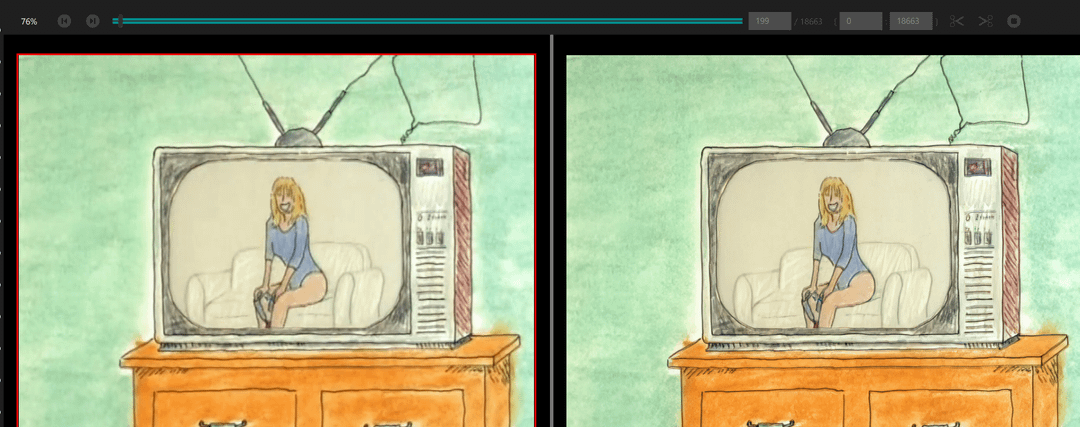
The visual style of Beavis And Butt Head is characterized by crude and simplistic animation, exaggerated facial expressions, and dark, edgy humor. This style gained fame in the 1990s and is known for its irreverent and satirical take on American youth culture.
View StyleExplore Style
Bert Lahr's visual style was characterized by exaggerated facial expressions, comedic costumes, and unique physicality. He was famous for his roles in films and on stage during the early to mid-20th century, bringing a distinctive and unforgettable comedic presence to his performances.
View StyleExplore Style
Betty Boop is a visual style that emerged in the 1930s and became famous for its unique blend of cartoons and fashion. Created by Max Fleischer, Betty Boop is a cartoon character known for her high-pitched voice, short bob haircut, big eyes, and stylized flapper attire. The visual style is characterized by bold and exaggerated designs, vibrant colors, and playful animations. Betty Boop gained popularity for her saucy and suggestive nature, making her a cultural icon of the Jazz Age.
View StyleExplore Style
Big Daddy Roth was a visual artist known for his cartoonish and grotesque characters featured on hot rods in the 1960s. His style was characterized by exaggerated features, bold colors, and a sense of humor.
View StyleExplore Style
Bill Gaines was an American publisher and cartoonist known for his colorful, exaggerated, and humorous comic book illustrations. His style became famous during the 1950s and 1960s through his work on publications like MAD magazine.
View StyleExplore Style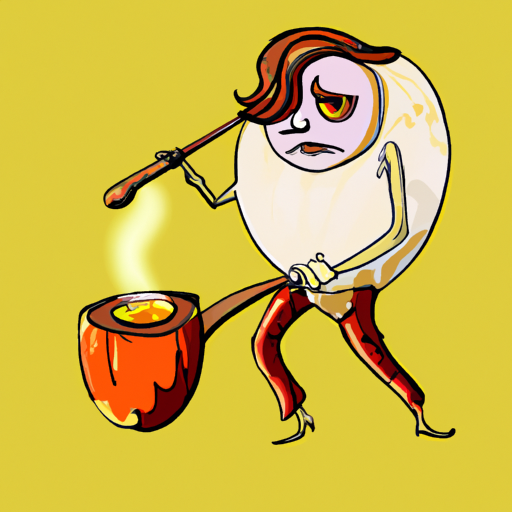
Bill Plympton's visual style is characterized by exaggerated and fluid hand-drawn animation, featuring unique character designs and surreal, often dark humor. His work became famous in the 1980s for its distinctive, frenetic energy.
View StyleExplore Style
Bill Tytla's visual style, popular in the 1930s and 1940s, is characterized by exaggerated, emotive characters with fluid, expressive movements. Famous for his work at Disney on characters like Dumbo and Grumpy, Tytla's style emphasized depth of emotion and sensitivity in animation.
View StyleExplore Style
Bill Watterson is known for his distinctive visual style that he developed in his comic strip 'Calvin and Hobbes', which ran from 1985 to 1995. His style is characterized by its expressive and detailed drawings, with a focus on the imaginative and playful world of a young boy named Calvin and his stuffed tiger friend, Hobbes. Watterson's use of dynamic poses, exaggerated facial expressions, and intricate background details helped bring his characters and their world to life. His comic strip gained widespread popularity and critical acclaim, earning him numerous accolades and a devoted fanbase.
View StyleExplore Style
Bluto is a visual style that emerged in the 1950s and became famous for its bold and dynamic use of color, exaggerated forms, and strong compositions. It is characterized by its cartoonish and playful aesthetic, often depicting larger-than-life characters and exaggerated facial expressions.
View StyleExplore Style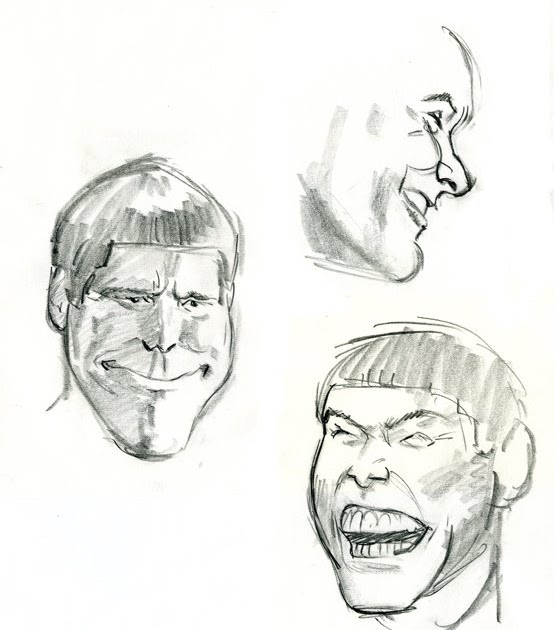
Bob Camp is a visual artist known for his unique and distinct style in animation and comics. He gained fame in the 1990s with his work on the popular animated television series 'The Ren & Stimpy Show'. Camp's style is characterized by exaggerated and cartoony characters, bold and vibrant colors, and a quirky and surreal sense of humor. His work often features highly detailed and zany backgrounds, as well as expressive and energetic character designs. Bob Camp's style revolutionized the world of animation and is considered a hallmark of the 90s animation era.
View StyleExplore Style
Brad Bird is a renowned artist known for his distinct style in animation. His visual style is characterized by its dynamic and energetic movements, detailed backgrounds, and a combination of realistic and exaggerated character designs. Bird rose to prominence in the late 1990s and early 2000s with his work on the animated films 'The Iron Giant' (1999) and 'The Incredibles' (2004). The artistic choices and storytelling in these films, as well as their critical and commercial success, have made Brad Bird's style famous in the animation industry.
View StyleExplore Style
Brad Neely's visual style is characterized by simplistic, somewhat crude animation, bold colors, exaggerated characters, and humorous dialogue. Neely rose to fame in the mid-2000s with his popular web series 'The Professor Brothers' and 'China, IL'.
View StyleExplore Style
The visual style of Bugs Bunny is characteristic of the golden age of American animation, particularly the Looney Tunes and Merrie Melodies series. It gained prominence during the 1940s and 1950s and is still popular today. Bugs Bunny is known for his mischievous, quick-witted, and sarcastic personality. The visual style of Bugs Bunny features vibrant and exaggerated animation, smooth and fluid movements, expressive facial features, and detailed backgrounds. The style is famous for its humor, wit, and satire, which made Bugs Bunny a beloved and iconic cartoon character worldwide.
View StyleExplore Style
The visual style of Burt Ward is characterized by colorful, exaggerated, and campy costumes and set designs. This style gained fame in the 1960s with the Batman TV series where Ward played Robin, and was known for its bold and playful aesthetic.
View StyleExplore Style
Candy Candy is a visually vivid, colorful and whimsical style that became popular in the 1970s in Japan. It features exaggerated character designs, bright pastel colors, and cute and charming aesthetics.
View StyleExplore Style
Caricature is a style of art that exaggerates and distorts the features of a person or subject to create a humorous or satirical effect. It became popular in the 18th century as a way to poke fun at prominent figures in society.
View StyleExplore Style
Caricature art is a style of exaggerated and distorted representation of people or things to create a humorous or satirical effect. Popularized in Europe in the 18th century, caricature art gained fame for its ability to comment on social and political issues in a lighthearted manner.
View StyleExplore Style
Cartoon style is characterized by exaggerated and simplified visuals, often featuring bold, vibrant colors. It became popular in the early 20th century with the rise of animated films and comic strips. Its playful and imaginative nature made it a favorite among children and adults alike.
View StyleExplore Style
Cartoon Animation is a style of animation that features exaggerated movements, vibrant colors, and often humorous or fantastical characters. It became famous during the early 20th century with the rise of iconic characters such as Mickey Mouse and Bugs Bunny.
View StyleExplore Style
Cartoon Illustration is a style characterized by exaggerated features, bold lines, and vibrant colors. It became popular in the early 20th century with the rise of animation and comic strips.
View StyleExplore Style
Cartoon Network is a visual style known for its vibrant, playful, and exaggerated animation. It became famous in the 1990s with shows like The Powerpuff Girls, Dexter's Laboratory, and Johnny Bravo. The style combines bold and colorful art with humorous storytelling, often appealing to both children and adults. It continues to be recognized for its unique character designs and zany, fast-paced animation.
View StyleExplore Style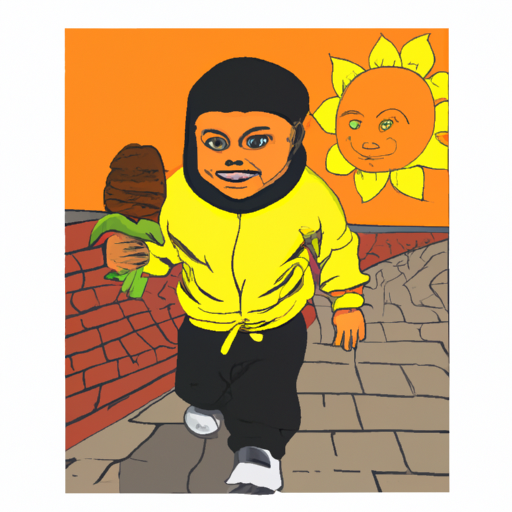
Cartoon Style is a visual style characterized by exaggerated and simplified features, vibrant colors, and lively, often humorous, depictions of characters and scenes. It emerged in the early 20th century and gained popularity through animated cartoons in film and later on television. The style became famous for its ability to entertain and engage audiences of all ages with its playful and imaginative representations of stories and characters.
View StyleExplore Style
Cartooning is a humorous, exaggerated and simplified style of illustration that gained popularity in the early 20th century. It is known for its bold lines, bright colors, and whimsical characters.
View StyleExplore Style
Cartoonish visual style is characterized by exaggerated features, bright colors, and simplistic shapes. Popularized in animated cartoons in the early 20th century, this style is often used to create whimsical and playful imagery.
View StyleExplore Style
Cartoonists is a visual style characterized by exaggerated and simplified forms, often used in humorous or satirical illustrations. The style became popular in the early 20th century with the rise of comic strips and has continued to influence popular culture.
View StyleExplore Style
Childrens Television is a colorful and vibrant visual style that primarily caters to a young audience. It often features whimsical characters, bright colors, exaggerated animations, and simplistic shapes. This style became famous in the mid-20th century with the rise of popular children's TV shows such as Sesame Street, Mister Rogers' Neighborhood, and The Magic School Bus.
View StyleExplore Style
Bright, colorful, whimsical visuals that appeal to young audiences. Popularized in the mid-20th century, this style features exaggerated characters, simple shapes, and vibrant colors to engage and entertain children.
View StyleExplore Style
Comedy visual style is characterized by bright colors, exaggerated expressions, and humorous elements. It became popular in the late 19th century with the rise of vaudeville and continues to be a popular style in modern entertainment.
View StyleExplore Style
Comedy film visual style is characterized by bright and colorful sets, exaggerated facial expressions, slapstick humor, and quirky characters. This style became popular in the early 20th century with the silent film era and has continued to evolve with the introduction of sound and color.
View StyleExplore Style
Comic Art is a visual style that originated in the early 20th century and gained popularity through the creation of comic books. It is characterized by exaggerated and colorful illustrations, often featuring bold lines and defined contours. The style became famous in the 1930s with the introduction of iconic comic book characters like Superman and Batman. Comic Art combines storytelling, dialogue, and visual elements to convey narratives in a sequential format, engaging readers of all ages.
View StyleExplore Style
The Comic Book Industry visual style emerged in the early 20th century and became famous through the creation and publication of comic books. It rose to prominence in the 1930s with the introduction of characters like Superman and Batman by DC Comics, and later with the emergence of Marvel Comics and iconic characters like Spider-Man and the X-Men. This style is characterized by vibrant, bold, and exaggerated illustrations, often employing dynamic angles and exaggerated perspectives. The use of speech bubbles, onomatopoeias, and panel layouts for storytelling are also important elements of this style.
View StyleExplore Style
Comic Strip Art is a visual style characterized by bold, vibrant colors, exaggerated proportions, and clear black outlines reminiscent of traditional comic book illustrations. This style gained popularity during the early 20th century and became a prominent form of visual storytelling in newspapers and magazines. The use of speech bubbles, panel layouts, and narrative captions made comic strips an accessible and engaging medium for conveying narratives and humor. Famous comic strip artists such as Winsor McCay, Charles M. Schulz, and Bill Watterson helped popularize this style and have left a lasting impact on the world of cartooning and illustration.
View StyleExplore Style
Comic Strip Artists is a visual style that emerged in the early 20th century and became famous for its use of sequential art to tell stories. It reached its peak of popularity in the mid-20th century with iconic comic strip characters like Mickey Mouse, Superman, and Spider-Man. This style gained recognition for its dynamic and exaggerated drawings, vibrant colors, and use of speech bubbles and captions to convey dialogue and narrative. Comic Strip Artists revolutionized storytelling by combining illustrations and text in a concise and entertaining format.
View StyleExplore Style
Conkers Bad Fur Day is a visually unique style of video game graphics characterized by its cartoonish and humorous art direction. Released in 2001, Conkers Bad Fur Day became famous for its exaggerated character designs and witty dialogue.
View StyleExplore Style
The Cowardly Lion visual style is characterized by bold and vibrant colors, whimsical patterns, and exaggerated proportions. This style became famous in the late 1930s with the release of the film 'The Wizard of Oz' in which the Cowardly Lion, played by Bert Lahr, was costumed in a flamboyant and eccentric manner.
View StyleExplore Style
Craig McCracken is an American animator and creator known for his distinct animated visual style. He rose to fame in the late 1990s and early 2000s with the creation of the television shows 'The Powerpuff Girls' and 'Foster's Home for Imaginary Friends'. McCracken's style is characterized by its vibrant color palette, bold and exaggerated shapes, and strong outlines. His characters often feature large, expressive eyes and unique and imaginative designs. McCracken's visual style is known for its combination of humor, action, and heartwarming storytelling.
View StyleExplore Style
Fattu is a visual style characterized by bold, colorful and exaggerated designs. Originating in the 1960s, this style gained popularity for its whimsical and playful elements.
View StyleExplore Style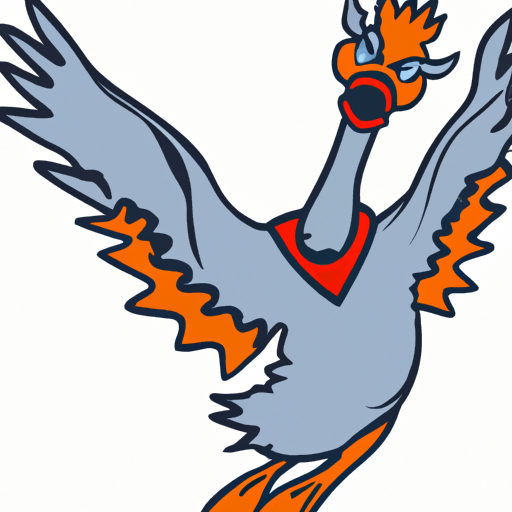
Daffy Duck is a visual style associated with the Looney Tunes character of the same name. It emerged in the late 1930s and became particularly famous during the 1940s and 1950s. This style is characterized by Daffy Duck's exaggerated and zany appearance, featuring a white feathered body, orange beak, and wide eyes. Daffy Duck's energetic and frenetic personality, known for his loud and erratic behavior, brought this visual style to life and made it iconic in the world of animation.
View StyleExplore Style
Project Pat is a visual style characterized by colorful and exaggerated graphics, often featuring bold typography and street art influences. Popular in the late 2000s and early 2010s, this style became famous for its energetic and urban aesthetic.
View StyleExplore Style
The visual style of David Depatie is characterized by bold, vibrant colors, simple shapes, and exaggerated movements. This style was popularized in the 1960s and 1970s through his work on popular animated TV shows such as The Pink Panther and The Inspector.
View StyleExplore Style
The visual style of David Low, a famous political cartoonist, is characterized by bold lines, exaggerated caricatures, and thoughtful satire. Active during the mid-20th century, Low's work was known for its incisive commentary on current events and political figures.
View StyleExplore Style
Dr Seuss is a highly distinctive visual style characterized by its whimsical and exuberant illustrations. It became famous in the mid-20th century through the works of Theodor Seuss Geisel, also known as Dr Seuss. His unique and imaginative style featured bold and vibrant colors, curved and exaggerated shapes, and intricate patterns. Dr Seuss's illustrations often depicted fantastical characters and creatures in surreal and playful environments, captivating both children and adults alike.
View StyleExplore Style
Dragon Ball is a Japanese manga and anime series created by Akira Toriyama. It was first serialized in 1984 and later adapted into multiple animated television series, movies, and video games. The visual style of Dragon Ball is characterized by vibrant, colorful artwork with a distinctive blend of fantasy and science fiction elements. The characters are often portrayed with exaggerated features, dynamic poses, and intense battle scenes. Dragon Ball became famous for its captivating storytelling, memorable characters, and its influential impact on the anime and manga industry.
View StyleExplore Style
Dragon Ball GT is an anime series that aired from 1996 to 1997. It is the sequel to the immensely popular Dragon Ball and Dragon Ball Z series. This visual style became famous for its vibrant and energetic artwork, with exaggerated and stylized character designs. It introduced new transformations and power levels for the characters, as well as a new adventure in space. The series has a more lighthearted tone compared to its predecessors and showcases a colorful and futuristic art style.
View StyleExplore Style
Dragon Ball Super is a Japanese anime television series which started in 2015 and gained popularity for its vibrant colors, dynamic action scenes, and exaggerated character designs. It builds upon the visual style of the original Dragon Ball series while incorporating modern animation techniques.
View StyleExplore Style
Dragon Ball Z is a Japanese anime and manga series created by Akira Toriyama. It debuted in 1989 and quickly gained worldwide popularity. The visual style of Dragon Ball Z is known for its dynamic and explosive action sequences, vibrant and exaggerated character designs, and iconic transformations. It became famous for its intense battles, larger-than-life characters, and its unique blend of martial arts, science fiction, and fantasy elements.
View StyleExplore Style
Dreamworks Animation is a visual style in computer-generated animation known for its vibrant colors, exaggerated character designs, and comedic tone. It rose to fame in the late 1990s with the release of films like Shrek (2001), Madagascar (2005), and Kung Fu Panda (2008). Dreamworks Animation became known for its unique blend of humor, pop culture references, and emotional storytelling. The style often features anthropomorphic animals and larger-than-life characters, showcasing a mix of slapstick comedy and heartwarming moments.
View StyleExplore Style