StylopediaStylopedia

Everyday objects styles on Stylopedia

A visual encyclopedia of everyday objects styles – use as prompt inspiration for Midjourney, Gemini, or ChatGPT AI when making everyday objects images

Example of visual style of Jan Švankmajer

Jan Švankmajer

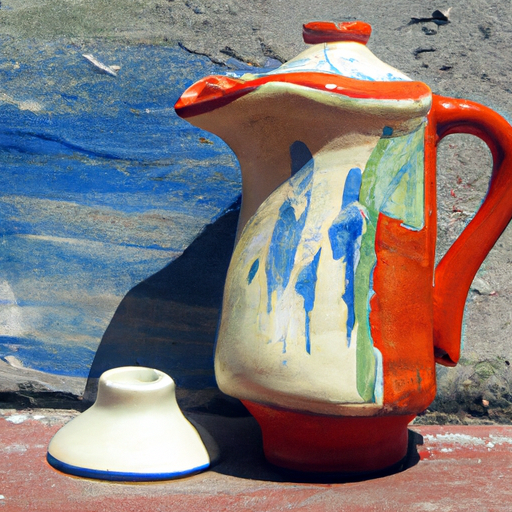
Jan Švankmajer is a Czech filmmaker and artist known for his unique visual style that combines live-action and stop-motion animation. His work often explores dark and surreal themes, and is characterized by a gritty, visceral aesthetic. Švankmajer rose to prominence in the 1960s and 1970s with his short films and later gained international recognition with feature-length movies such as 'Alice' (1988) and 'Faust' (1994). His use of everyday objects and materials, as well as his focus on the subconscious and the grotesque, have made him famous in the world of animation and experimental film.

View StyleExplore Style
Example of visual style of Juan Gris

Juan Gris

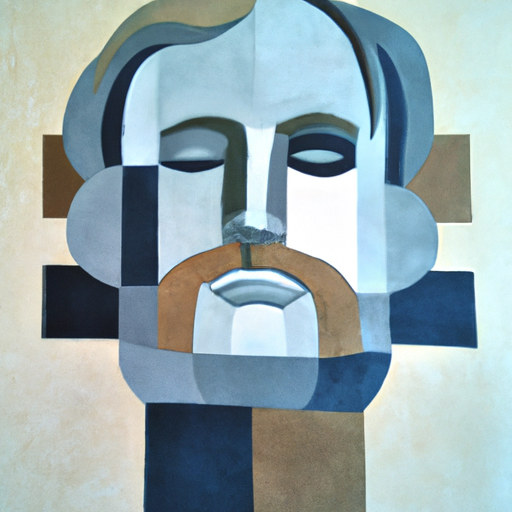
Juan Gris was a Spanish painter and sculptor who was a leading figure in the art movement known as Cubism. He was active from around 1910 until his death in 1927. Gris is famous for his innovative approach to composition and his use of geometric forms and bright, bold colors. His works often feature everyday objects and musical instruments, and he was known for his meticulous attention to detail. Gris' style brought a new level of abstraction to Cubism, creating a sense of order and harmony in his paintings.

View StyleExplore Style
Example of visual style of Neo Dada

Neo Dada

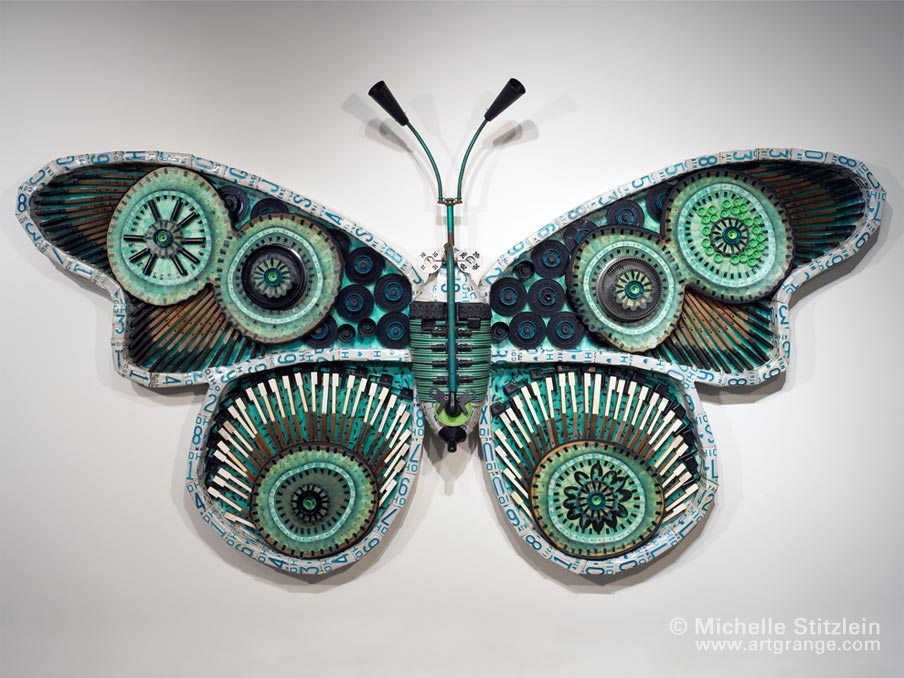
Neo Dada is an art movement that emerged in the 1950s and reached its peak in the 1960s. It is characterized by an eclectic and unconventional approach, often using everyday objects and found materials to create artworks. The artists associated with Neo Dada aimed to challenge traditional notions of art and aesthetic by combining elements of performance, sculpture, painting, and collage. Neo Dada became famous for its rejection of rationality and embrace of absurdity, randomness, and chance in artistic creation.

View StyleExplore Style
Example of visual style of New Objectivity

New Objectivity

New Objectivity, also known as Neue Sachlichkeit in German, was an artistic style that emerged in Germany in the 1920s. It became famous for its realistic portrayal of everyday objects and people, often depicting a sense of detachment and social criticism. The movement reached its peak between 1925 and 1933. Its fame was largely due to the response it provided to the chaos and uncertainty of post-World War I society, offering a sober and factual representation of the world.

View StyleExplore Style
Example of visual style of Nouveau Realisme

Nouveau Realisme

Nouveau Realisme, also known as New Realism, was an art movement that emerged in France in the early 1960s. It gained popularity during the years 1960-1970. The movement was famous for combining art with everyday objects and materials, blurring the boundaries between art and reality. Artists associated with Nouveau Realisme aimed to depict the world as it was, focusing on urban life, consumerism, and the industrial landscape. They often employed collage, assemblage, and found objects to create their artworks. Nouveau Realisme challenged the traditional notions of art, emphasizing the importance of the ordinary and the real.

View StyleExplore Style
Example of visual style of Rachel Whiteread

Rachel Whiteread

Rachel Whiteread is a British artist known for her minimalist and conceptual sculptures. Her style is characterized by the casting of negative spaces, particularly those found in everyday objects and architectural structures. Whiteread gained fame in the 1990s for her large-scale public art projects, such as 'House' in 1993, where she filled an entire house with concrete and then removed the original structure, leaving only the casted interior. This groundbreaking work marked a shift in contemporary art, challenging traditional notions of sculpture and representation.

View StyleExplore Style
Example of visual style of Sarah Lucas

Sarah Lucas

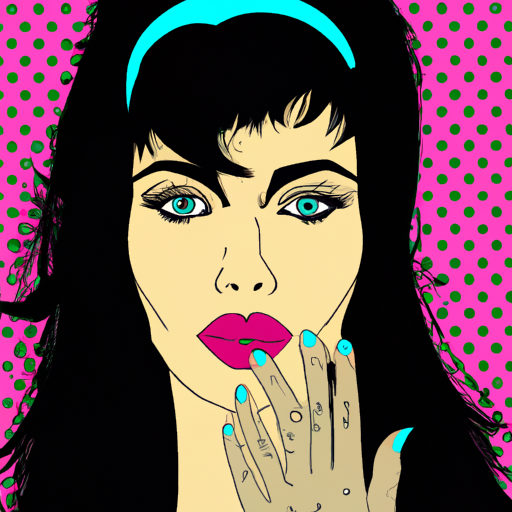
Sarah Lucas is a British contemporary artist known for her provocative and challenging approach to gender, sexuality, and the human body. She emerged in the 1990s as part of the Young British Artists movement and gained international recognition. Lucas became famous for her use of everyday objects, such as cigarettes, stuffed tights, and furniture, to create sculptures, installations, and photographs that challenge traditional notions of femininity and masculinity.

View StyleExplore Style
Home