StylopediaStylopedia

Everyday life styles on Stylopedia

A visual encyclopedia of everyday life styles – use as prompt inspiration for Midjourney, Gemini, or ChatGPT AI when making everyday life images

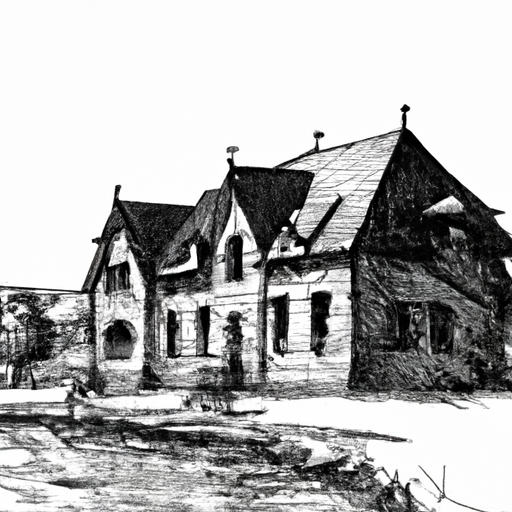
Example of visual style of Alfred Stieglitz

Alfred Stieglitz

Alfred Stieglitz pioneered the style of straight photography, starting in the early 1900s. This style became famous for its realistic depiction of subjects, characterized by sharp focus, precise detail, and strong composition. Stieglitz's work captured the urban landscape and everyday life, reflecting the modern world. He played a significant role in elevating photography to the status of fine art through his promotion and advocacy. His photographs from 1900-1920s had a profound influence on the future of photography.

View StyleExplore Style
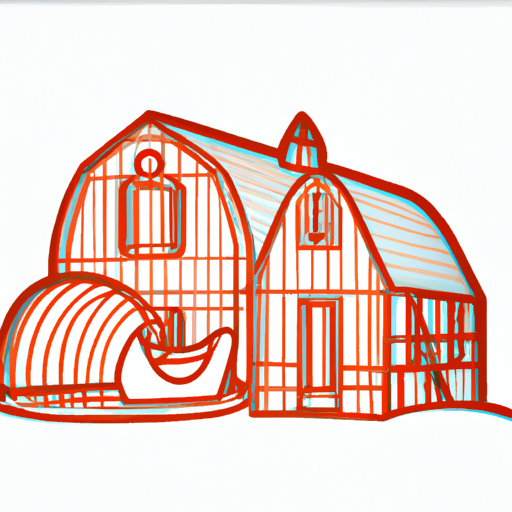
Example of visual style of American Illustration

American Illustration

American Illustration is a visual style that emerged in the early 20th century and became famous during the mid-20th century. It is characterized by detailed and realistic drawings, often featuring the idealized American way of life. This style gained popularity in the 1940s and 1950s, particularly through the illustrations found in magazines like The Saturday Evening Post. American Illustration showcased the optimism, patriotism, and values of post-war America, capturing scenes of everyday life, family, work, and leisure. It depicted a nostalgic and optimistic view of American society, presenting a polished and idealized vision of the American dream.

View StyleExplore Style
Example of visual style of American Realism

American Realism

American Realism was an art movement that emerged in the late 19th century and became prominent in the early 20th century. It depicted everyday life and scenes in a realistic manner, capturing ordinary people, landscapes, and objects with great attention to detail. This style gained fame for its authentic representation of American society and its focus on the beauty of simplicity and the ordinary. American Realism is often associated with the works of artists such as Winslow Homer, Edward Hopper, and Andrew Wyeth.

View StyleExplore Style
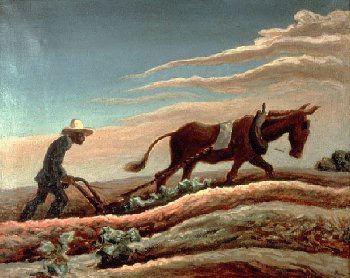
Example of visual style of American Scene Painting

American Scene Painting

American Scene Painting refers to a realist style of painting that emerged in the United States in the 1920s and reached its peak in the 1930s. It became famous for its depiction of everyday life in America, often capturing rural and urban landscapes, small-town scenes, and regional traditions. This style gained popularity during the Great Depression, as it focused on ordinary people and everyday activities, reflecting the social and economic conditions of that era.

View StyleExplore Style
Example of visual style of American Splendor

American Splendor

American Splendor is a visual style that emerged in the late 1970s and gained popularity in the 1980s. It is characterized by a raw, unpolished aesthetic and a focus on depicting the grit and realism of everyday life. This style became famous for its innovative combination of comics and real-life narrative, blurring the line between fiction and reality. American Splendor's emphasis on authenticity and its portrayal of the mundane aspects of American life made it resonate with a wide audience.

View StyleExplore Style
Example of visual style of Cinematic Realism

Cinematic Realism

Cinematic Realism is a visual style that emerged in the mid-20th century and is characterized by its realistic depiction of scenes and subjects, often resembling cinematic frames. It gained prominence during the 1950s and 1960s, with notable contributions from photographers such as William Klein, Robert Frank, and Saul Leiter. This style became famous for its ability to capture the raw emotions and fleeting moments of everyday life, resulting in a sense of authenticity and cinematic aesthetics.

View StyleExplore Style
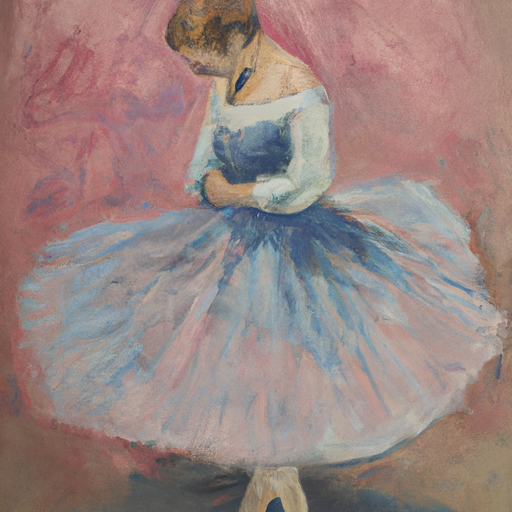
Example of visual style of Degas

Degas

Degas, an influential French artist, is known for his Impressionist paintings and sculptures that depicted everyday life scenes in late 19th-century Paris. He gained fame in the 1870s as a member of the Impressionist movement and continued to refine his style in the following decades. Degas is renowned for his use of color, light, and composition to capture the transient moments and the beauty of modernity. His works often explored dance and ballet, focusing on the movements and emotions of the dancers. Degas' style combined realism with a sense of abstraction, providing a unique perspective on the modern world.

View StyleExplore Style
Example of visual style of Dutch Genre Painting

Dutch Genre Painting

Dutch Genre Painting, also known as Dutch Golden Age painting, emerged in the 17th century in the Netherlands. Characterized by realistic depictions of everyday life, it gained popularity during the Dutch Golden Age. The style flourished from approximately 1600 to 1700 and captured scenes from domestic life, landscapes, still lifes, and portraits. Dutch Genre Painting became famous for its attention to detail, lighting effects, and the ability to capture the essence of daily activities.

View StyleExplore Style
Example of visual style of Dutch Golden Age Painting

Dutch Golden Age Painting

Dutch Golden Age Painting flourished during the 17th century in the Dutch Republic, particularly in cities such as Amsterdam, Haarlem, and Delft. This period is renowned for its realism, detailed observation of everyday life, and mastery of light and shadows. Dutch Golden Age painters were often associated with guilds and produced a wide range of subjects, including portraits, landscapes, still lifes, genre scenes, and historical and biblical themes. The style became famous for its meticulous attention to detail, atmospheric perspective, and use of vibrant colors.

View StyleExplore Style
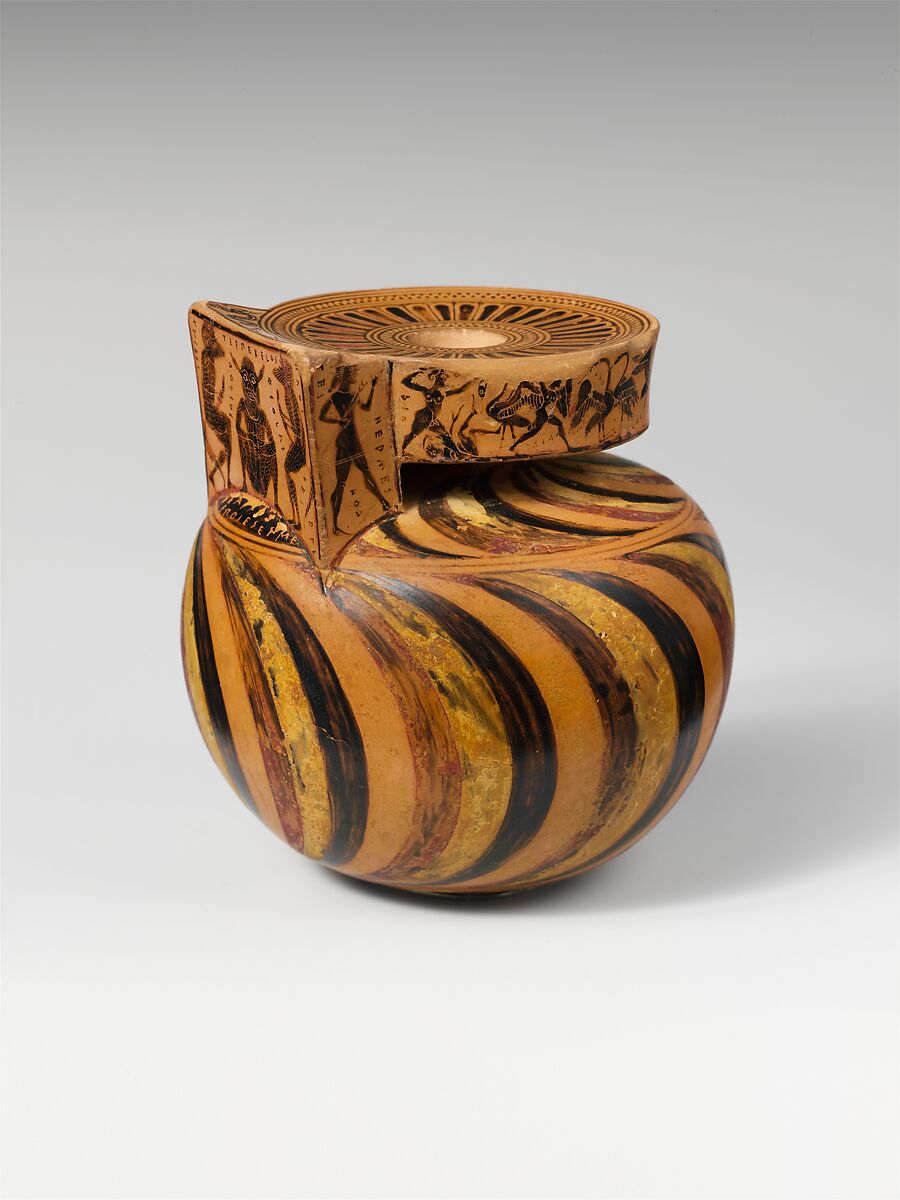
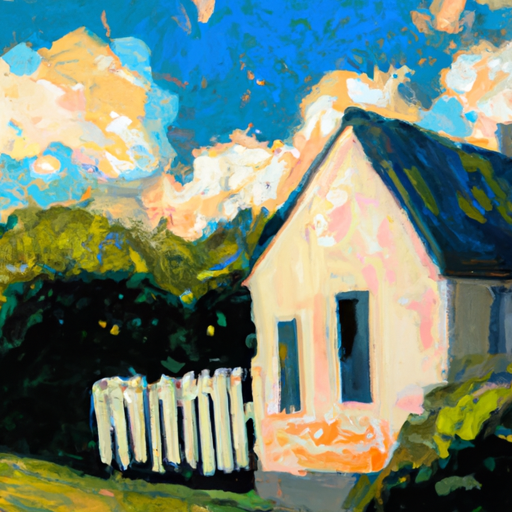
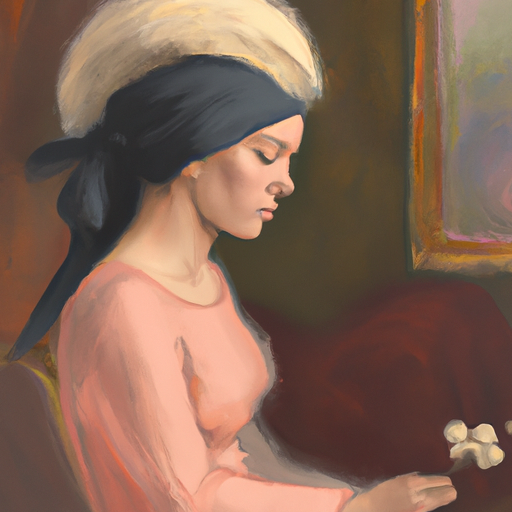
Example of visual style of Edouard Vuillard Domestic Space

Edouard Vuillard Domestic Space

Edouard Vuillard Domestic Space is a visual style that emerged in the late 19th and early 20th centuries. It is characterized by its intimate and detailed portrayal of domestic interiors, often focusing on the everyday lives of bourgeois families and their surroundings. Vuillard's paintings gained popularity for their use of rich colors, intricate patterns, and the artist's unique ability to capture the atmosphere and mood of domestic settings.

View StyleExplore Style
Example of visual style of Eisen

Eisen

Eisen is a visual style that emerged during the 18th century in France. It is named after the French painter and engraver Charles Eisen. The style became famous for its delicate and ornate illustrations and engravings. Eisen's works often depicted scenes from literature, fashion, and everyday life. The style reached its peak popularity during the Rococo period, around the years 1730 to 1760. Eisen's intricate designs and attention to detail made him a prominent figure in the art world of that time.

View StyleExplore Style
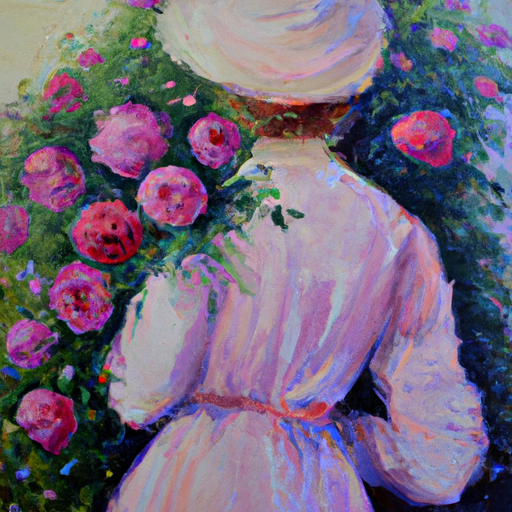
Example of visual style of Felix Vallotton

Felix Vallotton

Felix Vallotton was a Swiss-French painter and printmaker who was active during the late 19th and early 20th centuries. He is known for his distinctive visual style characterized by sharp lines, bold colors, and simplified forms. Vallotton became famous for his woodcuts, which he used to depict scenes of everyday life, portraits, and landscapes. His work is known for its strong compositions, emotional intensity, and a sense of mystery. Vallotton's style was deeply influential, bridging the gap between the traditional academic art of the 19th century and the emerging modernist movements of the early 20th century.

View StyleExplore Style
Example of visual style of Genre Painting

Genre Painting

Genre painting is a style that emerged in the 17th century and reached its peak in the 18th century. It depicts scenes from everyday life, portraying ordinary people engaged in familiar activities. This style became famous for its attention to detail and its ability to capture the mundane and ordinary aspects of human existence. Genre painting often showcased domestic settings, rural landscapes, and popular pastimes, offering a glimpse into the lives of the middle class. It provided a departure from traditional religious and historical themes, bringing a sense of realism and relatability to art.

View StyleExplore Style
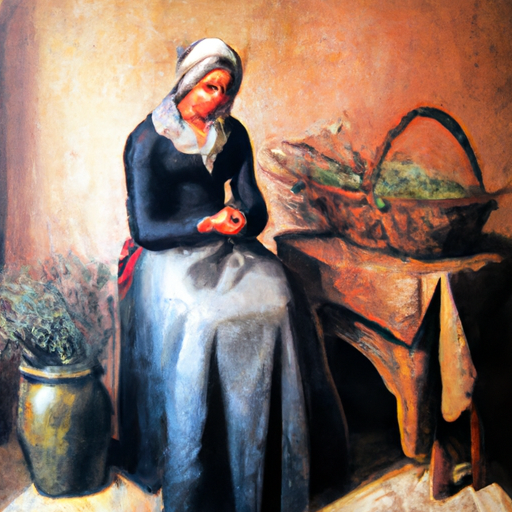
Example of visual style of Gustave Courbet

Gustave Courbet

Gustave Courbet was a French painter known for his realistic depictions of everyday life and his rejection of academic traditions. He was an influential figure in the mid-19th century and is considered one of the pioneers of the Realist art movement. Courbet's paintings often portrayed ordinary working-class people, landscapes, and still life subjects with meticulous attention to detail and a sense of honesty. His works challenged the prevailing notions of idealized beauty and set the stage for the emergence of modern art.

View StyleExplore Style
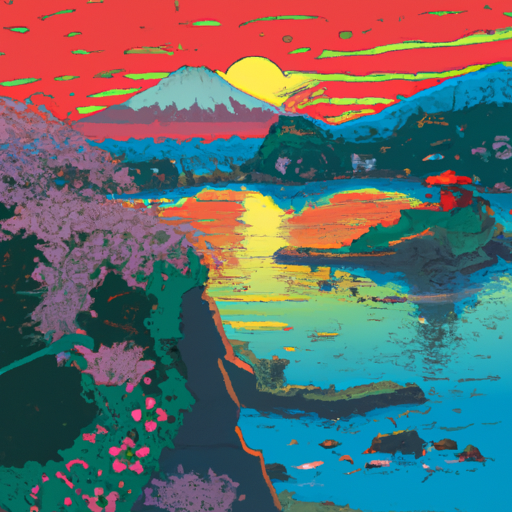
Example of visual style of Hiroshige

Hiroshige

Hiroshige is a Japanese ukiyo-e artist who became famous for his landscape prints during the Edo period (1603-1868). He is best known for his series 'Fifty-three Stations of the Tōkaidō' and 'One Hundred Famous Views of Edo'. Hiroshige's visual style captures the beauty of nature, seasons, and atmospheric conditions with his use of vibrant colors, delicate lines, and meticulous details. His prints often depict scenes of famous landmarks, serene landscapes, and everyday life. Through his unique compositions and skillful use of perspective, Hiroshige's works have had a profound influence on both Japanese and Western art.

View StyleExplore Style
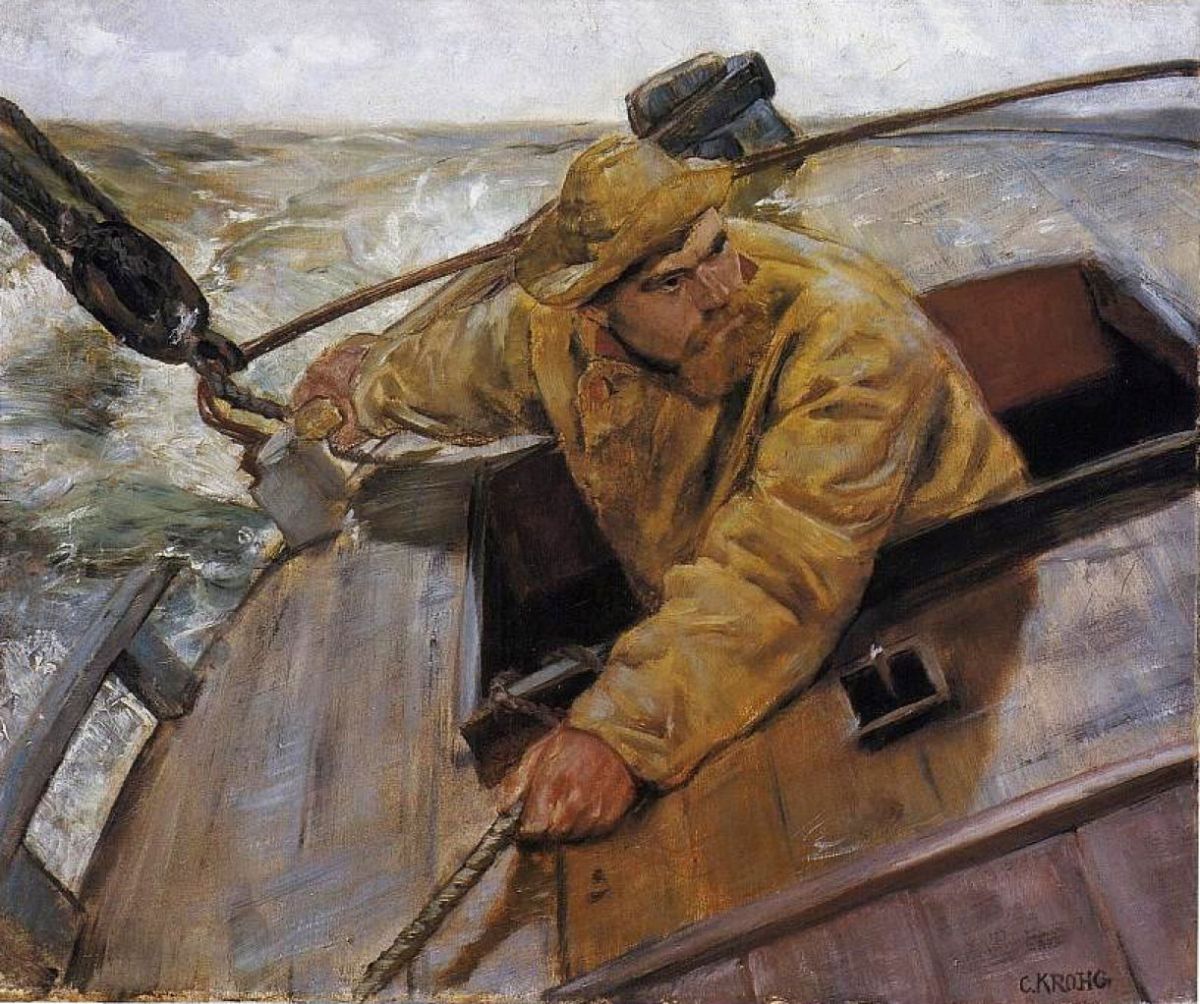
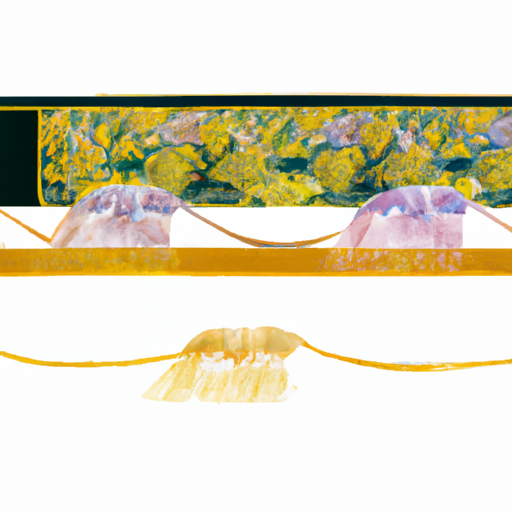
Example of visual style of Hokusai

Hokusai

Hokusai is a Japanese visual style that emerged during the Edo period in the early 19th century. It is primarily known for the woodblock prints created by the artist Katsushika Hokusai. With its vivid colors, intricate details, and delicate lines, Hokusai's work portrayed landscapes, nature, and everyday life scenes. One of his most famous works is 'The Great Wave off Kanagawa' from the series 'Thirty-Six Views of Mount Fuji'. This style gained international recognition, influencing both Western and Japanese art.

View StyleExplore Style

Example of visual style of Hokusai Katsushika

Hokusai Katsushika

Hokusai Katsushika is a Japanese ukiyo-e artist who lived from 1760 to 1849. His unique and influential art style became famous during the Edo period in Japan. Hokusai's most famous work is the series of woodblock prints titled 'Thirty-Six Views of Mount Fuji', which includes the iconic print 'The Great Wave off Kanagawa'. Hokusai's style is characterized by vivid colors, bold lines, and intricate details, capturing the beauty of nature and everyday life in Japan.

View StyleExplore Style
Example of visual style of Italian Neorealist Cinema

Italian Neorealist Cinema

Italian Neorealist Cinema was a film movement that emerged in Italy in the aftermath of World War II, between the late 1940s and early 1950s. It is characterized by its realistic and gritty portrayal of everyday life, often focusing on the working class and the struggles they face. Neorealist films were renowned for their use of non-professional actors, on-location shooting, and a documentary-style approach, which aimed to capture the harsh realities of post-war Italy. Notable films of this movement include 'Bicycle Thieves' (1948) directed by Vittorio De Sica and 'Rome, Open City' (1945) directed by Roberto Rossellini.

View StyleExplore Style
Example of visual style of Jan Vermeer

Jan Vermeer

Jan Vermeer is a Dutch painter known for his masterful use of light and color in his domestic scenes. He painted during the 17th century, particularly in the years 1656-1675. Vermeer's works are characterized by their meticulous attention to detail, soft lighting, and intimate portrayals of everyday life. His famous works include 'Girl with a Pearl Earring' and 'The Milkmaid'. Vermeer is highly regarded for his ability to capture the subtleties of light and create a sense of tranquility and serenity in his paintings.

View StyleExplore Style
Example of visual style of Katsushika

Katsushika

Katsushika is a visual style that emerged in Edo (Tokyo), Japan during the Edo period (1603-1868). It is famous for its ukiyo-e woodblock prints, which became popular in the 17th century. These prints depicted scenes from everyday life, including landscapes, courtesans, actors, and historical events. Katsushika artists, such as Hokusai and Hiroshige, played a significant role in popularizing this style, especially their series of prints such as 'Thirty-Six Views of Mount Fuji' and 'One Hundred Famous Views of Edo.' The intricate detail, vibrant colors, and stylized compositions of Katsushika prints made them highly sought-after and influential in both Japan and Western art.

View StyleExplore Style
Home