StylopediaStylopedia

Ethereal styles on Stylopedia

A visual encyclopedia of ethereal styles – use as prompt inspiration for Midjourney, Gemini, or ChatGPT AI when making ethereal images

Example of visual style of Audrey Kawasaki

Audrey Kawasaki

Audrey Kawasaki is a contemporary artist known for her distinctive and alluring visual style. Her work combines elements of Japanese manga, Art Nouveau, and traditional woodblock printing. Kawasaki's images typically feature ethereal female figures with pale skin, long flowing hair, and expressive eyes. Her art is characterized by a delicate blend of organic and geometric shapes, often surrounded by intricate patterns and intricate linework. Kawasaki started gaining recognition in the early 2000s through her online presence and participation in group exhibitions. Her work quickly became popular due to its sensual and enigmatic nature, which captivated audiences worldwide.

View StyleExplore Style
Example of visual style of Ayami Kojima

Ayami Kojima

Ayami Kojima is a Japanese illustrator known for her gothic and ethereal visual style. Her distinct art style became famous through her work on the Castlevania series, particularly on Castlevania: Symphony of the Night released in 1997. Kojima's art is characterized by its dark, romantic and highly detailed nature, often featuring intricate clothing, elaborate backgrounds, and beautiful characters with long flowing hair. Her artwork creates a sense of mystery and melancholy, drawing inspiration from European Gothic art and literature.

View StyleExplore Style
Example of visual style of Botticelli

Botticelli

Botticelli is a visual style associated with the Italian Renaissance painter Sandro Botticelli. It flourished during the 15th century in Florence, Italy. Botticelli's art is characterized by delicate and graceful figures, ethereal beauty, flowing drapery, and idealized landscapes. His most famous works, such as 'The Birth of Venus' and 'Primavera,' showcase his meticulous attention to detail and vibrant use of colors, capturing the essence of Renaissance humanism and mythology.

View StyleExplore Style
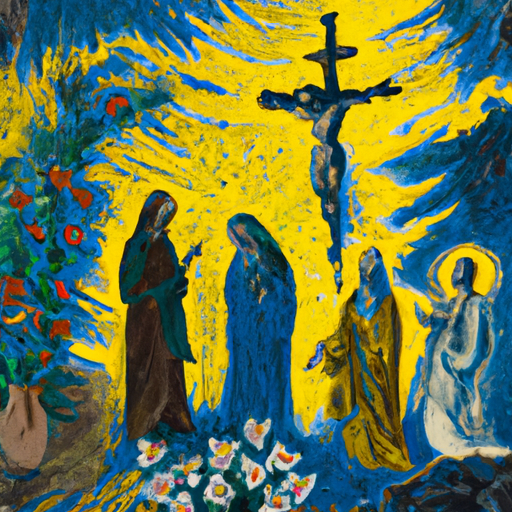
Example of visual style of Christian Mysticism

Christian Mysticism

Christian Mysticism is an artistic style characterized by ethereal and dreamlike representations of religious subjects. It emerged during the late Middle Ages and reached its peak in the Renaissance period. Christian Mysticism became famous for its use of soft, diffused lighting, delicate brushwork, and an emphasis on symbolism and spiritual themes. This style explored the mystical aspects of Christianity and aimed to evoke a sense of transcendence and communion with the divine.

View StyleExplore Style
Example of visual style of Doug Wheeler

Doug Wheeler

Doug Wheeler is an American interactive installation artist known for his use of light and space. He rose to prominence in the 1960s and 1970s as part of the Light and Space movement in Southern California. Wheeler's installations create immersive environments that manipulate perception and challenge traditional notions of space. His work often involves the use of fluorescent lights, translucent materials, and carefully controlled lighting to create ethereal and otherworldly experiences.

View StyleExplore Style
Example of visual style of Fernand Khnopff

Fernand Khnopff

Fernand Khnopff was a Belgian symbolist painter and one of the most prominent artists of the late 19th and early 20th centuries. His visual style is characterized by its dreamlike and mysterious quality, often featuring solitary figures in ethereal and symbol-rich landscapes. Khnopff's works were known for their meticulous attention to detail and the use of subdued and somber color palettes. He gained fame for his introspective and psychologically charged paintings, which often explored themes of alienation, death, and the duality of existence. Khnopff's art became famous for its unique blend of realism and symbolism, creating a haunting and otherworldly atmosphere.

View StyleExplore Style
Example of visual style of Francesca Woodman

Francesca Woodman

Francesca Woodman was an American photographer known for her black and white self-portraits. Her works were produced in the late 1970s and early 1980s. Woodman's style is characterized by surreal and haunting compositions, often exploring themes of identity, femininity, and the body. Her photographs blend elements of performance and vulnerability, capturing herself in ethereal and ghostly settings. Woodman's work gained recognition posthumously and has influenced subsequent generations of photographers.

View StyleExplore Style
Example of visual style of Heian Period

Heian Period

Heian Period, from 794 to 1185, was a distinctive visual style in Japanese art and culture known for its elegance and refinement. It was a time of peace and prosperity, allowing for the flourishing of art, literature, and architecture. This period is particularly famous for its courtly aesthetics, characterized by graceful, delicate depictions and a love for beauty. The art of this era often featured aristocratic themes, including scenes from court life, exquisite landscapes, and refined portraits of nobles. The meticulous attention to detail and the emphasis on the spiritual and ethereal qualities of the subjects were central to the Heian Period style.

View StyleExplore Style
Example of visual style of Helen Pashgian

Helen Pashgian

Helen Pashgian is known for her luminescent and ethereal sculptures that epitomize the Light and Space movement of the 1960s. Using materials like cast acrylic and resin, Pashgian creates objects that capture and manipulate light, resulting in an otherworldly and immersive experience for the viewers. Her work gained recognition in the art world for its innovative use of materials and its exploration of light as a transformative element. Pashgian's style became famous in the 1960s and continues to be influential in contemporary art.

View StyleExplore Style
Example of visual style of Hiroshi Sugimoto

Hiroshi Sugimoto

Hiroshi Sugimoto is a contemporary Japanese photographer known for his minimalist and conceptual approach to black and white photography. He gained fame in the 1970s with his series 'Seascapes' and 'Theaters', which explore the concepts of time, memory, and perception. Sugimoto's meticulous compositions and long exposure times create ethereal and timeless images. His work is characterized by its precise framing, high contrast, and exquisite use of light and shadow.

View StyleExplore Style
Example of visual style of John William Waterhouse

John William Waterhouse

John William Waterhouse was an English painter known for his depictions of classical mythology, historical events, and literary themes. His style, popular in the late 19th and early 20th centuries, is characterized by its romantic and idealized interpretations of subjects. Waterhouse's use of vibrant colors, meticulous attention to detail, and ethereal compositions made his paintings famous. His work often showcased graceful figures, flowing drapery, and lush landscapes.

View StyleExplore Style
Example of visual style of Kay Nielsen

Kay Nielsen

Kay Nielsen was a Danish illustrator who gained fame for his intricate and enchanting art style in the early 20th century. His work became particularly renowned during the Golden Age of Illustration, a period from the late 19th century to the early 20th century, characterized by the proliferation of illustrated books. Nielsen's illustrations were known for their ethereal and otherworldly quality, often featuring fantastical creatures, elaborate costumes, and intricate details that captured the imagination of readers. His work was heavily influenced by Art Nouveau, with flowing lines, sinuous curves, and intricate patterns. Nielsen's art became famous for its ability to transport viewers into a world of magic and wonder.

View StyleExplore Style
Example of visual style of Light And Space Movement

Light And Space Movement

The Light and Space Movement emerged in the 1960s in Southern California. This style emphasizes the perception of light and space as artistic mediums, exploring their physical and psychological effects. Artists working within this movement sought to create immersive and ethereal environments through the use of reflective materials, translucent surfaces, and innovative light installations. Notable years for the movement include the 1960s and 1970s. The Light and Space Movement gained fame for its unique ability to heighten sensory experiences, blur boundaries between art and environment, and evoke a sense of serenity and spirituality.

View StyleExplore Style
Example of visual style of Lu Cong

Lu Cong

Lu Cong is a contemporary portrait artist known for his highly detailed and intimate oil paintings. His visual style is characterized by realistic yet dreamlike renderings of his subjects, capturing their expressions and emotions in a hauntingly beautiful manner. Lu Cong gained recognition in the early 2000s for his ability to evoke a sense of vulnerability and introspection in his portraits, often focusing on the eyes and facial features. His use of soft, muted colors and delicate brushstrokes adds a sense of ethereality and depth to his work. Lu Cong's unique style has garnered him a dedicated following and he has exhibited his paintings in galleries across the world.

View StyleExplore Style
Example of visual style of Makoto Shinkai

Makoto Shinkai

Makoto Shinkai is a Japanese anime filmmaker known for his distinct visual style that combines breathtakingly detailed and realistic backgrounds with emotional storytelling. He gained fame with his 2002 anime short film 'Voices of a Distant Star', which he independently created using his personal computer. Shinkai's works often revolve around themes of love, distance, and the beauty of everyday life. His use of vibrant colors, intricate landscapes, and atmospheric lighting creates a dreamlike and ethereal atmosphere in his films.

View StyleExplore Style
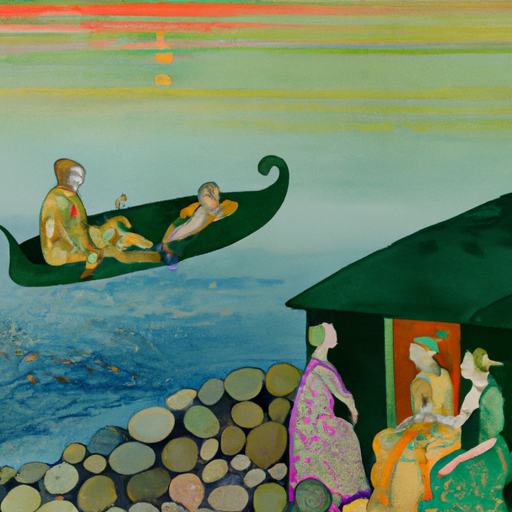
Example of visual style of Maxfield Parrish

Maxfield Parrish

Maxfield Parrish was an American artist known for his ethereal and enchanted style. He gained popularity during the early 20th century and his work became synonymous with the Golden Age of Illustration. Parrish's signature style featured rich and vibrant colors, meticulous attention to detail, and dreamlike landscapes. His use of light and otherworldly effects created a sense of fantasy and escapism in his paintings, making them instantly recognizable and celebrated.

View StyleExplore Style
Example of visual style of Naoko Takeuchi

Naoko Takeuchi

Naoko Takeuchi is known for her distinct visual style, which emerged in the 1990s and became famous through her iconic manga series Sailor Moon. Her style is characterized by its delicate and detailed linework, expressive and large sparkling eyes, and beautiful, flowing hairstyles. Takeuchi's usage of intricate patterns, romantic and ethereal themes, and dynamic action sequences also contribute to her unique style. Her work introduced a new sensibility to the magical girl genre of manga and influenced a generation of artists.

View StyleExplore Style
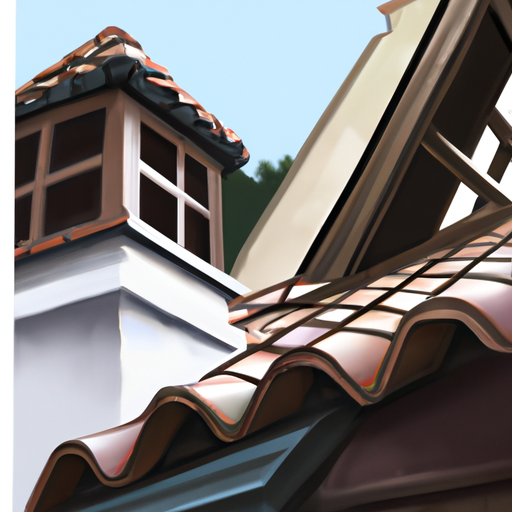
Example of visual style of Phantasmal Iridescent

Phantasmal Iridescent

Phantasmal Iridescent is a mesmerizing visual style that emerged in the late 2010s and gained popularity in the early 2020s. It is characterized by its vibrant and shifting color palette, creating an illusion of constantly changing and shimmering hues. This style became famous for its dreamlike and ethereal quality, evoking a sense of otherworldliness. It often incorporates iridescent, holographic, and opalescent effects, using light and reflections to create a sense of depth and dimension. Phantasmal Iridescent pushes the boundaries of reality, transporting viewers into a fantastical realm of enchantment and enchantment.

View StyleExplore Style
Example of visual style of Pierre Puvis De Chavannes

Pierre Puvis De Chavannes

Pierre Puvis de Chavannes was a French painter known for his unique and influential visual style that bridged the gap between traditional academic art and the emerging Symbolist movement. Active during the mid to late 19th century, his style became famous for its ethereal atmosphere, dreamlike quality, and monumental compositions. Puvis de Chavannes incorporated elements of classical mythology, allegorical figures, and simplified forms to convey his poetic and philosophical ideas. His emphasis on flat and muted colors, along with a preference for symbolic storytelling, made his works distinct and influential in the art world of his time.

View StyleExplore Style
Home