StylopediaStylopedia

Entertainment styles on Stylopedia

A visual encyclopedia of entertainment styles – use as prompt inspiration for Midjourney, Gemini, or ChatGPT AI when making entertainment images

Example of visual style of Josephine Baker

Josephine Baker

Josephine Baker is a visual style that emerged in the 1920s and 1930s. This style is associated with the iconic and revolutionary performer, Josephine Baker, who was known for her daring and glamorous stage presence. The visual style is characterized by flamboyant and exotic elements inspired by Baker's African roots and her experiences in the Parisian entertainment scene. Josephine Baker's provocative dance moves and costumes, such as her famous banana skirt and feathered headpieces, captivated audiences and influenced fashion and art of the time.

View StyleExplore Style
Example of visual style of Muppets

Muppets

The Muppets visual style is characterized by a unique combination of puppetry, animation, and comedy. Created by Jim Henson, this style gained popularity in the late 1960s and has continued to captivate audiences to this day. The Muppets are known for their colorful and diverse cast of characters, including Kermit the Frog, Miss Piggy, and Fozzie Bear. With its witty humor, lively performances, and clever storytelling, the Muppets style has become an icon of entertainment.

View StyleExplore Style
Example of visual style of People Magazine

People Magazine

People Magazine is a popular weekly celebrity and human-interest magazine. It was first published in 1974 and rose to fame for its extensive coverage of celebrity news, gossip, and notable events. The magazine became famous for its exclusive interviews, glamorous photo shoots, and its ability to capture the public's fascination with the personal lives of celebrities. With its bold and eye-catching covers, the magazine has become an icon of the entertainment industry.

View StyleExplore Style
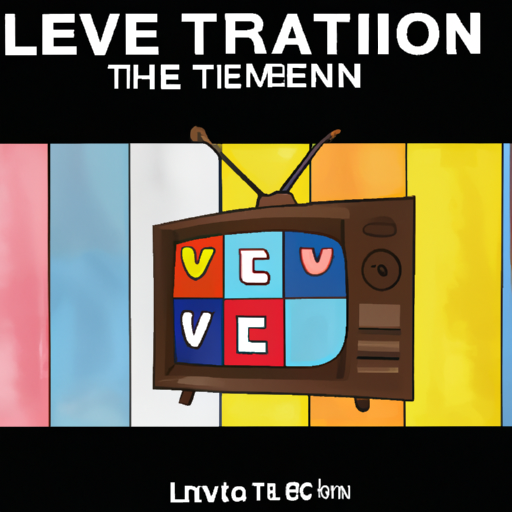
Example of visual style of Television

Television

Television is a visual style that became prominent in the mid-20th century and continues to be prevalent in modern times. It is characterized by the use of moving images displayed on a screen, creating a dynamic and interactive visual experience. The invention of television in the 1920s laid the foundation for this style's popularity. The addition of color broadcasting in the 1950s further enhanced its visual appeal. Television has become famous for its ability to bring live events, news, entertainment, and various forms of storytelling directly into people's homes.

View StyleExplore Style
Home