StylopediaStylopedia

Energetic styles on Stylopedia

A visual encyclopedia of energetic styles – use as prompt inspiration for Midjourney, Gemini, or ChatGPT AI when making energetic images

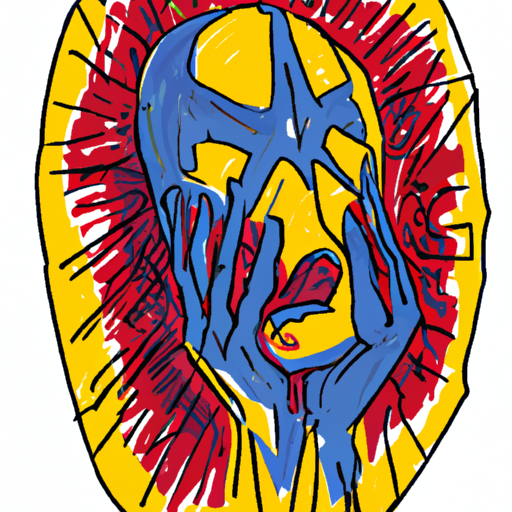
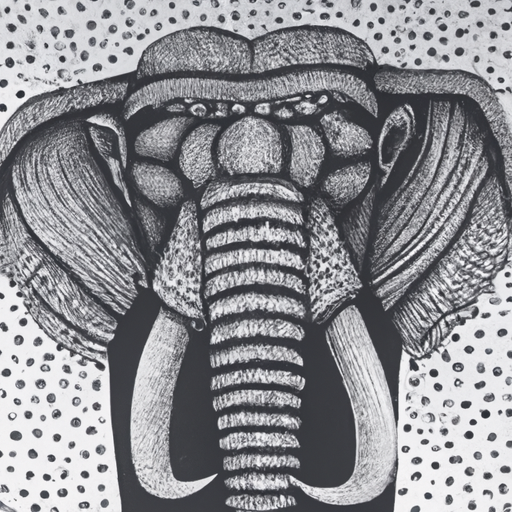
Example of visual style of Barbarian Art

Barbarian Art

Barbarian Art is a style originating from the early medieval period, specifically from the 5th to the 9th century AD. This unique art form gained prominence in various European regions, notably in Celtic, Germanic, and Viking cultures. It is characterized by intricate and bold designs, typically featuring mythological creatures, warriors, and scenes of battle. The use of vibrant colors, intricate patterns, and energetic compositions are the defining features of Barbarian Art, which captured the spirit of the wild and untamed cultures of that time.

View StyleExplore Style
Example of visual style of Bob Camp

Bob Camp

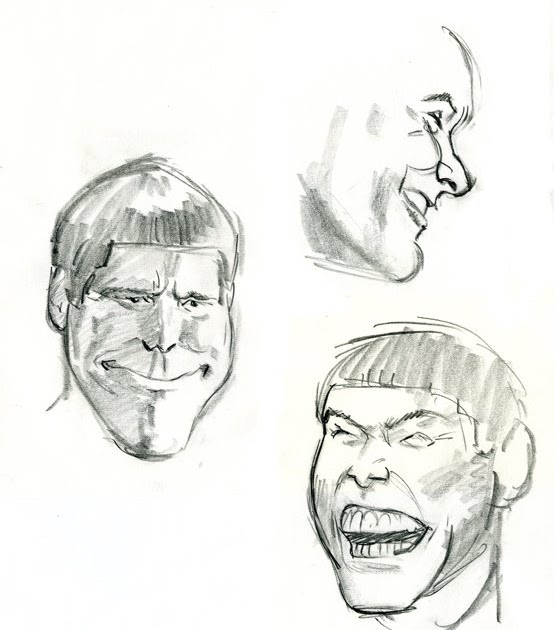
Bob Camp is a visual artist known for his unique and distinct style in animation and comics. He gained fame in the 1990s with his work on the popular animated television series 'The Ren & Stimpy Show'. Camp's style is characterized by exaggerated and cartoony characters, bold and vibrant colors, and a quirky and surreal sense of humor. His work often features highly detailed and zany backgrounds, as well as expressive and energetic character designs. Bob Camp's style revolutionized the world of animation and is considered a hallmark of the 90s animation era.

View StyleExplore Style
Example of visual style of Brad Bird

Brad Bird

Brad Bird is a renowned artist known for his distinct style in animation. His visual style is characterized by its dynamic and energetic movements, detailed backgrounds, and a combination of realistic and exaggerated character designs. Bird rose to prominence in the late 1990s and early 2000s with his work on the animated films 'The Iron Giant' (1999) and 'The Incredibles' (2004). The artistic choices and storytelling in these films, as well as their critical and commercial success, have made Brad Bird's style famous in the animation industry.

View StyleExplore Style

Example of visual style of Chungking Express

Chungking Express

Chungking Express is a visually vibrant and stylish film directed by Wong Kar-wai. Released in 1994, it became famous for its distinctive visual style and innovative storytelling techniques. The film explores themes of love, loneliness, and urban isolation through two intersecting storylines set in the bustling streets of Hong Kong. Wong Kar-wai's unique use of color, lighting, and camera movements creates a dreamlike atmosphere, immersing the audience in the characters' emotional journeys. The film's fragmented narrative and fast-paced editing contribute to its energetic and captivating aesthetic.

View StyleExplore Style
Example of visual style of Daffy Duck

Daffy Duck

Daffy Duck is a visual style associated with the Looney Tunes character of the same name. It emerged in the late 1930s and became particularly famous during the 1940s and 1950s. This style is characterized by Daffy Duck's exaggerated and zany appearance, featuring a white feathered body, orange beak, and wide eyes. Daffy Duck's energetic and frenetic personality, known for his loud and erratic behavior, brought this visual style to life and made it iconic in the world of animation.

View StyleExplore Style

Example of visual style of Dean Cornwell

Dean Cornwell

Dean Cornwell was an American illustrator known for his dynamic and highly detailed images. Active during the early to mid-20th century, Cornwell's work became famous for its rich color palette and meticulous attention to detail. His illustrations often depicted scenes of historical events, classical mythology, and popular fiction. Cornwell's style gained recognition for its ability to capture the energy and grandeur of the subjects he portrayed, making his works stand out in the world of American illustration.

View StyleExplore Style
Example of visual style of Dragon Ball GT

Dragon Ball GT

Dragon Ball GT is an anime series that aired from 1996 to 1997. It is the sequel to the immensely popular Dragon Ball and Dragon Ball Z series. This visual style became famous for its vibrant and energetic artwork, with exaggerated and stylized character designs. It introduced new transformations and power levels for the characters, as well as a new adventure in space. The series has a more lighthearted tone compared to its predecessors and showcases a colorful and futuristic art style.

View StyleExplore Style
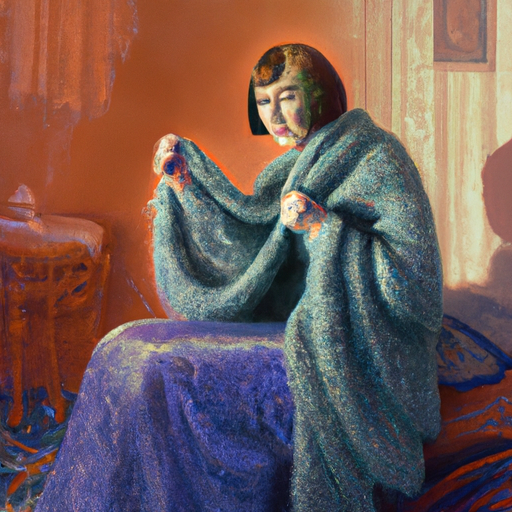
Example of visual style of Everett Shinn

Everett Shinn

Everett Shinn was an American artist known for his depictions of urban life in the early 20th century. Active during the Ashcan School movement, Shinn's visual style captured the energy and vibrancy of city streets, theaters, and cafes. His work often portrayed bustling crowds, illuminated by the glow of electric lights. Shinn's famous illustrations for the New York Press brought him recognition, and he also contributed to The Masses, a prominent political and cultural magazine of the time.

View StyleExplore Style
Example of visual style of George Bellows

George Bellows

George Bellows was an American painter known for his energetic and realistic portrayals of urban life, particularly in New York City. Active during the early 20th century, Bellows is associated with the Ashcan School - a group of artists who rejected the idealized visions of the Gilded Age and instead sought to depict the gritty reality of everyday urban existence. Bellows became famous for his dynamic, often controversial, depictions of boxing matches, cityscapes, and working-class individuals. His bold brushwork, use of vibrant colors, and ability to capture movement in his subjects set him apart from his contemporaries.

View StyleExplore Style
Example of visual style of Giacomo Balla

Giacomo Balla

Giacomo Balla, an Italian Futurist painter, was known for his vibrant and dynamic style in the early 20th century. His work in the years 1909-1914 played a pivotal role in the development of Futurism, an art movement focused on capturing the energy and speed of modern life. Balla's famous works, such as 'Dynamism of a Dog on a Leash' (1912), showcased his innovative use of fragmented lines and repeated patterns to depict movement and motion. His art became famous for its ability to convey a sense of dynamism and speed, fulfilling the Futurist ideal of capturing the essence of modernity.

View StyleExplore Style
Example of visual style of Gil Kane

Gil Kane

Gil Kane was a comic book artist known for his dynamic and energetic style. He gained prominence in the 1960s and 1970s, particularly for his work on iconic characters like Green Lantern and Spider-Man. Kane's signature style featured bold, fluid lines, exaggerated proportions, and powerful poses, which created a sense of motion and excitement. His mastery of anatomy and expressive facial features brought his characters to life. Kane's dynamic storytelling and innovative panel layouts also contributed to his fame.

View StyleExplore Style
Example of visual style of Hideki Naganuma

Hideki Naganuma

Hideki Naganuma is a Japanese graphic designer and music composer known for his unique and vibrant visual style that emerged in the late 1990s and became famous during the early 2000s. Naganuma's style is characterized by its bold and colorful designs, influenced by urban and graffiti art, as well as video game and pop culture references. His work often features a fusion of retro and futuristic elements, with a strong emphasis on energetic and dynamic compositions. Naganuma gained prominence for his collaborations with Sega, where he contributed his distinctive visual style to video games like Jet Set Radio and the Sonic Rush series.

View StyleExplore Style
Example of visual style of Hiroyuki Imaishi

Hiroyuki Imaishi

Hiroyuki Imaishi is a Japanese animator known for his dynamic and explosive visual style. He gained recognition in the late 1990s and early 2000s through his work with the animation studio Gainax. His style is characterized by exaggerated, over-the-top action sequences, bold and vibrant colors, and highly stylized character designs. Imaishi's animation often features fast-paced and fluid movements, with a strong emphasis on energy and impact. His works, such as 'Gurren Lagann' and 'Kill la Kill', have gained a cult following and have come to represent a new wave of visually stunning and exciting anime.

View StyleExplore Style
Example of visual style of Iggy Pop

Iggy Pop

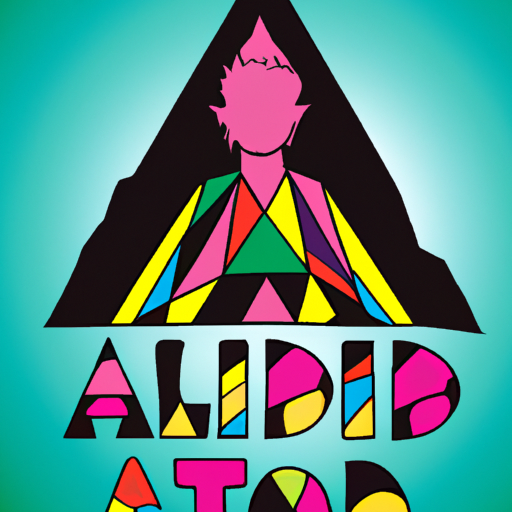
The visual style of Iggy Pop emerged in the late 1960s and gained prominence in the 1970s. It is characterized by a raw, energetic, and provocative aesthetic. Iggy Pop, born James Newell Osterberg, is renowned for his influential contributions to punk rock and his intense and uninhibited stage performances. His style is known for its non-conformity, rebellion, and a sense of danger, which resonated with the counterculture and youth of the time. Iggy Pop's visual style embraced elements such as tight leather pants, bare chest, and wild hair, embodying a rock 'n' roll spirit that continues to inspire musicians and fans to this day.

View StyleExplore Style
Example of visual style of Italian Futurism

Italian Futurism

Italian Futurism was an avant-garde movement in the early 20th century that emerged in Italy. It celebrated modernity, speed, technology, and the future. It was founded in 1909 by Filippo Tommaso Marinetti. Italian Futurism gained fame for its energetic and dynamic compositions, depicting movement, machinery, and the energy of modern life. It was characterized by bold colors, fragmented forms, and a sense of speed and motion. The movement was highly influential and had a significant impact on the development of modern art.

View StyleExplore Style

Example of visual style of Jack Kirby

Jack Kirby

Jack Kirby was a comic book artist whose style became iconic in the mid-20th century. He is best known for co-creating many of the Marvel Comics characters and for his dynamic, larger-than-life illustrations. Kirby's work in the 1960s, often referred to as the 'Marvel style', revolutionized the comic book industry with its bold and energetic visuals, intricate detail, and exaggerated anatomy. His use of dynamic angles, powerful compositions, and explosive action made his work instantly recognizable and influential.

View StyleExplore Style

Example of visual style of Jet Set Radio

Jet Set Radio

Jet Set Radio is a vibrant and energetic visual style that emerged in the late 1990s and early 2000s. It gained popularity through the video game of the same name released in 2000, developed by Smilebit (a subsidiary of Sega). The style is known for its distinctive cel-shaded graphics, combining graffiti-inspired street art, urban landscapes, and a futuristic setting. With its unique mix of hip-hop, punk, and electronic music, Jet Set Radio became famous for its rebellious and edgy atmosphere.

View StyleExplore Style
Example of visual style of Junglist

Junglist

Junglist is a visual style that emerged in the late 1990s in the underground music scene, particularly associated with the jungle and drum and bass genres. It is characterized by its vibrant and energetic aesthetic, influenced by rave culture and graffiti art. This style became famous for its bold use of bright colors, futuristic designs, and chaotic patterns. Junglist visuals often featured elements like urban landscapes, psychedelia, and nature motifs. It reached its peak of popularity in the early 2000s.

View StyleExplore Style

Home