StylopediaStylopedia

Enchanting styles on Stylopedia

A visual encyclopedia of enchanting styles – use as prompt inspiration for Midjourney, Gemini, or ChatGPT AI when making enchanting images

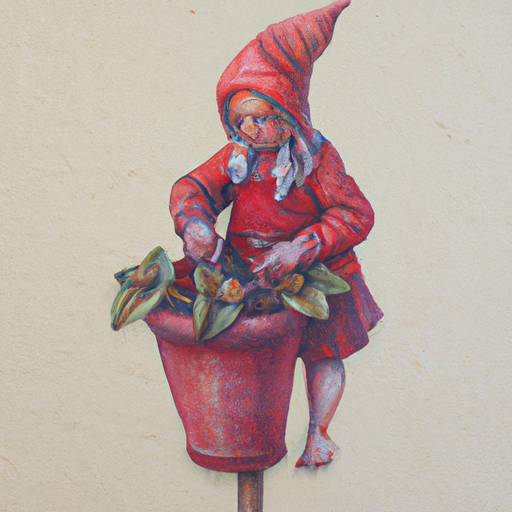
Example of visual style of Cardcaptor Sakura

Cardcaptor Sakura

Cardcaptor Sakura is a visually vibrant and whimsical style that was popularized through the manga and anime series of the same name, created by Clamp. Originally serialized in 1996, Cardcaptor Sakura gained immense popularity for its distinctive and enchanting art style. The series revolves around Sakura Kinomoto, a young girl who becomes a magical girl and must capture magical Clow Cards. The style is characterized by its cute and expressive characters, intricate and detailed backgrounds, and the use of vibrant colors. It seamlessly combines elements of fantasy, romance, and adventure, creating a visually stunning and immersive world.

View StyleExplore Style

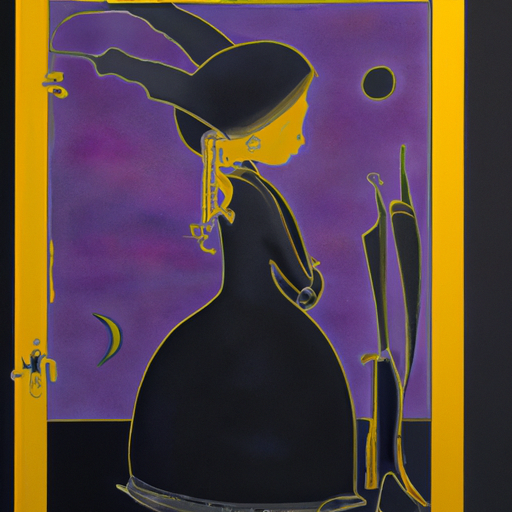
Example of visual style of Creature Performances

Creature Performances

Creature Performances is a visual style that emerged in the late 20th century and is characterized by the use of live actors or performers dressed as fantastical creatures or creatures from mythology. This style became famous in the 1980s and 1990s through movies such as 'Labyrinth' (1986) and 'The Dark Crystal' (1982), which utilized puppetry and animatronics to create lifelike creatures. The combination of imaginative creature designs and the use of skilled performers brought these fantastical beings to life on the screen, captivating audiences with their believability and enchanting performances.

View StyleExplore Style
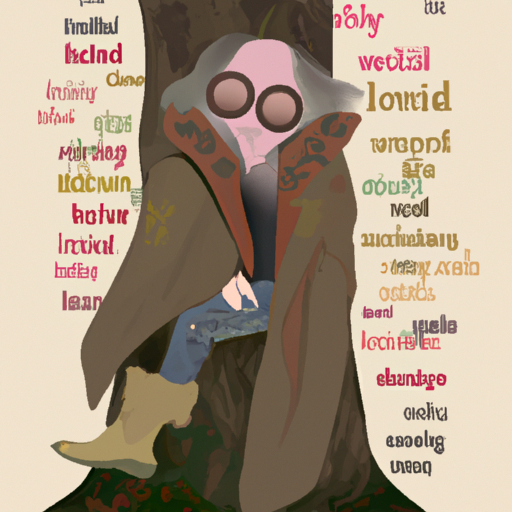
Example of visual style of Disney Animations

Disney Animations

Disney Animations is a renowned style of animated films and cartoons that emerged in the early 20th century and is still prevalent today. It became famous for its innovative techniques and charming storytelling. Disney Animations gained prominence in 1928 with the release of 'Steamboat Willie', the first synchronized sound cartoon featuring the iconic character, Mickey Mouse. Over the years, Disney has continued to produce memorable classics such as 'Snow White and the Seven Dwarfs' (1937), 'The Lion King' (1994), and 'Frozen' (2013). The style encompasses vibrant and colorful visuals, fluid character movements, expressive facial features, and attention to detail in both characters and backgrounds. It is characterized by its ability to captivate audiences of all ages with its magical and enchanting narratives.

View StyleExplore Style
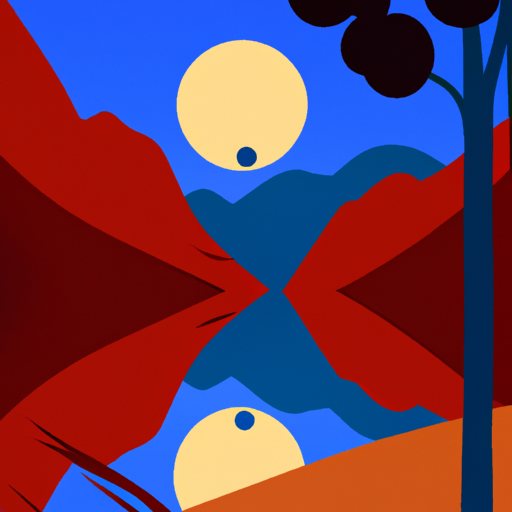
Example of visual style of Eyvind Earle

Eyvind Earle

Eyvind Earle is known for his distinctive and enchanting landscapes. His visual style, prominent in the mid-20th century, gained fame through his work in animation, especially as the background artist for Disney's Sleeping Beauty (1959). Earle's style is characterized by bold and vibrant colors, intricate patterns, and a meticulous attention to detail. His landscapes often feature stylized trees, rolling hills, and dramatic skies, creating a sense of depth and magical atmosphere.

View StyleExplore Style

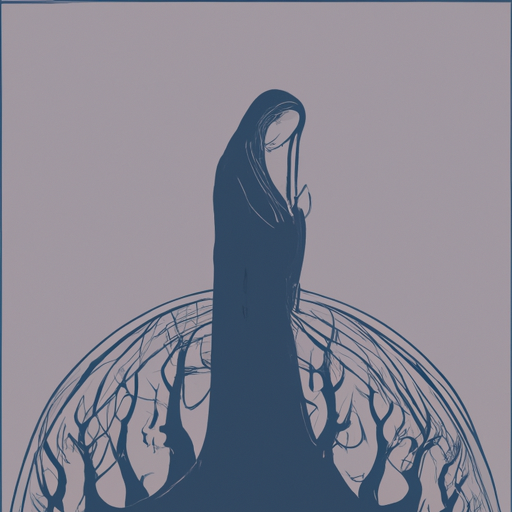
Example of visual style of Fairy Tale Illustration

Fairy Tale Illustration

Fairy Tale Illustration is a visual style that emerged in the late 19th century and early 20th century, particularly during the Golden Age of Illustration. It became famous for its whimsical and enchanting portrayal of characters and scenes from fairy tales, folklore, and fantasy literature. Artists used rich and vibrant colors, intricate details, and a dreamlike atmosphere to bring these fantastical stories to life. Known for its imaginative and narrative-driven approach, Fairy Tale Illustration captured the hearts and imaginations of readers worldwide, becoming an integral part of the visual representation of fairy tales.

View StyleExplore Style
Example of visual style of Fantasy Films

Fantasy Films

Fantasy Films is a visual style that focuses on creating magical and imaginative worlds through the use of special effects and otherworldly elements. This style became famous in the early 20th century with the advent of cinema and the desire to transport audiences into fantastical realms. It gained popularity with iconic films such as The Wizard of Oz (1939) and later with franchises like The Lord of the Rings (2001-2003) and Harry Potter (2001-2011). Through the use of enchanting settings, mythical creatures, and epic narratives, fantasy films captivate viewers with their ability to suspend reality and immerse audiences in extraordinary storytellings.

View StyleExplore Style
Example of visual style of Hans Christian Andersen

Hans Christian Andersen

The Hans Christian Andersen visual style, popular during the 19th century, is characterized by folk-inspired illustrations that often depict whimsical and fantastical elements. This style gained fame due to the illustrations created by Danish author and fairy tale writer Hans Christian Andersen, who collaborated with numerous artists to bring his stories to life in captivating visual form. The illustrations typically feature a mix of intricate details, vibrant colors, and imaginative scenes, providing a magical and enchanting atmosphere to complement the fairy tales.

View StyleExplore Style
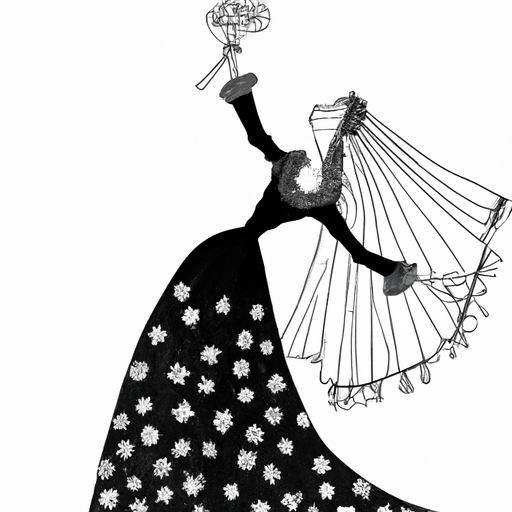
Example of visual style of Kay Nielsen

Kay Nielsen

Kay Nielsen was a Danish illustrator who gained fame for his intricate and enchanting art style in the early 20th century. His work became particularly renowned during the Golden Age of Illustration, a period from the late 19th century to the early 20th century, characterized by the proliferation of illustrated books. Nielsen's illustrations were known for their ethereal and otherworldly quality, often featuring fantastical creatures, elaborate costumes, and intricate details that captured the imagination of readers. His work was heavily influenced by Art Nouveau, with flowing lines, sinuous curves, and intricate patterns. Nielsen's art became famous for its ability to transport viewers into a world of magic and wonder.

View StyleExplore Style
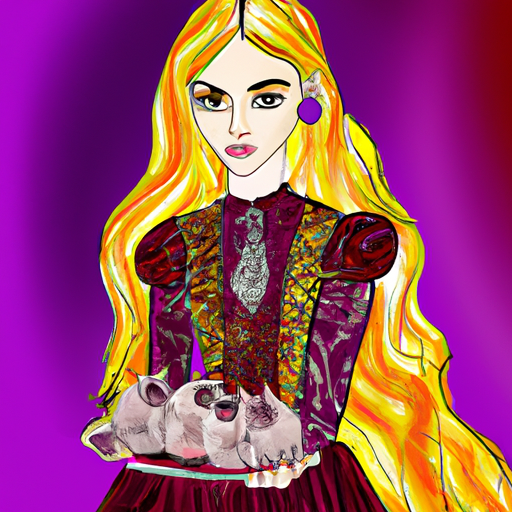
Example of visual style of L Frank Baum

L Frank Baum

L Frank Baum was an American author known for his imaginative and fantastical storytelling. His works, including 'The Wonderful Wizard of Oz', which was first published in 1900, made Baum famous for his unique ability to create vivid and enchanting worlds. Baum's visual style is characterized by whimsical and fantastical illustrations that bring his stories to life. His use of vibrant colors and intricate details captivate the imaginations of both children and adults alike.

View StyleExplore Style
Example of visual style of Miyuki Chan

Miyuki Chan

Miyuki Chan is an anime visual style that emerged in the late 1990s and gained popularity in the early 2000s. This style was made famous by the acclaimed manga artist CLAMP through their manga series 'Miyuki-chan in Wonderland'. The style is characterized by its vibrant colors, exaggerated expressions, and dreamlike landscapes. It often features cute and feminine characters with large eyes, petite figures, and elaborate costumes. Miyuki Chan style is known for its whimsical and fantastical elements, creating a surreal and enchanting visual experience.

View StyleExplore Style
Example of visual style of Snow White

Snow White

Snow White is a visual style that emerged in the early 20th century, particularly around the 1930s. It gained fame through Disney's animated film 'Snow White and the Seven Dwarfs' released in 1937, which was the first full-length cel-animated feature film. The style is characterized by its vibrant colors, soft contours, and intricate details, creating a whimsical and enchanting world. It is known for its use of hand-drawn animation, intricate backgrounds, and a mix of realism and fantasy. The success of 'Snow White and the Seven Dwarfs' paved the way for future animated films and solidified the popularity of this visual style.

View StyleExplore Style

Example of visual style of Sophie Reynolds

Sophie Reynolds

Sophie Reynolds is a visual style characterized by its vibrant and whimsical color palette, intricate patterns, and playful imagery. This style gained popularity in the 2010s, primarily in the field of illustration and graphic design. It is known for combining elements of fantasy, nature, and nostalgia into visually captivating compositions. Sophie Reynolds has become famous for her ability to create enchanting and dreamlike worlds, often featuring anthropomorphic animals and fantastical creatures.

View StyleExplore Style
Example of visual style of Walt Disney Animation Studios

Walt Disney Animation Studios

Walt Disney Animation Studios is known for its iconic and timeless animation style, which has captivated audiences since its inception in 1923. The studio pioneered the art of animated feature films with classics like Snow White and the Seven Dwarfs (1937), Cinderella (1950), and The Lion King (1994). The style is characterized by richly detailed and vibrant hand-drawn or computer-generated animation, bringing to life a diverse range of enchanting characters and fantastical worlds. Its combination of storytelling, music, and innovation has made Walt Disney Animation Studios a beloved and influential force in the animation industry.

View StyleExplore Style
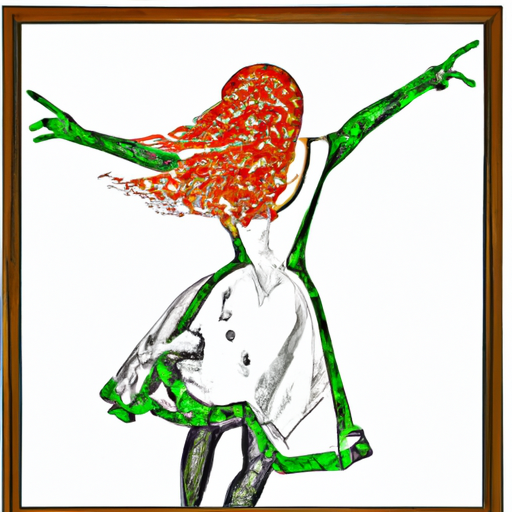
Example of visual style of Yoshitaka Tamaki

Yoshitaka Tamaki

Yoshitaka Tamaki is a Japanese illustrator known for his unique and distinct style characterized by vibrant colors, intricate details, and ethereal backgrounds. Born in 1972, Tamaki gained recognition in the 1990s for his illustrations in various manga and anime series, notably 'Cardcaptor Sakura', which became a global sensation. His work captivated audiences with its whimsical and enchanting atmosphere, combining elements of fantasy and surrealism. Tamaki's illustrations often feature delicate and graceful characters with large expressive eyes, adorned with elaborate costumes and adorned with intricate patterns. His intricate attention to detail and ability to create magical worlds made his style famous and highly sought after by fans and collectors alike.

View StyleExplore Style
Home