StylopediaStylopedia

Emotions styles on Stylopedia

A visual encyclopedia of emotions styles – use as prompt inspiration for Midjourney, Gemini, or ChatGPT AI when making emotions images

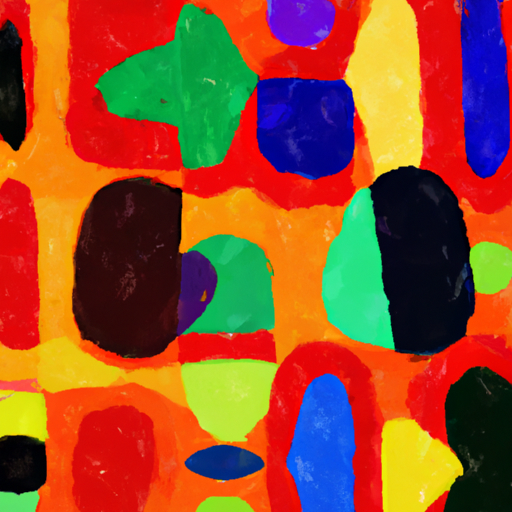
Example of visual style of Abstract Art

Abstract Art

Abstract Art is a modern art style that emerged in the early 20th century and gained popularity in the early 1910s. It is characterized by a departure from realistic representation and a focus on the expression of ideas and emotions through non-representational forms and colors. Notable for its emphasis on shapes, lines, colors, and textures, Abstract Art sought to convey an artist's subjective perspective rather than depict objective reality. This style challenged traditional notions of art and opened up new avenues for experimentation, inspiring artists to explore the boundaries of creativity.

View StyleExplore Style
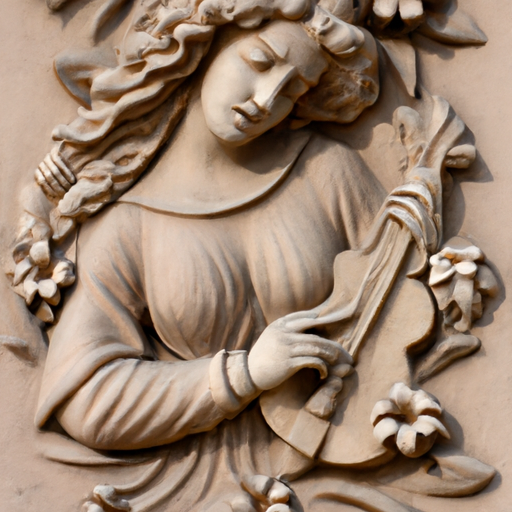
Example of visual style of Anime Artists

Anime Artists

Anime Artists is a visual style that originated in Japan in the early 20th century and became popular worldwide by the mid-20th century. This style is characterized by its distinctive exaggerated features, vibrant colors, and often fantastical themes. Anime Artists gained popularity through the rise of Japanese animation and manga, with notable years being around the 1950s and 1960s. What made this style famous is its ability to capture emotions and dynamic movements in a visually striking manner, as well as its unique storytelling techniques. It has since become a global phenomenon, inspiring countless artists and animators around the world.

View StyleExplore Style
Example of visual style of Contemporary Figurative Art

Contemporary Figurative Art

Contemporary Figurative Art is a visual style that emerged in the late 20th century and continues to be relevant today. It focuses on representing the human figure in a more modern and abstract way, departing from traditional techniques and styles. This style gained popularity in the 1980s as artists started to reintroduce the figure into their work, using both realistic and abstract approaches. It became famous for its ability to convey emotions, narratives, and social commentary through the depiction of the human form.

View StyleExplore Style
Example of visual style of Gabriel Ba

Gabriel Ba

Gabriel Ba is a Brazilian comic book artist known for his unique visual style that merges realism with expressiveness. Since the early 2000s, Ba's work has gained recognition for its dynamic linework, intricate details, and ability to convey emotions through his characters' facial expressions. His use of vibrant colors and atmospheric lighting adds depth and atmosphere to his illustrations. Ba rose to fame in collaboration with his twin brother, Fabio Moon, creating critically acclaimed comics like "The Umbrella Academy". His distinctive style has inspired a generation of comic book artists.

View StyleExplore Style
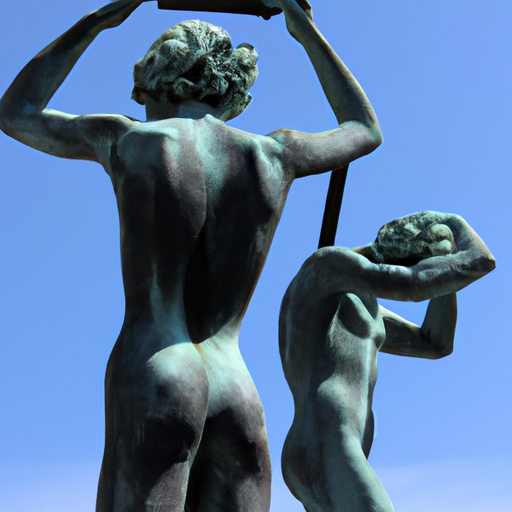
Example of visual style of Gustav Vigeland

Gustav Vigeland

Gustav Vigeland was a Norwegian sculptor who is famous for his powerful and expressive sculptures. He is best known for his work on the Vigeland Sculpture Park in Oslo, which features over 200 sculptures made between 1924 and 1943. Vigeland's style can be characterized as realistic and highly detailed, with a focus on human figures and emotions. His sculptures often depict the human form in various poses, capturing the complexity and beauty of the human experience. The Vigeland Sculpture Park is a major tourist attraction and has made Vigeland internationally renowned.

View StyleExplore Style
Example of visual style of Kangra Painting

Kangra Painting

Kangra Painting is a style of miniature painting that emerged in the Kangra region of Himachal Pradesh, India during the late 18th and early 19th centuries. This style reached its zenith between 1780 and 1840, under the patronage of the Kangra rulers and the Pahari nobility. It is famous for its exquisite depiction of Radha-Krishna love legends and lyrical portrayals of Hindu deities. The delicate brushwork, vibrant colors, emphasis on natural landscapes, and portrayal of emotions are the hallmarks of Kangra Painting.

View StyleExplore Style
Example of visual style of Marc Chagall

Marc Chagall

Marc Chagall was a prominent artist known for his unique style that combined elements of Surrealism, Cubism, and Fauvism. Active during the early 20th century, Chagall's work became famous for its dreamlike and poetic imagery. His use of vibrant colors, floating objects, and distorted perspectives created a sense of fantasy and whimsy in his paintings. Chagall's distinctive style gained recognition for its ability to evoke emotions and capture the imagination of viewers.

View StyleExplore Style
Example of visual style of Maurice Sendak

Maurice Sendak

Maurice Sendak's visual style, which emerged in the mid-20th century, is renowned for its whimsical and dark illustrations that capture the imagination of both children and adults. He gained fame with his iconic book 'Where the Wild Things Are' published in 1963, which showcased his ability to portray complex emotions through his characters and settings. Sendak's mastery of intricate line work, cross-hatching, and use of muted colors sets his visual style apart. His ability to blend both realism and imagination creates an enchanting and dream-like world that has captivated generations.

View StyleExplore Style
Example of visual style of Satsuki Igarashi

Satsuki Igarashi

Satsuki Igarashi is a Japanese manga artist and illustrator, known for her delicate and detailed artwork. Her style emerged in the late 1990s and gained popularity in the early 2000s. She is well-known for her work on the manga series 'Cardcaptor Sakura' and 'Tsubasa: Reservoir Chronicle', which were created in collaboration with the manga group CLAMP. Igarashi's style is characterized by its ethereal and dreamlike qualities, with soft lines, intricate patterns, and a vibrant color palette. Her ability to capture emotions and create visually stunning compositions has made her style widely recognized and cherished by fans.

View StyleExplore Style
Example of visual style of Sei Shonagon

Sei Shonagon

Sei Shonagon was a Japanese author and the renowned author of 'The Pillow Book' during the Heian period (794-1185). This style is known for its poetic and elegant depiction of courtly life, capturing the customs, emotions, and aesthetics of the time. The Pillow Book, written around the year 1000, was a collection of anecdotes, observations, and musings on various aspects of court life, including fashion, literature, nature, and social interactions. Sei Shonagon's keen eye for detail and her ability to vividly describe scenes made this style famous and have since influenced numerous other literary works.

View StyleExplore Style
Example of visual style of Tshsai Sharaku

Tshsai Sharaku

Tshsai Sharaku is a style of woodblock print that emerged in Japan during the late 18th century. It is known for its striking and unconventional portraits of kabuki actors. The style was popular for a brief period, from 1794 to 1795, and then disappeared for nearly two centuries. The distinctive features of Tshsai Sharaku prints are exaggerated facial expressions, exaggerated body proportions, and a focus on capturing the unique characteristics and emotions of the actors. The style gained fame due to its bold and stylized approach to portraiture, and it remains highly regarded in the history of Japanese art.

View StyleExplore Style
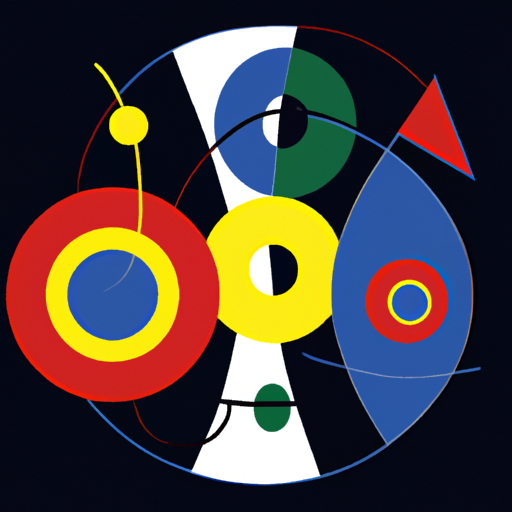
Example of visual style of Wassily Kandinsky

Wassily Kandinsky

Wassily Kandinsky was a Russian painter and art theorist who is credited with being one of the pioneers of abstract art. His paintings are characterized by vibrant colors, fluid forms, and mystical symbolism. Kandinsky's style emerged in the early 20th century, particularly during his time with the Blue Rider movement (1911-1914). He believed that art should be free from the constraints of depicting the physical world and instead aimed to evoke emotions and spirituality through non-representational forms. Kandinsky's use of bold color combinations and geometric shapes made his work revolutionary and highly influential in the development of abstract art.

View StyleExplore Style
Home