StylopediaStylopedia

Emotional intensity styles on Stylopedia

A visual encyclopedia of emotional intensity styles – use as prompt inspiration for Midjourney, Gemini, or ChatGPT AI when making emotional intensity images

Example of visual style of Artemisia Gentileschi

Artemisia Gentileschi

Artemisia Gentileschi was an Italian Baroque painter who became famous for her powerful, dramatic, and often visceral depictions of biblical and mythological women. Active during the 17th century, her style is characterized by dynamic compositions, rich colors, and a focus on the emotional intensity of her subjects. Gentileschi's work is known for its emphasis on female protagonists, as well as her use of chiaroscuro and naturalistic details. She is regarded as one of the most important female artists of her time.

View StyleExplore Style
Example of visual style of August Strindberg

August Strindberg

August Strindberg is known for his dramatic and expressive visual style, characterized by bold and sweeping brushstrokes. His style emerged in the late 19th century in Sweden, and his works became famous for their emotional intensity and raw portrayal of human emotions. Strindberg's paintings often depict scenes of everyday life, as well as portraits and landscapes. His use of vibrant colors and dynamic compositions made him a prominent figure in the art world during his time.

View StyleExplore Style
Example of visual style of Baroque Style

Baroque Style

Baroque style was a highly ornate and extravagant artistic style that emerged in Europe around the late 16th century and lasted until the mid-18th century. It is characterized by dramatic and grandiose forms, rich ornamentation, curved lines, and a sense of motion. Baroque architecture and art were known for their emotional intensity and theatricality. This style became famous for its opulence and splendor, as well as its ability to evoke strong emotions in viewers.

View StyleExplore Style
Example of visual style of Die Brücke

Die Brücke

Die Brücke, meaning 'The Bridge' in German, was an influential visual style that emerged in the early 20th century. Founded by Ernst Ludwig Kirchner, Karl Schmidt-Rottluff, and other artists in Dresden, Germany in 1905, Die Brücke is famous for its bold and expressive style. It is regarded as one of the founding movements of German Expressionism. The artists of Die Brücke sought to break free from traditional academic art and explore themes of emotional intensity, inner turmoil, and the alienation of modern society. Their works often featured vibrant colors, distorted forms, and rough brushstrokes, conveying a raw and primal energy. Die Brücke became widely recognized for its contributions to the development of modern art in Germany and beyond.

View StyleExplore Style
Example of visual style of Felix Vallotton

Felix Vallotton

Felix Vallotton was a Swiss-French painter and printmaker who was active during the late 19th and early 20th centuries. He is known for his distinctive visual style characterized by sharp lines, bold colors, and simplified forms. Vallotton became famous for his woodcuts, which he used to depict scenes of everyday life, portraits, and landscapes. His work is known for its strong compositions, emotional intensity, and a sense of mystery. Vallotton's style was deeply influential, bridging the gap between the traditional academic art of the 19th century and the emerging modernist movements of the early 20th century.

View StyleExplore Style
Example of visual style of Jacopo Pontormo

Jacopo Pontormo

Jacopo Pontormo was an Italian painter from the late Renaissance period. He was active in the early 16th century, particularly between 1512 and 1557. Pontormo's style is characterized by his use of vibrant and intense colors, elongated proportions, complex compositions, and a sense of emotional intensity and drama. His works often depict religious and mythological subjects, with a focus on expressing inner turmoil and psychological tension. Pontormo's art is famous for its innovative approach to form and composition, which had a profound influence on the development of Mannerism.

View StyleExplore Style
Example of visual style of Joan Mitchell

Joan Mitchell

Joan Mitchell was an abstract expressionist painter known for her large-scale vibrant paintings. Her style emerged in the 1950s, during the peak of abstract expressionism, and continued to evolve throughout her career. Mitchell's works are characterized by bold, energetic brushstrokes, vibrant colors, and an emphasis on gestural abstraction. She often drew inspiration from nature, particularly landscapes, and her paintings convey a sense of movement and emotional intensity. Mitchell's unique approach to abstract expressionism made her a prominent figure in the art world and she remains one of the most celebrated female painters of her time.

View StyleExplore Style

Example of visual style of Julian Schnabel

Julian Schnabel

Julian Schnabel is a visual style that emerged in the late 1970s and gained prominence in the 1980s. Schnabel is a contemporary American artist known for his expressive and eclectic artworks. His visual style is characterized by bold and vibrant colors, gestural brushwork, and a combination of various materials such as broken plates, mirrors, and other found objects. Schnabel's style is marked by a sense of raw energy and emotional intensity, often creating large-scale paintings with rich textures and layers. He became famous for his 'plate paintings,' where he utilized shards of broken ceramic plates to create intricately textured surfaces. Schnabel's style challenges traditional notions of representation and explores the boundaries between abstraction and figuration.

View StyleExplore Style
Example of visual style of Lee Krasner

Lee Krasner

Lee Krasner was an American abstract expressionist artist known for her unique visual style characterized by bold gestural brushwork, vibrant colors, and expressive compositions. Her style emerged in the late 1940s and continued throughout her career until her death in 1984. Krasner's work gained recognition for its energy and emotional intensity, drawing inspiration from her personal experiences and inner struggles. She was famous for incorporating elements of cubism and surrealism into her abstract paintings, creating a dynamic visual language that challenged traditional notions of representation. Krasner's innovative techniques and pioneering spirit made her a key figure in the development of abstract expressionism.

View StyleExplore Style
Example of visual style of Liv Ullmann

Liv Ullmann

Liv Ullmann is not a visual style but a Norwegian actress and film director. Born in 1938, Ullmann became famous for her collaborations with legendary filmmaker Ingmar Bergman. Her acting style is characterized by emotional intensity, naturalism, and a deep exploration of human emotions, which resonated with audiences around the world. Ullmann's performances in films like 'Persona' (1966), 'Cries and Whispers' (1972), and 'Scenes from a Marriage' (1973) are particularly acclaimed and exemplify her versatile and captivating presence on screen.

View StyleExplore Style
Example of visual style of Rosso Fiorentino

Rosso Fiorentino

Rosso Fiorentino is a visual style that emerged in the 16th century in Florence, Italy. It is characterized by its vibrant colors, dramatic compositions, and emotional intensity. The style gained fame during the High Renaissance period and is known for its bold, dynamic brushwork and expressive figures. Rosso Fiorentino's works often feature exaggerated gestures, intense facial expressions, and a sense of movement. The artist's use of bright reds and deep shadows creates a highly dramatic and atmospheric effect.

View StyleExplore Style
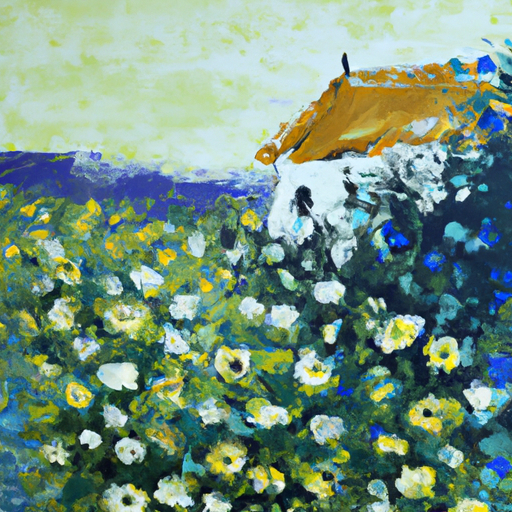
Example of visual style of Vincent Van Gogh

Vincent Van Gogh

Vincent Van Gogh was a post-impressionist artist who pioneered a highly recognizable and dramatic visual style. Born in 1853, Van Gogh became famous posthumously for his innovative and vibrant paintings, particularly those created during the last two years of his life (1888-1890). His style is characterized by bold and expressive brushwork, vibrant colors, exaggerated perspectives, and emotional intensity. Van Gogh's famous works, such as 'Starry Night' and 'Sunflowers,' capture the essence of his personal struggles and emotional turmoil, making him one of the most well-known and influential artists in history.

View StyleExplore Style
Home