StylopediaStylopedia

Emotional styles on Stylopedia

A visual encyclopedia of emotional styles – use as prompt inspiration for Midjourney, Gemini, or ChatGPT AI when making emotional images

Example of visual style of Andrew Wyeth

Andrew Wyeth

Andrew Wyeth was an American realist painter known for his detailed, melancholic, and rural landscapes. His style emerged in the mid-20th century and his works gained fame for their emotional depth and meticulous attention to detail. Wyeth's most famous painting, 'Christina's World' (1948), brought his style to international recognition. His art often captured the quiet beauty and solitude of the American countryside, portraying subjects such as landscapes, figures, and objects in a highly realistic and sometimes haunting manner.

View StyleExplore Style
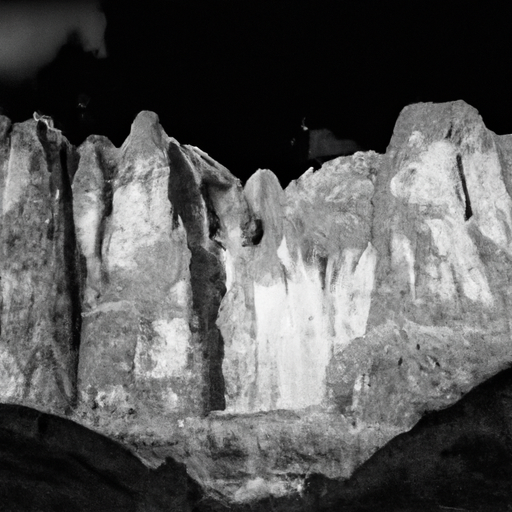
Example of visual style of Ansel Adams

Ansel Adams

Ansel Adams was a renowned American photographer who rose to prominence in the mid-20th century. His black and white landscape photographs, particularly of the American West, became iconic representations of the natural beauty of the United States. Adams is widely celebrated for his precise and meticulous approach to photography, which involved masterful composition, careful use of light and shadow, and extensive darkroom techniques. His works captured the grandeur and sublime qualities of nature, showcasing its vastness, detail, and inherent aesthetics. Ansel Adams' style became famous for its ability to evoke emotional responses from viewers, often leaving them in awe of the majestic landscapes he captured.

View StyleExplore Style
Example of visual style of Baroque

Baroque

Baroque is a highly ornamental and dramatic style that emerged in Europe around the late 16th century and remained prominent until the early 18th century. It is known for its grandeur, opulence, and theatricality. Baroque style captivated audiences with its elaborate details, exaggerated gestures, and vibrant colors. It was characterized by the use of dynamic and sweeping curves, intricate ornamentation, and abundant decorative elements. This style became famous for its luxuriousness and the way it evoked strong emotions through its ornate compositions and intense lighting effects.

View StyleExplore Style
Example of visual style of Baroque Painting

Baroque Painting

Baroque painting originated in Italy during the late 16th century and reached its peak in the 17th century. Characterized by its dramatic and extravagant style, Baroque painting is known for its grandeur, emotional intensity, and vivid use of color and light. This style was famous for its religious and mythological subject matter, often depicting scenes of intense emotion, gestures, and theatrical compositions. The Baroque period was marked by the artistic achievements of influential artists such as Caravaggio, Peter Paul Rubens, and Rembrandt, who contributed to the popularity and recognition of Baroque painting.

View StyleExplore Style
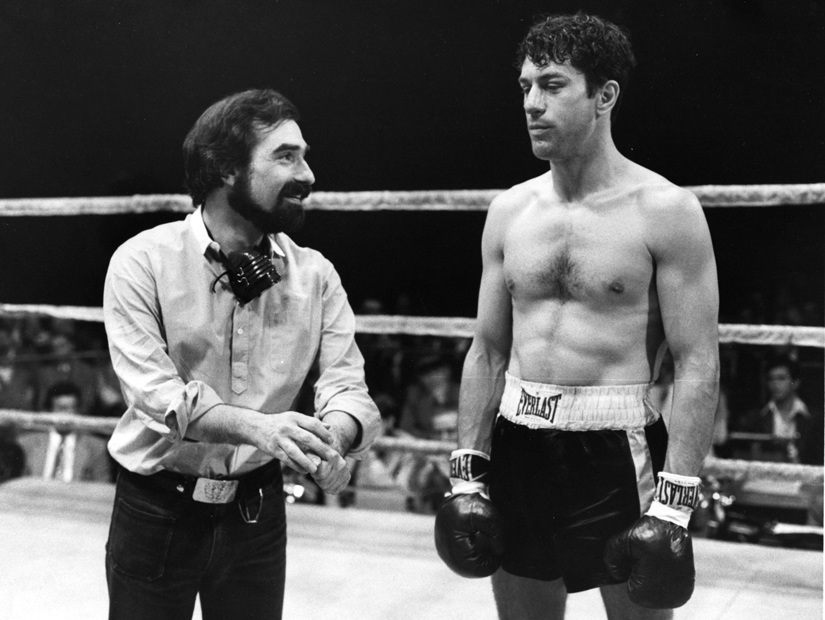
Example of visual style of Der Blaue Reiter

Der Blaue Reiter

Der Blaue Reiter, meaning The Blue Rider, was an art movement that emerged in the early 20th century, particularly in Germany from 1911 to 1914. It was founded by Wassily Kandinsky and Franz Marc as an expressionist and avant-garde movement. The style was characterized by a vibrant use of colors, particularly blue, and abstract forms. Der Blaue Reiter aimed to transcend materialism and explore the spiritual and emotional power of art. The movement gained fame for its groundbreaking exhibitions and its significant impact on the development of abstract art.

View StyleExplore Style
Example of visual style of Don Bluth

Don Bluth

Don Bluth is an American animator, filmmaker, and director known for his distinct visual style in animated films during the 1980s and 1990s. He gained fame for his work on films like 'The Secret of NIMH' (1982), 'An American Tail' (1986), and 'The Land Before Time' (1988). Bluth's style is characterized by its vibrant and detailed hand-drawn animation, high-quality backgrounds, fluid character movements, and dramatic lighting, which brought a more mature and dark tone to traditional animated films. His work often showcased emotionally resonant stories with memorable characters, appealing to both children and adults alike.

View StyleExplore Style
Example of visual style of Edouard Antoine Marsal

Edouard Antoine Marsal

Edouard Antoine Marsal was a French painter known for his realistic and detailed portraits. Active during the late 19th and early 20th centuries, Marsal's style was characterized by his attention to minute details, capturing the essence and personality of his subjects. His paintings became famous for their impeccable skill and the emotional depth they conveyed. Marsal's works often depicted prominent individuals, including members of the French aristocracy and high society, which contributed to his popularity and success. Through his meticulous technique and ability to capture the true essence of his subjects, Marsal became one of the leading portrait artists of his time.

View StyleExplore Style
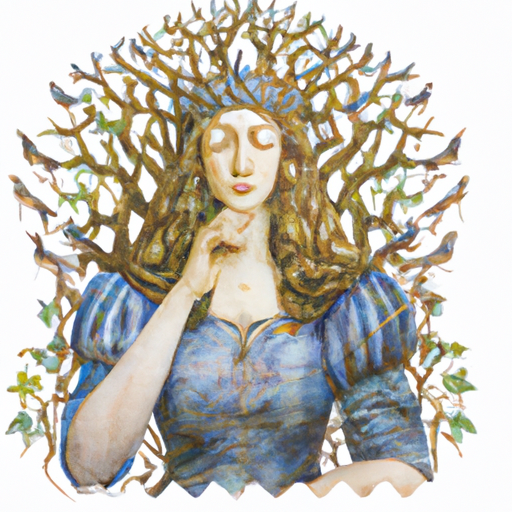
Example of visual style of Elisabeth Vigee Le Brun

Elisabeth Vigee Le Brun

Elisabeth Vigee Le Brun was a prominent painter during the late 18th and early 19th centuries. Her style is characterized by delicate brushwork, soft colors, and a focus on capturing the personalities and emotions of her subjects. She is famous for her portraits of French royalty and aristocrats, which helped establish her as the official portraitist of Marie Antoinette. Vigee Le Brun's style became popular for its feminine sensitivity and intimate portrayal of individuals.

View StyleExplore Style
Example of visual style of Enzo Cucchi

Enzo Cucchi

Enzo Cucchi is an Italian artist known for his contribution to the Transavanguardia movement in the 1980s. His visual style is characterized by expressive and symbolic imagery, often featuring primitive and mythological elements. Cucchi's works are highly personal and imbued with spiritual and emotional themes. His use of bold colors, strong brushwork, and rough texture creates a raw and vibrant atmosphere. Cucchi's works gained international recognition in the 1980s, especially during the Biennale exhibitions, and he became an influential figure in Italian contemporary art.

View StyleExplore Style
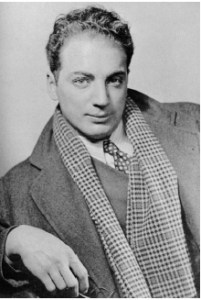
Example of visual style of Et The Extra Terrestrial

Et The Extra Terrestrial

The visual style of 'Et The Extra Terrestrial' is a heartwarming blend of science fiction and fantasy. Released in 1982, the film became famous for its emotional storytelling, iconic imagery, and imaginative effects. Directed by Steven Spielberg, this style is characterized by its whimsical and otherworldly atmosphere, showcasing a child's perspective and sense of wonder when encountering an alien. It captured the hearts of millions and is regarded as a classic in cinema history.

View StyleExplore Style
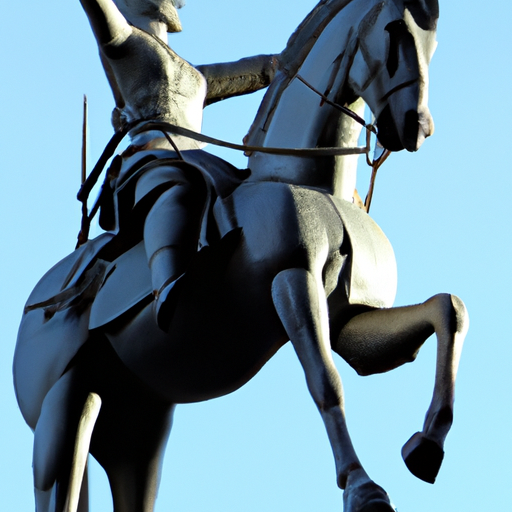
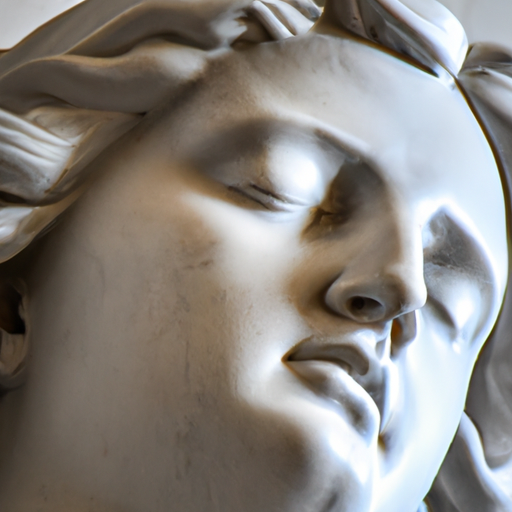
Example of visual style of Gian Lorenzo Bernini

Gian Lorenzo Bernini

Gian Lorenzo Bernini was an Italian artist and architect who lived in the 17th century. He is known for his Baroque style, characterized by dramatic and emotional compositions. Bernini's sculptures are famous for their realistic details and dynamic poses, capturing intense expressions and movement. His works have a sense of theatricality, commanding attention and engaging the viewer. Bernini's skill in portraying human emotions and his innovative use of light and shadow made him one of the most influential artists of the Baroque period.

View StyleExplore Style
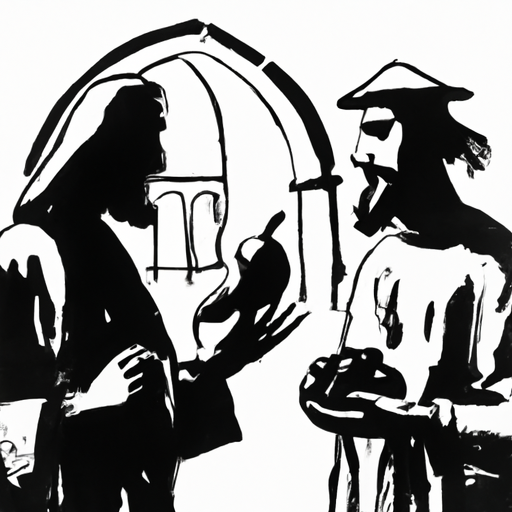
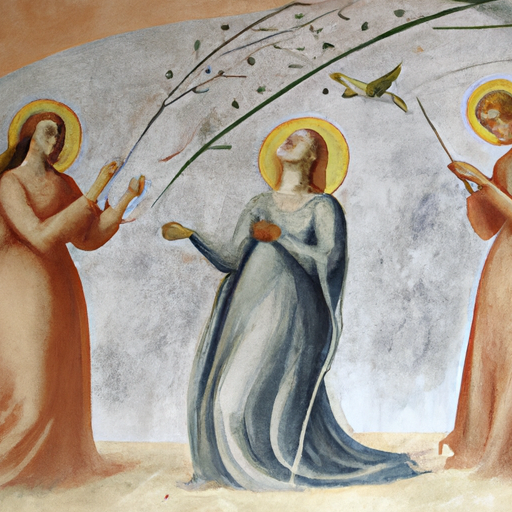
Example of visual style of Giotto

Giotto

Giotto is an Italian visual style that emerged in the 14th century. It is famous for its naturalistic and emotionally expressive representations of human figures, which broke away from the flat and stylized conventions of the Byzantine art that preceded it. Giotto's innovative use of light, shadow, and perspective brought a sense of three-dimensionality and depth to his paintings. This marked a significant shift in art history and laid the foundation for the Renaissance period.

View StyleExplore Style
Example of visual style of Hans Zimmer

Hans Zimmer

Hans Zimmer is a renowned composer known for his powerful and evocative musical compositions for film and television. He rose to fame in the 1980s and 1990s by creating iconic soundtracks for movies such as "The Lion King", "Gladiator", and "The Dark Knight". Zimmer's style is characterized by its sweeping orchestral arrangements, haunting melodies, and the innovative use of electronic instruments. His ability to infuse emotions into his music and create unique sonic landscapes has made him a staple in the film industry.

View StyleExplore Style
Example of visual style of Hans Zimmer Studios

Hans Zimmer Studios

Hans Zimmer Studios is a visual style characterized by its epic, grandiose, and immersive designs. Influenced heavily by the film scores composed by Hans Zimmer, this style became famous in the late 1980s and has since been widely recognized for its ability to evoke powerful emotions through visuals. With a focus on capturing the essence of larger-than-life moments, Hans Zimmer Studios has become a go-to choice for blockbuster films and large-scale productions.

View StyleExplore Style
Home