StylopediaStylopedia

Emotion styles on Stylopedia

A visual encyclopedia of emotion styles – use as prompt inspiration for Midjourney, Gemini, or ChatGPT AI when making emotion images

Example of visual style of Ai Yazawa

Ai Yazawa

Ai Yazawa is a Japanese manga artist known for her unique and distinct visual style that emerged in the late 1990s. Her art style is characterized by its beautifully detailed and realistic characters, particularly the female protagonists. With expressive eyes, intricate fashion designs, and emotional storytelling, Yazawa's art captivates readers. Her most famous works, such as 'NANA' and 'Paradise Kiss', have gained immense popularity and critical acclaim, contributing to her recognition as one of the most influential manga artists of her generation.

View StyleExplore Style
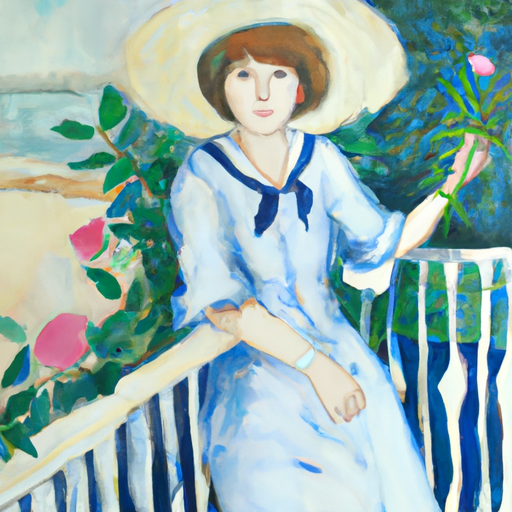
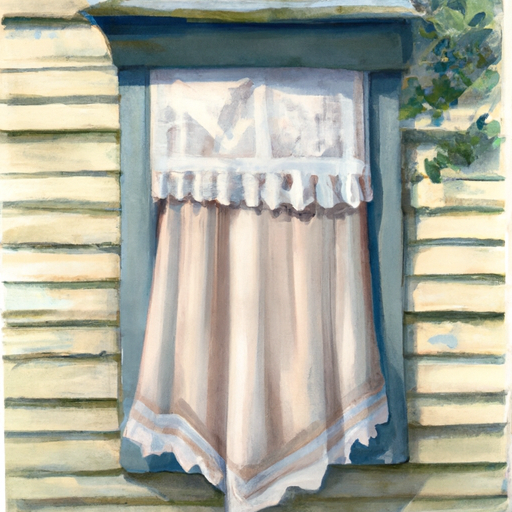
Example of visual style of Berthe Morisot

Berthe Morisot

Berthe Morisot was one of the leading figures of Impressionism during the late 19th and early 20th centuries. Her style is characterized by the use of loose brushwork, bright colors, and an emphasis on capturing the fleeting effects of light. Morisot's work often depicted intimate scenes of domestic life and landscapes, showcasing her ability to convey a sense of atmosphere and emotion through her brushstrokes. She gained fame for her unique perspective as a female artist in a male-dominated field and for her significant contributions to the Impressionist movement.

View StyleExplore Style
Example of visual style of Cinematic Realism

Cinematic Realism

Cinematic Realism is a visual style that emerged in the mid-20th century and is characterized by its realistic depiction of scenes and subjects, often resembling cinematic frames. It gained prominence during the 1950s and 1960s, with notable contributions from photographers such as William Klein, Robert Frank, and Saul Leiter. This style became famous for its ability to capture the raw emotions and fleeting moments of everyday life, resulting in a sense of authenticity and cinematic aesthetics.

View StyleExplore Style
Example of visual style of Eduardo Kobra

Eduardo Kobra

Eduardo Kobra is known for his vibrant and colorful graffiti murals that blend realism with abstract patterns. His style emerged in the early 2010s and gained widespread recognition for its use of bold colors, intricate designs, and larger-than-life portraits. Kobra became famous for his monumental murals which often depict historical figures, cultural icons, and global issues. He is particularly acclaimed for his ability to capture the essence and emotion of his subjects, creating visually stunning and thought-provoking artworks. Kobra's unique style has brought a fresh and contemporary approach to street art, transforming urban landscapes with his iconic and visually striking murals.

View StyleExplore Style
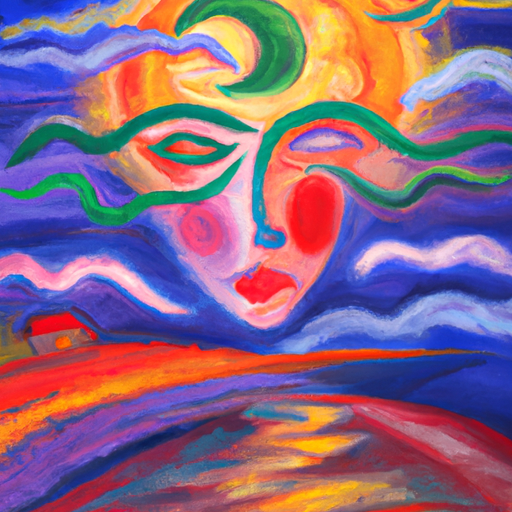
Example of visual style of Edvard Munch

Edvard Munch

Edvard Munch was a Norwegian painter and printmaker who was the pioneer of Expressionism in the early 20th century. He is best known for his iconic painting 'The Scream' (1893), which portrays the existential angst and emotional turmoil of the modern human condition. Munch's style is characterized by his vivid use of color, bold brushstrokes, and distorted and exaggerated forms, which were used to convey a heightened sense of emotion and psychological intensity. His works often explore themes of love, death, anxiety, and the duality of human existence. Munch's style gained recognition and fame due to his raw and subjective portrayal of human emotions, making his art relatable and resonant to a wide audience.

View StyleExplore Style
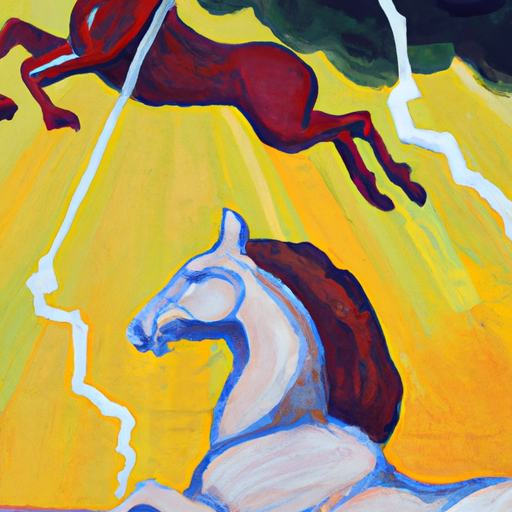
Example of visual style of Franz Marc

Franz Marc

Franz Marc was a German painter and one of the key figures of the Expressionist movement. His visual style, developed in the early 20th century, is characterized by vibrant and bold colors, abstracted forms, and a strong emphasis on the emotional and spiritual qualities of his subject matter. Marc is famous for his paintings of animals, particularly horses, which he used as symbols of purity, spirituality, and the untamed energy of nature. His style reached its peak between 1911 and 1914, but was tragically cut short by his premature death during World War I. Nevertheless, his contributions to Expressionism and his unique visual language continue to influence artists to this day.

View StyleExplore Style
Example of visual style of Glen Keane

Glen Keane

Glen Keane is a renowned Disney animator and artist known for his distinctive and expressive visual style. He worked for Disney from 1974 to 2012 and has contributed to many iconic animated films. Keane's style is characterized by fluidity, grace, and attention to detail. His drawings are known for their lifelike movement and emotional depth, capturing the essence of the characters and their stories. Keane's famous works include Ariel in 'The Little Mermaid' (1989), Beast in 'Beauty and the Beast' (1991), and Rapunzel in 'Tangled' (2010). His contributions to the animation industry have made him a legend in the field.

View StyleExplore Style
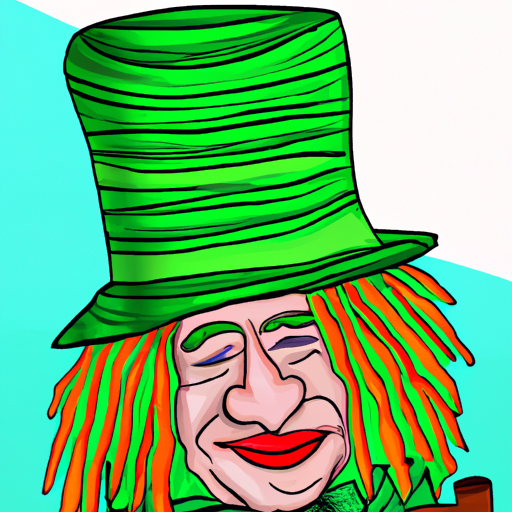
Example of visual style of Jim Henson

Jim Henson

Jim Henson is known for his distinctive puppetry and visual effects in film and television. He gained fame for creating the Muppets, which first appeared in the early 1950s. Henson's innovative use of puppetry and animatronics revolutionized the entertainment industry, making his characters come to life with a unique blend of humor and emotion. His style reached its peak during the 1970s and 1980s, with iconic works such as 'The Muppet Show' (1976-1981) and 'The Dark Crystal' (1982). Henson's artistry and imagination made the Muppets and his other creations beloved by audiences of all ages.

View StyleExplore Style
Example of visual style of Rembrandt

Rembrandt

Rembrandt is a visual style that emerged during the 17th century in the Netherlands. It is named after the Dutch painter Rembrandt van Rijn, who is considered one of the greatest artists of all time. This style is characterized by its use of chiaroscuro, a strong contrast between light and dark, which creates a dramatic and mysterious atmosphere. Rembrandt's works were famous for their ability to capture the human spirit and emotions, often depicting biblical or historical scenes. He is particularly renowned for his skillful use of light and shadow to create depth and texture in his paintings. Rembrandt's style had a significant influence on many artists during his time and continues to inspire artists today.

View StyleExplore Style
Example of visual style of Romanticism

Romanticism

Romanticism was a 19th-century artistic and intellectual movement characterized by a focus on emotion, imagination, and individualism. It emerged as a reaction against the Industrial Revolution and Enlightenment ideals, gaining prominence from the late 18th century to the mid-19th century. Romanticism emphasized subjective expression, sublime landscapes, and an appreciation of nature's beauty. It celebrated the heroic and the passionate, often portraying tales of love, tragedy, and the supernatural. Famous artists associated with Romanticism include William Turner, Caspar David Friedrich, and Eugène Delacroix.

View StyleExplore Style
Example of visual style of Ron Mueck

Ron Mueck

Ron Mueck is a visual artist known for his hyperrealistic sculptures. His works became famous in the early 21st century for their astonishing level of detail and size. Mueck's sculptures often depict either oversized or undersized human figures, which create a sense of unease and fascination. He first gained widespread recognition in 1997 with his sculpture 'Dead Dad,' exhibited at the Royal Academy of Arts in London. Mueck's meticulous craftsmanship and ability to capture human emotion through his sculptures have made him a notable figure in contemporary art.

View StyleExplore Style
Example of visual style of Shōjo Manga

Shōjo Manga

Shōjo Manga is a Japanese visual style that emerged in the 1960s and became widely popular in the following decades. It is characterized by its focus on young girls as the target audience and its emphasis on emotional and romantic themes. Shōjo Manga is known for its delicate and beautiful artwork, often featuring intricate linework, flowery backgrounds, and detailed character designs. This style became famous for breaking away from traditional gender roles and exploring topics like love, friendship, and personal growth. With influential works like 'Candy Candy' by Kyoko Mizuki and Yumiko Igarashi, Shōjo Manga gained international recognition and continues to be an important genre in Japanese comics and animation.

View StyleExplore Style
Example of visual style of Titian

Titian

Titian is a visual style developed by the Italian painter Tiziano Vecellio, known as Titian (1488-1576). This style emerged during the High Renaissance and continued to evolve during the Mannerist period. Titian's innovative use of color and brushwork, along with his ability to capture the human form with depth and emotion, made him one of the most influential artists of his time. His famous works include 'Bacchus and Ariadne' (1520-1523), 'Venus of Urbino' (1534), and 'The Assumption of the Virgin' (1516-1518). Titian's style is characterized by vibrant and luminous colors, skillful use of light and shadow, and a dynamic composition that creates a sense of movement and drama.

View StyleExplore Style
Example of visual style of Transavanguardia

Transavanguardia

Transavanguardia was an art movement in the 1980s that emerged in Italy. It gained prominence as a reaction against the conceptual art and minimalism of the previous decade. The style was famous for combining various artistic traditions with a bold and expressive approach. It emphasized a return to figurative painting and the use of vibrant colors, often with a primitive or naive aesthetic. Transavanguardia played a significant role in reviving interest in painting and reintroducing emotion and subjectivity into contemporary art.

View StyleExplore Style
Example of visual style of Victor Hugo

Victor Hugo

Victor Hugo is a visual style inspired by the works of the French writer and artist Victor Hugo. It emerged in the 19th century during the Romanticism movement, which emphasized emotion and individualism. This style is characterized by its dramatic and expressive nature, often depicting scenes of intense emotion, grand landscapes, and gothic architecture. Victor Hugo's famous works, such as 'Les Misérables' and 'The Hunchback of Notre-Dame', contributed to the popularity of this style by showcasing vivid and emotional descriptions of characters and settings.

View StyleExplore Style
Example of visual style of Zdzislaw Beksinski

Zdzislaw Beksinski

Zdzislaw Beksinski, a Polish artist who lived from 1929 to 2005, is known for his unique and haunting visual style. His art, which gained fame in the late 20th century, can be described as dark, surreal, and apocalyptic. Beksinski often depicted bizarre and nightmarish landscapes, filled with twisted architecture, ominous figures, and surreal creatures. His work is characterized by a dark color palette, intricate details, and a sense of melancholy. Beksinski's art became famous for its ability to evoke powerful emotions and create a sense of unease in the viewer.

View StyleExplore Style
Home