StylopediaStylopedia

Elegance styles on Stylopedia

A visual encyclopedia of elegance styles – use as prompt inspiration for Midjourney, Gemini, or ChatGPT AI when making elegance images

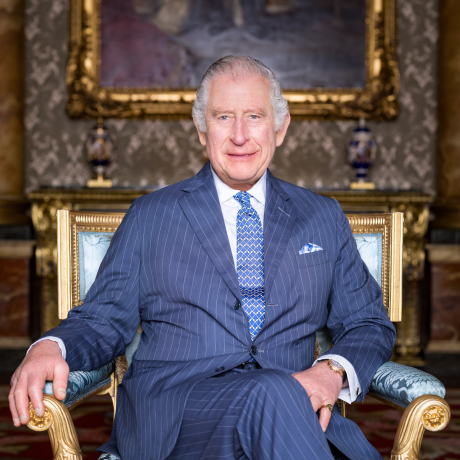
Example of visual style of Anna Wintour

Anna Wintour

Anna Wintour is a visual style that emerged in the late 20th century and continues to shape contemporary fashion. Famous for her role as the editor-in-chief of Vogue magazine since 1988, Wintour popularized and epitomized the fashion aesthetic of power dressing, sophistication, and trend-setting. Known for her signature bob haircut and oversized sunglasses, Wintour is a symbol of authority and influence in the fashion industry, bringing a mix of elegance, glamour, and meticulous attention to detail to her personal style and the pages of Vogue.

View StyleExplore Style
Example of visual style of Antebellum Architecture

Antebellum Architecture

Antebellum Architecture refers to the architectural style that was prominent in the Southern United States during the pre-Civil War period, specifically from the late 18th century to the mid-19th century. This style is famous for its grandeur, elegance, and adherence to classical design principles. Inspired by Greek and Roman architecture, it featured symmetrical facades, tall columns, expansive porticoes, and elaborate ornamentation. The antebellum period and its architecture became famous for its association with the plantation economy and the romanticized image of the Old South.

View StyleExplore Style
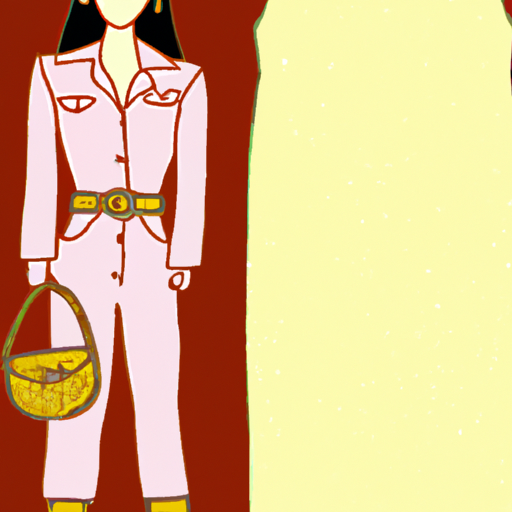
Example of visual style of Catherine Deneuve

Catherine Deneuve

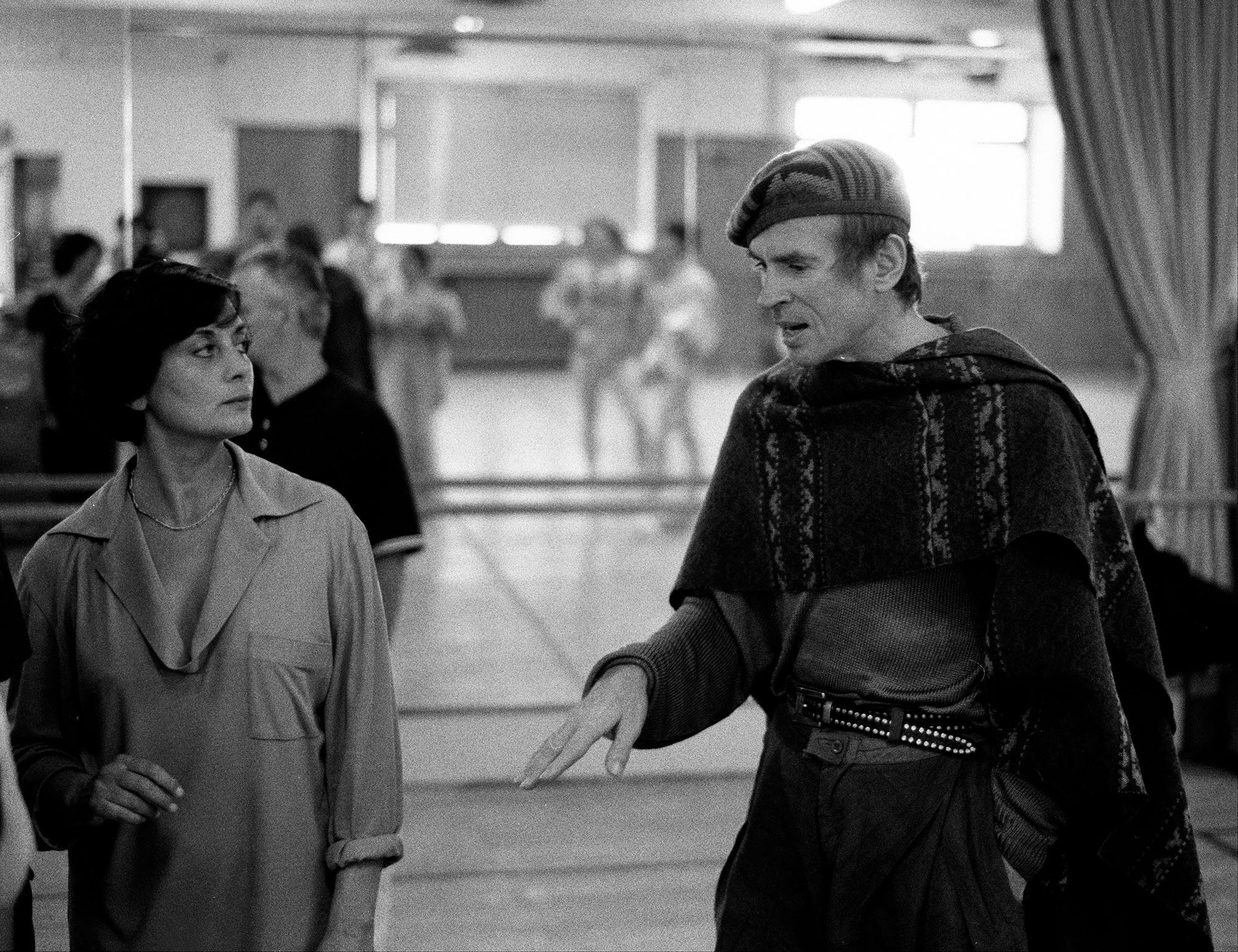
Catherine Deneuve is a style characterized by elegance, sophistication, and timeless beauty. Known for her roles in French films during the 1960s and 1970s, Deneuve became a style icon with her signature polished and refined looks. Her style drew inspiration from the chic and glamorous fashion of the era, but with her own unique twist. Deneuve was famous for her sleek hairstyles, flawless makeup, and her ability to effortlessly exude an air of mystery and allure. Her fashion choices often featured tailored silhouettes, luxurious fabrics, and a combination of classic and avant-garde designs. Catherine Deneuve's style remains influential and continues to inspire fashion lovers around the world.

View StyleExplore Style
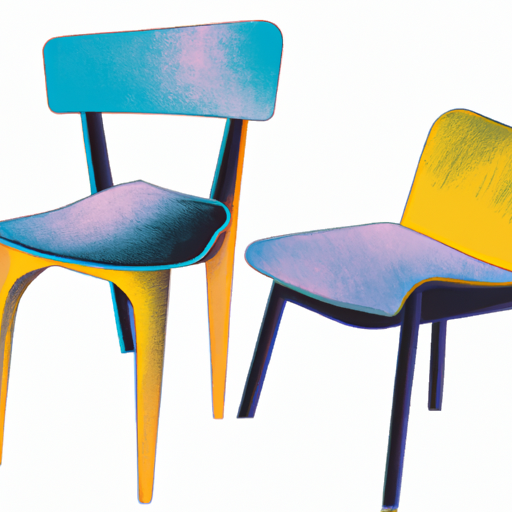
Example of visual style of Charles Eames

Charles Eames

The Charles Eames visual style emerged during the mid-20th century, from the 1940s to the 1970s. It is known for its innovative and iconic designs in furniture, architecture, and industrial design. Charles Eames, along with his wife Ray Eames, pioneered the use of new materials, especially molded plywood, in their creations. Their furniture pieces, such as the Eames Lounge Chair and Ottoman, became famous for their combination of comfort, functionality, and elegance. The Eameses' designs were characterized by clean lines, organic shapes, and a balance between form and function.

View StyleExplore Style
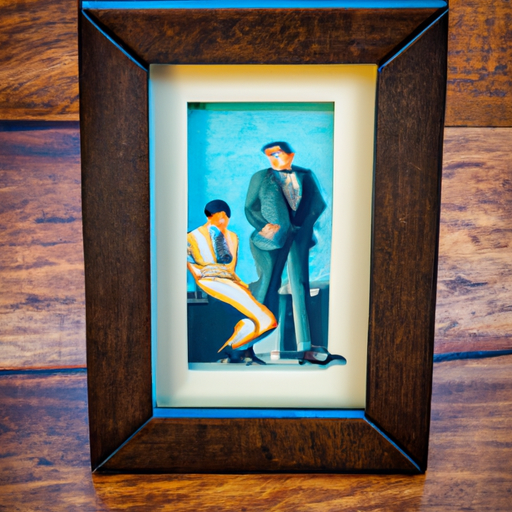
Example of visual style of Classic Hollywood Style

Classic Hollywood Style

The Classic Hollywood Style refers to the visual aesthetic and filmmaking techniques prevalent in Hollywood from the 1920s to the 1960s. This style was characterized by glamour, elegance, and larger-than-life storytelling. It became famous for its use of vibrant Technicolor, dramatic lighting, lavish costumes, and opulent sets. The Classic Hollywood Style reached its peak during the Golden Age of Hollywood, from the 1930s to the 1950s, when films like 'Gone with the Wind' and 'Casablanca' captivated audiences worldwide.

View StyleExplore Style
Example of visual style of Classicism

Classicism

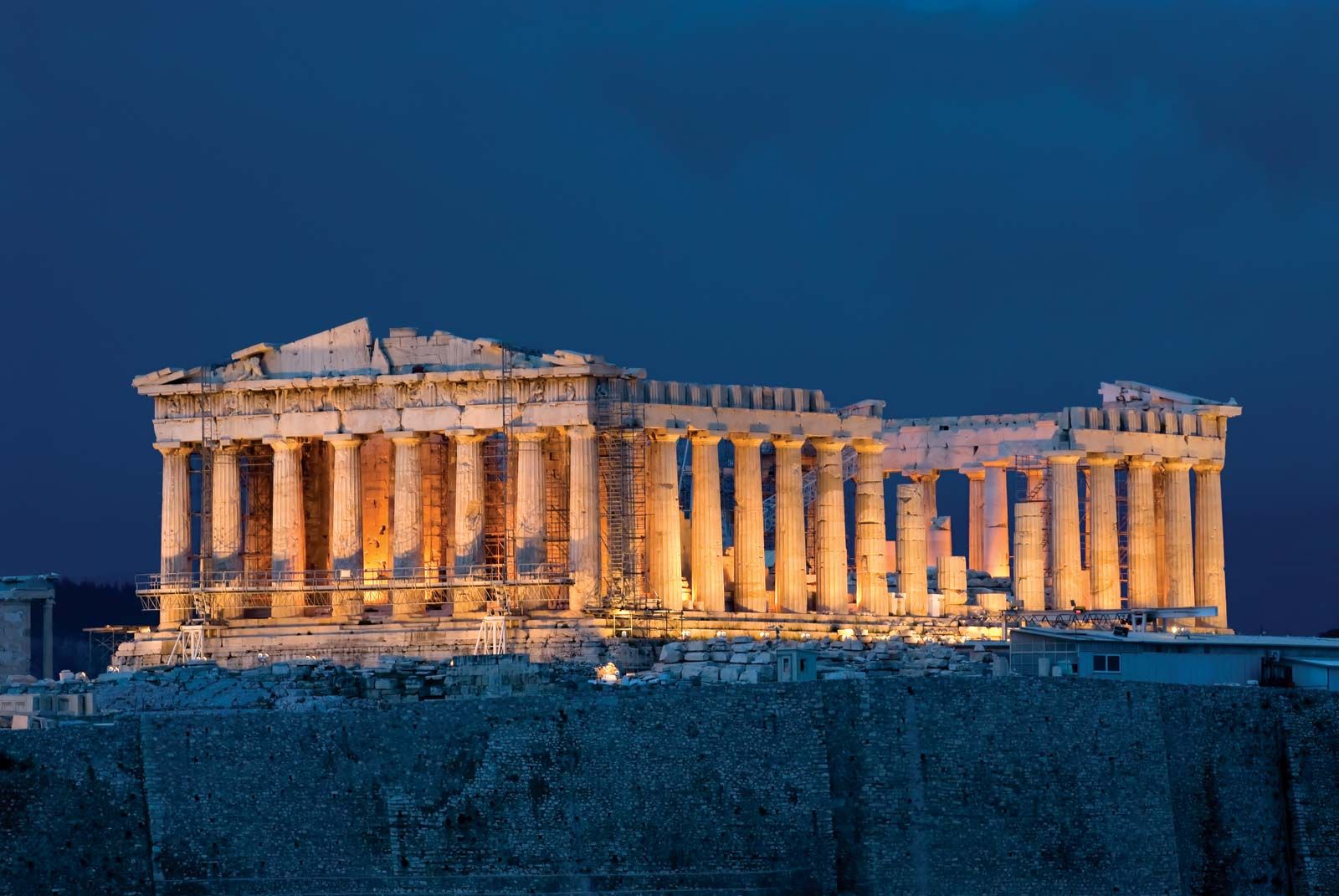
Classicism is a visual style that emerged in ancient Greece and Rome during the 5th century BC to the 3rd century AD. It was characterized by a return to the aesthetic principles of order, harmony, and balance that were prevalent in Greek and Roman art and architecture. The style gained prominence during the Renaissance in the 15th and 16th centuries. Classicism became famous for its focus on idealized forms, symmetrical compositions, and a sense of proportion. It celebrated the virtues of balance, clarity, and rationality.

View StyleExplore Style
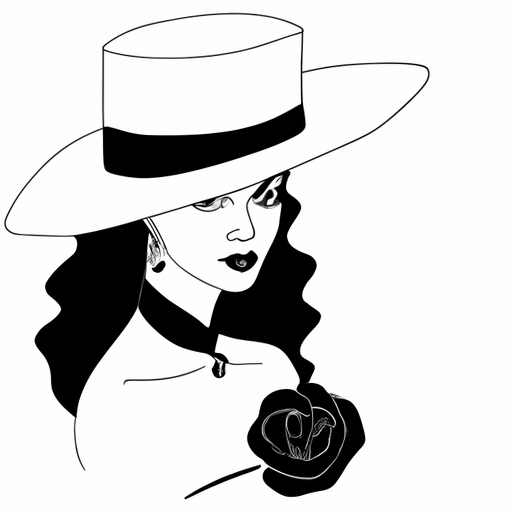
Example of visual style of Cristobal Balenciaga

Cristobal Balenciaga

Cristobal Balenciaga was a Spanish fashion designer known for his innovative designs and impeccable craftsmanship. Active from the 1930s to the 1960s, Balenciaga revolutionized the world of fashion with his bold and sculptural silhouettes. His designs often featured exaggerated proportions, unexpected fabric combinations, and intricate draping techniques. Balenciaga's attention to detail and his ability to create garments that perfectly fit the body made him a favorite among high society and Hollywood celebrities. His creations, characterized by their elegance, avant-garde shapes, and refined simplicity, played a significant role in shaping the fashion industry and continue to influence designers today.

View StyleExplore Style
Example of visual style of Danish Design

Danish Design

Danish Design refers to the design aesthetic that emerged in Denmark in the early 20th century and gained international recognition in the mid-20th century. Characterized by simplicity, functionality, and elegance, Danish Design beautifully combines form and function. It became famous in the 1950s and 1960s through the works of renowned Danish designers such as Arne Jacobsen and Hans Wegner, who introduced modernist principles and organic forms into furniture and product design.

View StyleExplore Style
Example of visual style of David Tutera

David Tutera

David Tutera is a renowned event planner and designer who is known for his luxurious and extravagant style. He rose to fame in the late 1990s and early 2000s for his expertise in creating opulent and visually stunning events, particularly weddings. Tutera is famous for his attention to detail, impeccable taste, and ability to transform ordinary spaces into extraordinary experiences. His signature style is characterized by elegance, sophistication, and a blend of classic and contemporary elements. Tutera has become a household name in the event planning industry and continues to inspire and influence aspiring designers and planners worldwide.

View StyleExplore Style
Example of visual style of Dutch 17th Century Architecture

Dutch 17th Century Architecture

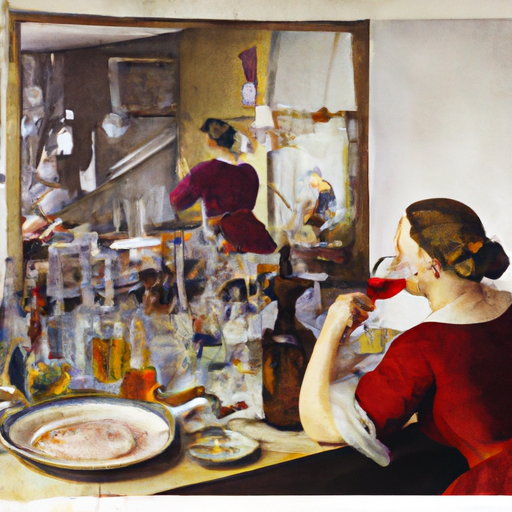
Dutch 17th Century Architecture refers to the architectural style that was prevalent in the Netherlands during the 17th century, also known as the Dutch Golden Age. It is characterized by a unique combination of simplicity, elegance, and practicality. The style gained fame during this period due to the economic prosperity of the Dutch Republic, which allowed for the construction of numerous grand buildings and townhouses. These structures were designed with careful attention to detail and showcased the Dutch mastery of brick and gable work. The architecture of this era also emphasized natural light, large windows, and open floor plans.

View StyleExplore Style
Example of visual style of Giorgio Armani

Giorgio Armani

Giorgio Armani is a style known for its timeless elegance, sophistication, and minimalism. Founded in 1975 by Italian designer Giorgio Armani, this visual style became famous for revolutionizing men's and women's fashion. Armani introduced clean lines, neutral colors, and luxurious fabrics, creating a modern and understated aesthetic. The brand gained popularity in the 1980s with the iconic power-suit, which became a symbol of success and confidence. Armani's style has continued to evolve and innovate, always maintaining a sense of timeless and effortless charm.

View StyleExplore Style
Example of visual style of Gregory Peck

Gregory Peck

The Gregory Peck visual style is inspired by the classic Hollywood era of the 1950s and 1960s, popularized by the iconic actor Gregory Peck. This style is characterized by sophisticated and timeless elegance, with an emphasis on tailored suits, crisp shirts, and polished accessories. The Gregory Peck style became famous during the height of Peck's career, particularly in films like 'Roman Holiday' (1953) and 'To Kill a Mockingbird' (1962), where he portrayed strong and honorable characters. This visual style epitomizes refined masculinity and has become synonymous with timeless Hollywood glamour.

View StyleExplore Style
Example of visual style of Hans Holbein The Younger

Hans Holbein The Younger

Hans Holbein the Younger was a German artist and painter who lived during the 16th century. He is best known for his highly detailed and realistic portraits, particularly of the English royal court. Holbein's style was characterized by his meticulous attention to detail, the use of vibrant colors, and a strong emphasis on capturing the likeness and personality of his subjects. His portraits often exuded a sense of dignity and elegance, showcasing the refinement and grandeur of the Renaissance era. His work became famous for its lifelike representation and ability to capture the complex textures and materials of clothing and jewelry. Holbein's style reached its height of popularity during his time in England, where he painted prominent figures such as King Henry VIII and his wives. His meticulous technique and ability to portray individuals with utmost realism made him one of the most renowned portrait artists of his time.

View StyleExplore Style
Example of visual style of Haute Couture

Haute Couture

Haute Couture is a high-fashion style that emerged in the mid-19th century and continues to define luxury and exclusivity in the world of fashion. Originating in Paris, France, Haute Couture refers to custom-made, handcrafted garments that are created with exceptional attention to detail and craftsmanship. This style became famous during the 20th century, with notable years such as the 1920s and the post-World War II period. Haute Couture gained its reputation through its association with renowned fashion houses and designers like Chanel, Dior, and Balenciaga, who pushed the boundaries of creativity and revolutionized the industry. Characterized by its intricacy, innovation, and quality, Haute Couture has become synonymous with elegance, sophistication, and unparalleled luxury.

View StyleExplore Style
Example of visual style of Hermes

Hermes

Hermes is a visual style that emerged in the late 19th century and became famous in the early 20th century. It is characterized by its emphasis on luxury, elegance, and fine craftsmanship. With its roots in the fashion industry, Hermes is renowned for its high-quality and timeless designs. The style gained popularity through the use of vibrant colors, intricate patterns, and exquisite details. It became an icon of luxury and sophistication, attracting a prestigious clientele worldwide.

View StyleExplore Style
Example of visual style of Hermes Design

Hermes Design

Hermes Design is a luxurious and timeless visual style that gained prominence in the mid-20th century. It is named after the renowned French fashion and luxury brand, Hermes. This style is famous for its exquisite craftsmanship, refinement, and attention to detail. The design elements in Hermes Design often include clean lines, high-quality materials, and a balance between classical and modern aesthetics. It became particularly famous during the 1950s and 1960s, when the brand expanded its range beyond fashion accessories to include home decor and furnishings. The Hermes Design style exudes elegance, sophistication, and a sense of exclusivity.

View StyleExplore Style
Example of visual style of Hollywood Glamour

Hollywood Glamour

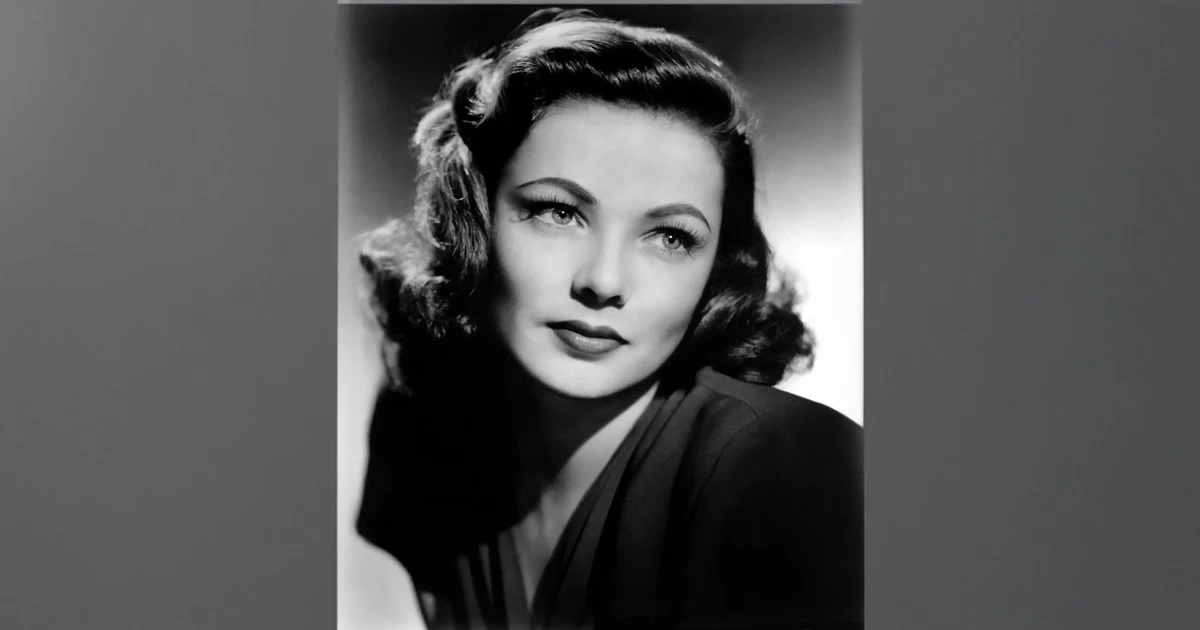
Hollywood Glamour is a visual style that emerged in the 1930s and reached its peak during the 1940s and 1950s. This style is known for its opulence, elegance, and sophistication, which became iconic in the Golden Age of Hollywood. The use of luxurious fabrics, elaborate costumes, and exquisite jewelry characterized this style. Hollywood Glamour became famous for its portrayal of movie stars and their glamorous lifestyles, capturing the imagination of audiences worldwide.

View StyleExplore Style
Home