StylopediaStylopedia

Elaborate styles on Stylopedia

A visual encyclopedia of elaborate styles – use as prompt inspiration for Midjourney, Gemini, or ChatGPT AI when making elaborate images

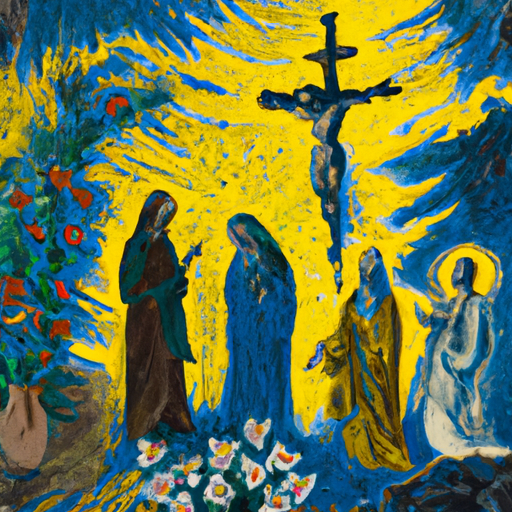
Example of visual style of Antoni Gaudí

Antoni Gaudí

Antoni Gaudí was a Catalan architect from the late 19th and early 20th century, known for his unique and highly distinctive architectural style. Gaudí's style is characterized by its organic forms, elaborate detailing, and the integration of natural elements. His most famous works, such as the Sagrada Família and Casa Batlló in Barcelona, are prime examples of his style. Gaudí's use of innovative structural solutions, including the combination of materials such as stained glass, ceramics, stone, and iron, made his works truly revolutionary for his time. His style became famous for its combination of art and architecture, blending aesthetics with functionality to create truly awe-inspiring spaces.

View StyleExplore Style
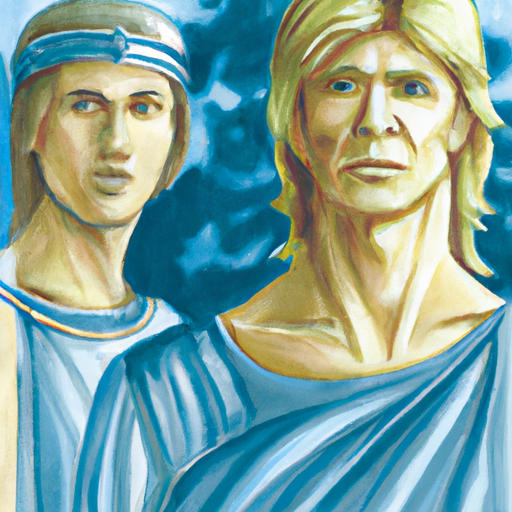
Example of visual style of Arabesque Design

Arabesque Design

Arabesque Design is a style characterized by intricate and ornate patterns influenced by Islamic art. It emerged during the Islamic Golden Age from the 8th to the 15th centuries. Arabesque patterns are famous for their elaborate intertwining vines, leaves, and floral motifs, often combined with geometric shapes. These designs became increasingly popular in architecture, textiles, pottery, and book illumination. Arabesque Design is known for its symmetrical and repetitive patterns, emphasizing the interplay of light and shadow on surfaces. It is considered one of the most important and enduring visual styles of Islamic art and has influenced numerous other artistic movements throughout history.

View StyleExplore Style
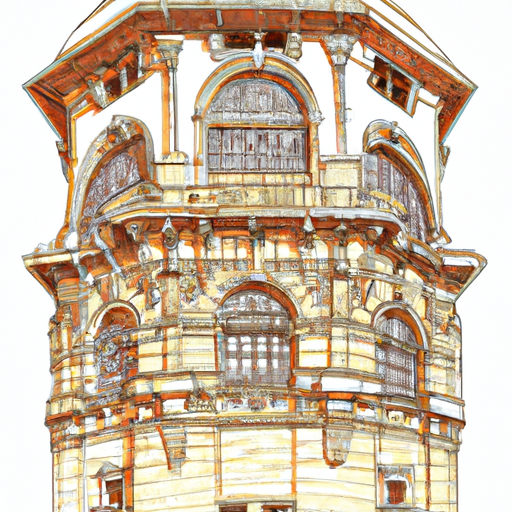
Example of visual style of Baroque

Baroque

Baroque is a highly ornamental and dramatic style that emerged in Europe around the late 16th century and remained prominent until the early 18th century. It is known for its grandeur, opulence, and theatricality. Baroque style captivated audiences with its elaborate details, exaggerated gestures, and vibrant colors. It was characterized by the use of dynamic and sweeping curves, intricate ornamentation, and abundant decorative elements. This style became famous for its luxuriousness and the way it evoked strong emotions through its ornate compositions and intense lighting effects.

View StyleExplore Style
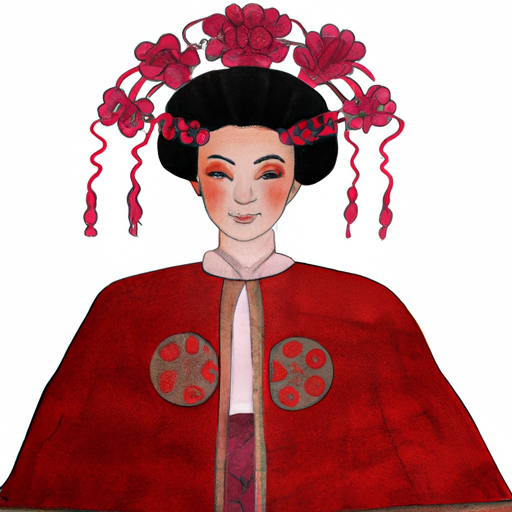
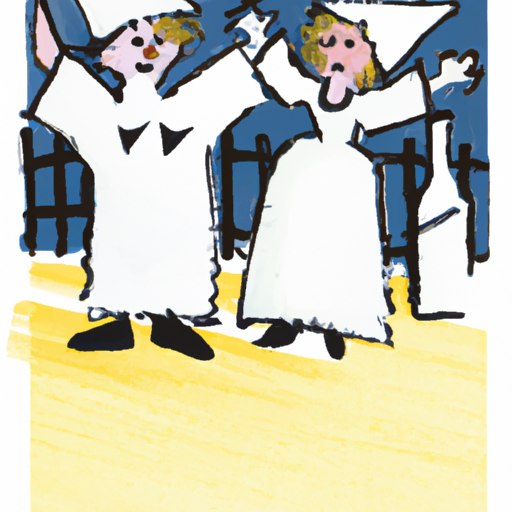
Example of visual style of Beatrice Coron

Beatrice Coron

Beatrice Coron is a contemporary artist known for her intricate cut paper artworks. Her visual style is characterized by highly detailed and elaborate paper cuttings, resulting in mesmerizing silhouettes and intricate designs. She creates narratives and stories through her cuttings, which often depict scenes from everyday life or fantastical worlds. Her work gained popularity in the 1990s and continues to be highly regarded in the contemporary art world. Coron's unique approach to paper cutting and her ability to transform simple material into complex and compelling artworks is what made her famous.

View StyleExplore Style
Example of visual style of Beaux Arts Movement

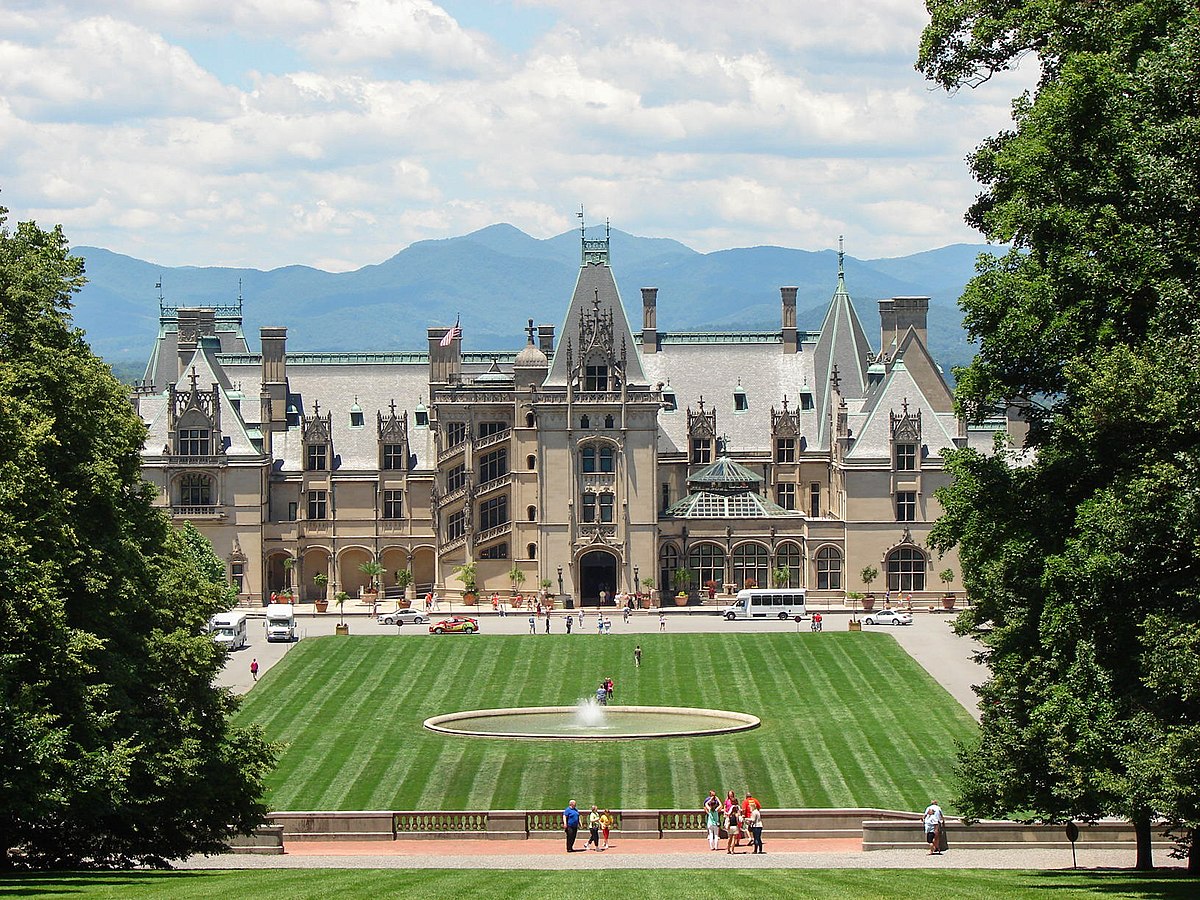
Beaux Arts Movement

Beaux Arts Movement was a late 19th and early 20th-century architectural and artistic style that was famous for its grandiose and elaborate designs. It originated in France in the 19th century and spread to other parts of Europe and North America. This style was influential in the design of public buildings, particularly in the United States, and was characterized by a classical aesthetic, intricate ornamentation, and a sense of grandeur. It emphasized symmetry, proportion, and the use of classical architectural elements such as columns, domes, and arches.

View StyleExplore Style
Example of visual style of Christian Dior

Christian Dior

Christian Dior is a French fashion house known for its luxurious and elegant visual style. The style emerged in the late 1940s and became famous with the introduction of Dior's 'New Look' in 1947. The 'New Look' was characterized by a cinched waist, full skirt, and emphasized femininity. It revolutionized post-war fashion and brought a sense of opulence back to the industry. Dior's designs were often elaborate, with intricate detailing, luxurious fabrics, and a focus on tailored silhouettes.

View StyleExplore Style
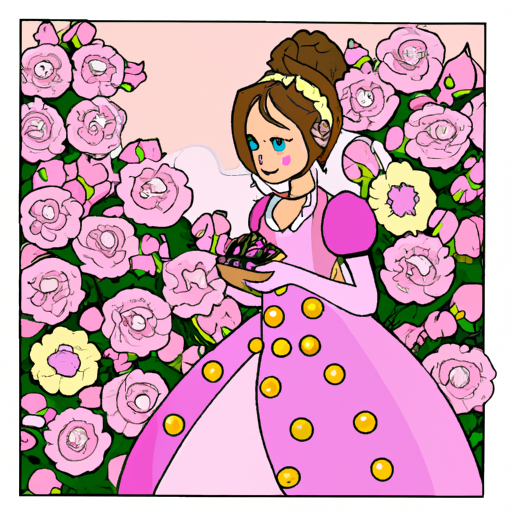
Example of visual style of Cinderella

Cinderella

Cinderella is a visual style inspired by the fairytale of Cinderella. It became famous in the mid-20th century, particularly with the release of the Disney animated film in 1950. This style is characterized by its romantic and dreamy aesthetic, featuring elaborate ballgowns, ornate castles, and whimsical elements. The story of Cinderella and its visual style have influenced numerous designers and artists, making it a timeless and beloved theme in the world of fashion and art.

View StyleExplore Style
Example of visual style of Francesco Borromini

Francesco Borromini

Francesco Borromini was an Italian architect and prominent figure of the Baroque style in the 17th century. His architectural style is characterized by dynamic and elaborate designs, intricate use of curves, undulating walls, and a sense of motion. Borromini's innovative use of concave and convex forms, coupled with his mastery of light and shadow, created a unique and dramatic visual experience. His works were known for their grandeur, theatricality, and attention to detail. Borromini is famous for his contributions to the Church of Sant'Ivo alla Sapienza and the San Carlo alle Quattro Fontane in Rome, which are considered masterpieces of Baroque architecture.

View StyleExplore Style
Example of visual style of Franquin

Franquin

Franquin is a visual style that emerged during the 20th century, particularly in the field of comic art. It is named after its creator, André Franquin, a Belgian cartoonist who revolutionized the genre. Franquin's style gained fame in the 1950s and 1960s through his work on iconic comic series such as 'Spirou et Fantasio' and 'Gaston Lagaffe'. Known for its dynamic and expressive characters, elaborate backgrounds, and intricate details, Franquin's style became synonymous with humor, satire, and social critique.

View StyleExplore Style
Example of visual style of Freddie Mercury

Freddie Mercury

The visual style of Freddie Mercury, the iconic lead vocalist of the rock band Queen, was flamboyant, theatrical, and avant-garde. He rose to fame in the 1970s and 1980s, becoming one of the most influential and beloved figures in rock music history. Freddie Mercury's style was characterized by his extravagant stage outfits, including tight-fitting bodysuits, colorful and elaborate costumes, and stunning accessories such as capes and crowns. Known for his high-energy performances, Mercury's stage presence was captivating, and his fashion choices played a significant role in his legendary status.

View StyleExplore Style
Example of visual style of Graffiti

Graffiti

Graffiti is a visually striking and expressive style of art that originated in the late 1960s to early 1970s. It became famous for its bold, colorful, and often elaborate lettering and images painted on public spaces such as walls, trains, and buildings. This rebellious form of art gained prominence in urban cities and served as a voice for marginalized communities. Spray paint and markers are commonly used to create intricate designs and vibrant colors. Graffiti artists embrace a sense of anonymity and often adopt pseudonyms to avoid legal repercussions for their work.

View StyleExplore Style
Example of visual style of Grand Baroque Style

Grand Baroque Style

Grand Baroque Style was a highly ornate and extravagant visual style that emerged in Europe during the late 17th and early 18th centuries. It reached its peak in popularity during the Baroque period (1600-1750). This style is characterized by its opulence, dynamism, and intricate detailing. Grand Baroque Style is famous for its lavish use of decorations such as gilding, heavy draperies, dramatic sculptures, and elaborate architectural designs. The emphasis on grandeur and theatricality made this style popular among the European aristocracy and the Catholic Church.

View StyleExplore Style
Home