
StylopediaStylopedia

Efficiency styles on Stylopedia

A visual encyclopedia of efficiency styles – use as prompt inspiration for Midjourney, Gemini, or ChatGPT AI when making efficiency images

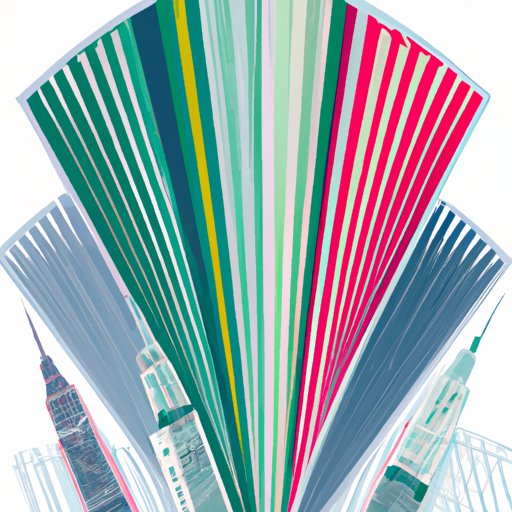
Example of visual style of Brave New World

Brave New World

Brave New World is a dystopian visual style that became famous in the early 20th century. It was heavily influenced by the surge in technological advancements and industrialization. This style is characterized by its futuristic and sleek designs, minimalist aesthetics, and an emphasis on efficiency and uniformity. Brave New World reflects a world controlled by an authoritative government, where individualism and personal freedom are suppressed in favor of conformity. It gained popularity through Aldous Huxley's novel of the same name, published in 1932, which depicted a future society dominated by technology and genetic engineering.

View StyleExplore Style

Example of visual style of Henry Dreyfuss

Henry Dreyfuss

Henry Dreyfuss was an American industrial designer who revolutionized the field of industrial design in the 20th century. His style, prevalent during the 1930s to 1950s, focused on creating functional, user-friendly and aesthetically pleasing designs. Dreyfuss believed that design should be centered around the needs and habits of the user, and his work is characterized by its ergonomic approach, simplicity, and efficiency. His famous designs include the iconic Bell Telephone, Honeywell thermostat, and the 20th Century Limited locomotive. His emphasis on human-centered design and user experience made him a pioneer in the field of industrial design.

View StyleExplore Style
Example of visual style of Industrial design

Industrial design

Industrial Design is a visual style characterized by a focus on functionality, efficiency, and mass production. It emerged during the late 19th and early 20th centuries, but gained prominence in the mid-20th century through the works of influential designers such as Raymond Loewy and Dieter Rams. The style became famous for its sleek lines, minimal ornamentation, and the use of industrial materials like steel, glass, and concrete. Industrial Design aimed to create practical and aesthetically appealing products for mass consumption, reflecting the advancements and aspirations of the machine age.

View StyleExplore Style
Example of visual style of Machine Age

Machine Age

Machine Age, also known as the Industrial style, emerged during the early 20th century (approximately 1910-1940). This visual style was influenced by the rapid advancements in technology and the rise of industrialization. It was characterized by an emphasis on geometric shapes, streamlined forms, and a celebration of industrial materials such as steel, glass, and concrete. Machine Age became famous for its sleek and futuristic aesthetic, inspired by the efficiency and precision of machines. It represented a departure from the ornate and decorative styles of the past, embodying a more minimalist and functional approach to design.

View StyleExplore Style
Example of visual style of Productivism

Productivism

Productivism was an influential visual style that emerged in the early 20th century, particularly prominent in Russia. It was founded by a group of artists and designers who believed in the power of industrial production and technology to shape society. The movement gained fame during the years 1917-1932, with the rise of the Soviet Union and its focus on industrialization. Productivism emphasized functionality, efficiency, and mass production. It aimed to integrate art and design into everyday life, with a particular focus on creating aesthetically pleasing yet practical products and environments.

View StyleExplore Style
Example of visual style of Raymond Loewy

Raymond Loewy

Raymond Loewy was an industrial designer who was active from the 1930s to the 1970s. He is known for pioneering the concept of streamlining in design, which became popular during the post-World War II era. Loewy's designs were characterized by sleek and aerodynamic forms, clean lines, and a sense of speed. He introduced the idea of combining form and function, creating visually appealing designs that were also practical and efficient. Some of his most famous designs include the Shell and Exxon logos, the Greyhound bus, and the Studebaker Avanti. Loewy played a crucial role in shaping the visual identity of several iconic American brands.

View StyleExplore Style
Example of visual style of Urban Planning

Urban Planning

Urban Planning is a style that focuses on designing and organizing cities and urban areas to optimize functionality, aesthetic appeal, and sustainability. It emerged as a distinct field in the late 19th century and gained prominence in the early 20th century. Notable years in urban planning include the 1920s and 1930s when the concepts of modernism and urban renewal influenced the development of cities. Urban Planning became famous for its emphasis on creating functional urban spaces, promoting efficient transportation systems, and designing public parks and recreational areas.

View StyleExplore Style
Home