StylopediaStylopedia

Eerie styles on Stylopedia

A visual encyclopedia of eerie styles – use as prompt inspiration for Midjourney, Gemini, or ChatGPT AI when making eerie images

Example of visual style of Crimson Peak

Crimson Peak

Crimson Peak is a visual style that blends elements of Gothic literature and Victorian era aesthetics. It gained prominence in the 19th century and became famous for its eerie and atmospheric settings characterized by decaying mansions, dark hallways, and haunting landscapes. This style is best known for its striking use of deep reds, purples, and dark hues to create an unsettling and haunting ambiance. The visual style of Crimson Peak was popularized by the film of the same name, directed by Guillermo del Toro in 2015.

View StyleExplore Style
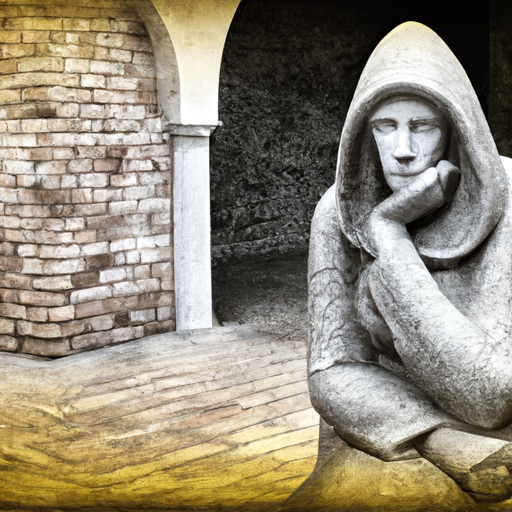
Example of visual style of Dark Art

Dark Art

Dark Art is a visual style characterized by its somber and macabre themes, often exploring the darker aspects of the human psyche. It emerged in the late 18th century and gained popularity in the 19th and 20th centuries. The style became famous for its use of gloomy color palettes, eerie lighting, and emphasis on the mysterious and grotesque. Dark Art encapsulates a wide range of artistic expressions, from Gothic literature and Romantic paintings to contemporary horror films and surrealist works.

View StyleExplore Style
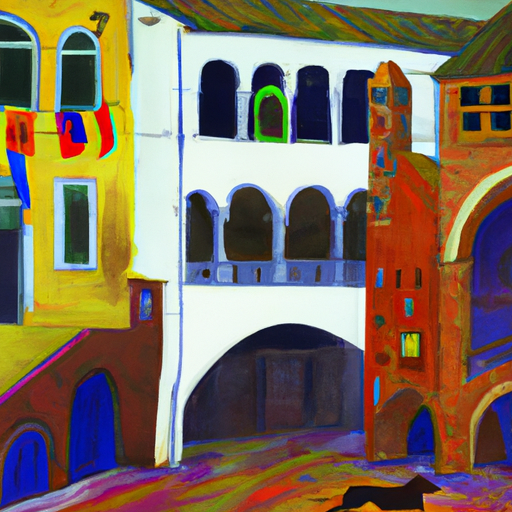
Example of visual style of Dark Fantasy

Dark Fantasy

Dark Fantasy is a visual style characterized by its eerie and mysterious atmosphere, combining elements of fantasy and horror. It emerged in the late 18th century with the Gothic literature movement, gaining popularity in the 19th and early 20th centuries. Dark Fantasy is often associated with macabre and supernatural themes, featuring haunted landscapes, grotesque creatures, and dramatic lighting. Its fame grew through the works of authors like Edgar Allan Poe and artists like Hieronymus Bosch.

View StyleExplore Style
Example of visual style of David Lynch

David Lynch

David Lynch is a visionary filmmaker known for his unique and enigmatic visual style. His style emerged in the 1980s and gained widespread recognition through his acclaimed film 'Eraserhead' released in 1977 and the TV series 'Twin Peaks' in the early 1990s. Lynch's visual style is characterized by surrealism, psychological depth, and a sense of mystery. He often juxtaposes light and dark elements, creating a dreamlike atmosphere that blurs the lines between reality and imagination. Through the use of unconventional camera angles, eerie lighting, and haunting sound design, Lynch's work embodies a haunting and unsettling beauty.

View StyleExplore Style
Example of visual style of Giorgio De Chirico

Giorgio De Chirico

Giorgio De Chirico was an Italian artist known for his style of metaphysical painting, which emerged in the early 20th century. His works are characterized by eerie, dreamlike landscapes with deserted squares, arcades, and classical architecture. De Chirico's art often featured sharp contrasts of light and shadow, as well as unexpected perspectives and juxtapositions. His iconic work 'The Melancholy of Departure' painted in 1914 became famous and helped establish his reputation as a leading figure in the Surrealist movement.

View StyleExplore Style
Example of visual style of Gothic Horror

Gothic Horror

Gothic Horror is a visual style that emerged in the late 18th and early 19th centuries. It became famous through literature and later extended to other art forms. This style is characterized by its macabre and gloomy atmosphere, combining elements of horror, suspense, and the supernatural. Gothic Horror often features eerie castles, dark forests, graveyards, and haunted mansions as settings. It explores themes of death, decay, madness, and the unknown, making use of dramatic lighting, exaggerated shadows, and grotesque or supernatural creatures. Prominent examples include Mary Shelley's 'Frankenstein' published in 1818 and Bram Stoker's 'Dracula' published in 1897.

View StyleExplore Style
Example of visual style of Horror Art

Horror Art

Horror Art is a visual style that emerged in the late 18th century and gained popularity in the 19th and 20th centuries. It is characterized by its dark and macabre themes, often depicting supernatural elements, monsters, and eerie atmospheres. The style became famous through the works of renowned artists like Francisco Goya, Hieronymus Bosch, and H.R. Giger, who explored the darker aspects of human nature and the unknown. Horror Art delves into our deepest fears, presenting them in a visually unsettling and evocative manner.

View StyleExplore Style
Example of visual style of Horror Fiction

Horror Fiction

Horror Fiction is a visual style that aims to depict fear, terror, and the supernatural in a captivating and unsettling manner. It gained popularity in the late 18th century with the emergence of Gothic literature, with influential works like Mary Shelley's 'Frankenstein' and Bram Stoker's 'Dracula'. This style became particularly famous during the 20th century with the rise of horror movies and iconic authors such as H.P. Lovecraft and Stephen King. Horror Fiction often employs dark and intense color palettes, dramatic lighting, grotesque and macabre imagery, and eerie atmospheres to evoke feelings of suspense and horror.

View StyleExplore Style
Example of visual style of HP Lovecraft

HP Lovecraft

HP Lovecraft is known for his unique style of cosmic horror. Born in 1890 and active in the early 20th century, Lovecraft's writings became famous for their eerie and macabre themes. His works centered around the idea that human knowledge and understanding is insignificant in the face of ancient and alien beings. Lovecraft's writing style often included detailed descriptions of bizarre and nightmarish creatures, landscape, and architecture, creating a sense of unease and dread.

View StyleExplore Style
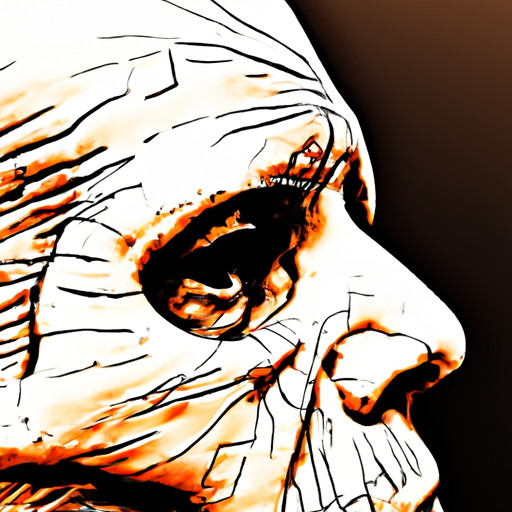
Example of visual style of Marion Peck

Marion Peck

The visual style of Marion Peck is characterized by whimsical and surreal subject matters portrayed with meticulous detail and vibrant colors. Peck's style emerged in the late 1990s and became popular in the early 2000s, gaining recognition for its unique blend of nostalgic, dreamlike imagery infused with a touch of dark humor. Her works often depict strange and fantastical scenes featuring anthropomorphic animals, eerie portraits, and dreamscapes. Peck's meticulous technique and use of bold colors have made her style instantly recognizable and influential in contemporary pop surrealism.

View StyleExplore Style
Example of visual style of Tara Mcpherson

Tara Mcpherson

Tara Mcpherson is a contemporary visual artist known for her unique and captivating style of pop surrealism. Her work combines elements of fantasy, science fiction, and nostalgia, creating dreamlike and emotionally charged illustrations. Mcpherson rose to prominence in the early 2000s through her distinct use of vibrant colors, intricate details, and symbolic imagery. Her art often features eerie yet beautiful female characters with expressive eyes and flowing hair. The combination of her rich color palette, evocative storytelling, and deep emotional themes has made Tara Mcpherson's style a renowned and influential force in the contemporary art world.

View StyleExplore Style
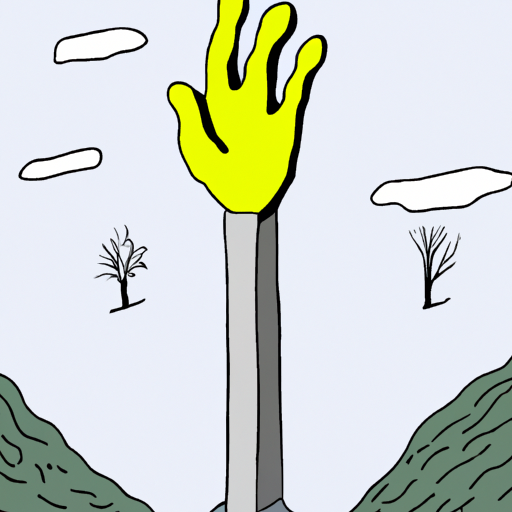
Example of visual style of The Munsters

The Munsters

The Munsters is a visual style that became famous in the 1960s. It is characterized by a mix of Gothic horror and slapstick comedy. The style is known for its macabre and Halloween-inspired aesthetics, featuring dark and eerie settings, spooky decorations, and characters with exaggerated features like pointed ears and sharp teeth. It gained popularity due to its unique blend of the horror genre with humor, as well as its satirical take on the typical American family sitcom.

View StyleExplore Style
Example of visual style of Vertigo

Vertigo

Vertigo is a visual style that originated in the 1950s and became famous for its distinctive use of color, composition, and visual illusions. It is primarily associated with the American suspense thriller film 'Vertigo' directed by Alfred Hitchcock in 1958. This style is characterized by its dizzying and disorienting visuals, often achieved through the use of unique camera angles, spiraling patterns, and distorted perspectives. It is known for its atmospheric and dreamlike quality, captivating audiences with its eerie and psychological nature. Vertigo's fame stems from its ability to manipulate the viewer's perception, creating a sense of unease and suspense.

View StyleExplore Style
Example of visual style of Zdzisaw Beksiski

Zdzisaw Beksiski

Zdzisaw Beksiski was a Polish artist known for his dark and dystopian style. His visual style gained popularity in the late 20th century and continues to be influential today. Beksiski's art often depicted eerie, post-apocalyptic landscapes and unsettling beings. His use of contrasting colors, surreal and abstract elements, and attention to detail made his works stand out. Beksiski gained fame for his ability to evoke intense emotions and create a sense of unease through his artwork.

View StyleExplore Style
Home