StylopediaStylopedia

Edgy styles on Stylopedia

A visual encyclopedia of edgy styles – use as prompt inspiration for Midjourney, Gemini, or ChatGPT AI when making edgy images

Example of visual style of Blondie

Blondie

Blondie is a visual style that emerged in the late 1970s and gained popularity throughout the 1980s. It is characterized by a blend of new wave and punk rock aesthetics, with an emphasis on vibrant colors, edgy fashion, and a rebellious attitude. Blondie, the American rock band fronted by Debbie Harry, played a significant role in popularizing this style through their music and iconic album covers. The style became famous for its bold and eclectic mix of influences, creating a unique fusion of punk, disco, and pop culture.

View StyleExplore Style
Example of visual style of Carine Roitfeld

Carine Roitfeld

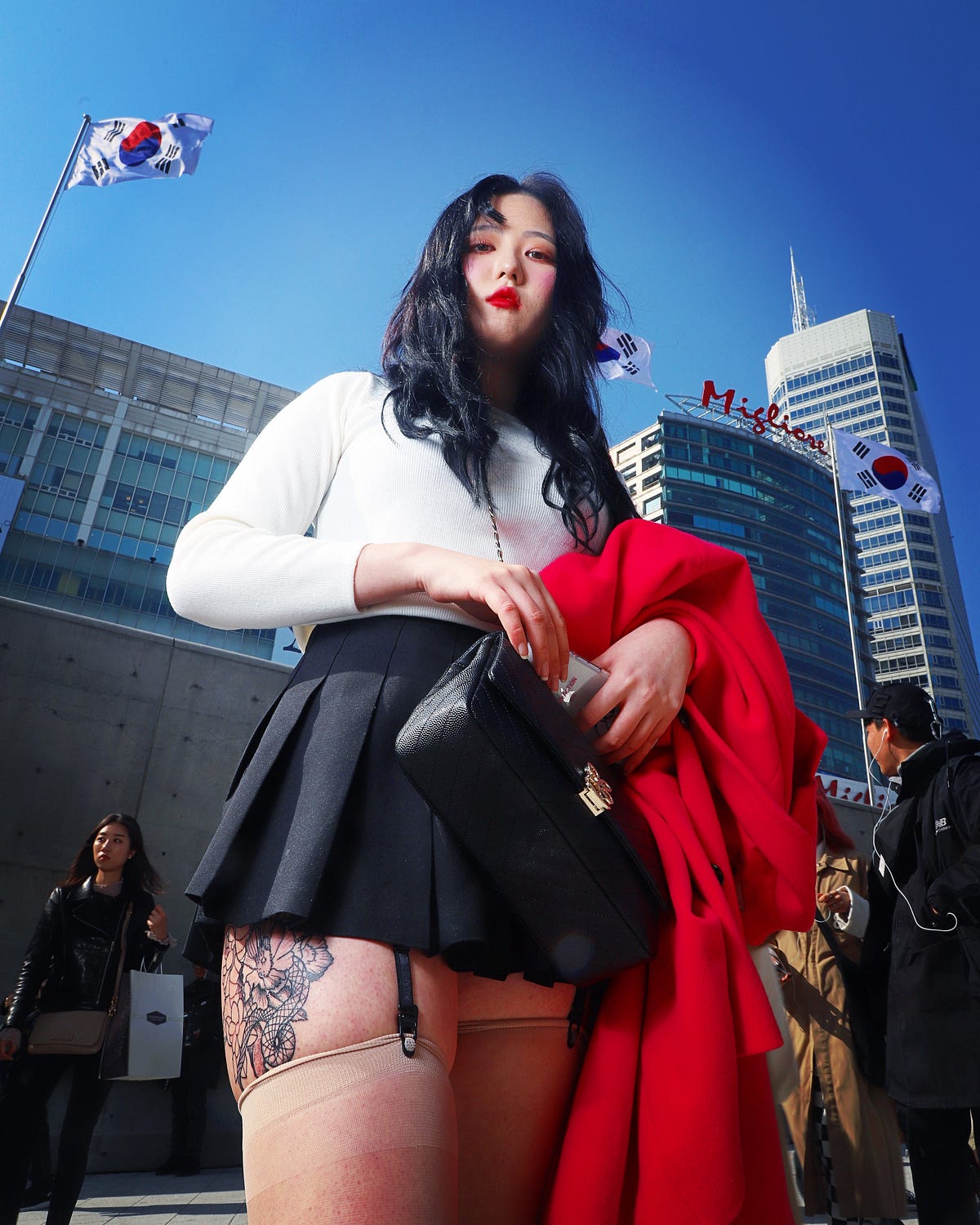
Carine Roitfeld is known for her edgy, provocative, and glamorous visual style. Her influence in the fashion industry began in the early 2000s when she became the editor-in-chief of French Vogue. Roitfeld's style is characterized by her love for slim silhouettes, high heels, and bold accessories. She gained notoriety for pushing boundaries and challenging traditional fashion norms through her editorials. Her work often features a mix of luxurious fabrics, avant-garde designs, and an emphasis on sensuality. Carine Roitfeld's unique vision has made her an icon in the fashion world and a trendsetter for many aspiring designers.

View StyleExplore Style
Example of visual style of Debbie Harry

Debbie Harry

Debbie Harry style was iconic in the late 1970s and 1980s. She was the lead singer of the band Blondie, and her unique look combined elements of punk, new wave, and rock fashion. Known for her platinum blonde hair, bold makeup, and edgy wardrobe, Debbie Harry became a fashion icon of the era. Her style was a mix of rebellion and glamour, with leather jackets, ripped t-shirts, tight fitting dresses, and statement accessories. With her fearless attitude and distinctive image, Debbie Harry left a lasting impact on the music and fashion scene of her time.

View StyleExplore Style
Example of visual style of Fight Club

Fight Club

The visual style of Fight Club can be described as dark, gritty, and edgy. The film, released in 1999, became famous for its unique blend of unconventional storytelling, striking cinematography, and atmospheric visuals. The use of low-key lighting, desaturated colors, and high contrast creates a moody and raw aesthetic that complements the themes of rebellion and disillusionment explored in the movie. Fight Club's visual style became influential in the late 90s and early 2000s, inspiring a number of other films and establishing director David Fincher as a master of visual storytelling.

View StyleExplore Style
Home