StylopediaStylopedia

Eccentric styles on Stylopedia

A visual encyclopedia of eccentric styles – use as prompt inspiration for Midjourney, Gemini, or ChatGPT AI when making eccentric images

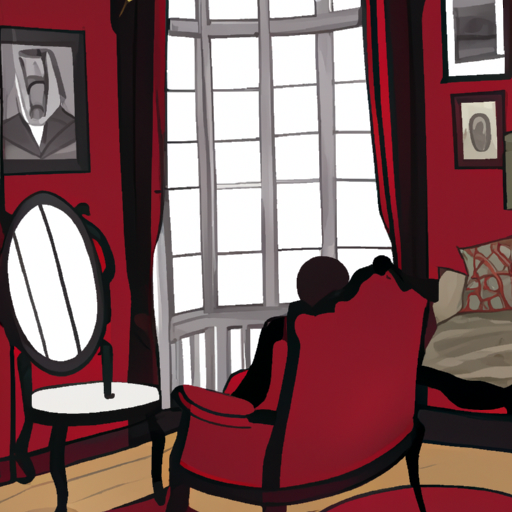
Example of visual style of Charles Addams

Charles Addams

Charles Addams style is a unique brand of macabre and dark humor. He is best known for his cartoons and illustrations in The New Yorker magazine from the late 1930s until his death in 1988. Addams' style became famous for its dark and unsettling imagery, often featuring gothic mansions, eccentric characters, and morbid situations. His work gained popularity due to its clever and distinct blend of humor and horror. Addams' illustrations have since influenced various mediums, including movies, TV shows, and graphic novels.

View StyleExplore Style
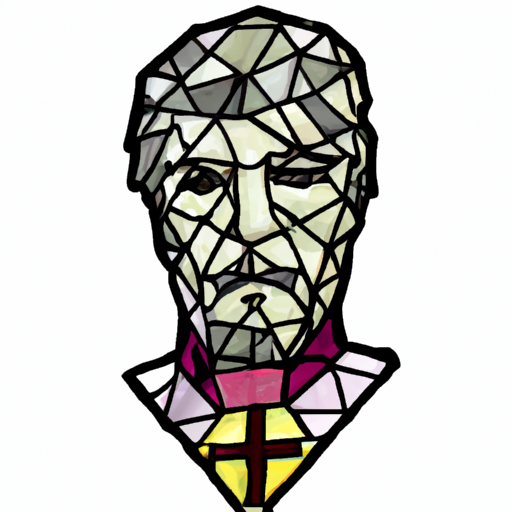
Example of visual style of Daphne Guinness

Daphne Guinness

Daphne Guinness is a style icon known for her avant-garde and eccentric fashion sense. Her style emerged in the late 2000s and gained significant attention in the fashion world. She is renowned for her bold and unconventional choices, often combining unexpected elements and materials to create visually striking outfits. Guinness is best known for her distinctive personal style, characterized by dramatic silhouettes, intricate detailing, and an affinity for couture. Her unique and fearless approach to fashion has made her an influential figure in the industry.

View StyleExplore Style

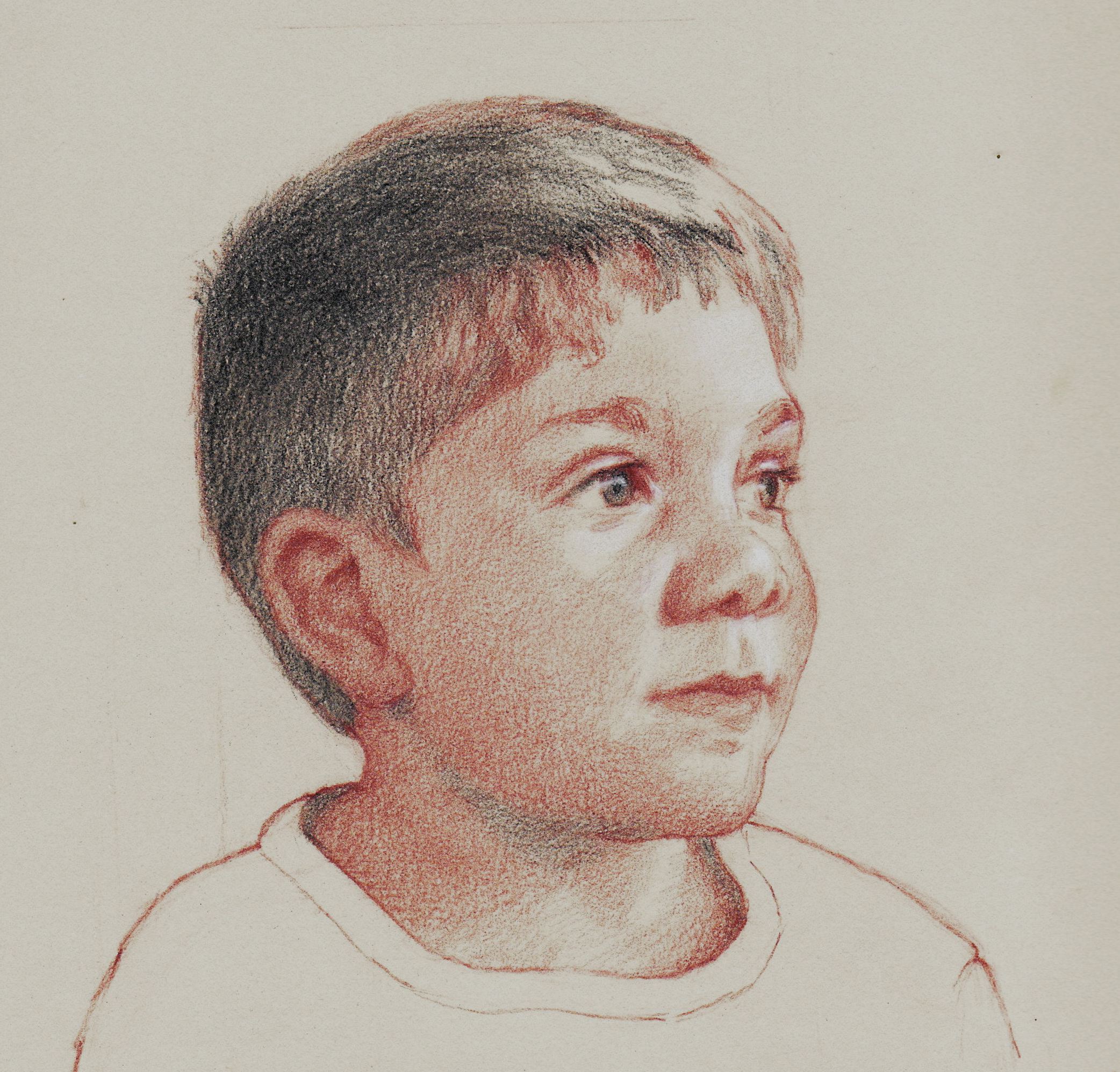
Example of visual style of Gaston Lagaffe

Gaston Lagaffe

Gaston Lagaffe is a comic strip character created by Belgian cartoonist André Franquin in 1957. The visual style of Gaston Lagaffe is characterized by its lively and humorous illustrations and the use of colorful and exaggerated character designs. This style became famous for its light-hearted and slapstick humor, as well as its relatable depiction of an eccentric and absent-minded office worker. Through the years, Gaston Lagaffe has gained a cult following and is admired for its unique blend of comedy and social satire.

View StyleExplore Style
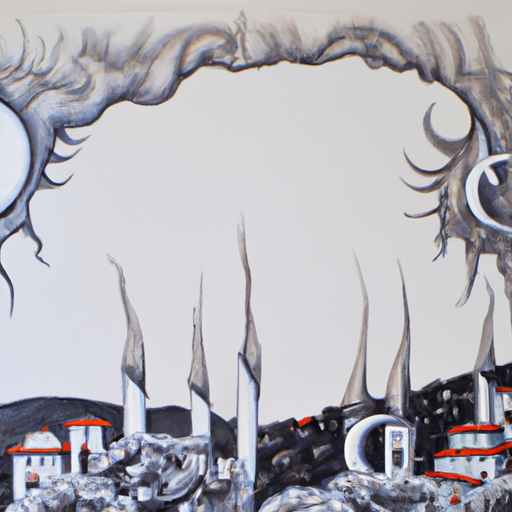
Example of visual style of Harold Ramis

Harold Ramis

Harold Ramis is known for his visual style in comedy films during the 1980s and 1990s. His works, such as Ghostbusters (1984) and Groundhog Day (1993), are famous for their humorous and whimsical tone. Ramis incorporated a mix of slapstick, visual gags, and witty dialogue to create a unique comedic style. His films often featured eccentric characters, clever storytelling, and a balance between absurdity and heartwarming moments. This style became influential and widely recognized in the comedy genre.

View StyleExplore Style
Example of visual style of Henry Selick

Henry Selick

Henry Selick's visual style is known for its dark and eccentric charm, combining fantastical elements with a touch of surrealism. He gained prominence in the late 20th century, particularly in the 1990s, for his innovative stop-motion animation techniques. His works often feature intricate and meticulously crafted sets, evoking a sense of tactile realism. Selick's fame comes from directing iconic films like 'The Nightmare Before Christmas' (1993) and 'James and the Giant Peach' (1996), which showcased his unique style and storytelling abilities.

View StyleExplore Style
Example of visual style of Isabella Blow

Isabella Blow

Isabella Blow was a British fashion icon known for her distinctive and eccentric style, which gained popularity in the 1980s and 1990s. She was renowned for her oversized hats, gothic-inspired outfits, and avant-garde fashion choices. Blow's influence in the fashion industry was characterized by her boldness and love for experimental designs and emerging fashion talents. Her collaborations with designer Alexander McQueen further elevated her status and brought attention to both her and his unique vision.

View StyleExplore Style
Example of visual style of Jason Schwartzman

Jason Schwartzman

The Jason Schwartzman visual style is characterized by its whimsical and eccentric nature. It gained popularity in the late 2000s and is often associated with indie films and music. This style is known for its quirky and offbeat color palettes, unconventional camera angles, and a mix of vintage and modern aesthetics. Jason Schwartzman's unique and captivating performances in movies such as 'Rushmore' and 'The Darjeeling Limited' contributed to the fame of this visual style.

View StyleExplore Style
Example of visual style of Jean Paul Gaultier

Jean Paul Gaultier

Jean Paul Gaultier is a high-fashion visual style known for its avant-garde and eccentric creations. This style emerged in the 1980s and became famous for challenging traditional norms of fashion and incorporating unconventional elements into designs. Gaultier's famous designs include the iconic cone bra worn by Madonna during her 1990 Blond Ambition World Tour. Known for pushing boundaries, Gaultier's style combines a mix of streetwear, punk, and couture, resulting in unique and experimental garments.

View StyleExplore Style

Example of visual style of Mick Jagger

Mick Jagger

Mick Jagger refers to the visual style associated with Mick Jagger, the lead singer of The Rolling Stones, primarily during the 1960s and 1970s. This style became famous during the British Invasion and the rise of rock 'n' roll. Mick Jagger's style was characterized by flamboyant and eccentric fashion choices, often featuring tight-fitting clothing, vibrant colors, and bold patterns. His stage presence and energetic performances contributed to his iconic visual style, capturing the rebellious spirit of rock music.

View StyleExplore Style
Example of visual style of Monty Python

Monty Python

Monty Python is a visually eccentric and surreal comedic style that emerged in the late 1960s and became famous through the comedic group Monty Python, including its members Graham Chapman, John Cleese, Terry Gilliam, Eric Idle, Terry Jones, and Michael Palin. The visual style is characterized by its unique blend of absurdity, satire, and animation, often featuring bizarre costumes, exaggerated physical movements and expressions, hand-drawn animations, and surreal art direction. This style gained significant fame through the television series 'Monty Python's Flying Circus' (1969-1974) and later through their films like 'Monty Python and the Holy Grail' (1975) and 'Monty Python's Life of Brian' (1979).

View StyleExplore Style
Example of visual style of Quentin Saxby Blake

Quentin Saxby Blake

Quentin Saxby Blake is a British illustrator known for his distinct and whimsical style. Born in 1932, Blake's illustrations are characterized by lively, fluid lines and playful, imaginative imagery. His work became famous through his collaboration with author Roald Dahl, illustrating many of his beloved children's books, such as 'The BFG' (1982) and 'Matilda' (1988). Blake's illustrations often feature eccentric characters and fantastical landscapes, capturing the imagination of readers young and old.

View StyleExplore Style
Example of visual style of Salvador Dalí

Salvador Dalí

Salvador Dalí was a Spanish surrealist artist known for his dreamlike and outlandish creations. Active during the mid-20th century, Dalí's work became famous for its unique blend of imagination, symbolism, and meticulous details. His style often featured melting clocks, distorted figures, and bizarre landscapes, which were aimed at portraying the unconscious mind. Dalí's most iconic works include 'The Persistence of Memory' (1931) and 'The Elephants' (1948). These pieces, along with his eccentric personality and trademark mustache, contributed to his fame as one of the most recognizable and influential artists of the surrealist movement.

View StyleExplore Style
Example of visual style of Terry Pratchett

Terry Pratchett

The Terry Pratchett style is whimsical and fantastical, characterized by a blend of satire, comedy, and fantasy elements. It gained fame through its prominent use in the Discworld series, a set of over 40 novels written by Terry Pratchett from 1983 until his death in 2015. Pratchett's writing style, often described as 'comic fantasy', combined witty humor, clever wordplay, and social commentary. The visual style of Terry Pratchett's works reflects this unique blend, creating a vibrant and imaginative world filled with eccentric characters and humorous situations.

View StyleExplore Style
Example of visual style of Wes Anderson

Wes Anderson

The Wes Anderson visual style emerged in the late 1990s and became famous for its eccentric and meticulously detailed compositions, vibrant color palettes, and symmetrical framing. Anderson's style is often characterized by a nostalgic, whimsical, and somewhat surreal atmosphere, invoking an idiosyncratic and highly stylized world. The use of visual symmetry, carefully composed shots, and symmetrical camera movements add a sense of order and balance. This style gained widespread recognition through Anderson's films such as 'Rushmore' (1998) and 'The Royal Tenenbaums' (2001), combining retro aesthetics with meticulous production design and droll storytelling.

View StyleExplore Style
Home