StylopediaStylopedia

Dystopian styles on Stylopedia

A visual encyclopedia of dystopian styles – use as prompt inspiration for Midjourney, Gemini, or ChatGPT AI when making dystopian images

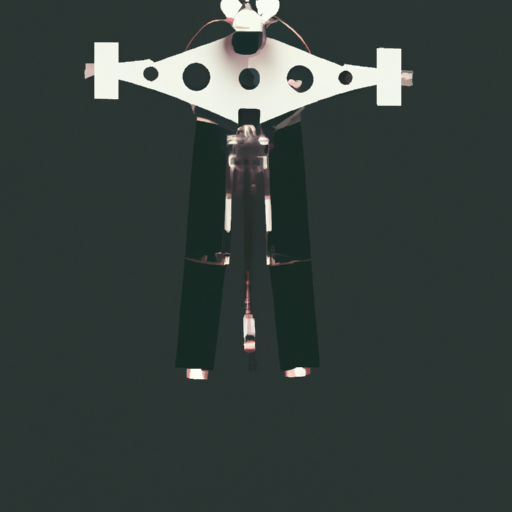
Example of visual style of Akira

Akira

The visual style of Akira is a blend of cyberpunk and post-apocalyptic aesthetics. Released in 1988, this iconic animated film directed by Katsuhiro Otomo is renowned for its groundbreaking animation techniques and dystopian imagery. Set in a futuristic Neo-Tokyo, Akira depicts a world in chaos, with towering cityscapes, abandoned buildings, and a mix of high-tech and decaying environments. The film's use of vibrant colors and intense lighting techniques, along with its detailed and fluid animation, have made it a landmark in the realm of anime.

View StyleExplore Style
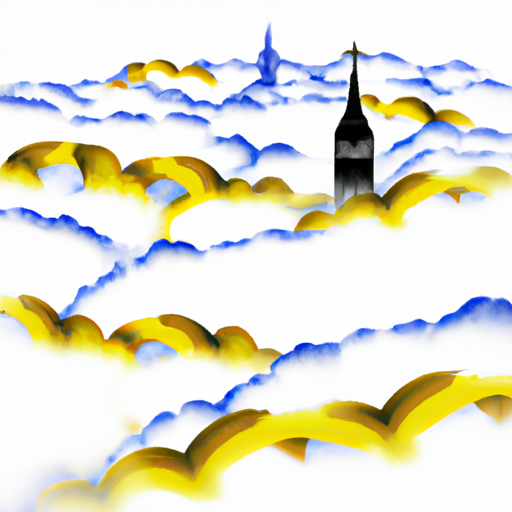
Example of visual style of Aldous Huxley

Aldous Huxley

The Aldous Huxley visual style represents a blend of dystopian themes, surrealistic elements, and intellectual perspectives prevalent during the early to mid-20th century. Inspired by Aldous Huxley's literary works, such as Brave New World, this style emerged as a reflection of the author's exploration of societal and technological advancements. It gained prominence in the 1930s and remains influential today for its critique of scientific progress, societal control, and the human condition.

View StyleExplore Style
Example of visual style of Beksinski

Beksinski

Beksinski is a gothic and surrealist visual style that emerged in the late 20th century. It is named after the Polish artist Zdzislaw Beksinski, who gained prominence in the 1980s and 1990s. Beksinski's works are characterized by dark, atmospheric landscapes, abstract forms, and distorted figures. Known for his dystopian and apocalyptic themes, Beksinski's art often evokes feelings of melancholy and despair. His unique style combines elements of surrealism, expressionism, and fantasy, creating haunting and otherworldly imagery.

View StyleExplore Style
Example of visual style of Biomechanical Art

Biomechanical Art

Biomechanical Art is a visual style that emerged in the late 1970s and gained fame and recognition in the 1980s. It combines elements of organic and mechanical imagery to create surreal and often disturbing artworks. The style became famous through the works of Swiss artist H.R. Giger, who introduced his biomechanical designs in the sci-fi horror film 'Alien'. Biomechanical Art is characterized by intricate and detailed depictions of biomechanical creatures, merging human and machine, exploring themes of transformation, sexuality, and a dystopian future.

View StyleExplore Style
Example of visual style of Black Mirror

Black Mirror

Black Mirror is a futuristic and dystopian visual style that gained popularity in the 2010s. It is known for its dark, thought-provoking themes that highlight the potential dangers of technology and its impact on society. The style often depicts a near-future world where advanced technology is intertwined with everyday life, exploring the consequences and ethical dilemmas that arise. It became famous for its unique storytelling format and its ability to reflect contemporary issues through a sci-fi lens.

View StyleExplore Style

Example of visual style of Blade Runner

Blade Runner

Blade Runner is a dystopian science fiction style that emerged in the 1980s. It is known for its dark, futuristic cityscapes, neon-lit streets, heavy rain, and industrial decay. The style became famous for its unique blend of film noir and cyberpunk elements, creating a visually stunning world. It was popularized by the 1982 film 'Blade Runner' directed by Ridley Scott, which showcased the genre's signature visuals and became highly influential in the realm of science fiction filmmaking.

View StyleExplore Style
Example of visual style of Brave New World

Brave New World

Brave New World is a dystopian visual style that became famous in the early 20th century. It was heavily influenced by the surge in technological advancements and industrialization. This style is characterized by its futuristic and sleek designs, minimalist aesthetics, and an emphasis on efficiency and uniformity. Brave New World reflects a world controlled by an authoritative government, where individualism and personal freedom are suppressed in favor of conformity. It gained popularity through Aldous Huxley's novel of the same name, published in 1932, which depicted a future society dominated by technology and genetic engineering.

View StyleExplore Style
Example of visual style of Cyberpunk Genre

Cyberpunk Genre

Cyberpunk Genre is a futuristic visual style that emerged in the 1980s and gained popularity in the 1990s. It is characterized by its dystopian and high-tech atmosphere, blending elements of science fiction, technology, and urban decay. With a focus on advanced technologies, artificial intelligence, and the effects of globalization, Cyberpunk Genre explores themes of oppression, corrupt governments, and the interaction between humans and computer systems. Its iconic aesthetic includes neon lights, rain-soaked urban landscapes, towering skyscrapers, cybernetic body modifications, and a sense of digital urban chaos. Cyberpunk gained fame through literature such as William Gibson's 'Neuromancer' and films like 'Blade Runner', which solidified its visual style.

View StyleExplore Style
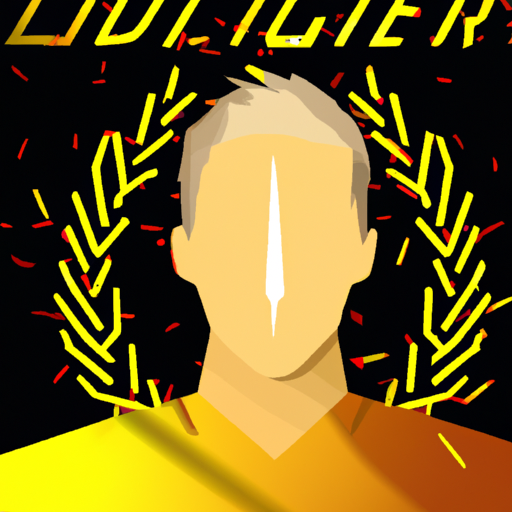
Example of visual style of Dan Luvisi

Dan Luvisi

Dan Luvisi is an American illustrator and concept artist known for his dark and gritty visual style. His style is characterized by hyper-realistic and heavily detailed digital paintings often depicting well-known pop culture characters in a twisted and dystopian manner. Luvisi gained fame with his series 'LMS: Killbook of a Bounty Hunter', a graphic novel that gained a cult following and showcased his unique style. His art has garnered attention and praise for its dark and edgy portrayals of popular characters and for pushing boundaries in the genre. Luvisi's style became famous in the mid-2000s and continues to be influential in the digital art community.

View StyleExplore Style
Example of visual style of Genesis

Genesis

Genesis is a visual style that emerged in the late 1970s and gained popularity throughout the 1980s. It is known for its futuristic and cyberpunk aesthetics, characterized by bright neon colors, sleek geometric shapes, and gritty, dystopian imagery. Inspired by the rapid technological advancements of the time, Genesis became famous for its depiction of a technologically-advanced yet desolate future. It often features elements such as virtual reality, cyborgs, and humanoid robots, reflecting the anxieties and fascination with a post-industrial society. This style has influenced various forms of media, including films, video games, and graphic design.

View StyleExplore Style

Example of visual style of George Orwell

George Orwell

The George Orwell visual style is a minimalist and dystopian style that emerged primarily during the mid-20th century. It is characterized by stark and simple designs, often featuring muted colors and industrial aesthetics. This style gained popularity following the publication of George Orwell's iconic dystopian novel, '1984,' in 1949. The novel's themes of government surveillance, manipulation, and control heavily influenced the visual style associated with it.

View StyleExplore Style
Example of visual style of Ghost In The Shell

Ghost In The Shell

Ghost In The Shell is a cyberpunk visual style that originated in Japanese manga and anime in the late 1980s. It became famous for its fusion of futuristic technology, dystopian settings, and philosophical themes. The style gained wider recognition with the release of the animated film of the same name in 1995, directed by Mamoru Oshii. The combination of detailed cityscapes, cybernetic enhancements, and introspective storytelling has made Ghost In The Shell an influential and iconic style in science fiction.

View StyleExplore Style
Example of visual style of Judge Dredd

Judge Dredd

Judge Dredd, a British comic book character created by writer John Wagner and artist Carlos Ezquerra in 1977, is known for its gritty and dystopian visual style. The iconic style of Judge Dredd became famous for its future cityscapes, dark atmosphere, cyberpunk elements, and exaggerated character designs. The style portrays a post-apocalyptic world filled with violence, corruption, and a powerful totalitarian justice system. It gained popularity through various comic books, graphic novels, and film adaptations.

View StyleExplore Style
Example of visual style of Katsuhiro Otomo

Katsuhiro Otomo

Katsuhiro Otomo is a Japanese manga artist and filmmaker known for his distinct visual style. His style emerged in the 1980s and became particularly famous with the release of his iconic cyberpunk manga series, Akira, in 1982. Otomo's style is characterized by detailed and intricate artwork, realistic depictions of cityscapes, and a gritty atmosphere. He often incorporates complex and futuristic technology, blending it with a dystopian aesthetic. Otomo's work is renowned for its attention to detail and his ability to create immersive and visually stunning worlds.

View StyleExplore Style
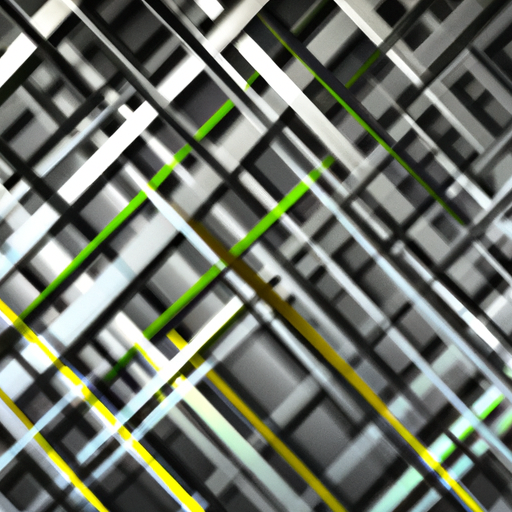
Example of visual style of Matrix Style

Matrix Style

The Matrix Style emerged in the late 1990s and gained prominence through its use in the groundbreaking film 'The Matrix' (1999). This style is characterized by its dark, dystopian atmosphere, with a predominant color palette of green and black. It combines cyberpunk elements, such as futuristic technology and a gritty urban environment, with a distinct visual language influenced by Japanese anime and Hong Kong action cinema. The Matrix Style became famous for its use of 'bullet time' slow-motion effects and the iconic 'falling green code' visuals.

View StyleExplore Style

Example of visual style of Nivanh Chanthara

Nivanh Chanthara

Nivanh Chanthara is a digital artist known for his captivating and immersive cinematic artworks. His style is characterized by its futuristic and dystopian atmosphere, showcasing vast cityscapes, highly detailed machinery, and striking characters. Chanthara's work gained recognition in the late 2000s for its stunning attention to detail, use of vibrant colors, and strong storytelling elements. His unique style has made him a prominent figure in the digital art community, inspiring many aspiring artists to explore this genre.

View StyleExplore Style
Example of visual style of Science Fiction Films

Science Fiction Films

Science Fiction Films is a visual style characterized by futuristic and technological elements, often set in space or dystopian worlds. It emerged in the early 20th century, gaining popularity in the 1950s and 1960s with iconic films like 'The Day the Earth Stood Still' (1951) and '2001: A Space Odyssey' (1968). These films introduced groundbreaking visual effects, portraying advanced technology, alien worlds, and imaginative landscapes. Science Fiction Films often explore themes of future societies, time travel, extraterrestrial life, and the impact of technology on humanity, captivating audiences with the possibilities and dangers of a technologically advanced future.

View StyleExplore Style
Example of visual style of Starship Troopers

Starship Troopers

Starship Troopers is a visually striking style that gained popularity in the late 1990s. It is best known for its futuristic and gritty look, combining elements of science fiction, military aesthetics, and insect-like creatures. The style became famous due to its groundbreaking digital effects, intense action sequences, and dystopian setting, which captivated audiences. It showcased the talent of director Paul Verhoeven and the creativity of production designer Allan Cameron.

View StyleExplore Style
Example of visual style of Terminator 2 Judgment Day

Terminator 2 Judgment Day

Terminator 2: Judgment Day, released in 1991, is a visually groundbreaking science fiction film that revolutionized the use of CGI and special effects in movies. Directed by James Cameron, this iconic film is famous for its dystopian setting, futuristic elements, and intense action sequences. It is known for its gritty and dark visual style, blending elements of cyberpunk and post-apocalyptic aesthetics. Terminator 2: Judgment Day made extensive use of cutting-edge CGI technology to bring the T-1000 terminator and other visual effects to life.

View StyleExplore Style
Example of visual style of The Wachowskis

The Wachowskis

The Wachowskis visual style is characterized by its innovative and boundary-pushing approach to filmmaking. With a focus on blending visually stunning imagery and cutting-edge special effects, their style came to prominence in the late 1990s and early 2000s. They rose to fame with their groundbreaking movie 'The Matrix' in 1999, which revolutionized action filmmaking with its bullet-time sequences and dystopian visuals. The Wachowskis are known for their imaginative worlds, dark atmospheres, and intricate storytelling.

View StyleExplore Style

Example of visual style of Wachowski Sisters

Wachowski Sisters

The Wachowski Sisters visual style is characterized by its intense and stylized action sequences, futuristic and dystopian settings, and mind-bending narratives. This style gained fame through their groundbreaking film 'The Matrix' in 1999, which revolutionized action cinema with its innovative bullet time technique and cyberpunk aesthetic. The Wachowski Sisters continued to explore similar themes and visual elements in movies like 'Speed Racer' (2008) and 'Cloud Atlas' (2012).

View StyleExplore Style
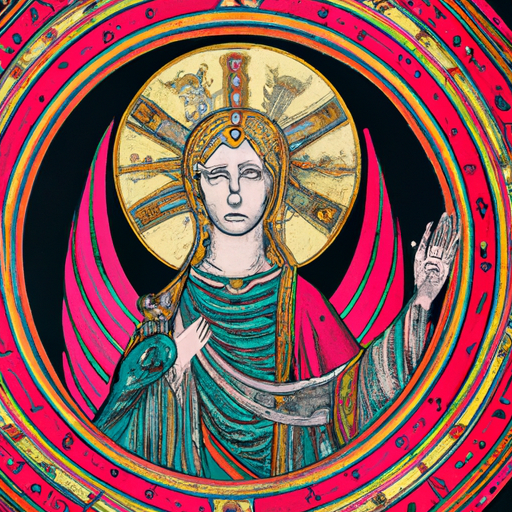
Example of visual style of William Gibson

William Gibson

The visual style of William Gibson is characterized by a futuristic and cyberpunk aesthetic. It emerged in the 1980s with Gibson's groundbreaking novel 'Neuromancer', which popularized the cyberpunk genre. This style encompasses dystopian cityscapes, high-tech settings, and gritty, dark atmospheres. It often features a fusion of advanced technology, urban decay, and a sense of post-industrialism. Gibson's visual style gained recognition for its influential depiction of a world where technology and humanity coexist in complex ways.

View StyleExplore Style

Home