StylopediaStylopedia

Dynamism styles on Stylopedia

A visual encyclopedia of dynamism styles – use as prompt inspiration for Midjourney, Gemini, or ChatGPT AI when making dynamism images

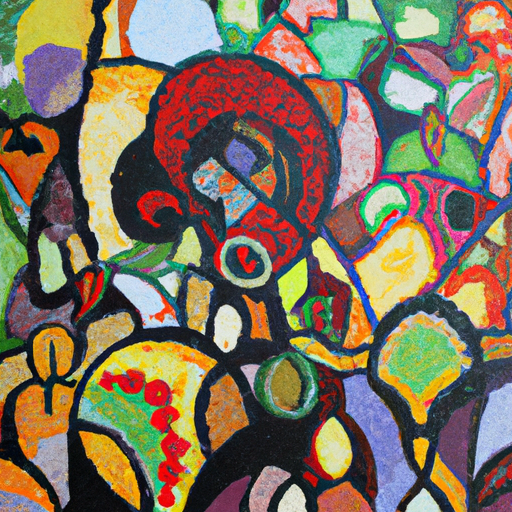
Example of visual style of David Burliuk

David Burliuk

David Burliuk was a Russian avant-garde artist and writer who co-founded the Cubo-Futurist movement. He was active in the early 20th century, particularly between 1910 and 1920. Burliuk's style is characterized by abstract and geometric forms, vibrant colors, and a sense of dynamism and movement. He gained fame for his experimental approach to art, incorporating elements of both Cubism and Futurism. His works often depicted urban scenes, landscapes, and portraits, capturing the energy and modernity of the time.

View StyleExplore Style
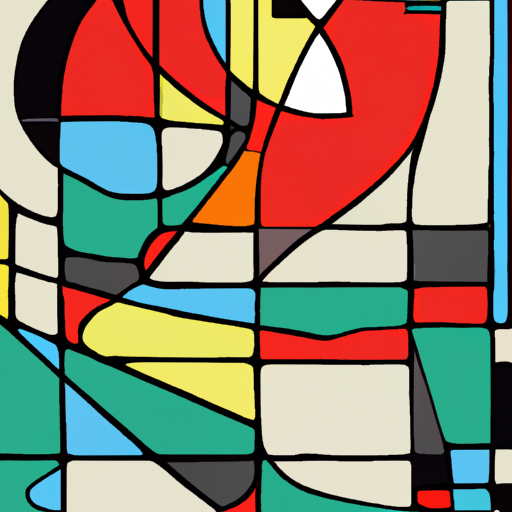
Example of visual style of Fernand Leger

Fernand Leger

Fernand Leger was a French painter and filmmaker who is known for his modernist style. He was active from the early 1900s to the mid-1950s. Leger is famous for creating artworks that emphasized machine aesthetics and depicted modern urban life. His paintings often feature bold colors, geometric shapes, and simplified forms. Leger's style is characterized by a combination of Cubism and Futurism, with a focus on industrial subjects and a sense of dynamism and movement.

View StyleExplore Style
Example of visual style of Filippo Tommaso Marinetti

Filippo Tommaso Marinetti

Filippo Tommaso Marinetti was an Italian poet, artist, and founder of the Futurist movement. The Futurist style emerged in the early 20th century, particularly between 1909 and 1916. Marinetti believed in the rejection of the past and the celebration of modernity, speed, technology, and industrialization. With a focus on dynamism, movement, and energy, Marinetti's style sought to capture the fast-paced nature of the modern world. He expressed his ideas through various mediums, including painting, sculpture, literature, music, and performance. His passionate manifesto, 'The Futurist Manifesto' published in 1909, gained significant attention and marked the beginning of the movement, making him and his style famous.

View StyleExplore Style
Example of visual style of Futurism

Futurism

Futurism was an artistic and social movement that originated in Italy in the early 20th century, particularly emphasizing speed, technology, youth, and violence. It emerged as a response to the rapid growth in industrialization and scientific advancements of the time. Futurism glorified modernity, dynamism, and the machine age, reflecting a fascination with the future and a rejection of traditional artistic and social conventions. Notable years for Futurism were 1909-1914, with its peak in popularity around 1910. This style was made famous by artists such as Umberto Boccioni, Giacomo Balla, and Gino Severini.

View StyleExplore Style
Example of visual style of Gino Severini

Gino Severini

Gino Severini was an Italian painter and a leading figure of the Futurist movement. His visual style is characterized by vibrant colors, fragmented forms, and dynamic compositions. Severini was active from the early 20th century, particularly in the years between 1910 and 1920. He is famous for his involvement in the Futurist movement, which sought to capture the speed, energy, and dynamism of modern life through art. Severini's use of bold colors and geometric shapes, combined with his emphasis on movement and rhythm, created a visual language that reflected the fast-paced industrial society of the time.

View StyleExplore Style
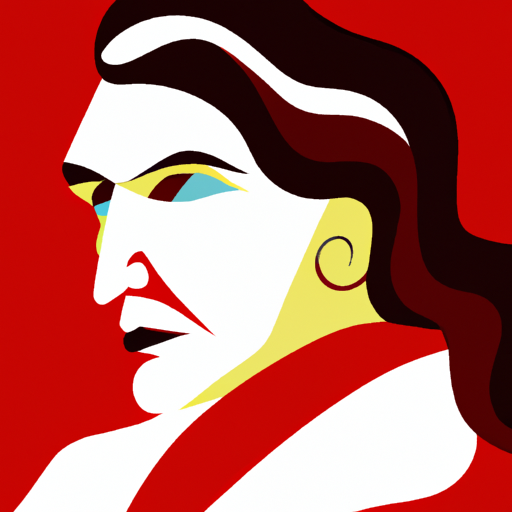
Example of visual style of Jean Paul Goude

Jean Paul Goude

Jean Paul Goude is a French graphic designer, illustrator, and photographer known for his unique and influential visual style. He rose to fame in the 1970s and 1980s for his creative collaborations with the fashion industry and his iconic images that merged art, fashion, and advertising. Goude's work often features vibrant colors, bold compositions, exaggerated proportions, and a playful sense of humor. His use of innovative techniques such as cut-outs, collage, and in-camera tricks revolutionized the field of photography. Goude's visual style is characterized by its dynamism, wit, and theatricality. His innovative approach to image-making made him a pioneer in the world of fashion and advertising, and his iconic works continue to inspire and influence contemporary visual culture.

View StyleExplore Style
Example of visual style of Maruyama Okyo

Maruyama Okyo

Maruyama Okyo was a prominent Japanese painter of the late 18th century. He is best known for founding the Maruyama-Shijo school, which made significant contributions to the development of nanga (literati painting) and ukiyo-e (woodblock prints) in Japan. Okyo's style combined traditional Japanese painting techniques with influences from Western realism, resulting in a unique and innovative approach to art. His works often depicted naturalistic subjects such as birds, animals, and landscapes, characterized by meticulous attention to detail and a sense of dynamism. Maruyama Okyo bridged the gap between traditional Japanese art and modern techniques, setting a new standard for Japanese painting.

View StyleExplore Style
Example of visual style of Orphism

Orphism

Orphism was an abstract art movement that emerged in the early 20th century, particularly between 1912 and 1914. It was developed by a group of artists including Robert Delaunay and Sonia Delaunay-Terk. Orphism is characterized by its use of vibrant colors, geometric forms, and abstract compositions, inspired by the theories of Analytical Cubism. It aimed to convey the dynamism and energy of the modern world through the interaction of colors. Orphism is famous for its optical effects, such as the use of simultaneous contrast and the creation of a harmonious visual rhythm.

View StyleExplore Style
Home