StylopediaStylopedia

Dynamic poses styles on Stylopedia

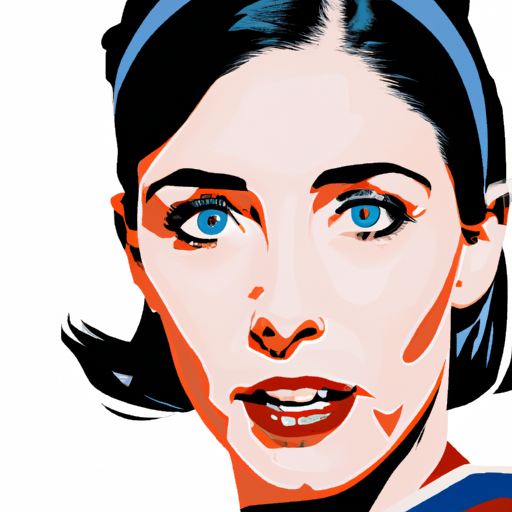
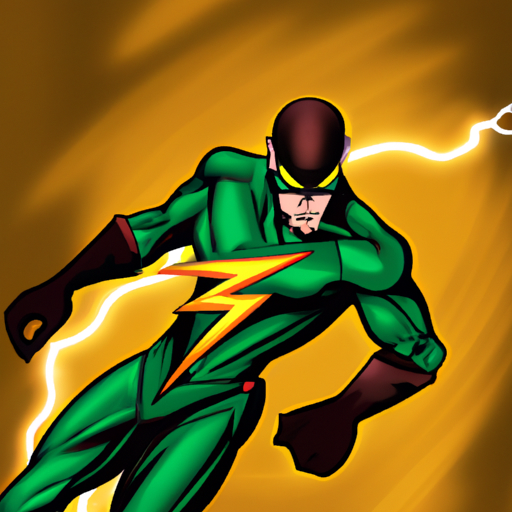
A visual encyclopedia of dynamic poses styles – use as prompt inspiration for Midjourney, Gemini, or ChatGPT AI when making dynamic poses images

Example of visual style of Adrian Alphona

Adrian Alphona

Adrian Alphona is a Canadian comic book artist known for his distinctive and whimsical visual style. His work gained prominence in the early 2000s, particularly with the launch of the comic series Runaways in 2003. Alphona's art is characterized by its lively and expressive character designs, intricate detailing, and a blend of both realistic and cartoonish elements. His use of dynamic poses, exaggerated expressions, and playful storytelling techniques has made his style a favorite among readers and has contributed to the success and popularity of the comics he has worked on.

View StyleExplore Style

Example of visual style of Andreas Deja

Andreas Deja

Andreas Deja is a renowned animator known for his distinctive style characterized by strong and bold lines, dynamic poses, and expressive characters. He is best known for his work at Walt Disney Animation Studios, especially his contributions to famous Disney characters like Scar from 'The Lion King', Gaston from 'Beauty and the Beast', and Jafar from 'Aladdin'. Deja's work became particularly famous in the 1990s, during the Disney Renaissance era, when his characters brought a new level of complexity and personality to the screen.

View StyleExplore Style
Example of visual style of Andy Park

Andy Park

Andy Park is a concept artist known for his work in creating iconic and visually stunning designs for characters and environments in the entertainment industry. His style is characterized by realistic proportions, dynamic poses, and intricate details, particularly in the superhero and science fiction genres. Park's work has gained recognition for its ability to bring beloved characters to life on the big screen, making him a highly sought-after artist in the field.

View StyleExplore Style

Example of visual style of Golden Age Of Comics

Golden Age Of Comics

The Golden Age of Comics refers to the period from the late 1930s to the early 1950s, known for the emergence and popularity of comic books. It was during this time that iconic superhero characters like Superman, Batman, and Wonder Woman were created, laying the foundation for the superhero genre. The visual style of Golden Age comics was characterized by bold, vibrant colors, dynamic poses, exaggerated musculature, and strong lines. The artwork often had a sense of energy and excitement, with action-packed panels and larger-than-life characters.

View StyleExplore Style
Example of visual style of Jc Leyendecker

Jc Leyendecker

Jc Leyendecker was an influential American illustrator known for his distinctive visual style. He rose to prominence in the early 20th century and became famous for his highly rendered and dynamic illustrations. Leyendecker's style featured a combination of realism and idealism, with his subjects often depicted in dynamic poses and dressed in fashionable attire. His works often captured the spirit of the Roaring Twenties and helped to define the image of the modern American man. Leyendecker's famous Saturday Evening Post covers and advertisements for brands like Arrow Collar became iconic and shaped the visual culture of the time.

View StyleExplore Style
Example of visual style of Rob Liefeld

Rob Liefeld

Rob Liefeld is a visual style known for its exaggerated anatomy, dynamic poses, and emphasis on action and violence. This style rose to prominence in the late 1980s and early 1990s, during the popularity boom of superhero comics. Liefeld's influential art style is characterized by bulging muscles, large weapons, pouches, and characters with extreme proportions. His style became famous for its energy and intensity, revolutionizing the way superheroes were depicted in comics.

View StyleExplore Style
Example of visual style of Studio Gainax

Studio Gainax

Studio Gainax is a Japanese animation studio known for its unique and unconventional visual style. Founded in 1984, Studio Gainax gained fame in the 1990s with the release of highly influential anime series such as Neon Genesis Evangelion. Their visual style is characterized by its distinct use of vibrant colors, intricate and detailed designs, dynamic and exaggerated poses, as well as a mix of traditional and experimental animation techniques. Studio Gainax's commitment to pushing the boundaries of storytelling and visual expression has made them an influential force in the anime industry.

View StyleExplore Style
Example of visual style of Yoji Shinkawa

Yoji Shinkawa

Yoji Shinkawa is a Japanese artist known for his distinctive visual style characterized by bold, energetic brush strokes and dark, atmospheric coloring. He rose to prominence in the late 90s and early 2000s as the lead character and mechanical designer for the popular video game series Metal Gear Solid, created by Hideo Kojima. Shinkawa's works are famous for their detailed mecha and character designs that combine a realistic aesthetic with a touch of surrealism. His designs often feature strong, dynamic poses and intricate, mechanical details. Shinkawa's unique style became synonymous with the Metal Gear series and greatly influenced the visual direction of the games, making him an iconic figure in the gaming industry.

View StyleExplore Style
Home