StylopediaStylopedia

Dynamic movement styles on Stylopedia

A visual encyclopedia of dynamic movement styles – use as prompt inspiration for Midjourney, Gemini, or ChatGPT AI when making dynamic movement images

Example of visual style of Andrea Del Verrocchio

Andrea Del Verrocchio

Andrea Del Verrocchio was an Italian sculptor and painter who lived during the Renaissance. His visual style was characterized by the revival of classical forms and a naturalistic approach. Active between the late 15th and early 16th century, Verrocchio's art was known for its meticulous attention to detail, exquisite craftsmanship, and a sense of dynamic movement. He was famous for his ability to depict human emotions and his revolutionary use of perspective. Verrocchio's works, such as his bronze statue of David and his painting The Baptism of Christ, are considered masterpieces of the Renaissance period.

View StyleExplore Style
Example of visual style of Tawaraya Sotatsu

Tawaraya Sotatsu

Tawaraya Sotatsu was a Japanese artist active during the early 17th century. He is best known for his innovative and influential style which combined traditional Japanese techniques with new artistic approaches. Sotatsu's works often featured bold and vivid colors, intricate patterns, and a sense of dynamic movement. His distinctive style gained popularity during the Momoyama period (late 16th to early 17th centuries) and continued to be influential during the Edo period (17th to 19th centuries). Sotatsu's unique fusion of traditional Japanese aesthetics with experimental techniques made him famous both during his time and in later years.

View StyleExplore Style
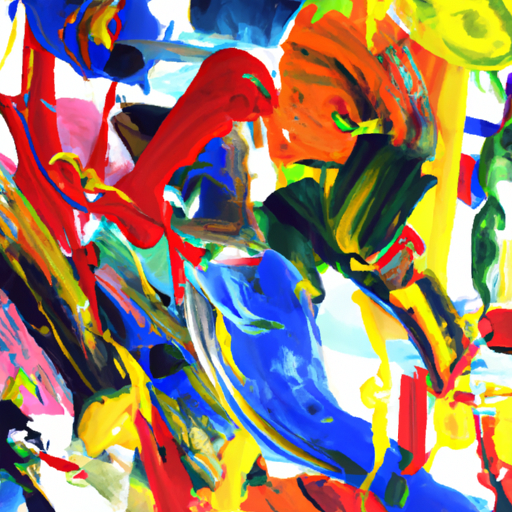
Example of visual style of Willem De Kooning

Willem De Kooning

Willem De Kooning was a Dutch-American abstract expressionist painter known for his energetic and expressive brushwork. His style emerged in the 1940s and continued to evolve throughout his career. De Kooning's work is characterized by gestural marks, bold use of color, and a dynamic sense of movement. He was known for his ability to combine abstraction and figuration, creating works that oscillated between recognizable forms and abstracted shapes. De Kooning gained fame for his series of Women paintings, which depicted abstracted female figures. His innovative approach to painting and his exploration of the human form made him one of the most influential artists of the 20th century.

View StyleExplore Style
Home