StylopediaStylopedia

Dynamic styles on Stylopedia

A visual encyclopedia of dynamic styles – use as prompt inspiration for Midjourney, Gemini, or ChatGPT AI when making dynamic images

Example of visual style of African Contemporary Art

African Contemporary Art

African Contemporary Art is a dynamic and vibrant visual style that emerged in the late 20th century and continues to influence the art world today. It gained prominence in the 1990s and 2000s, as artists from various African countries began to explore new artistic expressions. This style is characterized by a fusion of traditional African art with contemporary techniques and ideas, resulting in unique and powerful artworks that reflect the diverse cultures and experiences of the African continent. African Contemporary Art has gained international recognition for its ability to challenge stereotypes, address sociopolitical issues, and celebrate African identity and heritage.

View StyleExplore Style

Example of visual style of Albert Uderzo

Albert Uderzo

Albert Uderzo is a French comic artist known for his distinctive visual style characterized by bold lines, vibrant colors, and exaggerated character designs. He is most famous for co-creating the popular comic book series 'Asterix' along with writer René Goscinny. Uderzo's style became widely recognized in the 1960s and 1970s when 'Asterix' gained international popularity. His use of lively and dynamic drawings, hilarious visual gags, and intricate backgrounds have made his artworks iconic in the comic industry.

View StyleExplore Style

Example of visual style of Andre Franquin

Andre Franquin

Andre Franquin was a Belgian cartoonist and illustrator who is best known for his comic strip series, 'Gaston Lagaffe' and 'Spirou et Fantasio'. Franquin's visual style is characterized by its dynamic and expressive linework, intricate details, and exaggerated character designs. His work, which gained prominence in the 1950s and 1960s, appealed to both children and adults, thanks to its clever humor and satirical themes. Franquin's unique style revolutionized the Franco-Belgian comic industry and influenced many future cartoonists.

View StyleExplore Style

Example of visual style of Arena

Arena

Arena is a visual style that emerged in the late 1970s and gained popularity in the 1980s. It is characterized by vibrant and dynamic designs featuring bold colors, geometric shapes, and futuristic elements. The style became famous for its association with the arena rock music genre, which featured extravagant concerts and larger-than-life performances. The use of advanced technology in stage production, such as advanced lighting systems and massive video screens, contributed to the visual spectacle associated with the Arena style.

View StyleExplore Style
Example of visual style of Asterix Series

Asterix Series

The Asterix series is a visually distinct comic book style popularized by French authors Albert Uderzo and René Goscinny. The style originated in the year 1959 with the release of the first Asterix comic, Asterix the Gaul. The series gained fame for its vibrant and detailed illustrations, dynamic action sequences, and humorous storytelling. The unique visual style of Asterix incorporates exaggerated characters with large noses and expressive facial features. The comics also feature intricate backgrounds and detailed depictions of historical settings, which blend humor and satire. Overall, the Asterix series is known for its lively and colorful visuals, making it a timeless classic in the world of comics.

View StyleExplore Style
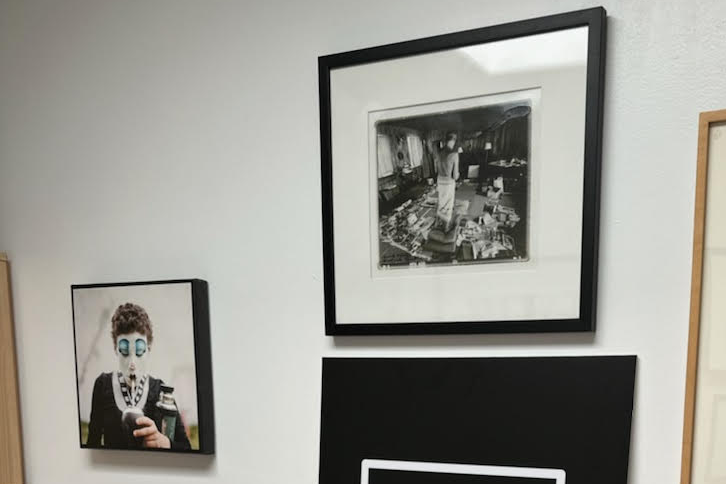
Example of visual style of Baroque

Baroque

Baroque is a highly ornamental and dramatic style that emerged in Europe around the late 16th century and remained prominent until the early 18th century. It is known for its grandeur, opulence, and theatricality. Baroque style captivated audiences with its elaborate details, exaggerated gestures, and vibrant colors. It was characterized by the use of dynamic and sweeping curves, intricate ornamentation, and abundant decorative elements. This style became famous for its luxuriousness and the way it evoked strong emotions through its ornate compositions and intense lighting effects.

View StyleExplore Style
Example of visual style of Bernini

Bernini

Bernini is a Baroque style of visual art that emerged in the 17th century. It is named after the Italian artist Gian Lorenzo Bernini, who was a prominent figure of this style. Bernini is famous for his elaborate and dynamic sculptures that depict intense emotion and movement. He revolutionized the field of sculpture by creating lifelike and dramatic compositions. His works often featured intricate details and a sense of theatricality, capturing the viewer's attention. Bernini's mastery of marble and ability to convey expressions and gestures with great realism made him one of the most renowned artists of his time.

View StyleExplore Style
Example of visual style of Big Little Lies TV Series

Big Little Lies TV Series

The visual style of Big Little Lies is a blend of luxurious coastal living, high-end fashion, and the dark secrets lurking beneath the surface of a seemingly perfect world. The series showcases stunning ocean views, elegant interiors, and impeccable designer wardrobes to create a visually captivating backdrop for the drama to unfold. Released in 2017, the show's intricate storytelling and dynamic characters have made it a standout in the TV landscape.

View StyleExplore Style
Example of visual style of Bill Sienkiewicz

Bill Sienkiewicz

Bill Sienkiewicz is a highly influential comic book artist known for his unique and experimental visual style. His style emerged in the 1980s and became highly prominent in the comic industry. Sienkiewicz's iconic work on Marvel's 'Elektra: Assassin' (1986) and 'Moon Knight' (1985-1986) paved the way for his fame. With his groundbreaking use of mixed media, bold brushwork, collage elements, and abstract techniques, Sienkiewicz revolutionized the comic book art form, blurring the lines between traditional illustration and fine art. His atmospheric and emotionally charged images are characterized by their dynamic energy, intense textures, and a distinct blend of realism and abstraction.

View StyleExplore Style
Example of visual style of Bill Watterson

Bill Watterson

Bill Watterson is known for his distinctive visual style that he developed in his comic strip 'Calvin and Hobbes', which ran from 1985 to 1995. His style is characterized by its expressive and detailed drawings, with a focus on the imaginative and playful world of a young boy named Calvin and his stuffed tiger friend, Hobbes. Watterson's use of dynamic poses, exaggerated facial expressions, and intricate background details helped bring his characters and their world to life. His comic strip gained widespread popularity and critical acclaim, earning him numerous accolades and a devoted fanbase.

View StyleExplore Style

Example of visual style of Bonnie Fuller

Bonnie Fuller

Bonnie Fuller is known for her bold and eye-catching visual style, which gained popularity in the late 1990s and early 2000s. As the editor-in-chief of magazines like Cosmopolitan, Marie Claire, and US Weekly, Fuller revolutionized the celebrity gossip and fashion magazine industry. Her style is characterized by vibrant colors, dynamic layouts, and provocative headlines. She made use of bold typography, striking images, and attention-grabbing cover photos to capture the reader's attention. Fuller's visual style became famous for its ability to capture the spirit of the celebrity-obsessed culture of its time and appeal to a younger, trend-conscious audience.

View StyleExplore Style
Example of visual style of Brad Bird

Brad Bird

Brad Bird is a renowned artist known for his distinct style in animation. His visual style is characterized by its dynamic and energetic movements, detailed backgrounds, and a combination of realistic and exaggerated character designs. Bird rose to prominence in the late 1990s and early 2000s with his work on the animated films 'The Iron Giant' (1999) and 'The Incredibles' (2004). The artistic choices and storytelling in these films, as well as their critical and commercial success, have made Brad Bird's style famous in the animation industry.

View StyleExplore Style

Example of visual style of Carmine Infantino

Carmine Infantino

Carmine Infantino was an American comic book artist and editor, known for his iconic art style that revolutionized the superhero genre in the 1960s. His work during this time, particularly on characters like The Flash and Batman, became famous for its dynamic and elongated figures, distinctive use of motion lines, and futuristic design elements. Infantino's visual style was greatly influenced by his background in fashion illustration, resulting in a sleek and elegant look that modernized the look and feel of superhero comics. His innovative approach to layout and storytelling techniques set new standards in the industry and laid the foundation for the Silver Age of comics.

View StyleExplore Style

Home