StylopediaStylopedia

Dreamlike styles on Stylopedia

A visual encyclopedia of dreamlike styles – use as prompt inspiration for Midjourney, Gemini, or ChatGPT AI when making dreamlike images

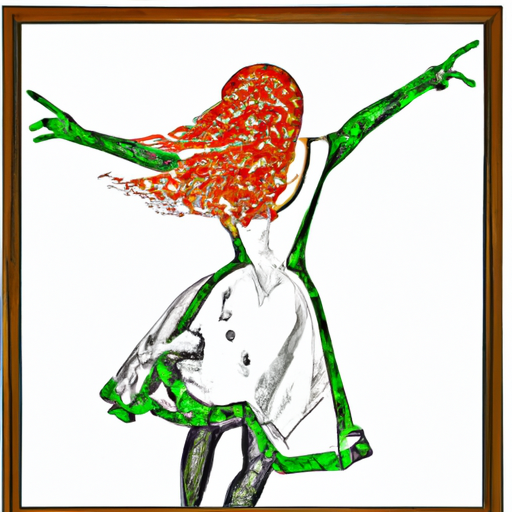
Example of visual style of Alejandro Jodorowsky

Alejandro Jodorowsky

Alejandro Jodorowsky is a visual stylist known for his surreal and avant-garde approach to filmmaking. His style emerged in the 1970s and gained popularity through films like 'El Topo' (1970) and 'The Holy Mountain' (1973). Jodorowsky's visual style is characterized by its dreamlike and hallucinatory imagery, combining elements of mysticism, religious symbolism, and psychological exploration. His use of vibrant colors, elaborate set designs, and unconventional narratives made his work highly influential in the realm of surreal cinema.

View StyleExplore Style
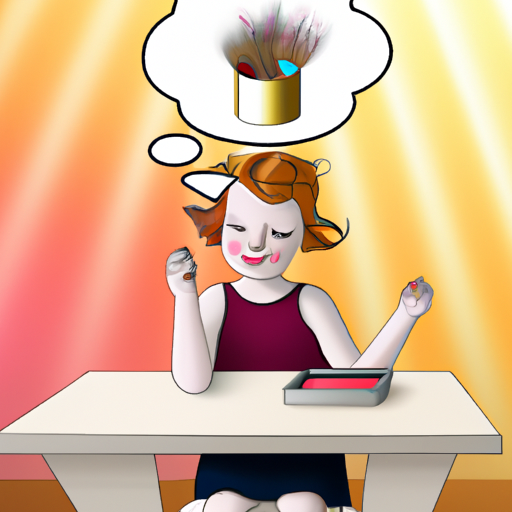
Example of visual style of Amelie Poulain

Amelie Poulain

Amelie Poulain is a visual style that became famous after the release of the French film 'Amelie' in 2001. It is known for its whimsical, vintage-inspired aesthetic with a touch of nostalgia. The style features vibrant colors, playful compositions, and dreamlike imagery. It often incorporates elements of retro and surrealism, creating a magical and romantic atmosphere. The film's success and critical acclaim contributed to the popularity of this style in contemporary art and design.

View StyleExplore Style
Example of visual style of Andre Breton

Andre Breton

Andre Breton is a visual style that originated in the 1920s with the Surrealist movement. It is characterized by dreamlike and imaginative imagery, often inspired by the subconscious. Breton, along with other artists and writers, sought to explore the realms of the unconscious mind to create works that challenged conventional ideas and norms. The style became famous for its use of juxtaposition, unexpected combinations, and strange or distorted forms. It was a revolution in artistic expression that transformed the art world.

View StyleExplore Style
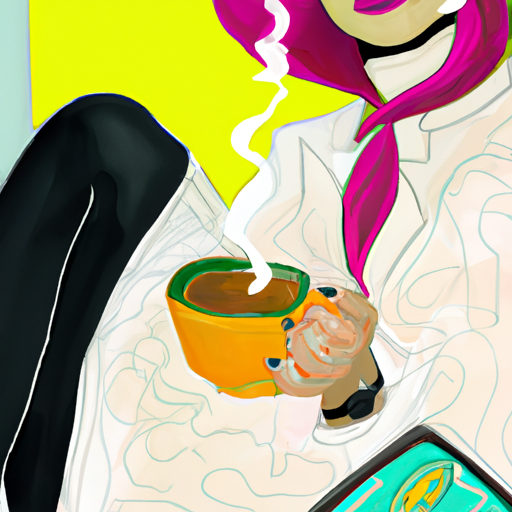
Example of visual style of Chris Doyle

Chris Doyle

Chris Doyle is a visual stylist known for his poetic and dreamlike cinematography. His work is characterized by bold use of color, dramatic lighting, and innovative camera techniques. Doyle rose to prominence in the 1990s, working extensively with directors like Wong Kar-wai and Zhang Yimou, and his distinctive style became synonymous with the Asian film aesthetic. His collaborations with Wong Kar-wai on films such as 'Chungking Express' (1994) and 'In the Mood for Love' (2000) brought him international recognition and critical acclaim.

View StyleExplore Style
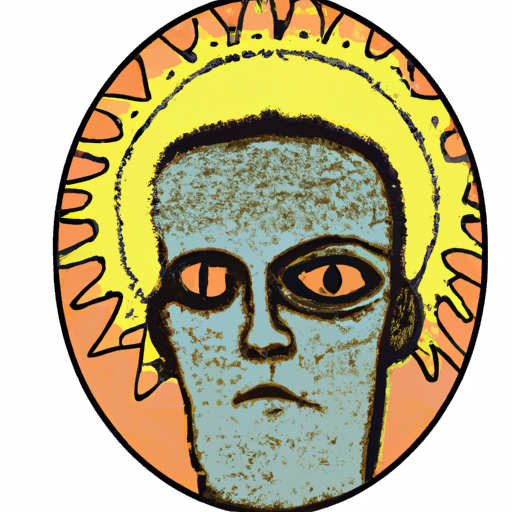
Example of visual style of Christian Mysticism

Christian Mysticism

Christian Mysticism is an artistic style characterized by ethereal and dreamlike representations of religious subjects. It emerged during the late Middle Ages and reached its peak in the Renaissance period. Christian Mysticism became famous for its use of soft, diffused lighting, delicate brushwork, and an emphasis on symbolism and spiritual themes. This style explored the mystical aspects of Christianity and aimed to evoke a sense of transcendence and communion with the divine.

View StyleExplore Style
Example of visual style of Christopher Doyle

Christopher Doyle

Christopher Doyle is a renowned cinematographer known for his visually stunning and poetic style. He gained prominence in the 1990s through his collaboration with Wong Kar-wai on films like Chungking Express and In the Mood for Love. Doyle is known for his use of vibrant colors, unconventional camera angles, and kinetic camera movements, which create a dreamlike and atmospheric visual experience. His distinctive style often captures the urban landscapes of Hong Kong in a way that highlights the beauty and chaos of the city. Doyle's work has significantly influenced the world of cinematography and has made him a celebrated figure in the film industry.

View StyleExplore Style
Example of visual style of Chungking Express

Chungking Express

Chungking Express is a visually vibrant and stylish film directed by Wong Kar-wai. Released in 1994, it became famous for its distinctive visual style and innovative storytelling techniques. The film explores themes of love, loneliness, and urban isolation through two intersecting storylines set in the bustling streets of Hong Kong. Wong Kar-wai's unique use of color, lighting, and camera movements creates a dreamlike atmosphere, immersing the audience in the characters' emotional journeys. The film's fragmented narrative and fast-paced editing contribute to its energetic and captivating aesthetic.

View StyleExplore Style
Example of visual style of David Lynch

David Lynch

David Lynch is a visionary filmmaker known for his unique and enigmatic visual style. His style emerged in the 1980s and gained widespread recognition through his acclaimed film 'Eraserhead' released in 1977 and the TV series 'Twin Peaks' in the early 1990s. Lynch's visual style is characterized by surrealism, psychological depth, and a sense of mystery. He often juxtaposes light and dark elements, creating a dreamlike atmosphere that blurs the lines between reality and imagination. Through the use of unconventional camera angles, eerie lighting, and haunting sound design, Lynch's work embodies a haunting and unsettling beauty.

View StyleExplore Style
Example of visual style of Eugenio Caballero

Eugenio Caballero

Eugenio Caballero is a Mexican production designer known for his visually striking and imaginative style. His work often blends surrealism, symbolism, and vivid colors to create fantastical and dreamlike environments. Caballero rose to fame in 2006 when he won an Academy Award for Best Art Direction for his work on the film 'Pan's Labyrinth'. His meticulously crafted sets and attention to detail have made him one of the most sought-after production designers in the industry.

View StyleExplore Style
Example of visual style of Fairy Tale Illustration

Fairy Tale Illustration

Fairy Tale Illustration is a visual style that emerged in the late 19th century and early 20th century, particularly during the Golden Age of Illustration. It became famous for its whimsical and enchanting portrayal of characters and scenes from fairy tales, folklore, and fantasy literature. Artists used rich and vibrant colors, intricate details, and a dreamlike atmosphere to bring these fantastical stories to life. Known for its imaginative and narrative-driven approach, Fairy Tale Illustration captured the hearts and imaginations of readers worldwide, becoming an integral part of the visual representation of fairy tales.

View StyleExplore Style
Example of visual style of Federico Fellini

Federico Fellini

Federico Fellini was an Italian film director and screenwriter who played a significant role in the development of Italian neorealism and surrealism. His visual style, primarily showcased in the 1950s and 1960s, revolutionized the way stories were told on screen. His films were known for their outrageous and extravagant imagery, dreamlike sequences, larger-than-life characters, and a meticulous attention to detail. Fellini's famous works such as 'La Dolce Vita' (1960) and '8½' (1963) introduced a new era of storytelling in cinema by blending fantasy with reality and blurring the line between imagination and truth.

View StyleExplore Style
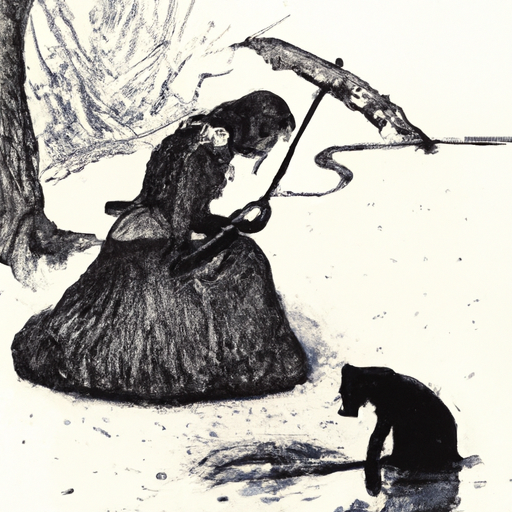
Example of visual style of Fernand Khnopff

Fernand Khnopff

Fernand Khnopff was a Belgian symbolist painter and one of the most prominent artists of the late 19th and early 20th centuries. His visual style is characterized by its dreamlike and mysterious quality, often featuring solitary figures in ethereal and symbol-rich landscapes. Khnopff's works were known for their meticulous attention to detail and the use of subdued and somber color palettes. He gained fame for his introspective and psychologically charged paintings, which often explored themes of alienation, death, and the duality of existence. Khnopff's art became famous for its unique blend of realism and symbolism, creating a haunting and otherworldly atmosphere.

View StyleExplore Style
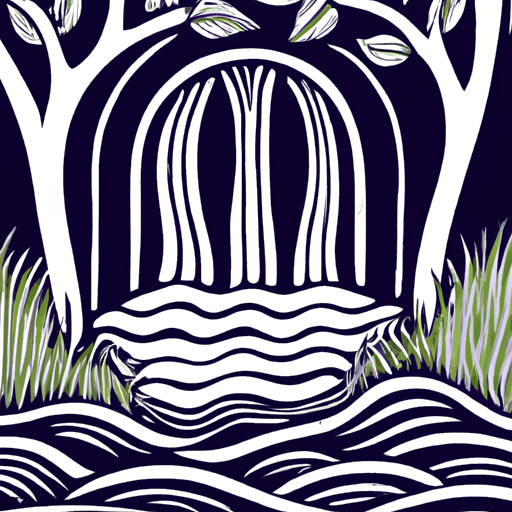
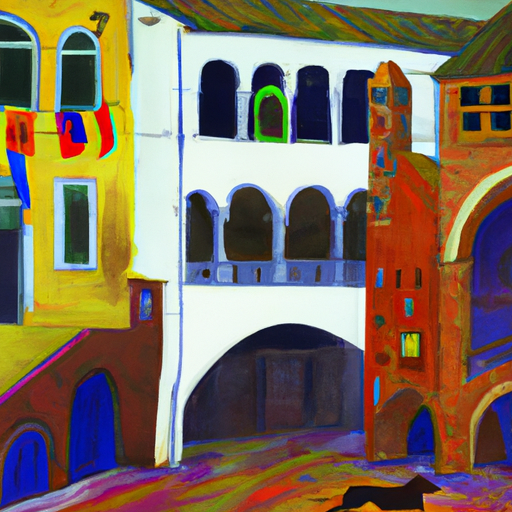
Example of visual style of Giorgio De Chirico

Giorgio De Chirico

Giorgio De Chirico was an Italian artist known for his style of metaphysical painting, which emerged in the early 20th century. His works are characterized by eerie, dreamlike landscapes with deserted squares, arcades, and classical architecture. De Chirico's art often featured sharp contrasts of light and shadow, as well as unexpected perspectives and juxtapositions. His iconic work 'The Melancholy of Departure' painted in 1914 became famous and helped establish his reputation as a leading figure in the Surrealist movement.

View StyleExplore Style
Example of visual style of Gustave Moreau

Gustave Moreau

Gustave Moreau was a French Symbolist painter who was active from the mid-19th to early 20th century. His visual style can be described as dreamlike and fantastical, often depicting mythological and biblical themes. Moreau's use of vibrant and intense colors, intricate detail, and symbolism set him apart from his contemporaries and made him famous. His works became iconic for their mystical and imaginative qualities, blending religious, historical, and mythical elements into visually stunning compositions.

View StyleExplore Style
Example of visual style of James Jean

James Jean

James Jean is a Taiwanese-American visual artist known for his highly detailed and whimsical paintings. He gained popularity in the early 2000s for his work as a cover artist for comic books, particularly for his iconic covers for the hit series 'Fables'. Jean's style is characterized by his masterful use of intricate linework, vibrant colors, and a dreamlike quality. His work often incorporates elements of fantasy, mythology, and nature, and is influenced by Eastern and Western artistic traditions. James Jean's stunning imagery and technical skill have made him one of the most renowned artists of his generation.

View StyleExplore Style
Example of visual style of Jean Pierre Jeunet

Jean Pierre Jeunet

Jean Pierre Jeunet is a French director known for his distinctive visual style characterized by whimsical, dreamlike settings and quirky characters. He gained international recognition for his film 'Amélie' (2001), which became a cultural phenomenon. Jeunet's style is often described as whimsical, romantic, and fantastical. His films are filled with vibrant colors, intricate set designs, and imaginative cinematography. He often incorporates elements of surrealism and magical realism to create a sense of wonder and enchantment. Jean Pierre Jeunet is renowned for his attention to detail and his ability to create visually stunning worlds that are both visually captivating and emotionally resonant.

View StyleExplore Style
Example of visual style of Jun Kuwahara

Jun Kuwahara

Jun Kuwahara is a Japanese artist known for his distinct visual style characterized by vivid colors, dynamic compositions, and fantastical imagery. His style emerged in the late 1960s and became particularly famous in the 1970s and 1980s. Kuwahara's work often features surreal, dreamlike landscapes and creatures, blending elements of science fiction and fantasy. His use of bold colors and intricate details create a sense of energy and otherworldliness in his illustrations and paintings.

View StyleExplore Style
Example of visual style of Los Brothers Quay

Los Brothers Quay

The Los Brothers Quay visual style is characterized by its dark, surreal, and atmospheric aesthetics. It combines elements of puppetry, stop-motion animation, and live action to create haunting and dreamlike worlds. The Quay Brothers, Stephen and Timothy, gained fame in the late 1970s and 1980s for their unique style and meticulous attention to detail. Their use of handcrafted sets, intricate miniatures, and intricate camera work created a distinct visual language that has influenced many filmmakers and animators.

View StyleExplore Style
Home