
Alices Adventures In Wonderland Style
Whimsical, surreal, and fantastical style inspired by Lewis Carroll's 'Alice's Adventures in Wonderland'. Characterized by bold colors, eccentric characters, and dream-like landscapes.
View StyleExplore Style Stylopedia
A visual encyclopedia of dream-like styles – use as prompt inspiration for Midjourney, Gemini, or ChatGPT AI when making dream-like images
Whimsical, surreal, and fantastical style inspired by Lewis Carroll's 'Alice's Adventures in Wonderland'. Characterized by bold colors, eccentric characters, and dream-like landscapes.
View StyleExplore Style
The visual style of Amelie is whimsical and nostalgic, capturing the essence of Paris in the early 2000s. Known for its vibrant color palette, quirky characters, and dream-like sequences, this style became famous for its ability to transport viewers into a charming and fantastical world. The use of visual storytelling techniques, such as imaginative production design and whimsical cinematography, created a distinct and memorable atmosphere.
View StyleExplore Style
Arik Brauer's visual style is characterized by vibrant colors, intricate details, and fantastical scenes depicting dream-like worlds. Influenced by Surrealism and Viennese Fantastic Realism, his work often combines elements of fantasy, folklore, and the subconscious. Brauer rose to fame in the 1960s with his unique blend of Jewish mysticism and Austrian culture.
View StyleExplore Style
Arnt Jensen is a visual style characterized by hand-drawn, painterly artwork with a whimsical and dream-like quality. Popularized in video games such as 'Limbo' and 'Inside', this style often features monochromatic or muted color palettes, detailed environments, and haunting atmospheres.
View StyleExplore Style
The Atelier Olschinsky visual style is characterized by intricate and detailed digital illustrations that blend organic and geometric shapes. Founded in the 21st century, this style gained fame for its surreal and dream-like compositions.
View StyleExplore Style
Aurora is a visual style characterized by vibrant and iridescent color schemes, drawing inspiration from the natural phenomenon of the Northern Lights. This style became popular in the early 2000s for its ethereal and dream-like qualities.
View StyleExplore Style
Contemporary Surrealism is a modern interpretation of the Surrealist movement, characterized by dream-like imagery, unexpected juxtapositions, and exploration of the subconscious. It gained popularity in the late 20th century and continues to influence artists today.
View StyleExplore Style
The Dali visual style is defined by dream-like, surreal imagery characterized by melting clocks, distorted figures, and bizarre landscapes. Salvador Dali, a prominent Spanish Surrealist artist, popularized this style in the 1920s-40s.
View StyleExplore Style
Emily Winfield Martin is known for her whimsical and charming illustrations, often featuring dream-like landscapes and magical creatures. Her work became famous in the 2010s for its nostalgic and fairytale-like quality.
View StyleExplore Style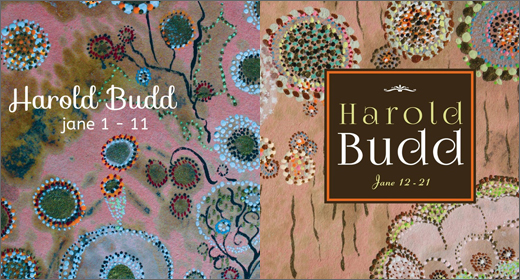
Harold Budd's visual style is minimalistic, serene, and meditative, often focusing on soft, dream-like compositions. His work gained recognition in the 1970s and is famous for its ambient and contemplative qualities.
View StyleExplore Style
Henri Rousseau was a French Post-Impressionist painter known for his lush jungle scenes and fantastical landscapes. Active in the late 19th and early 20th centuries, Rousseau's naive and dream-like style captivated audiences with its imaginative compositions and vibrant colors.
View StyleExplore Style
Hiroshi Nagai is a Japanese artist known for his colorful, dream-like landscapes and cityscapes inspired by the 1980s and 1990s. His use of bright, bold colors and simplified shapes set against clear blue skies captures a sense of nostalgia and relaxation.
View StyleExplore Style
Illustrative Surrealism is a style that combines elements of surrealism with detailed and realistic illustrations. It became popular during the early 20th century, known for its dream-like imagery and fantastical scenes.
View StyleExplore Style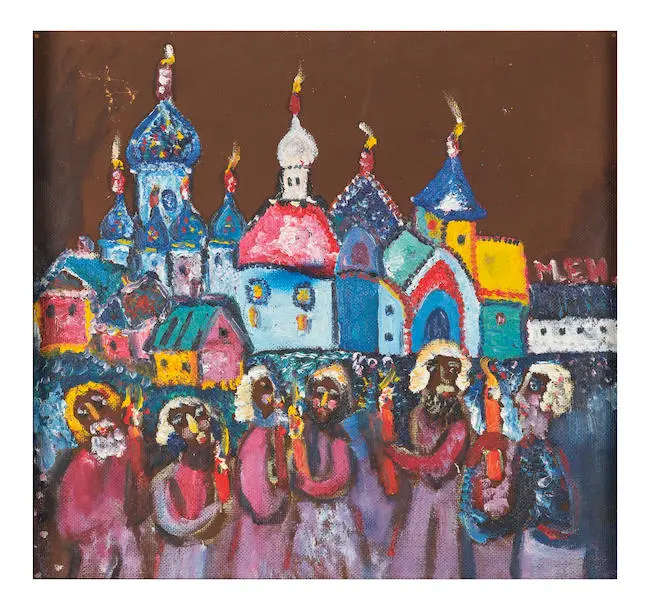
Katya Medvedeva is known for her whimsical and dream-like illustrations, characterized by delicate line work, intricate detailing, and soft pastel color palettes. Her work gained popularity in the 2010s for its ethereal and fantastical imagery.
View StyleExplore Style
Lois Van Baarle's visual style is known for its intricate and detailed digital paintings, often featuring ethereal characters and dream-like backgrounds. Her work gained popularity in the early 2000s for its soft pastel colors and unique blend of realism and fantasy.
View StyleExplore Style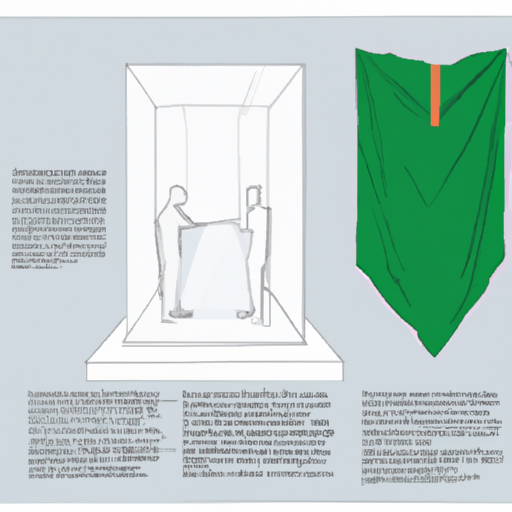
Lost In Translation is a visual style that emerged in the early 2000s and gained popularity through the film of the same name directed by Sofia Coppola in 2003. The style is characterized by its dream-like atmosphere, minimalist aesthetics, and use of neon lights. The film's depiction of the alienation and longing experienced by its characters in the bustling city of Tokyo became iconic, resonating with audiences worldwide.
View StyleExplore Style
Marc Craste's visual style is characterized by detailed and intricate hand-crafted animation, often utilizing mixed media techniques to create surreal and fantastical worlds. His work gained recognition in the early 2000s for its dream-like quality and unique storytelling.
View StyleExplore Style
Max Klinger was a German Symbolist artist known for his intricate and detailed etchings. His work often featured mythical, mystical, and dream-like imagery, reflecting the Symbolist movement of the late 19th century.
View StyleExplore Style
Odilon Redon was a French symbolist painter known for his dream-like, imaginative, and often bizarre works. Active in the late 19th and early 20th centuries, Redon's use of color, symbolism, and surreal imagery made him famous.
View StyleExplore Style
Peter Sinfield is a British graphic designer known for his intricate and fantastical imagery, popular in the 1970s. He is acclaimed for his work as a lyricist for the band King Crimson, creating visually stunning album covers that often featured surreal and dream-like elements.
View StyleExplore Style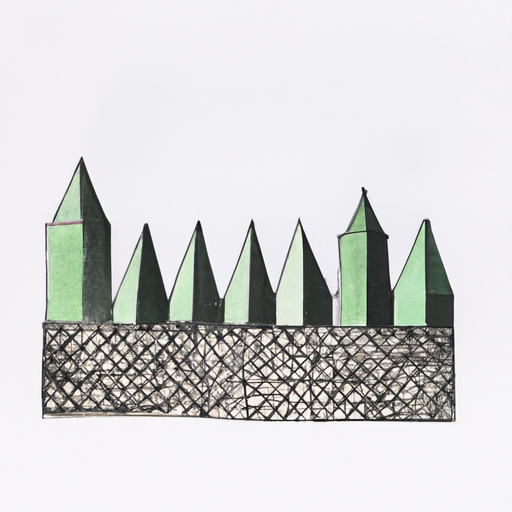
Piotr Jaboski is a visual style known for its vibrant and colorful illustrations that mix surrealism with realism. Emerging in the late 2000s, this style gained popularity through its use of bold color palettes, intricate details, and imaginative compositions. With an emphasis on fantasy and dream-like elements, Jaboski's work often features whimsical characters and enchanted landscapes, creating a sense of wonder and escapism. Piotr Jaboski's unique and captivating style has made a significant impact on the contemporary illustration scene.
View StyleExplore Style
Project Dream is a futuristic and surreal visual style characterized by vivid colors, dream-like imagery, and fantastical landscapes. Popularized in the 2000s, it combines elements of sci-fi, fantasy, and surrealism to create immersive and otherworldly environments.
View StyleExplore Style
Robert Lepage is known for his innovative use of technology in theatre productions, blending live performance with intricate video projections. His visual style often creates a dream-like and surreal atmosphere on stage. Lepage gained fame in the 1980s and 1990s for his groundbreaking work in theatre.
View StyleExplore Style
Roberto Matta's visual style, developed in the 1940s and known as the 'psychological morphology' movement, merged surrealism with abstract expressionism to create dream-like landscapes filled with distorted perspectives and vibrant colors.
View StyleExplore Style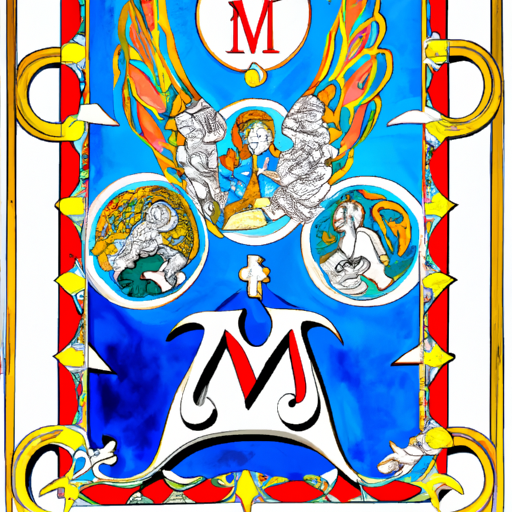
Russian Symbolism emerged in the late 19th and early 20th centuries, characterized by mystical and dream-like subjects, intricate patterns, and vibrant colors. It became famous for its use of symbolism to convey deeper emotional and spiritual themes.
View StyleExplore Style
Shin Nagasawa is known for his intricate and surreal illustrations, often featuring fantastical creatures and dream-like landscapes. His work gained popularity in the early 2000s for its unique blend of traditional and modern elements.
View StyleExplore Style
Shinichi Kameoka is a contemporary Japanese artist known for his surreal and whimsical illustrations. His unique style combines intricate linework, vibrant colors, and dream-like imagery, creating immersive and fantastical worlds. Kameoka gained recognition in the 2010s for his distinct visual storytelling and ability to evoke emotions through his art.
View StyleExplore Style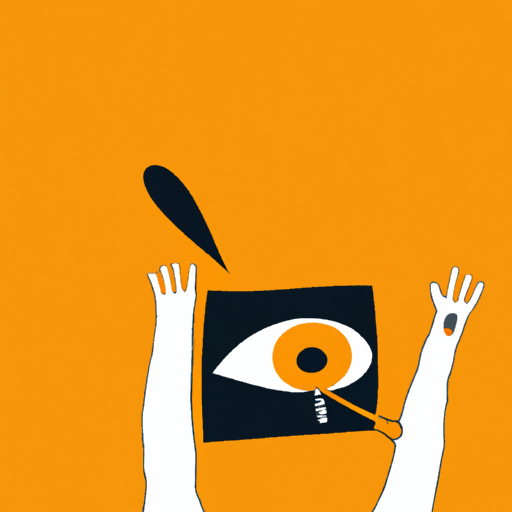
Surrealist Filmmakers is a visual style that emerged in the early 1920s, primarily associated with the surrealist movement led by André Breton. This style became famous for its exploration of dreams, subconscious mind, and irrational imagery in cinema. Surrealist Filmmakers challenged conventional storytelling techniques, embracing unconventional narrative structures, dream-like sequences, and juxtapositions of unrelated elements. Notable years for this style include the 1920s to the 1950s, with significant contributions from filmmakers such as Luis Buñuel, Salvador Dalí, and Jean Cocteau. The style gained popularity for its ability to create visually striking and thought-provoking films that aimed to free the audience from the constraints of logic and reason.
View StyleExplore Style
A late 19th-century art movement exploring the use of symbols and dream-like imagery to convey emotions and ideas. Famous for its emphasis on personal expression and the subconscious mind.
View StyleExplore Style
Tadahiko Hoshino's visual style is known for capturing atmospheric landscapes and poetic moments with a dream-like quality. Rising to fame in the 1970s, his ethereal and minimalist compositions have made him a prominent figure in contemporary photography.
View StyleExplore Style
Takuji Kawano is a Japanese artist known for his intricate and surreal pencil drawings. His work often explores themes of nature, anatomy, and machinery, creating a dream-like quality that captivates viewers. Kawano's work gained popularity in the late 20th century for its unique blend of realism and fantasy.
View StyleExplore Style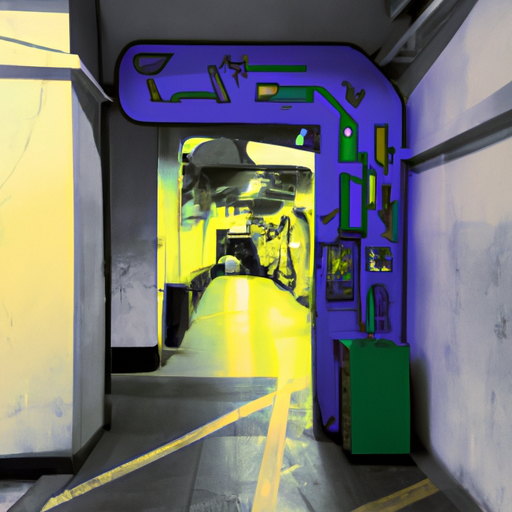
Wong Kar Wai is a Hong Kong filmmaker known for his distinct visual style that combines elements of romanticism, nostalgia, and urban decay. His films gained international recognition in the 1990s and 2000s, particularly with the release of 'Chungking Express' (1994) and 'In the Mood for Love' (2000). Wong's use of vibrant colors, slow motion, and atmospheric lighting create a dream-like and melancholic atmosphere. He is also known for his fragmented narratives and emphasis on characters' internal emotions. Wong Kar Wai's visually stunning films have captivated audiences worldwide, making him one of the most influential directors in contemporary cinema.
View StyleExplore Style
Yuriy Norshteyn's visual style is characterized by hand-drawn animation and intricate, detailed imagery. His works often feature a dream-like quality, with rich textures and nuanced storytelling. Norshteyn is famous for his influential films, including 'Tale of Tales' and 'Hedgehog in the Fog'.
View StyleExplore Style
Zhuang Zhou, also known as Zhuangzi, was a Chinese philosopher and writer during the Warring States period. His visual style is characterized by a dream-like, surreal quality infused with elements of Taoist philosophy.
View StyleExplore Style