StylopediaStylopedia

Dramatic lighting styles on Stylopedia

A visual encyclopedia of dramatic lighting styles – use as prompt inspiration for Midjourney, Gemini, or ChatGPT AI when making dramatic lighting images

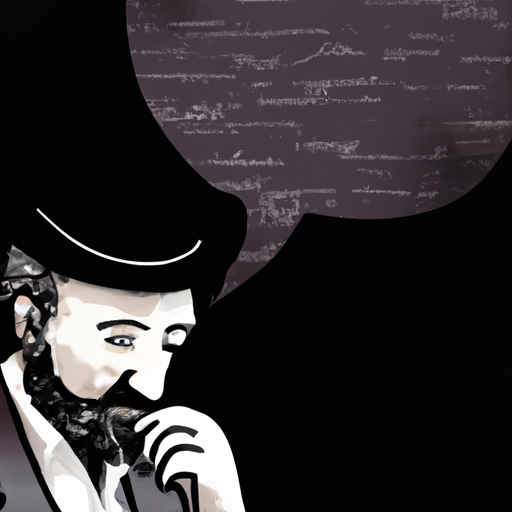
Example of visual style of Annie Leibovitz

Annie Leibovitz

Annie Leibovitz is known for her innovative and imaginative approach to portraiture. Her style emerged in the 1970s and gained fame through her work for Rolling Stone magazine. Leibovitz became renowned for her use of bold colors, dramatic lighting, and creative compositions that captured the essence and personality of her subjects, often celebrities. She produced iconic images that pushed the boundaries of traditional portraiture and became a pioneer in the field of celebrity photography.

View StyleExplore Style
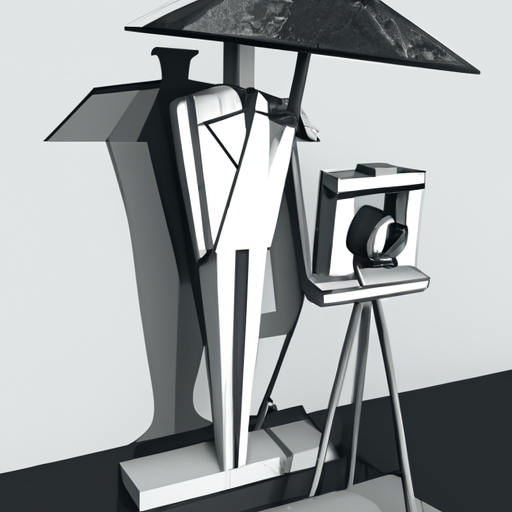
Example of visual style of Cecil B Demille

Cecil B Demille

The Cecil B Demille visual style emerged in the 1920s and gained prominence in the early years of Hollywood. It is known for its grandeur, opulence, and epic scale. With the use of elaborate sets, lavish costumes, and large cast ensembles, Cecil B Demille created visually stunning films that transported viewers to ancient civilizations and biblical stories. This style became famous for its sweeping camera movements, dramatic lighting, and attention to detail, which added a sense of spectacle and grandiosity to the films he directed and produced.

View StyleExplore Style
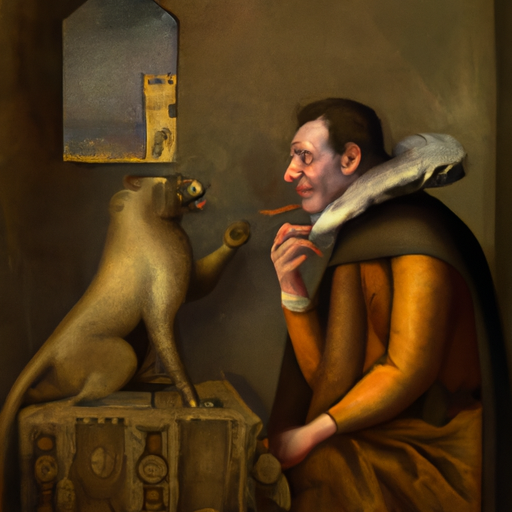
Example of visual style of Chris Doyle

Chris Doyle

Chris Doyle is a visual stylist known for his poetic and dreamlike cinematography. His work is characterized by bold use of color, dramatic lighting, and innovative camera techniques. Doyle rose to prominence in the 1990s, working extensively with directors like Wong Kar-wai and Zhang Yimou, and his distinctive style became synonymous with the Asian film aesthetic. His collaborations with Wong Kar-wai on films such as 'Chungking Express' (1994) and 'In the Mood for Love' (2000) brought him international recognition and critical acclaim.

View StyleExplore Style
Example of visual style of Classic Hollywood

Classic Hollywood

Classic Hollywood is a visual style that emerged in the 1920s and dominated American cinema until the 1960s. It is characterized by glamorous and idealized portrayals of life, often depicting the upper class and their struggles. This style became famous for its grand sets, lavish costumes, and dramatic lighting techniques. It was during this period that Hollywood became the center of the film industry, producing iconic movies and stars that are still celebrated today.

View StyleExplore Style
Example of visual style of Classic Hollywood Style

Classic Hollywood Style

The Classic Hollywood Style refers to the visual aesthetic and filmmaking techniques prevalent in Hollywood from the 1920s to the 1960s. This style was characterized by glamour, elegance, and larger-than-life storytelling. It became famous for its use of vibrant Technicolor, dramatic lighting, lavish costumes, and opulent sets. The Classic Hollywood Style reached its peak during the Golden Age of Hollywood, from the 1930s to the 1950s, when films like 'Gone with the Wind' and 'Casablanca' captivated audiences worldwide.

View StyleExplore Style
Example of visual style of Comic Book Noir

Comic Book Noir

Comic Book Noir is a visual style that combines elements of film noir and comic book aesthetics. It emerged in the 1980s and became famous through works like Frank Miller's 'Sin City' series. This style is characterized by high contrast black and white imagery, dramatic lighting, bold lines, and heavy use of shadows. It often features morally ambiguous characters, gritty urban settings, and a sense of mystery and crime. Comic Book Noir captures the dark, atmospheric mood of film noir and translates it into the graphic storytelling of comic books.

View StyleExplore Style
Example of visual style of Dark Fantasy

Dark Fantasy

Dark Fantasy is a visual style characterized by its eerie and mysterious atmosphere, combining elements of fantasy and horror. It emerged in the late 18th century with the Gothic literature movement, gaining popularity in the 19th and early 20th centuries. Dark Fantasy is often associated with macabre and supernatural themes, featuring haunted landscapes, grotesque creatures, and dramatic lighting. Its fame grew through the works of authors like Edgar Allan Poe and artists like Hieronymus Bosch.

View StyleExplore Style
Example of visual style of Don Bluth

Don Bluth

Don Bluth is an American animator, filmmaker, and director known for his distinct visual style in animated films during the 1980s and 1990s. He gained fame for his work on films like 'The Secret of NIMH' (1982), 'An American Tail' (1986), and 'The Land Before Time' (1988). Bluth's style is characterized by its vibrant and detailed hand-drawn animation, high-quality backgrounds, fluid character movements, and dramatic lighting, which brought a more mature and dark tone to traditional animated films. His work often showcased emotionally resonant stories with memorable characters, appealing to both children and adults alike.

View StyleExplore Style
Example of visual style of Francis Ford Coppola

Francis Ford Coppola

Francis Ford Coppola is known for his visually striking and immersive storytelling style in cinema. His style emerged in the 1970s and became famous through films like "The Godfather" trilogy and "Apocalypse Now". Coppola's visual style is characterized by his meticulous attention to detail, use of dramatic lighting and shadows, elaborate set designs, and innovative camera techniques. These elements combine to create a visually rich and atmospheric experience for the audience.

View StyleExplore Style
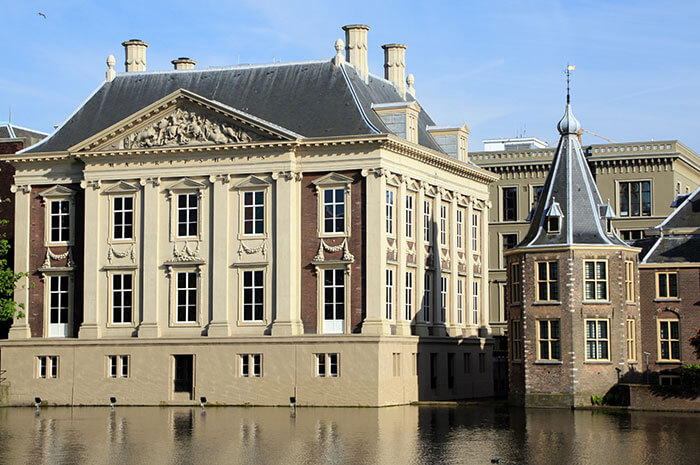
Example of visual style of Gothic Horror

Gothic Horror

Gothic Horror is a visual style that emerged in the late 18th and early 19th centuries. It became famous through literature and later extended to other art forms. This style is characterized by its macabre and gloomy atmosphere, combining elements of horror, suspense, and the supernatural. Gothic Horror often features eerie castles, dark forests, graveyards, and haunted mansions as settings. It explores themes of death, decay, madness, and the unknown, making use of dramatic lighting, exaggerated shadows, and grotesque or supernatural creatures. Prominent examples include Mary Shelley's 'Frankenstein' published in 1818 and Bram Stoker's 'Dracula' published in 1897.

View StyleExplore Style
Example of visual style of Harvey Dunn

Harvey Dunn

Harvey Dunn was an American painter known for his realist style and portrayal of the American West. Active in the late 19th and early 20th centuries, his work became famous for its dramatic lighting, detailed depictions of landscapes and figures, and emotional storytelling. Dunn's art often depicted scenes of cowboys, Native Americans, and pioneers, capturing the spirit of the American frontier. His pivotal role as an illustrator for magazines and books, such as The Saturday Evening Post and Harper's Weekly, further contributed to his fame.

View StyleExplore Style
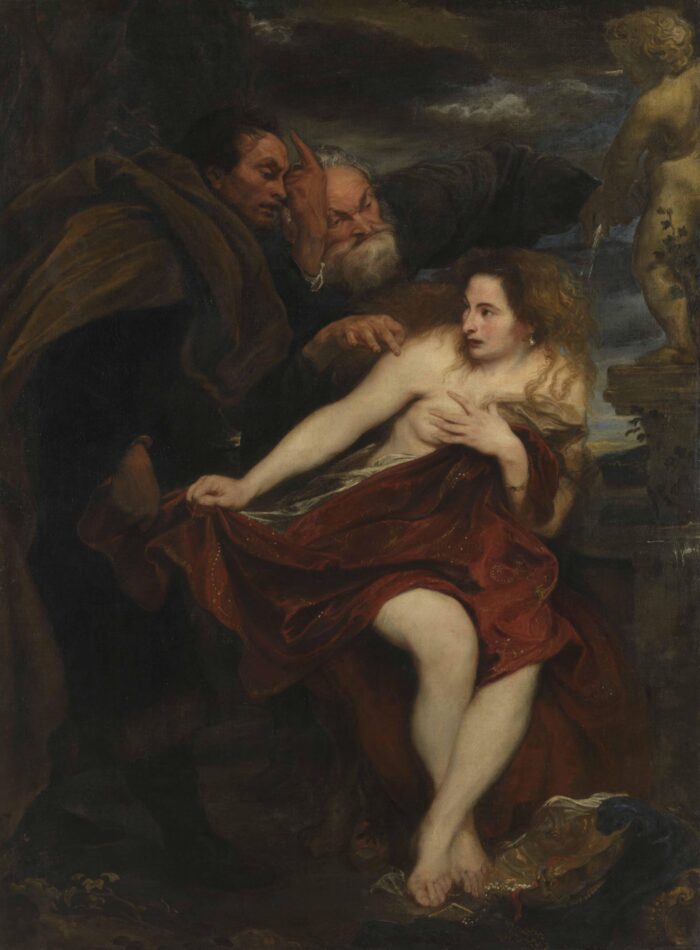
Example of visual style of Helmut Newton

Helmut Newton

Helmut Newton was a renowned fashion photographer known for his provocative and highly stylized black and white photography. His career spanned several decades, with some of his most influential work done in the 1970s and 1980s. Newton's unique visual style often featured strong contrasts, dramatic lighting, and a focus on the female form. He pushed boundaries with his bold and controversial compositions, challenging traditional notions of beauty and sexuality. His work revolutionized fashion photography and continues to inspire photographers to this day.

View StyleExplore Style
Example of visual style of Horror Fiction

Horror Fiction

Horror Fiction is a visual style that aims to depict fear, terror, and the supernatural in a captivating and unsettling manner. It gained popularity in the late 18th century with the emergence of Gothic literature, with influential works like Mary Shelley's 'Frankenstein' and Bram Stoker's 'Dracula'. This style became particularly famous during the 20th century with the rise of horror movies and iconic authors such as H.P. Lovecraft and Stephen King. Horror Fiction often employs dark and intense color palettes, dramatic lighting, grotesque and macabre imagery, and eerie atmospheres to evoke feelings of suspense and horror.

View StyleExplore Style
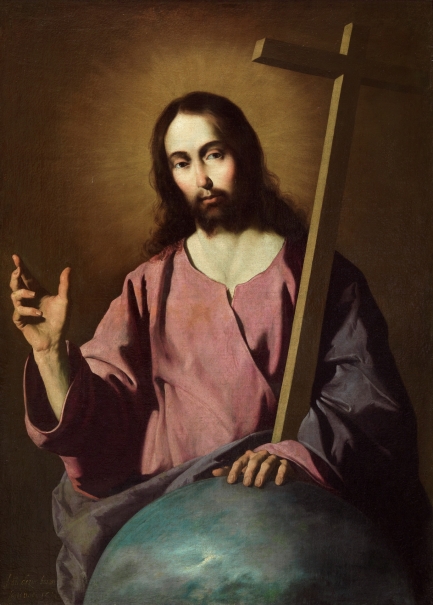
Example of visual style of Hudson River School

Hudson River School

The Hudson River School was a mid-19th-century American art movement named after the Hudson River Valley, where many of the artists found inspiration. This style is known for its breathtaking landscapes, capturing the beauty of the American wilderness. It gained recognition in the 1820s and 1830s and reached its peak in the 1850s. Artists of the Hudson River School sought to depict the grandeur of nature, showcasing vast landscapes, dramatic lighting, and realistic details. Their works often evoked a sense of awe and reverence for the untamed wilderness of America.

View StyleExplore Style
Example of visual style of John Singer Sargent

John Singer Sargent

John Singer Sargent was an American artist known for his portraits and figurative paintings. His style was characterized by a blend of realism and impressionism, capturing the essence of his subjects with bold brushwork and a keen eye for detail. Active in the late 19th and early 20th centuries, Sargent's works showcased his mastery of light, color, and composition, often using dramatic lighting effects to create stunning visual impact. His portraits of high society individuals and landscapes gained him fame and recognition as one of the leading portrait painters of his time.

View StyleExplore Style
Example of visual style of Michael Bay

Michael Bay

The Michael Bay visual style is known for its high-octane action sequences, explosive special effects, and fast-paced editing. This style became popular in the late 1990s and early 2000s through movies like 'Armageddon' and 'Bad Boys'. Michael Bay's signature style includes sweeping camera movements, saturated colors, and dramatic lighting. In his films, the visual style often takes precedence over the story, creating a visually stunning and intense cinematic experience.

View StyleExplore Style
Example of visual style of Nc Wyeth

Nc Wyeth

Nc Wyeth was an American painter and illustrator during the late 19th and early 20th centuries. His visual style is characterized by highly detailed and vibrant oil paintings with a focus on narrative storytelling. Wyeth became famous for his illustrations of adventure and historical books, particularly for his work on Treasure Island, Robin Hood, and The Last of the Mohicans. His use of dramatic lighting and bold composition techniques brought his subjects to life and established him as one of the most prominent illustrators of his time.

View StyleExplore Style
Example of visual style of Neal Adams

Neal Adams

Neal Adams is an American comic book artist known for his realistic and dynamic drawing style. He rose to fame in the late 1960s and early 1970s, becoming one of the most influential artists of his time. Adams' work was characterized by intricate details, strong anatomical accuracy, and a heightened sense of realism. His use of dramatic lighting and shadows added depth and dimension to his illustrations. Adams' style revolutionized the comic book industry and set a new standard for superhero artwork.

View StyleExplore Style
Home