StylopediaStylopedia

Dramatic styles on Stylopedia

A visual encyclopedia of dramatic styles – use as prompt inspiration for Midjourney, Gemini, or ChatGPT AI when making dramatic images

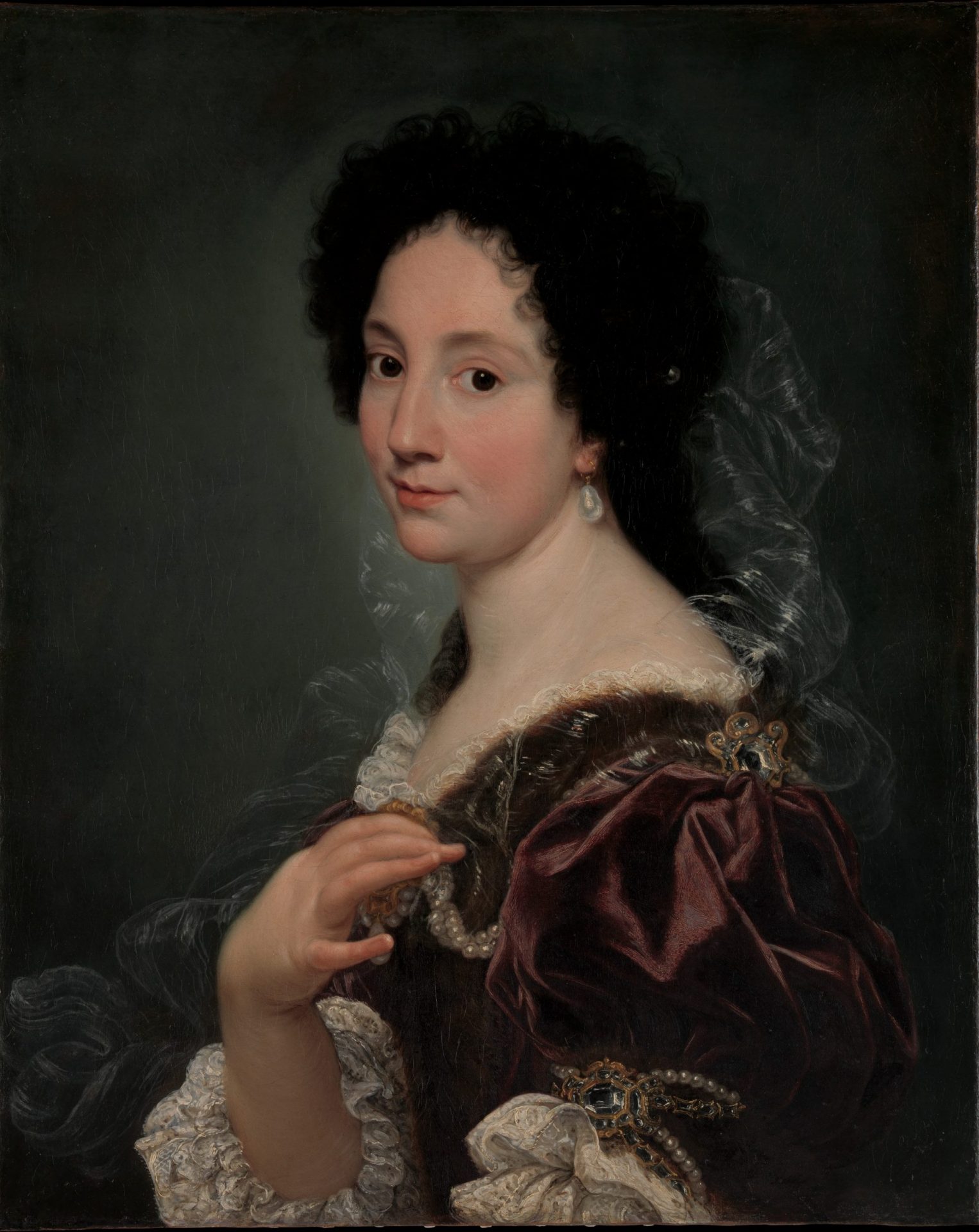
Example of visual style of Artemisia Gentileschi

Artemisia Gentileschi

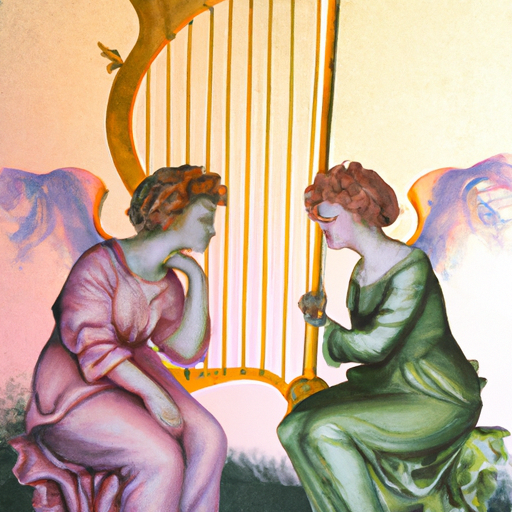
Artemisia Gentileschi was an Italian Baroque painter who became famous for her powerful, dramatic, and often visceral depictions of biblical and mythological women. Active during the 17th century, her style is characterized by dynamic compositions, rich colors, and a focus on the emotional intensity of her subjects. Gentileschi's work is known for its emphasis on female protagonists, as well as her use of chiaroscuro and naturalistic details. She is regarded as one of the most important female artists of her time.

View StyleExplore Style
Example of visual style of August Strindberg

August Strindberg

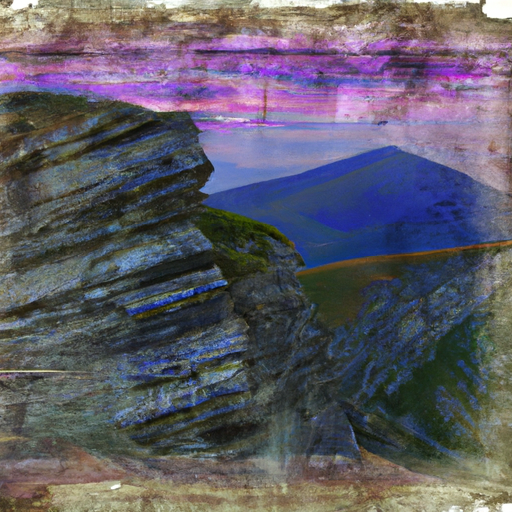
August Strindberg is known for his dramatic and expressive visual style, characterized by bold and sweeping brushstrokes. His style emerged in the late 19th century in Sweden, and his works became famous for their emotional intensity and raw portrayal of human emotions. Strindberg's paintings often depict scenes of everyday life, as well as portraits and landscapes. His use of vibrant colors and dynamic compositions made him a prominent figure in the art world during his time.

View StyleExplore Style
Example of visual style of Barbara Chase Riboud

Barbara Chase Riboud

Barbara Chase Riboud is a visual style that emerged in the late 1960s and gained prominence in the 1970s. It is characterized by bold and dramatic sculptures and mixed-media artworks. Riboud's style became famous for integrating African and African American cultural motifs with geometric forms and organic materials, exploring themes of history, race, and feminism. Her use of materials like bronze, textiles, and wood, along with her attention to intricate details, creates a sense of tactile and visual richness.

View StyleExplore Style
Example of visual style of Baroque

Baroque

Baroque is a highly ornamental and dramatic style that emerged in Europe around the late 16th century and remained prominent until the early 18th century. It is known for its grandeur, opulence, and theatricality. Baroque style captivated audiences with its elaborate details, exaggerated gestures, and vibrant colors. It was characterized by the use of dynamic and sweeping curves, intricate ornamentation, and abundant decorative elements. This style became famous for its luxuriousness and the way it evoked strong emotions through its ornate compositions and intense lighting effects.

View StyleExplore Style
Example of visual style of Baroque Painting

Baroque Painting

Baroque painting originated in Italy during the late 16th century and reached its peak in the 17th century. Characterized by its dramatic and extravagant style, Baroque painting is known for its grandeur, emotional intensity, and vivid use of color and light. This style was famous for its religious and mythological subject matter, often depicting scenes of intense emotion, gestures, and theatrical compositions. The Baroque period was marked by the artistic achievements of influential artists such as Caravaggio, Peter Paul Rubens, and Rembrandt, who contributed to the popularity and recognition of Baroque painting.

View StyleExplore Style

Example of visual style of Baroque Sculpture

Baroque Sculpture

Baroque Sculpture is a highly dramatic and theatrical style that emerged in Europe during the 17th century. It reached its peak between the late 16th and early 18th centuries. This style is known for its ornate and extravagant aesthetic, characterized by exaggerated gestures, dynamic compositions, and intricate details. Baroque sculptures often portray intense emotions, religious subjects, and a sense of movement. The use of light and shadow, known as chiaroscuro, adds depth and drama to the sculptures. Baroque Sculpture became famous for its grandeur and opulence, as well as its ability to evoke strong emotional responses from viewers.

View StyleExplore Style
Example of visual style of Baroque Style

Baroque Style

Baroque style was a highly ornate and extravagant artistic style that emerged in Europe around the late 16th century and lasted until the mid-18th century. It is characterized by dramatic and grandiose forms, rich ornamentation, curved lines, and a sense of motion. Baroque architecture and art were known for their emotional intensity and theatricality. This style became famous for its opulence and splendor, as well as its ability to evoke strong emotions in viewers.

View StyleExplore Style
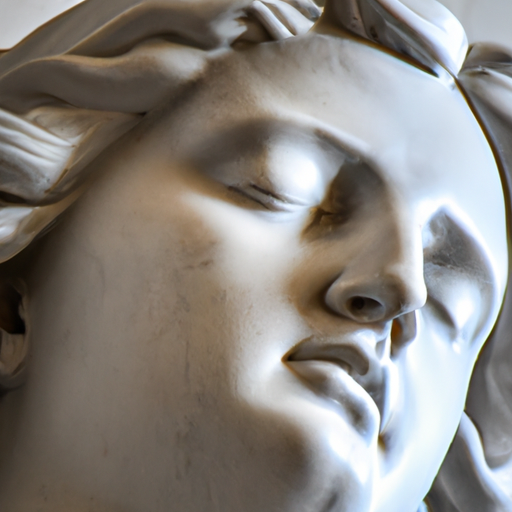
Example of visual style of Bernini

Bernini

Bernini is a Baroque style of visual art that emerged in the 17th century. It is named after the Italian artist Gian Lorenzo Bernini, who was a prominent figure of this style. Bernini is famous for his elaborate and dynamic sculptures that depict intense emotion and movement. He revolutionized the field of sculpture by creating lifelike and dramatic compositions. His works often featured intricate details and a sense of theatricality, capturing the viewer's attention. Bernini's mastery of marble and ability to convey expressions and gestures with great realism made him one of the most renowned artists of his time.

View StyleExplore Style
Example of visual style of Bob Kane

Bob Kane

The Bob Kane visual style is best known for its dark and brooding atmosphere, characterized by heavy use of shadows and dramatic lighting. This style emerged in the late 1930s with the introduction of Batman, a comic book character created by Bob Kane. Kane's artistry and storytelling revolutionized the superhero genre, emphasizing a noir-inspired aesthetic that captivated audiences. The Bob Kane visual style gained significant popularity in the 1940s and 1950s, shaping the iconic look of Batman and Gotham City.

View StyleExplore Style

Example of visual style of Caravaggio

Caravaggio

Caravaggio is an Italian Baroque art style that emerged in the late 16th and early 17th centuries. It is characterized by its dramatic use of light and shadow, known as chiaroscuro, which creates a strong contrast between illuminated subjects and dark backgrounds. Caravaggio's revolutionary approach to painting, with its emphasis on naturalism and his ability to capture the emotional intensity of his subjects, made him one of the most influential artists of his time.

View StyleExplore Style
Example of visual style of Cinematic Photography

Cinematic Photography

Cinematic Photography is a visual style that aims to replicate the look and feel of movies. It gained popularity in the late 20th century and continues to be widely recognized today. This style became famous due to its ability to capture and convey dramatic narratives, evoke emotions, and create visually stunning compositions. It often includes strong contrasts, deep shadows, and rich colors, which are achieved through careful lighting and composition techniques.

View StyleExplore Style

Example of visual style of Daphne Guinness

Daphne Guinness

Daphne Guinness is a style icon known for her avant-garde and eccentric fashion sense. Her style emerged in the late 2000s and gained significant attention in the fashion world. She is renowned for her bold and unconventional choices, often combining unexpected elements and materials to create visually striking outfits. Guinness is best known for her distinctive personal style, characterized by dramatic silhouettes, intricate detailing, and an affinity for couture. Her unique and fearless approach to fashion has made her an influential figure in the industry.

View StyleExplore Style

Example of visual style of DC Comics

DC Comics

The visual style of DC Comics is bold, dynamic, and vibrant. With a history that dates back to 1934, DC Comics has become famous for its iconic characters and compelling storytelling. The style gained popularity in the mid-20th century with the introduction of superheroes like Superman, Batman, and Wonder Woman. DC Comics is known for its strong use of primary colors, exaggerated proportions, and dramatic action scenes. The distinctive look of DC Comics has been influential in the world of comic books and has served as the foundation for numerous adaptations in film and television.

View StyleExplore Style

Example of visual style of Ennio Morricone

Ennio Morricone

Ennio Morricone is a renowned Italian composer known for his iconic and influential film scores. His style emerged in the 1960s and gained worldwide recognition. Morricone's music is characterized by its innovative use of diverse instruments, unconventional melodies, and dramatic arrangements. He is famous for his work in the Spaghetti Western genre, particularly his collaborations with director Sergio Leone. Morricone's scores helped define the genre with their haunting, atmospheric soundscapes and memorable motifs.

View StyleExplore Style
Example of visual style of Gian Lorenzo Bernini

Gian Lorenzo Bernini

Gian Lorenzo Bernini was an Italian artist and architect who lived in the 17th century. He is known for his Baroque style, characterized by dramatic and emotional compositions. Bernini's sculptures are famous for their realistic details and dynamic poses, capturing intense expressions and movement. His works have a sense of theatricality, commanding attention and engaging the viewer. Bernini's skill in portraying human emotions and his innovative use of light and shadow made him one of the most influential artists of the Baroque period.

View StyleExplore Style
Example of visual style of Gothic Fashion

Gothic Fashion

Gothic Fashion emerged in the late 1970s and became popular in the 1980s and 1990s. It is characterized by its dark and dramatic aesthetic, drawing inspiration from medieval and Victorian fashion. This style is famous for its use of black clothing, corsets, lace, leather, and metal accents. Gothic Fashion gained attention through its association with subcultures like goth and punk, as well as the influence of prominent designers like Alexander McQueen and Vivienne Westwood.

View StyleExplore Style

Example of visual style of Gothic Subculture

Gothic Subculture

Gothic Subculture emerged in the late 1970s and became famous in the 1980s. It is characterized by dark and dramatic fashion and aesthetics, often inspired by Gothic literature and horror films. The style is known for its emphasis on black clothing, extravagant makeup (such as pale skin and dark eye makeup), and accessories like chokers, lace, and leather. Gothic Subculture is admired for its romantic and melancholic atmosphere, expressed through a combination of music, fashion, and alternative lifestyle choices.

View StyleExplore Style
Example of visual style of Grand Baroque Style

Grand Baroque Style

Grand Baroque Style was a highly ornate and extravagant visual style that emerged in Europe during the late 17th and early 18th centuries. It reached its peak in popularity during the Baroque period (1600-1750). This style is characterized by its opulence, dynamism, and intricate detailing. Grand Baroque Style is famous for its lavish use of decorations such as gilding, heavy draperies, dramatic sculptures, and elaborate architectural designs. The emphasis on grandeur and theatricality made this style popular among the European aristocracy and the Catholic Church.

View StyleExplore Style
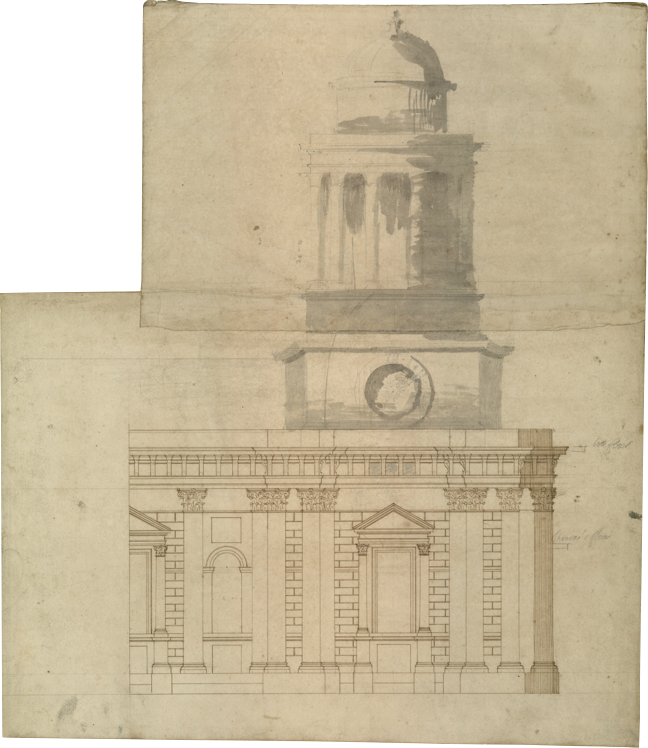
Example of visual style of Gustave Dore

Gustave Dore

Gustave Dore was a 19th-century French artist known for his intricate and detailed illustrations. His visual style, which emerged in the mid-1800s, is characterized by its dark and dramatic tone, intricacy, and attention to detail. Dore's work became famous for its ability to capture the essence of various literary works, such as Dante's 'The Divine Comedy' and Milton's 'Paradise Lost', through his intricate and imaginative illustrations. His illustrations often featured elaborate compositions, stark contrasts between light and shadow, and finely crafted details that brought the scenes to life. Dore's visual style continues to inspire and influence artists and illustrators to this day.

View StyleExplore Style
Example of visual style of Hellenistic Art

Hellenistic Art

Hellenistic Art flourished between the 4th century BC and the 1st century BC. It is known for its realistic and dramatic representations, emotional expressions, and an emphasis on intricate details. Influenced by Greek culture and mythology, this style gained fame for its lively and dynamic compositions. Hellenistic Art is characterized by a focus on individualism, movement, and the portrayal of intense emotions, often depicted through grand sculptures and elaborate mosaics.

View StyleExplore Style
Home