StylopediaStylopedia

Drama styles on Stylopedia

A visual encyclopedia of drama styles – use as prompt inspiration for Midjourney, Gemini, or ChatGPT AI when making drama images

Example of visual style of Anime Style

Anime Style

Anime style is a distinctive art form that originated in Japan in the 20th century. It gained popularity in the mid-1960s and continues to be widely recognized today. This style is characterized by its colorful and vibrant visuals, exaggerated features, expressive facial expressions, and often intricate backgrounds. Anime became famous for its ability to captivate audiences with imaginative storytelling and compelling characters, often crossing genres to explore a wide range of themes, from fantasy and science fiction to romance and drama.

View StyleExplore Style
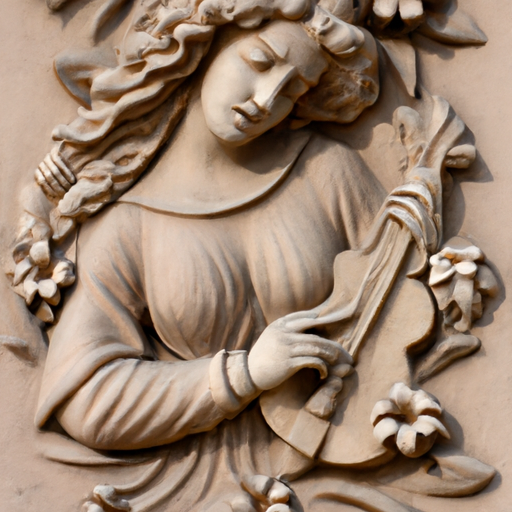
Example of visual style of Big Little Lies TV Series

Big Little Lies TV Series

The visual style of Big Little Lies is a blend of luxurious coastal living, high-end fashion, and the dark secrets lurking beneath the surface of a seemingly perfect world. The series showcases stunning ocean views, elegant interiors, and impeccable designer wardrobes to create a visually captivating backdrop for the drama to unfold. Released in 2017, the show's intricate storytelling and dynamic characters have made it a standout in the TV landscape.

View StyleExplore Style
Example of visual style of Italian Mannerism

Italian Mannerism

Italian Mannerism was an art style that emerged in the late 1520s and flourished until the late 16th century. It is characterized by the exaggeration of proportions, elongated figures, and intricate compositions. Italian Mannerism gained fame for its unconventional and distorted depictions, often filled with heightened emotion and drama. Influenced by the works of Michelangelo and Raphael, this style elevated individual expression and depicted complex narratives.

View StyleExplore Style
Example of visual style of Jacopo Pontormo

Jacopo Pontormo

Jacopo Pontormo was an Italian painter from the late Renaissance period. He was active in the early 16th century, particularly between 1512 and 1557. Pontormo's style is characterized by his use of vibrant and intense colors, elongated proportions, complex compositions, and a sense of emotional intensity and drama. His works often depict religious and mythological subjects, with a focus on expressing inner turmoil and psychological tension. Pontormo's art is famous for its innovative approach to form and composition, which had a profound influence on the development of Mannerism.

View StyleExplore Style
Example of visual style of Robert Kirkman

Robert Kirkman

Robert Kirkman is not a visual style, but rather a renowned comic book writer and creator. He is best known for his work in the horror genre, particularly for his long-running series 'The Walking Dead'. Kirkman's style is characterized by its gritty and realistic storytelling, focusing on human drama in apocalyptic and supernatural settings. His ability to craft compelling narratives and create complex, relatable characters has made him a prominent figure in the comic book industry.

View StyleExplore Style
Example of visual style of Rumiko Takahashi

Rumiko Takahashi

Rumiko Takahashi is a Japanese manga artist known for her distinctive visual style. Born in 1957, Takahashi rose to fame in the late 1970s with the release of her manga series 'Urusei Yatsura' and followed it up with acclaimed works like 'Maison Ikkoku', 'Ranma 1/2', and 'Inuyasha'. Her art style is characterized by detailed and expressive character designs, exaggerated facial expressions, and a perfect balance of comedic and dramatic elements. Takahashi's unique storytelling ability and relatable characters contributed to the popularity of her works, making her one of the most influential manga artists in history.

View StyleExplore Style
Example of visual style of Shoujo Manga

Shoujo Manga

Shoujo Manga is a visual style that emerged in the 1950s in Japan and gained popularity in the 1960s. It is characterized by its focus on stories and artwork targeted towards young girls and women. The style features delicate and intricate artwork, with emphasis on beautifully drawn characters, expressive eyes, and flowing hair. Shoujo Manga often explores themes of romance, drama, friendship, and personal growth. Some famous Shoujo Manga artists include Moto Hagio, Ikeda Riyoko, and CLAMP.

View StyleExplore Style
Example of visual style of Theodore Chasseriau

Theodore Chasseriau

Theodore Chasseriau was a 19th-century French painter known for his romantic and Orientalist style. Active between 1836 and 1856, Chasseriau's work gained fame for its exotic subject matter, vibrant colors, and precise brushwork. His paintings often depicted mythological, historical, and biblical scenes, infused with a sense of drama and sensuality. Chasseriau's style was influenced by both Neoclassicism and Romanticism, creating a unique blend of grandeur and emotional intensity that captivated viewers of his time.

View StyleExplore Style
Example of visual style of Titian

Titian

Titian is a visual style developed by the Italian painter Tiziano Vecellio, known as Titian (1488-1576). This style emerged during the High Renaissance and continued to evolve during the Mannerist period. Titian's innovative use of color and brushwork, along with his ability to capture the human form with depth and emotion, made him one of the most influential artists of his time. His famous works include 'Bacchus and Ariadne' (1520-1523), 'Venus of Urbino' (1534), and 'The Assumption of the Virgin' (1516-1518). Titian's style is characterized by vibrant and luminous colors, skillful use of light and shadow, and a dynamic composition that creates a sense of movement and drama.

View StyleExplore Style
Home