
A Place To Bury Strangers
A dark and intense visual style characterized by distorted and noisy imagery, reminiscent of the post-punk and noise rock music of the band A Place To Bury Strangers.
View StyleExplore Style Stylopedia
A visual encyclopedia of distorted styles – use as prompt inspiration for Midjourney, Gemini, or ChatGPT AI when making distorted images
A dark and intense visual style characterized by distorted and noisy imagery, reminiscent of the post-punk and noise rock music of the band A Place To Bury Strangers.
View StyleExplore Style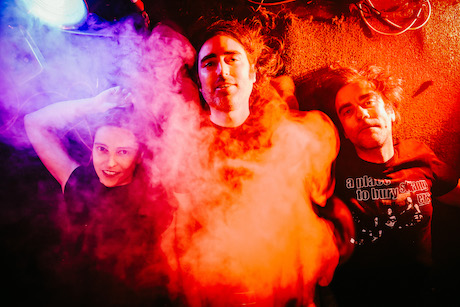
A dark and gritty visual style featuring intense strobe lights, distorted imagery, and chaotic visuals. Known for their raw and explosive live performances.
View StyleExplore Style
The visual style of Alice In Chains is dark, gritty, and raw, reflecting the band's music themes of addiction, depression, and hard-hitting lyrics. Popular in the 1990s grunge era, their imagery often features distorted photography, bleak landscapes, and surreal elements.
View StyleExplore Style
Andre Breton is a visual style that originated in the 1920s with the Surrealist movement. It is characterized by dreamlike and imaginative imagery, often inspired by the subconscious. Breton, along with other artists and writers, sought to explore the realms of the unconscious mind to create works that challenged conventional ideas and norms. The style became famous for its use of juxtaposition, unexpected combinations, and strange or distorted forms. It was a revolution in artistic expression that transformed the art world.
View StyleExplore Style
Antonin Artaud's visual style is characterized by surreal and abstract imagery, often depicting distorted and grotesque figures. Artaud was a French playwright, poet, and actor known for his avant-garde and surrealist work in the early to mid 20th century.
View StyleExplore Style
The visual style of Aphex Twin is characterized by surreal and glitchy imagery, often incorporating distorted and manipulated photographs. It gained recognition in the 1990s as Aphex Twin, a British electronic musician known for his innovative and experimental music, released groundbreaking music videos that perfectly complemented his mesmerizing soundscapes.
View StyleExplore Style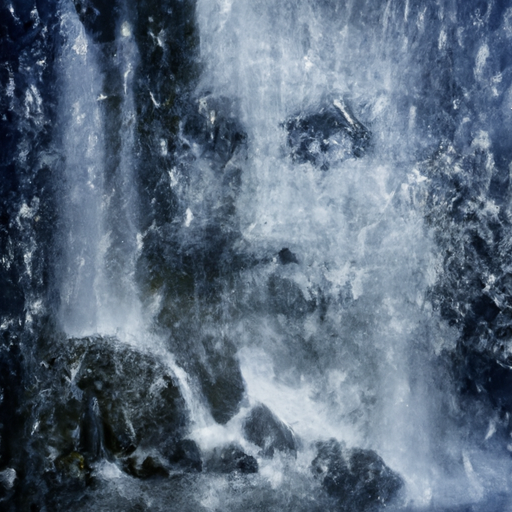
Beksinski is a gothic and surrealist visual style that emerged in the late 20th century. It is named after the Polish artist Zdzislaw Beksinski, who gained prominence in the 1980s and 1990s. Beksinski's works are characterized by dark, atmospheric landscapes, abstract forms, and distorted figures. Known for his dystopian and apocalyptic themes, Beksinski's art often evokes feelings of melancholy and despair. His unique style combines elements of surrealism, expressionism, and fantasy, creating haunting and otherworldly imagery.
View StyleExplore Style
Caricature is a style of art that exaggerates and distorts the features of a person or subject to create a humorous or satirical effect. It became popular in the 18th century as a way to poke fun at prominent figures in society.
View StyleExplore Style
Caricature art is a style of exaggerated and distorted representation of people or things to create a humorous or satirical effect. Popularized in Europe in the 18th century, caricature art gained fame for its ability to comment on social and political issues in a lighthearted manner.
View StyleExplore Style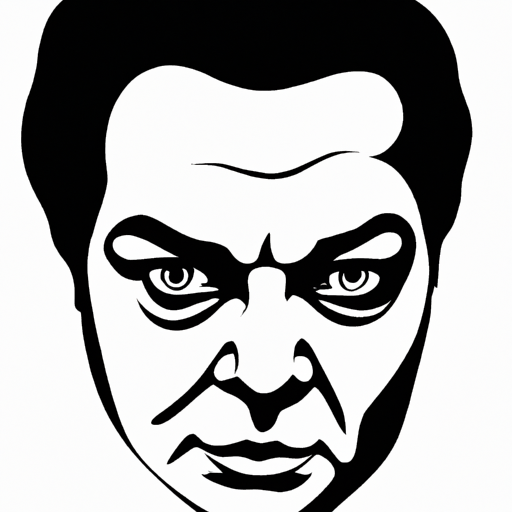
The Charles Burns style is a unique blend of dark, surreal and grotesque imagery. Burns gained fame in the late 20th century through his distinctive black and white illustrations in comics and graphic novels. His work is characterized by its intricate linework, stark contrast, and distorted, often unsettling characters. Burns became particularly famous for his graphic novel series 'Black Hole', published from 1995 to 2005, which explored themes of adolescence, sexuality, and body horror.
View StyleExplore Style
The Dali visual style is defined by dream-like, surreal imagery characterized by melting clocks, distorted figures, and bizarre landscapes. Salvador Dali, a prominent Spanish Surrealist artist, popularized this style in the 1920s-40s.
View StyleExplore Style
Ed Paschke was an American painter known for his vibrant, figurative works that often depicted distorted and surreal human figures. Emerging in the 1960s, Paschke's style combined elements of Pop Art, Surrealism, and Expressionism, making him a prominent figure in the Chicago Imagists group.
View StyleExplore Style
Ed Rush is known for his dark and gritty visual style, often featuring distorted and glitchy elements. Emerging in the late 90s and early 2000s, Ed Rush's style became famous for its futuristic and dystopian aesthetics.
View StyleExplore Style
Erich Heckel was a German painter and printmaker who co-founded the influential artistic group Die Brücke in 1905. His visual style is characterized by bold colors, expressive brushwork, and a primitive and distorted representation of human figures. Heckel's style gained fame during the early 20th century and was known for its emphasis on emotion, intensity, and rawness. He played a significant role in the development of German Expressionism, which aimed to convey subjective and emotional experiences through art.
View StyleExplore Style
Francis Newton Souza was known for his bold and vibrant paintings that often depicted distorted figures and religious themes. He was a prominent figure in the Indian Modern Art movement of the mid-20th century.
View StyleExplore Style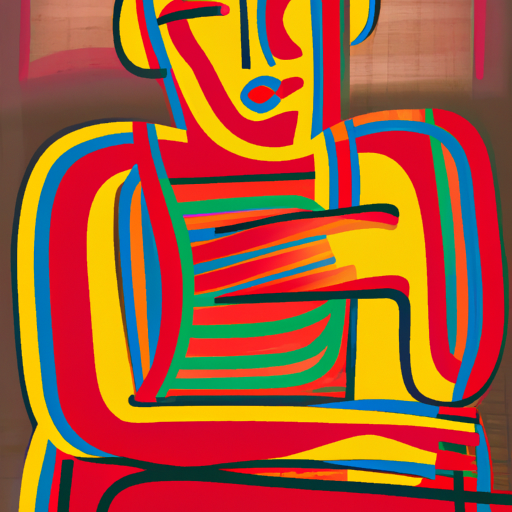
Francis Bacon was a highly influential British painter known for his distinctive visual style characterized by distorted and grotesque figures. He gained prominence in the mid-20th century, particularly during the 1940s and 1950s. Bacon's style became famous for its raw and emotional representation of the human condition, often portraying his subjects in a tormented and anguished manner.
View StyleExplore Style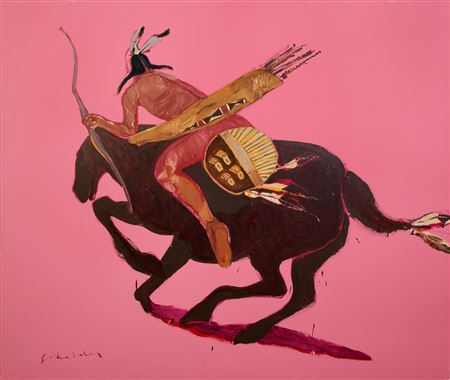
Fritz Scholder's style was characterized by bold, vibrant colors and expressive, distorted figures. Active in the late 20th century, he is known for his unique blend of Native American and Pop Art influences.
View StyleExplore Style
Grunge style emerged in the 1990s as a response to mainstream culture. It is characterized by a raw, gritty, and DIY aesthetic. With influences from punk and alternative music scenes, grunge became particularly influential in the world of fashion and music. It gained fame through bands like Nirvana and Pearl Jam, who merged distorted guitars, angst-filled lyrics, and a disheveled fashion sense.
View StyleExplore Style
Hans Bellmer's visual style is characterized by surrealistic and erotic imagery, featuring distorted and fragmented female mannequins in provocative poses. Active during the mid-20th century, Bellmer's work challenged conventional ideas of beauty and gender roles.
View StyleExplore Style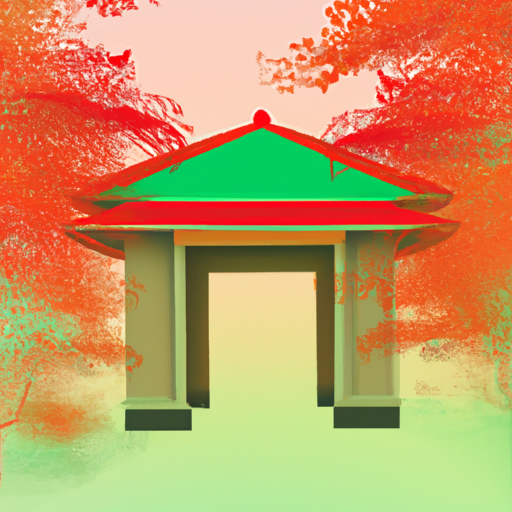
The visual style Hke is characterized by glitchy, futuristic aesthetics inspired by cyberpunk culture. Popularized in the early 2010s by artists like Hke (Dysnomia) and Renick Bell, Hke became famous for its surreal, distorted imagery and experimental use of digital manipulation.
View StyleExplore Style
Industrial Rock is a visually intense and gritty style that emerged in the late 1980s and gained popularity in the early 1990s. It is characterized by a fusion of heavy rock and industrial music, incorporating aggressive and distorted guitar riffs, synthesizers, and electronic elements. The style is known for its dark and raw aesthetics, combining elements of industrial machinery, urban decay, and post-apocalyptic imagery. Famous for its rebellious and anti-establishment themes, Industrial Rock became an important movement in the alternative music scene, with bands like Nine Inch Nails, Ministry, and Marilyn Manson achieving significant success.
View StyleExplore Style
Jenny Saville is known for her large-scale paintings of distorted female figures, exploring the body beyond traditional standards of beauty. Emerging in the 1990s, Saville's work challenged societal norms and perceptions of the female form.
View StyleExplore Style
Jon Satrom's visual style is characterized by glitch art, utilizing tech-based tools and processes to create distorted and noisy imagery. His work gained popularity in the early 2000s for its subversion of traditional digital aesthetics.
View StyleExplore Style
Krush is a visually dynamic style that gained popularity in the late 1990s and early 2000s. It is characterized by a combination of distorted, pixelated, and glitchy elements, giving it a futuristic and cyberpunk aesthetic. The style often features vibrant and saturated colors, as well as bold geometric shapes. Krush became famous for its depiction of technology and the digital world, reflecting the evolving relationship between humans and machines.
View StyleExplore Style
LSD art is a psychedelic style characterized by vibrant colors, abstract and swirling patterns, and a sense of distortion and otherworldliness. Popularized in the 1960s during the counterculture movement, LSD art is often associated with the visual effects of psychedelic drugs.
View StyleExplore Style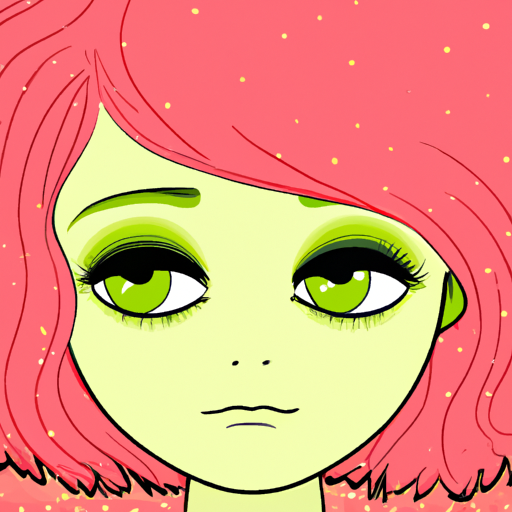
Lucy is a visual style that became popular in the mid-1960s. It is characterized by vibrant and psychedelic colors, kaleidoscopic patterns, and a visually distorted and trippy aesthetic. This style was heavily influenced by the counterculture movements of the time, such as the hippie and psychedelic movements, and it was often associated with the Summer of Love in 1967. Lucy's fame can be attributed to its unique and mind-altering visuals that reflected the spirit of the era.
View StyleExplore Style
Max Beckmann was a German painter and printmaker known for his expressionistic and symbolic style. His work was highly influential in the early 20th century and he is considered one of the most important German painters of the time. Beckmann's style is characterized by its dramatic compositions, bold use of color, and distorted figures, often depicting scenes of urban life and the human condition. His work became famous for its raw emotional power, capturing the transformation and angst of the era, particularly during the tumultuous years of World War I and the interwar period.
View StyleExplore Style
The visual style of Nine Inch Nails is known for its dark, industrial, and experimental aesthetic. It gained popularity in the late 1980s and early 1990s, coinciding with the rise of industrial rock music. Nine Inch Nails, led by Trent Reznor, became famous for their intense, angst-ridden lyrics and aggressive sound, which was reflected in their visual style. The style often incorporates gritty textures, distorted imagery, and a raw, gritty atmosphere. It combines elements of grunge, cyberpunk, and gothic styles, creating a visual representation of the band's dark and nihilistic themes.
View StyleExplore Style
Pontormo was an Italian Mannerist painter of the 16th century known for his expressive use of color, distorted figures, and elongated forms. His works are characterized by a sense of unease and emotional intensity.
View StyleExplore Style
Robert Wiene was a German film director known for his expressionist style, notably in the film 'The Cabinet of Dr. Caligari' (1920). He used distorted sets, lighting, and exaggerated performances to create dramatic and surreal visuals.
View StyleExplore Style
Skinny Puppy is a Canadian electro-industrial band known for their dark, dystopian aesthetic and complex visual imagery. Formed in the early 1980s, their use of distorted, grimy visuals and symbolic iconography made them famous in the industrial music scene.
View StyleExplore Style
Thaiboy Digital is a style characterized by futuristic, cyberpunk-inspired visuals, often featuring bright neon colors, distorted images, and glitch effects. Popularized in the 2010s by Swedish rapper and designer Thaiboy Digital.
View StyleExplore Style
A pioneering German Expressionist film from 1920, characterized by distorted sets, sharp angles, and stark lighting to create a nightmarish world.
View StyleExplore Style
Wes Wilson is a pioneering figure in the field of psychedelic poster art. His style emerged in the 1960s and became synonymous with the counterculture movement during that time. Wilson's posters are characterized by their vibrant colors, distorted lettering, and intricate patterns. He revolutionized poster design by incorporating psychedelic and surreal elements, such as melting letters and fluid shapes. Wes Wilson's work became famous for its ability to visually represent the psychedelic experience and capture the spirit of the era.
View StyleExplore Style
Yz Kamohara is a Japanese visual artist known for his vibrant and surreal illustrations that often feature exaggerated and distorted figures. His work gained popularity in the late 2000s for its unique blend of traditional Japanese art styles with a modern, urban twist.
View StyleExplore Style