StylopediaStylopedia

Distinctive styles on Stylopedia

A visual encyclopedia of distinctive styles – use as prompt inspiration for Midjourney, Gemini, or ChatGPT AI when making distinctive images

Example of visual style of Anime Style

Anime Style

Anime style is a distinctive art form that originated in Japan in the 20th century. It gained popularity in the mid-1960s and continues to be widely recognized today. This style is characterized by its colorful and vibrant visuals, exaggerated features, expressive facial expressions, and often intricate backgrounds. Anime became famous for its ability to captivate audiences with imaginative storytelling and compelling characters, often crossing genres to explore a wide range of themes, from fantasy and science fiction to romance and drama.

View StyleExplore Style
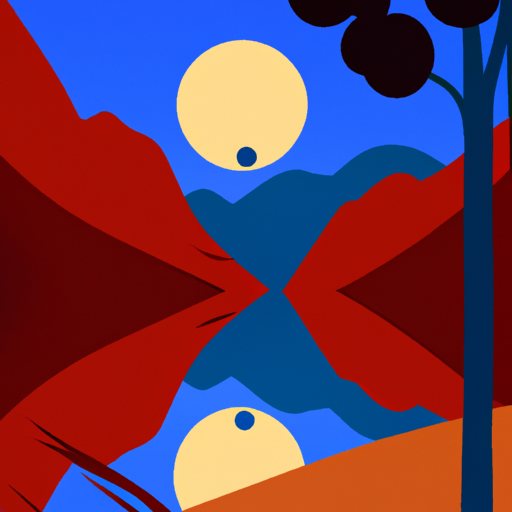
Example of visual style of Eyvind Earle

Eyvind Earle

Eyvind Earle is known for his distinctive and enchanting landscapes. His visual style, prominent in the mid-20th century, gained fame through his work in animation, especially as the background artist for Disney's Sleeping Beauty (1959). Earle's style is characterized by bold and vibrant colors, intricate patterns, and a meticulous attention to detail. His landscapes often feature stylized trees, rolling hills, and dramatic skies, creating a sense of depth and magical atmosphere.

View StyleExplore Style
Example of visual style of Fleischer Studios

Fleischer Studios

Fleischer Studios was a pioneering animation studio known for its unique visual style in the 1920s-1940s. They were famous for their distinctive rubber hose animation technique and their ability to blend live-action footage with animation. Fleischer Studios was responsible for creating iconic characters such as Betty Boop and Popeye the Sailor, along with producing the first feature-length animated film, Snow White (not to be confused with Disney's later adaptation).

View StyleExplore Style
Example of visual style of George Romero

George Romero

George Romero, a prominent filmmaker in the horror genre, was known for his distinctive visual style, especially in his later films. His style emerged in the late 1960s and continued throughout the 1970s and 1980s, making him one of the most influential directors in the genre. Romero's visual style was characterized by his innovative use of lighting, shadows, and framing techniques to create a sense of dread and horror. He often employed low-budget techniques, such as handheld cameras and practical effects, to create a visceral and gritty aesthetic. Romero's films were famous for their social commentaries on consumerism, racism, and other contemporary issues.

View StyleExplore Style
Example of visual style of Phil Knight

Phil Knight

Phil Knight is not a specific visual style, but rather the name of the co-founder and former CEO of Nike. Phil Knight revolutionized the athletic footwear industry in the late 1960s by introducing innovative designs and marketing strategies. He played a crucial role in establishing Nike as one of the most influential and iconic brands in the world. His leadership and business acumen propelled Nike to become a symbol of athletic performance and style. Phil Knight's impact on the visual style of Nike can be seen in their bold and distinctive branding, incorporating elements like the iconic Nike Swoosh and powerful typography.

View StyleExplore Style
Example of visual style of Powerpuff Girls Style

Powerpuff Girls Style

Powerpuff Girls Style is a distinctive and vibrant visual style that originated from the animated television series 'The Powerpuff Girls' which aired from 1998 to 2005. This style gained fame for its unique combination of bold colors, simple geometric shapes, and minimalistic yet expressive character designs. The show's creator, Craig McCracken, introduced a fresh and modern aesthetic that appealed to both children and adults, garnering a passionate fanbase. Powerpuff Girls Style is characterized by its energetic and dynamic compositions, often featuring exaggerated facial expressions and action-packed scenes.

View StyleExplore Style
Example of visual style of Shinichiro Watanabe

Shinichiro Watanabe

Shinichiro Watanabe is a renowned Japanese anime director known for his distinctive visual style. His works gained fame in the late 1990s to early 2000s and continue to be popular today. Watanabe became famous for his ability to blend multiple genres seamlessly, creating unique and engaging narratives that appeal to a wide audience. His animation style often combines traditional hand-drawn techniques with elements of computer-generated animation, giving his works a dynamic and visually stunning quality. Watanabe's use of vibrant colors, fluid movements, and attention to detail contribute to the captivating visual experience his works provide.

View StyleExplore Style
Example of visual style of The Legend of Zelda: The Wind Waker

The Legend of Zelda: The Wind Waker

The Legend of Zelda: The Wind Waker is a visually unique video game style that was released in 2002 for the Nintendo GameCube. This style gained fame for its distinctive cel-shaded art design, which gave the game a vibrant and cartoon-like appearance. The visuals are characterized by thick black outlines, bright colors, exaggerated movements, and expressive facial expressions. The use of cel-shading technique added a sense of whimsy and charm to the game, setting it apart from other realistic and gritty video game styles of that time.

View StyleExplore Style
Example of visual style of Williams Street

Williams Street

Williams Street is a visual style known for its edgy and unique animation, often combining various art styles with a gritty and surreal aesthetic. It originated in the early 2000s and gained popularity through its distinctive content on Adult Swim, a late-night programming block on Cartoon Network. This style became famous for pushing boundaries and experimenting with unconventional storytelling techniques, targeting mature audiences with its dark humor and satirical themes.

View StyleExplore Style
Home