StylopediaStylopedia

Digital styles on Stylopedia

A visual encyclopedia of digital styles – use as prompt inspiration for Midjourney, Gemini, or ChatGPT AI when making digital images

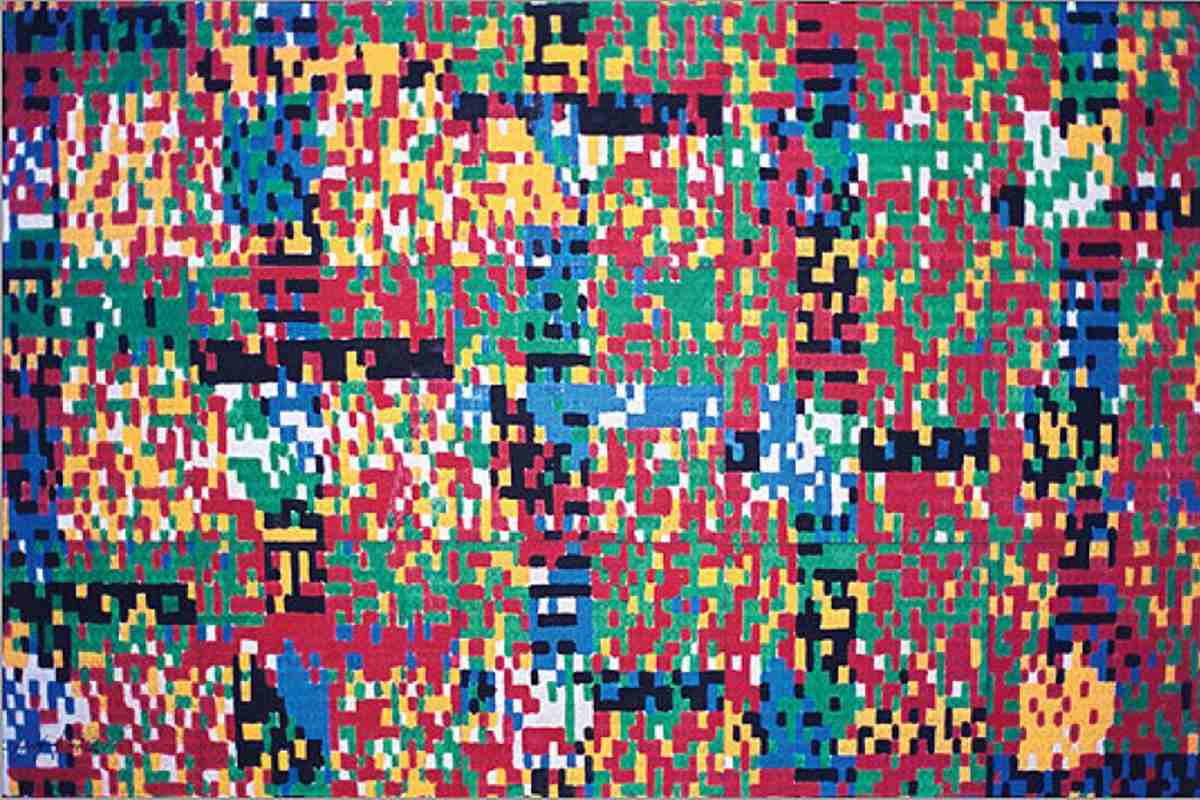
Example of visual style of Alex McDowell

Alex McDowell

The visual style of Alex McDowell is futuristic and immersive, blending architecture, technology, and storytelling in a seamless way. McDowell became famous for his groundbreaking work as a production designer in the late 1990s and early 2000s, bringing his unique visions to life in films like 'Fight Club' (1999), 'Minority Report' (2002), and 'The Terminal' (2004). His use of intricate set designs, innovative use of digital technologies, and meticulous attention to detail created visually stunning and fully realized worlds, transporting audiences into the future.

View StyleExplore Style
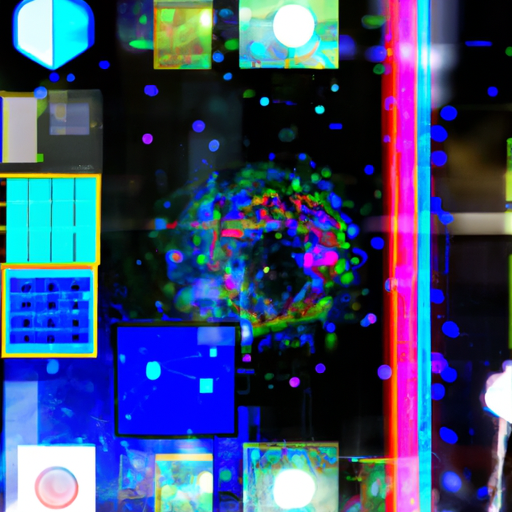
Example of visual style of Computer Art

Computer Art

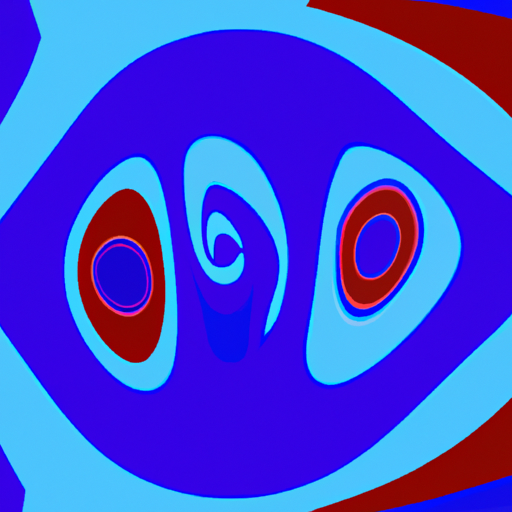
Computer Art is a visual style that emerged in the mid-20th century and is characterized by the use of digital technology as a primary medium for creating art. It gained popularity in the 1960s and 1970s with the advent of computer graphics. Computer Art became famous for its ability to produce intricate and precise images using mathematical algorithms and computer programming. This style revolutionized the art world by introducing a new dimension of creativity and exploring the relationship between art and technology.

View StyleExplore Style
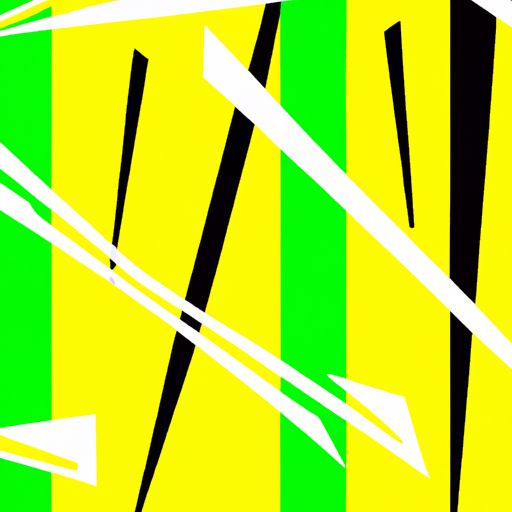
Example of visual style of Computer Generated Imagery (CGI)

Computer Generated Imagery (CGI)

Computer Generated Imagery (CGI) is a visual style that refers to the creation of digital images using computer software. It became famous in the 1990s when advancements in technology allowed for more realistic and seamless integration of CGI elements in films and other media. This style revolutionized the entertainment industry by enabling filmmakers to create visually stunning and immersive worlds that were previously impossible to achieve using traditional techniques.

View StyleExplore Style
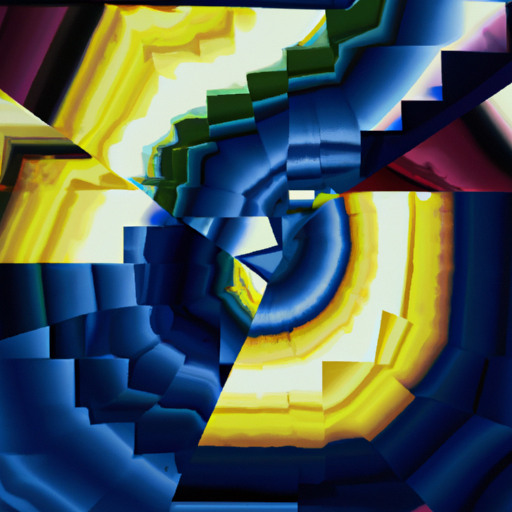
Example of visual style of Contemporary Digital Art

Contemporary Digital Art

Contemporary Digital Art is a style of art that emerged in the late 20th century and continues to thrive in the digital age. It is characterized by the use of digital technology, such as computers, software, and digital media, to create and manipulate visual art. This style gained prominence in the 1990s with the increasing accessibility of digital tools and the rise of the internet. It is famous for its innovative and boundary-pushing approach to art, often combining traditional artistic techniques with digital elements to create visually stunning and conceptually thought-provoking works.

View StyleExplore Style
Example of visual style of Digital Collage

Digital Collage

Digital Collage is a visual style that emerged in the late 20th century and gained prominence in the early 21st century. It is characterized by the creation of artworks using a combination of digital tools and techniques to assemble various visual elements from different sources. Digital Collage allows artists to layer and manipulate images, textures, text, and graphics to create visually striking compositions. This style became famous with the rise of digital technology and the accessibility of image editing software, which enabled artists to experiment and explore new possibilities in visual storytelling and expression.

View StyleExplore Style
Example of visual style of Digital Illustration

Digital Illustration

Digital Illustration is a style of creating artwork using digital tools and software. It gained popularity in the late 20th century with the advancement of computer technology and graphic design software. This style allowed artists to create illustrations with precise lines, vibrant colors, and intricate details. Digital Illustration is famous for its versatility and ability to blend traditional art techniques with digital elements. It has revolutionized the field of illustration by providing artists with new creative possibilities and faster production time.

View StyleExplore Style
Example of visual style of Digital Media

Digital Media

Digital Media is a visual style that emerged in the late 20th century and continues to develop in the 21st century. It is characterized by the use of digital technology and computer-generated imagery to create and manipulate visual content. This style became famous with the advent of personal computers and the internet, which allowed artists, designers, and creators to explore new possibilities in visual expression. It gained prominence in the 1990s and is now widely used in various fields, including graphic design, advertising, film, animation, and video games.

View StyleExplore Style
Example of visual style of Graphic Design In The 90s

Graphic Design In The 90s

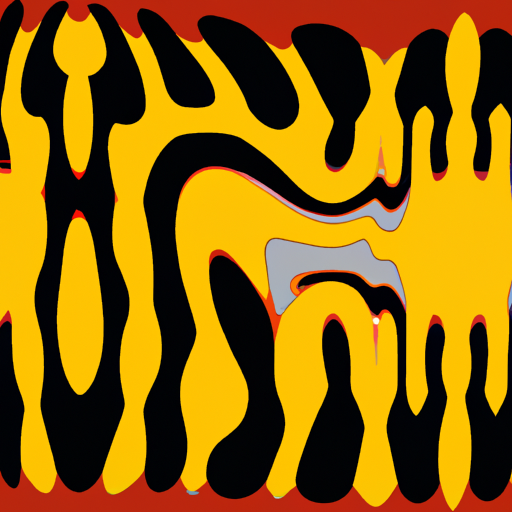
Graphic Design in the 90s was characterized by bold, vibrant, and eclectic designs. It was a period of graphic experimentation and the rebirth of digital design. The style emerged in the early 1990s and continued throughout the decade, renowned for its use of bold colors, geometric shapes, grunge textures, and a mix of typography styles. The rise of desktop publishing and software like Adobe Photoshop contributed to the popularity of this style. Designers often embraced a postmodern aesthetic with a focus on surrealism, collage, and deconstructed layouts. This style gained fame for its unique blend of digital and analog elements that reflected the fast-paced, technologically advanced nature of the era.

View StyleExplore Style
Example of visual style of Hypertext

Hypertext

Hypertext is a visual style that emerged in the 1980s and gained popularity in the following decades. It is characterized by the use of interconnected digital content, allowing users to navigate through various information sources by clicking on links. This style became famous with the development of the World Wide Web and the creation of the first web pages. It revolutionized the way information is presented and accessed, transforming the internet into a vast network of interconnected documents.

View StyleExplore Style
Example of visual style of Multimedia Art

Multimedia Art

Multimedia Art is a visual style that emerged in the late 20th century and continues to thrive today. It is characterized by the integration of multiple artistic mediums, such as painting, sculpture, photography, video, sound, and digital technology. Its origins can be traced back to the 1960s when artists started experimenting with combining different media to create immersive and interactive experiences. Multimedia Art gained popularity in the 1980s and 1990s with the advancement of computer technology and the internet. This allowed artists to explore new possibilities in creating dynamic and interactive artworks. The fusion of different mediums in Multimedia Art creates a rich sensory experience for the viewers and challenges traditional boundaries of art.

View StyleExplore Style
Example of visual style of Renowned Designer Es Devlin

Renowned Designer Es Devlin

Es Devlin is a multimedia artist and stage designer who has gained worldwide recognition for her innovative and immersive designs in the fields of theater, opera, and live events. Her career took off in the early 2000s when she started collaborating with renowned performing artists such as Kanye West, Beyoncé, and Adele. Devlin's style is characterized by its grandeur, technological sophistication, and ability to seamlessly merge digital and physical elements. By combining cutting-edge technology with a deep understanding of storytelling, she has created iconic stage sets that have captivated audiences across the globe.

View StyleExplore Style
Example of visual style of Robert Lang

Robert Lang

The Robert Lang visual style emerged in the late 20th century and gained popularity in the 21st century. This style is characterized by its clean, minimalistic, and geometric designs. It became famous for its use of bold colors, sharp lines, and simplistic shapes to convey meaning and emotion. Robert Lang's work often explores the interplay between light and shadow, creating dynamic and visually striking compositions. This style is known for its innovative use of technology, blending traditional art techniques with digital tools to create unique and compelling visuals.

View StyleExplore Style
Home