StylopediaStylopedia

Detailed line work styles on Stylopedia

A visual encyclopedia of detailed line work styles – use as prompt inspiration for Midjourney, Gemini, or ChatGPT AI when making detailed line work images

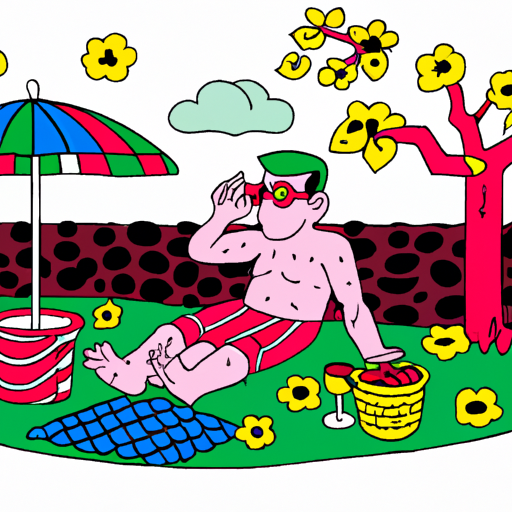
Example of visual style of Belgian Comic Art

Belgian Comic Art

Belgian Comic Art, also known as Franco-Belgian Comic Art, is a visual style that emerged in Belgium in the early 20th century. It gained popularity in the 1920s and 1930s with the publication of iconic comic series such as Tintin by Hergé and Spirou et Fantasio by Rob-Vel. This style became famous for its distinctive combination of detailed line work, vibrant colors, and whimsical storytelling. Belgian Comic Art is known for its strong emphasis on character development, intricate backgrounds, and dynamic action sequences.

View StyleExplore Style
Example of visual style of Harvey Kurtzman

Harvey Kurtzman

Harvey Kurtzman was an American cartoonist and editor, known for his unique and influential visual style. Active primarily during the 1940s to the 1960s, Kurtzman achieved fame for his work on the satirical comic book Mad and his publication of the influential humor magazine Help!. His visual style was characterized by detailed and expressive line work, exaggerated character expressions, and a strong emphasis on visual storytelling. Kurtzman's ability to seamlessly blend humor with social commentary and his innovative approach to sequential art made him one of the most important figures in the history of American comic art.

View StyleExplore Style
Example of visual style of Jean Louis Berthault

Jean Louis Berthault

Jean Louis Berthault is a visual style that emerged in the late 18th century and was highly influential during the French Neoclassical period. Known for his intricate and detailed line work, Berthault was a prominent French designer and engraver who became famous for his architectural prints. His works featured accurate depictions of buildings and landscapes, capturing the grandeur and elegance of the Neoclassical style. Berthault's meticulous attention to detail and his ability to convey the true essence of classical architecture made him one of the most celebrated artists of his time.

View StyleExplore Style
Example of visual style of Tawaraya Tatsu

Tawaraya Tatsu

Tawaraya Tatsu is a Japanese visual style that originated in the Edo period during the late 17th century. Known for its vibrant and intricate designs, this style became famous for its depictions of fantastical creatures, landscapes, and nature. The signature feature of Tawaraya Tatsu is the combination of bold colors, detailed line work, and a sense of movement in the illustrations. This style gained recognition for its contribution to Ukiyo-e, a genre of woodblock prints and paintings. Tawaraya Tatsu's popularity peaked in the late 18th and early 19th century, and it continues to inspire contemporary artists today.

View StyleExplore Style
Home