StylopediaStylopedia

Detail-oriented styles on Stylopedia

A visual encyclopedia of detail-oriented styles – use as prompt inspiration for Midjourney, Gemini, or ChatGPT AI when making detail-oriented images

Example of visual style of Chuck Close

Chuck Close

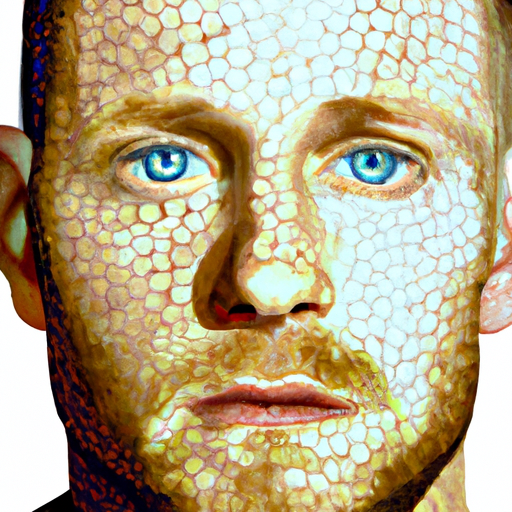
Chuck Close is an American painter known for his photorealistic portraits. His style emerged in the late 1960s and gained significant recognition in the 1970s. Close became famous for his large-scale portraits, which are composed of grids of small cells. Each cell, often a square, contains a small section of the overall image. His meticulous rendering and attention to detail create highly detailed and lifelike depictions. Close's use of grid-based abstraction, combined with his innovative techniques, revolutionized the concept of portraiture.

View StyleExplore Style

Example of visual style of Hidemaro Fujibayashi

Hidemaro Fujibayashi

Hidemaro Fujibayashi is a visual style developed by Japanese video game director Hidemaro Fujibayashi. This style emerged in the late 2000s and became particularly famous through the critically acclaimed video game 'The Legend of Zelda: Breath of the Wild'. Fujibayashi's visual style blends rich and vibrant open-world environments with a sense of serenity and tranquility. The attention to detail, dynamic lighting, and unique art direction create a visually stunning experience for players, immersing them in a vast and breathtaking world.

View StyleExplore Style

Example of visual style of Irving Penn

Irving Penn

Irving Penn was an American photographer known for his minimalist and elegant style. He rose to prominence in the mid-20th century, particularly in the 1950s, through his work for Vogue magazine. Penn's style was characterized by his exceptional attention to detail and his ability to capture the essence of his subjects. He used simple backgrounds and experimented with lighting techniques, creating striking images that emphasized form, texture, and composition. His iconic photographs, such as his portraits of cultural figures and his fashion spreads, became famous for their timeless and artistic quality.

View StyleExplore Style

Example of visual style of Japanese Artists

Japanese Artists

Japanese Artists is a visual style that emerged from the art and culture of Japan. It encompasses a wide range of artistic traditions and techniques that have evolved over centuries. The style became famous internationally during the late 19th and early 20th centuries, during a period known as the Japonism movement. Japanese Artists are renowned for their exquisite attention to detail, vibrant colors, and symbolic imagery. Important years for this style include the Edo period (1603-1868) and the Meiji period (1868-1912). The influence of Japanese Artists can be seen in various art forms such as ukiyo-e prints, traditional paintings, anime, manga, and contemporary art.

View StyleExplore Style
Example of visual style of John Romero

John Romero

The visual style of John Romero is known for its bold and vibrant colors, detailed and intricate pixel art, and a fusion of futuristic and gothic elements. This style emerged in the late 1980s and gained prominence during the 1990s as Romero became a prominent game designer in the video game industry. Romero's unique art direction and design in games such as Doom and Quake revolutionized the first-person shooter genre and left a lasting impact on the gaming community.

View StyleExplore Style
Example of visual style of Makoto Shinkai

Makoto Shinkai

Makoto Shinkai is a Japanese anime filmmaker known for his distinct visual style that combines breathtakingly detailed and realistic backgrounds with emotional storytelling. He gained fame with his 2002 anime short film 'Voices of a Distant Star', which he independently created using his personal computer. Shinkai's works often revolve around themes of love, distance, and the beauty of everyday life. His use of vibrant colors, intricate landscapes, and atmospheric lighting creates a dreamlike and ethereal atmosphere in his films.

View StyleExplore Style
Example of visual style of Michelangelo Antonioni

Michelangelo Antonioni

Michelangelo Antonioni was an Italian film director known for his distinctive visual style. His style is characterized by long, static shots, careful composition, and meticulous attention to detail. Antonioni's films often explored themes of alienation, isolation, and the disconnection between individuals in modern society. He gained fame in the 1960s with films such as L'Avventura (1960), La Notte (1961), and L'Eclisse (1962), which challenged traditional narrative structures and emphasized mood and atmosphere over plot. Antonioni's style became iconic for its use of wide-angle lenses, color symbolism, and architectural framing. His films are known for their exquisite cinematography and their ability to capture emotional and existential complexity.

View StyleExplore Style
Example of visual style of Nivanh Chanthara

Nivanh Chanthara

Nivanh Chanthara is a digital artist known for his captivating and immersive cinematic artworks. His style is characterized by its futuristic and dystopian atmosphere, showcasing vast cityscapes, highly detailed machinery, and striking characters. Chanthara's work gained recognition in the late 2000s for its stunning attention to detail, use of vibrant colors, and strong storytelling elements. His unique style has made him a prominent figure in the digital art community, inspiring many aspiring artists to explore this genre.

View StyleExplore Style
Example of visual style of Paintings Of Apelles

Paintings Of Apelles

Paintings of Apelles was a visual style that emerged during the 4th century BC in ancient Greece. It is named after Apelles, a renowned Greek painter who was the court artist of Alexander the Great. This style is characterized by its meticulous attention to detail, realistic representation of human figures, and the use of vibrant colors. The paintings of Apelles were highly regarded for their lifelike portrayal of subjects and their ability to capture emotions. Apelles' skill and fame as an artist made this style influential and widely recognized in the ancient world.

View StyleExplore Style
Example of visual style of Robert Mccall

Robert Mccall

Robert Mccall is known for his realistic and imaginative space art. His style emerged in the 1960s and became famous for capturing the beauty and grandeur of outer space. With a focus on accurately representing the scientific aspects of space travel and exploration, Mccall's art has been featured in NASA publications and has become iconic in the field of aerospace. His intricate attention to detail and ability to blend realism with a sense of wonder have made his work highly sought after.

View StyleExplore Style

Example of visual style of Thomas Eakins

Thomas Eakins

Thomas Eakins was an American realist painter known for his meticulous attention to detail and his ability to capture the human form in a realistic and intimate manner. He was active in the late 19th century and his paintings often depicted everyday life, particularly in the city of Philadelphia. Eakins became famous for his portraits, which were characterized by their psychological depth and the sense of realism he achieved through his use of light and shadow. His work challenged traditional conventions and his dedication to accuracy and authenticity made him one of the most influential American artists of his time.

View StyleExplore Style

Example of visual style of Traditional Realism

Traditional Realism

Traditional Realism is an art style that emerged in the late 19th century and gained prominence in the early 20th century. It is characterized by its meticulous attention to detail, precise representation of subjects, and adherence to traditional artistic techniques. Traditional Realism reached its peak of popularity between the 1940s and 1950s. This style gained fame for its ability to create lifelike and highly detailed artworks, often depicting scenes from everyday life, portraits, or landscapes.

View StyleExplore Style
Example of visual style of Vik Muniz

Vik Muniz

Vik Muniz is a Brazilian artist known for his unique approach to photography and sculpture. Born in 1961, Muniz gained recognition in the 1990s for his innovative use of unconventional materials such as sugar, chocolate, and garbage to create his artworks. He meticulously recreates famous masterpieces and iconic images by arranging and photographing these materials, resulting in highly detailed and visually stunning compositions. Muniz's ability to transform ordinary materials into extraordinary works of art has made him famous in the art world.

View StyleExplore Style
Home