StylopediaStylopedia

Delicate lines styles on Stylopedia

A visual encyclopedia of delicate lines styles – use as prompt inspiration for Midjourney, Gemini, or ChatGPT AI when making delicate lines images

Example of visual style of Georges Jacob

Georges Jacob

Georges Jacob was a French furniture maker who worked during the late 18th and early 19th centuries. He is famous for his elegant and refined furniture designs, which were characterized by delicate lines, intricate details, and lavish ornamentation. Jacob's style reached its peak during the reign of Louis XVI and continued to thrive during the Napoleonic era. His furniture pieces were often made of mahogany, walnut, or oak and were known for their exceptional craftsmanship and luxurious finishes.

View StyleExplore Style
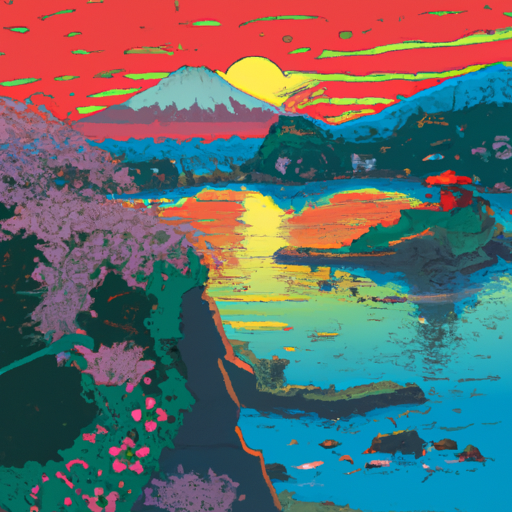
Example of visual style of Hiroshige

Hiroshige

Hiroshige is a Japanese ukiyo-e artist who became famous for his landscape prints during the Edo period (1603-1868). He is best known for his series 'Fifty-three Stations of the Tōkaidō' and 'One Hundred Famous Views of Edo'. Hiroshige's visual style captures the beauty of nature, seasons, and atmospheric conditions with his use of vibrant colors, delicate lines, and meticulous details. His prints often depict scenes of famous landmarks, serene landscapes, and everyday life. Through his unique compositions and skillful use of perspective, Hiroshige's works have had a profound influence on both Japanese and Western art.

View StyleExplore Style
Example of visual style of Hokusai

Hokusai

Hokusai is a Japanese visual style that emerged during the Edo period in the early 19th century. It is primarily known for the woodblock prints created by the artist Katsushika Hokusai. With its vivid colors, intricate details, and delicate lines, Hokusai's work portrayed landscapes, nature, and everyday life scenes. One of his most famous works is 'The Great Wave off Kanagawa' from the series 'Thirty-Six Views of Mount Fuji'. This style gained international recognition, influencing both Western and Japanese art.

View StyleExplore Style
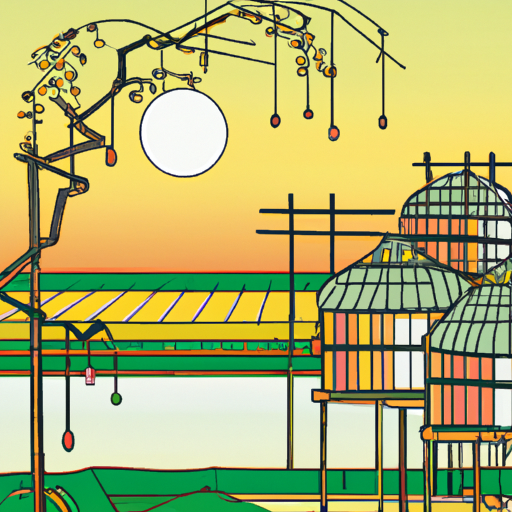
Example of visual style of Kawase Hasui

Kawase Hasui

Kawase Hasui was a prominent Japanese printmaker in the 20th century, best known for his woodblock prints. His style emerged during the early 1900s and gained popularity throughout the 1920s and 1930s. Hasui's work often depicted serene landscapes and cityscapes, capturing the beauty of Japanese scenery and everyday life. He often used vibrant colors, delicate lines, and meticulous details to create a sense of tranquility and harmony. His prints were widely recognized for their masterful composition and skilled craftsmanship, which made him famous both in Japan and internationally.

View StyleExplore Style
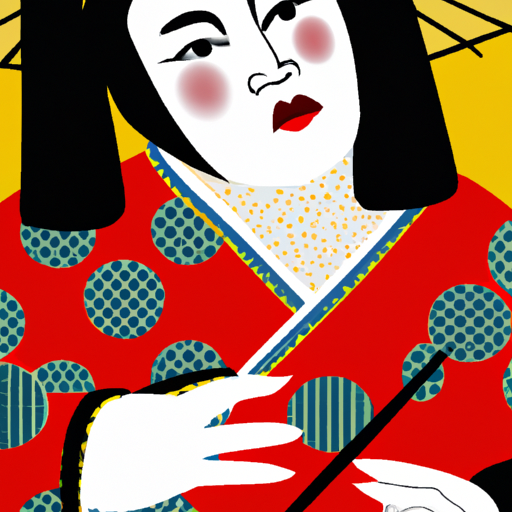
Example of visual style of Kitagawa Utamaro

Kitagawa Utamaro

Kitagawa Utamaro was a Japanese ukiyo-e woodblock print artist who was active during the late 18th century. He is known for his exquisite portrayal of beautiful women, especially geishas and courtesans. Utamaro's prints became famous for their delicate lines, intricate patterns, and vibrant colors, which captured the grace, charm, and eroticism of the subjects. He rose to prominence during the Edo period and his distinct style marked a shift towards more intimate and sensual portraits of women.

View StyleExplore Style
Example of visual style of Suzuki Harunobu

Suzuki Harunobu

Suzuki Harunobu was a Japanese artist known for his woodblock prints. Active during the Edo period (1760s-1770s), his work is considered a major contribution to the development of ukiyo-e, a genre of woodblock prints popular during this time. Harunobu's prints often depicted beautiful women in elegant settings, capturing the aesthetics of the flourishing urban culture in Japan. His innovative use of color and delicate lines set him apart from his contemporaries, and his prints quickly gained popularity for their refined beauty and intricate details.

View StyleExplore Style
Example of visual style of Utamaro Kitagawa

Utamaro Kitagawa

Utamaro Kitagawa was a Japanese ukiyo-e artist who rose to prominence during the late 18th century. His visual style is characterized by intricate details, delicate lines, and a focus on portraying the beauty of women. Utamaro's fame is attributed to his skill in capturing the essence and grace of his subjects, particularly courtesans and geisha. His works, created mainly between 1775 and 1806, became widely popular and influential in the world of ukiyo-e prints.

View StyleExplore Style
Home