StylopediaStylopedia

Delicate brushwork styles on Stylopedia

A visual encyclopedia of delicate brushwork styles – use as prompt inspiration for Midjourney, Gemini, or ChatGPT AI when making delicate brushwork images

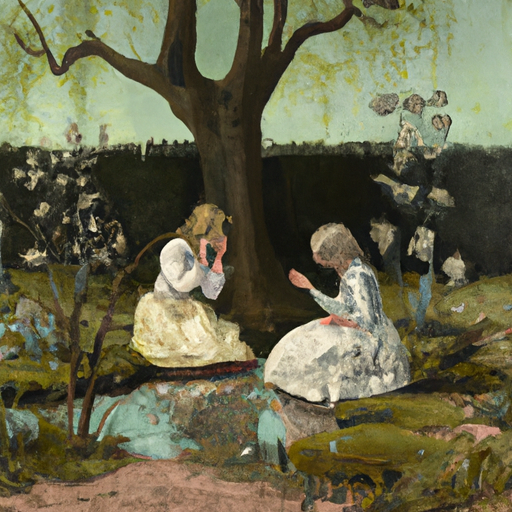
Example of visual style of Elisabeth Vigee Le Brun

Elisabeth Vigee Le Brun

Elisabeth Vigee Le Brun was a prominent painter during the late 18th and early 19th centuries. Her style is characterized by delicate brushwork, soft colors, and a focus on capturing the personalities and emotions of her subjects. She is famous for her portraits of French royalty and aristocrats, which helped establish her as the official portraitist of Marie Antoinette. Vigee Le Brun's style became popular for its feminine sensitivity and intimate portrayal of individuals.

View StyleExplore Style
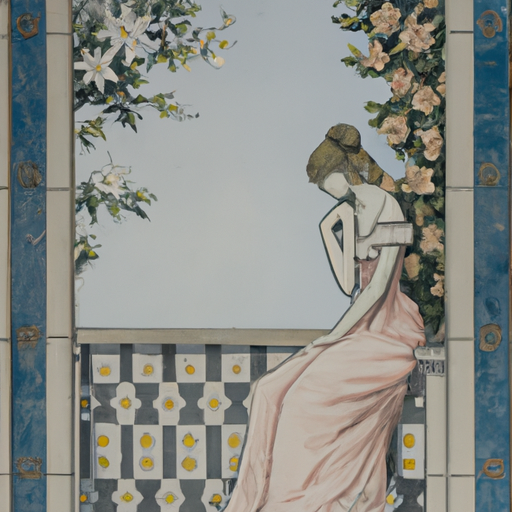
Example of visual style of Hishida Shunso

Hishida Shunso

Hishida Shunso was a Japanese painter known for his unique and innovative approach to traditional Japanese painting. Active during the late 19th and early 20th century, Hishida Shunso's style was marked by its delicate and intricate brushwork, as well as his use of vivid colors and a sense of realism. He is famous for his landscapes, especially his depictions of cherry blossoms and natural scenes of Japan. His work gained recognition and popularity during the Taisho period (1912-1926). Hishida Shunso's ability to capture the essence of a subject and convey emotions through his brushstrokes made him one of the most influential artists of his time and an important figure in Japanese art history.

View StyleExplore Style
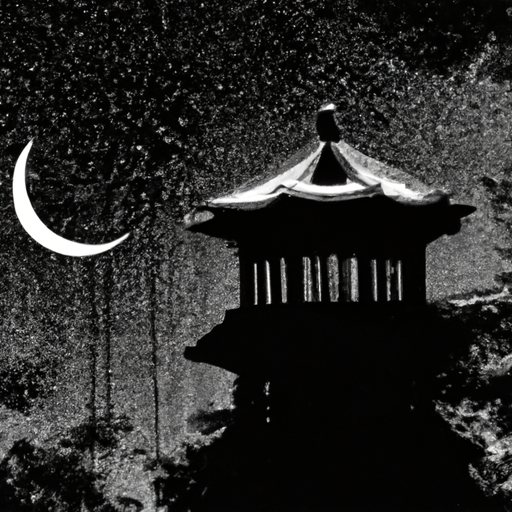
Example of visual style of Japanese Traditional Art

Japanese Traditional Art

Japanese Traditional Art encompasses a vast range of visual styles developed and practiced in Japan over centuries. Renowned for its intricacy, attention to detail, and unique aesthetics, this art style emerged in Japan during the Asuka and Nara periods (6th to 8th centuries) and remains influential to this day. It gained worldwide recognition during the Edo period (17th to 19th centuries) when Japanese woodblock prints, known as ukiyo-e, became popular. Japanese Traditional Art is characterized by its use of natural materials, delicate brushwork, subtle colors, and deep cultural symbolism.

View StyleExplore Style
Example of visual style of Kangra Painting

Kangra Painting

Kangra Painting is a style of miniature painting that emerged in the Kangra region of Himachal Pradesh, India during the late 18th and early 19th centuries. This style reached its zenith between 1780 and 1840, under the patronage of the Kangra rulers and the Pahari nobility. It is famous for its exquisite depiction of Radha-Krishna love legends and lyrical portrayals of Hindu deities. The delicate brushwork, vibrant colors, emphasis on natural landscapes, and portrayal of emotions are the hallmarks of Kangra Painting.

View StyleExplore Style
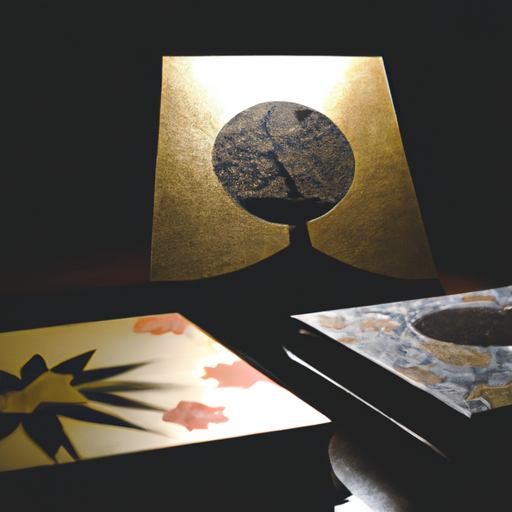
Example of visual style of Lady Murasaki Shikibu

Lady Murasaki Shikibu

Lady Murasaki Shikibu is known for her exquisite calligraphy and intricate hand-painted illustrations. This visual style emerged during the Heian period in Japan, particularly between the years 1008 and 1010, when Lady Murasaki Shikibu wrote 'The Tale of Genji'. The art in this style is characterized by delicate brushwork, rich color palettes, and meticulous attention to detail. Lady Murasaki Shikibu's illustrations elevated the art of storytelling, and her work continues to be celebrated for its beauty and elegance.

View StyleExplore Style
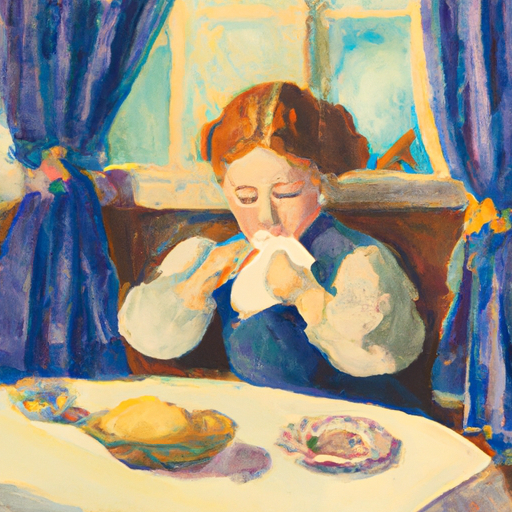
Example of visual style of Mary Cassatt

Mary Cassatt

Mary Cassatt was an American painter and printmaker known for her depiction of the intimate lives of women, particularly mothers and children. She was active during the late 19th and early 20th centuries and is famous for her association with the Impressionist movement. Cassatt's style is characterized by its soft, pastel colors, delicate brushwork, and emphasis on the everyday lives of women and children. She often focused on capturing the tender moments and relationships between mothers and their children. Cassatt's work gained recognition for its sensitive portrayal of maternal bonds and her ability to depict the human figure with great skill and emotion.

View StyleExplore Style
Example of visual style of Tawaraya Statu

Tawaraya Statu

Tawaraya Statu is a traditional Japanese painting style that emerged during the Heian period (794-1185). It is famous for its intricate and detailed representation of court nobles and aristocrats. The style became popular in the 11th century and was associated with the Tawaraya family, a renowned group of court painters. Tawaraya Statu is characterized by its delicate brushwork, vibrant colors, and exquisite attention to detail, capturing the elegance and grace of the aristocracy. The style flourished during the peak of Heian culture, reflecting the refined aesthetics and social hierarchy of the time.

View StyleExplore Style
Example of visual style of William Adolphe Bouguereau

William Adolphe Bouguereau

William Adolphe Bouguereau was a French academic painter known for his realistic and idealized portrayals of women and mythological subjects. He gained popularity during the late 19th and early 20th centuries for his meticulous attention to detail, use of delicate brushwork, and emphasis on traditional academic techniques. Bouguereau's works were celebrated for their technical proficiency and sentimental subject matter, often depicting classical themes with a focus on beauty and sensuality. He achieved great fame and success in his lifetime and became one of the leading figures of the academic art movement.

View StyleExplore Style
Home