
Giuseppe Piermarini
Giuseppe Piermarini was an Italian architect whose neoclassical style dominated Milan in the late 18th century. Known for grand, symmetrical designs with classical columns and decorative elements.
View StyleExplore Style Stylopedia
A visual encyclopedia of decorative elements styles – use as prompt inspiration for Midjourney, Gemini, or ChatGPT AI when making decorative elements images
Giuseppe Piermarini was an Italian architect whose neoclassical style dominated Milan in the late 18th century. Known for grand, symmetrical designs with classical columns and decorative elements.
View StyleExplore Style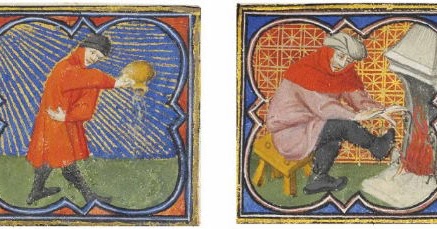
Jacquemart De Hesdin was a French painter known for his intricate and detailed illustrations in illuminated manuscripts during the late 14th century. His style featured rich colors, delicate figures, and elaborate decorative elements, making his work highly sought after by nobility and royalty.
View StyleExplore Style
Maximalism is a vibrant and eclectic visual style that emerged in the late 20th century, with its popularity peaking in the 1980s and 1990s. It is known for its bold, chaotic, and ornate aesthetics characterized by excessive use of colors, patterns, textures, and decorative elements. Maximalism rejects the minimalist approach and instead emphasizes abundance, eccentricity, and individuality. This style became famous for its rejection of restraint and its celebration of excess and complexity in design.
View StyleExplore Style
Renaissance Revival Architecture refers to a style that emerged in the 19th century, drawing inspiration from the architecture of the early Italian Renaissance. It became famous for its use of classical motifs and decorative elements such as columns, arches, and domes.
View StyleExplore Style
Venetian Renaissance style emerged in Venice during the 15th and 16th centuries, known for its rich colors, grandiosity, and emphasis on architecture and decorative elements in paintings. Artists like Titian and Tintoretto were prominent figures in this style.
View StyleExplore Style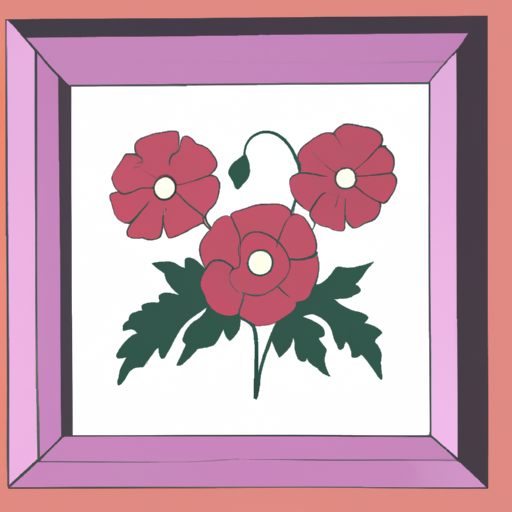
Victorian Illustrations refers to the visual style of illustrations produced during the Victorian era (1837-1901) in Britain. This style became famous for its intricate and detailed drawings, often depicting scenes from literature, children's books, and magazines. Victorian Illustrations were characterized by their fine lines, cross-hatching, and attention to realistic details. The use of elaborate borders and decorative elements was also common, adding to the ornate and intricate nature of the style.
View StyleExplore Style