StylopediaStylopedia

Decorative arts styles on Stylopedia

A visual encyclopedia of decorative arts styles – use as prompt inspiration for Midjourney, Gemini, or ChatGPT AI when making decorative arts images

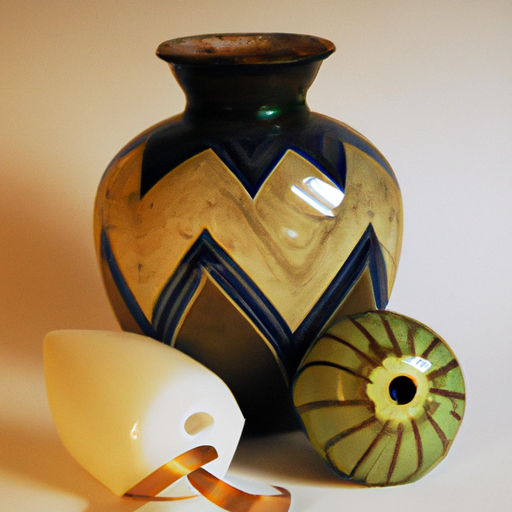
Example of visual style of Aesthetic Movement

Aesthetic Movement

The Aesthetic Movement was an art and design movement that emerged in the late 19th century, particularly in Britain and the United States, and reached its peak between 1868 and 1890. It was a reaction against the industrialization and mass production of the Victorian era, emphasizing the importance of beauty and art for art's sake. The movement aimed to create a visual style that focused on simplicity, harmony, and decorative arts. It became famous for its use of natural motifs, Japanese influence, and the integration of different art forms like painting, sculpture, and interior design.

View StyleExplore Style
Example of visual style of Arts And Crafts Movement

Arts And Crafts Movement

The Arts and Crafts Movement emerged in the late 19th century and became prominent between the 1880s and 1910s. It originated in England and was motivated by a desire to revive traditional craftsmanship in response to the industrial age. Led by influential figures like William Morris, it sought to reunite artistry and production, prioritizing quality craftsmanship, handmade objects, and simple forms. The movement celebrated the beauty of natural materials and emphasized the importance of handmade goods. The Arts and Crafts Movement was a response to mass production, promoting the idea of 'art for all' and influenced various design fields, including architecture, interior design, and decorative arts.

View StyleExplore Style
Example of visual style of Beaux Arts Style

Beaux Arts Style

Beaux Arts Style, also known as Academic Art or French Renaissance Revival, was a prominent architectural and decorative arts style from the late 19th century to the early 20th century. It flourished between the years 1885 to 1920 and gained popularity in France and the United States. This style is characterized by its grandeur, classical references, and ornate detailing. Beaux Arts buildings often featured symmetrical facades, elaborate ornamentation, and a combination of different architectural elements like columns, pediments, and domes. The use of noble materials, such as marble, stone, and bronze, added to the luxurious appeal of this style. The Beaux Arts Style became famous through prominent architectural landmarks such as the Paris Opéra, Grand Central Terminal in New York City, and the Fine Arts Palace in San Francisco.

View StyleExplore Style
Example of visual style of Eusebi Guell

Eusebi Guell

Eusebi Guell is a visual style that emerged in the late 19th century and early 20th century. It is named after the famous Spanish entrepreneur and patron of the arts, Eusebi Guell, who played a crucial role in promoting this style. Eusebi Guell style is characterized by its combination of traditional and modern elements, often incorporating ornate details, vibrant colors, and organic motifs. This style gained popularity during the Catalan Modernism movement and is famous for its integration of architecture, design, and decorative arts. Notable years for this style range from the late 1800s to the early 1900s, with its influence continuing to the present day.

View StyleExplore Style
Example of visual style of Korean Mythology

Korean Mythology

Korean Mythology is a visual style that draws inspiration from the ancient myths and folklore of Korea. It showcases the unique and vibrant aesthetic present in Korean culture, often incorporating elements such as nature, spirituality, and symbolism. This style became particularly famous during the Joseon Dynasty (1392-1897), when it was widely used in traditional paintings, architecture, and decorative arts. It gained popularity through the intricate depictions of mythical creatures, celestial beings, and epic tales, capturing the imagination of both locals and foreigners.

View StyleExplore Style
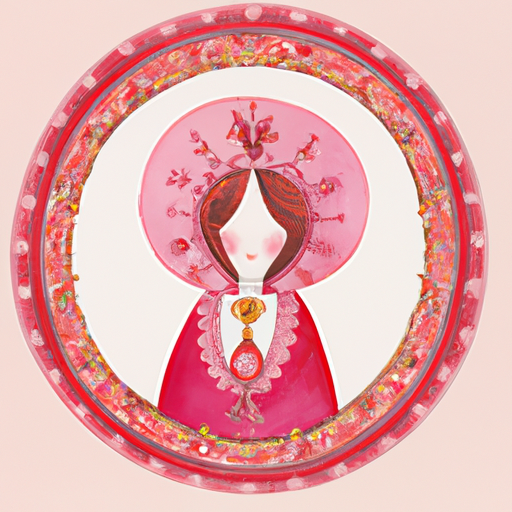
Example of visual style of Madame De Pompadour

Madame De Pompadour

Madame De Pompadour is a visual style that emerged during the 18th century in France, particularly during the reign of Louis XV. It is named after Jeanne-Antoinette Poisson, Marquise de Pompadour, who was the official chief mistress of Louis XV and a prominent patroness of the arts. This style is characterized by its lavishness, opulence, and rococo aesthetics. It is famous for its intricate ornamentation, delicate pastel colors, and asymmetrical designs. The style reached its peak in the mid-18th century and was widely used in interior design, fashion, and decorative arts.

View StyleExplore Style
Home