
Aestheticism
A decorative arts movement from the late 19th century that emphasized beauty and art for art's sake. Known for its use of rich colors, ornate patterns, and an emphasis on visual appeal over functionality.
View StyleExplore Style Stylopedia
A visual encyclopedia of decorative styles – use as prompt inspiration for Midjourney, Gemini, or ChatGPT AI when making decorative images
A decorative arts movement from the late 19th century that emphasized beauty and art for art's sake. Known for its use of rich colors, ornate patterns, and an emphasis on visual appeal over functionality.
View StyleExplore Style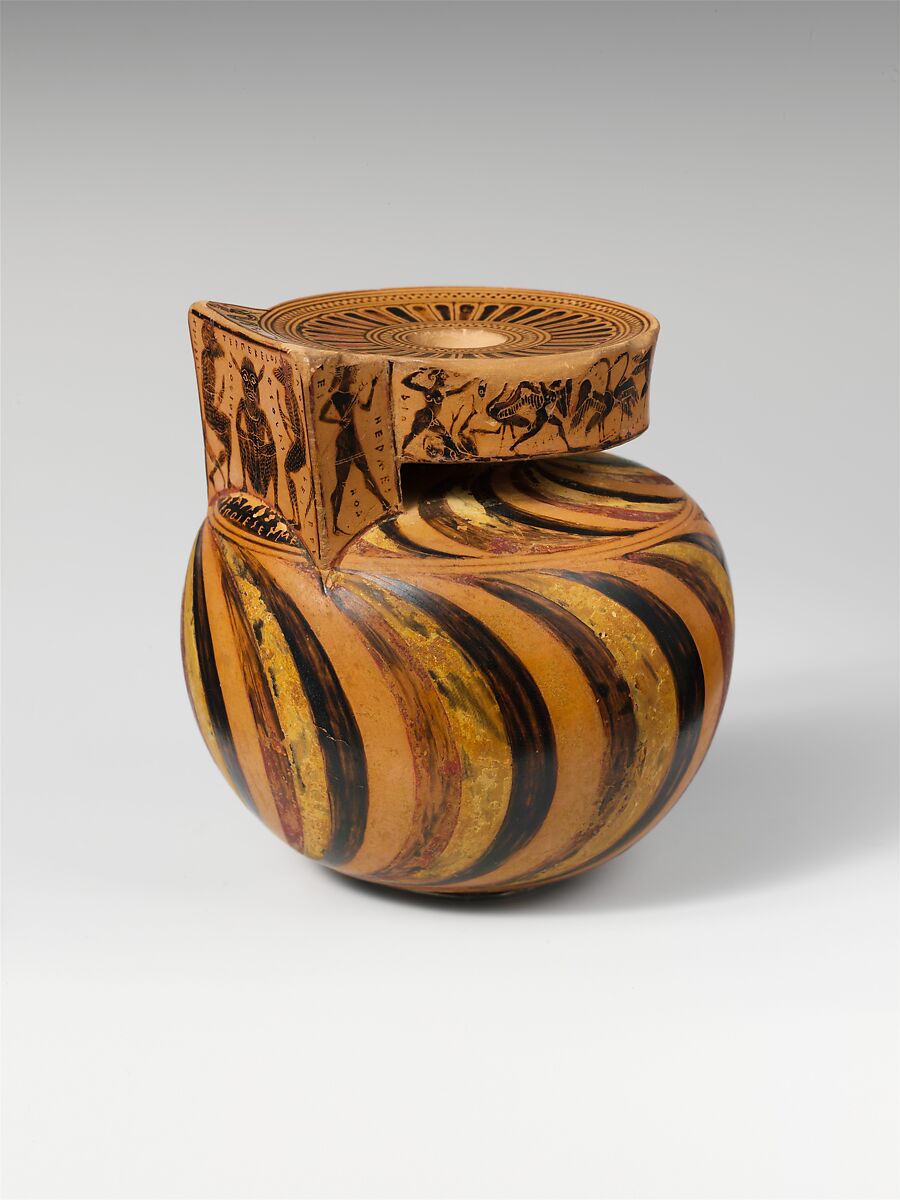
Ancient Greek vase painting was a prominent style from the 6th to 4th centuries BC, known for its black figure and red figure techniques and depictions of mythology, daily life, and historical events.
View StyleExplore Style
Animal Style Art is a decorative style originating in the ancient world, particularly seen in the Nordic, Celtic, and Persian cultures. It is characterized by intricate patterns and designs inspired by animals, often seen in metalwork, jewelry, and manuscripts.
View StyleExplore Style
Arabesque is a highly decorative and intricate visual style that emerged during the Islamic Golden Age in the 8th century and reached its peak in popularity during the Renaissance. It is characterized by the extensive use of flowing and interlacing patterns inspired by nature, such as plants, flowers, and geometric shapes. Arabesque became famous for its symmetrical designs, precise craftsmanship, and intricate details that were often seen in architecture, textiles, ceramics, and manuscripts.
View StyleExplore Style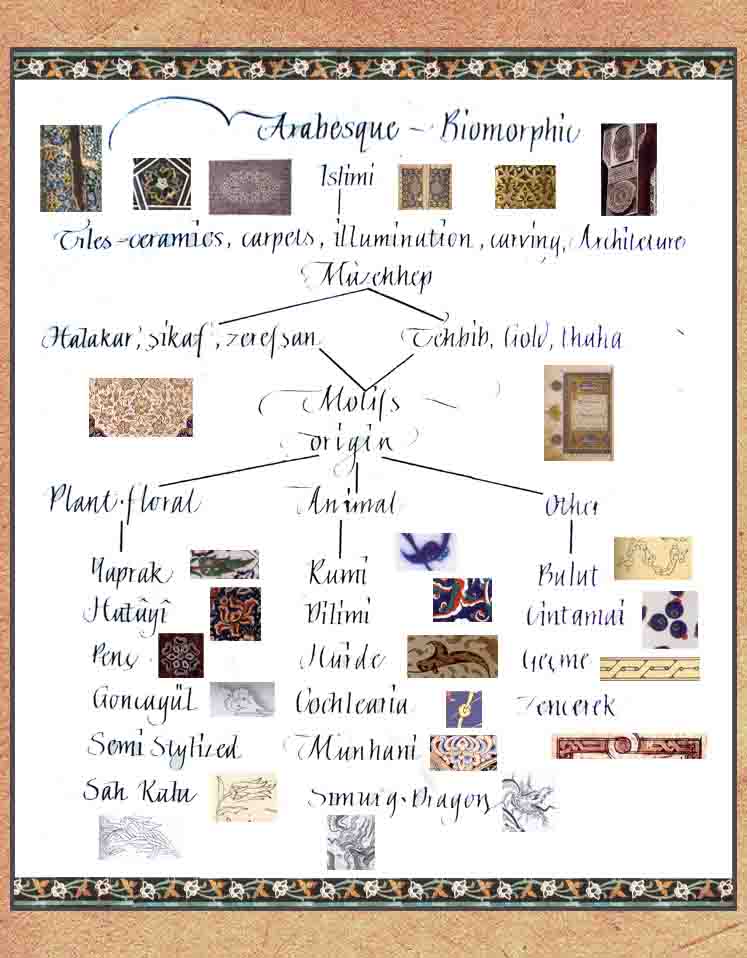
Arabesque Art is a highly decorative style characterized by intricate swirls, organic forms, and geometric patterns. Popularized in the Islamic world during the medieval period, it is known for its intricate detail and elaborate designs.
View StyleExplore Style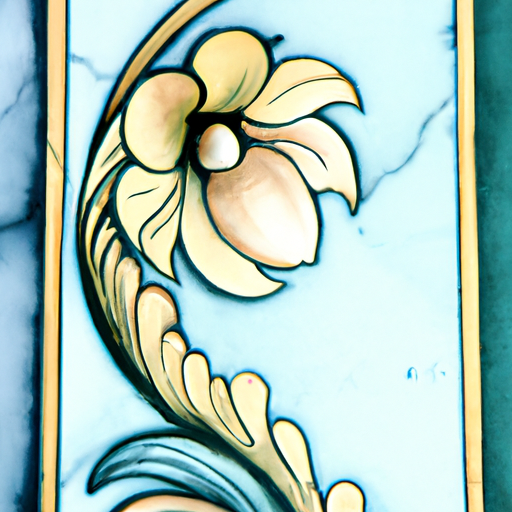
Art Nouveau, which emerged in the late 19th century and lasted until around 1910, is an artistic style characterized by its curvilinear forms and organic motifs inspired by nature. It is known for its ornate and highly decorative designs, embracing flowing lines, floral patterns, and intricate details. Art Nouveau gained popularity as a reaction against the academic art of the time and became famous for its innovative use of materials and techniques, including stained glass, ironwork, and decorative arts. This style reached its height of influence during the Belle Époque, particularly in Europe and the United States.
View StyleExplore Style
Austrian Art refers to the diverse visual arts produced in Austria from the late 19th century to the early 20th century, known for its emphasis on symbolism, decorative patterns, and emotional depth.
View StyleExplore Style
Baroque is a highly ornamental and dramatic style that emerged in Europe around the late 16th century and remained prominent until the early 18th century. It is known for its grandeur, opulence, and theatricality. Baroque style captivated audiences with its elaborate details, exaggerated gestures, and vibrant colors. It was characterized by the use of dynamic and sweeping curves, intricate ornamentation, and abundant decorative elements. This style became famous for its luxuriousness and the way it evoked strong emotions through its ornate compositions and intense lighting effects.
View StyleExplore Style
The Bishop Bernward style was a Romanesque art movement that flourished in the 11th century. It is characterized by intricate decorative motifs, use of geometric shapes, and detailed craftsmanship. This style gained fame for its influence on the design of churches and monasteries during this period.
View StyleExplore Style
Bookbinding is the art of binding together pages to create a cohesive book. This style has been practiced for centuries, with decorative techniques such as gold tooling and embossing making it famous.
View StyleExplore Style
Byzantine Mosaics were intricate decorative art pieces made of small colored glass or stone pieces, popular during the Byzantine Empire (330-1453 AD). These mosaics were known for their religious depictions and detailed craftsmanship.
View StyleExplore Style
Calligraphy Artists is a visual style that focuses on the art of beautiful handwriting, often characterized by intricate and decorative lettering. This style became popular in various cultures around the world, notably in East Asia, during ancient times and continues to be admired for its elegance and skill.
View StyleExplore Style
Catalan Art is an artistic style that emerged in Catalonia, a region in northeastern Spain, during the late 19th and early 20th centuries. It gained prominence during the Modernisme movement, which was characterized by its emphasis on national identity and its rejection of the prevailing academic art. The style is known for its intricate and decorative designs, vibrant colors, and the integration of local traditions, folklore, and symbolism. Catalan Art became famous for its representation of the cultural and artistic renaissance happening in Catalonia at the time. Notable years for Catalan Art include the late 19th century to the early 20th century, with the works of artists such as Antoni Gaudí, Ramon Casas, and Joan Miró leaving a lasting impact on the style.
View StyleExplore Style
Catalan Modernism was a decorative arts movement in the late 19th and early 20th centuries in Catalonia, Spain. Known for its ornate and intricate designs inspired by nature and mythology.
View StyleExplore Style
The Charles Garnier style is characterized by opulence, grandeur, and decorative extravagance. Popular during the mid to late 19th century, this style is best known for the lavish and ornate design of the Palais Garnier opera house in Paris.
View StyleExplore Style
Dubonnet is a visual style that emerged in the 1920s and became famous for its luxurious and elegant design. It originated from the Art Deco movement and reached its peak in the 1930s. Dubonnet is characterized by its bold geometric shapes, rich colors, and lavish decorative elements. This style gained popularity due to its association with the glamorous and sophisticated lifestyle of the time, with wealthy individuals and socialites embracing its opulent aesthetic.
View StyleExplore Style
The Duke Of Berry style, popular in 15th-century France, is characterized by intricate detailing, vibrant colors, and a focus on decorative elements. Known for its lavishness and opulence, this style gained fame through its association with the Duke of Berry, a renowned collector of illuminated manuscripts.
View StyleExplore Style
The Eastlake Style, popular in the late 19th century, is characterized by intricate woodwork, geometric shapes, and ornate decorative elements. It was made famous by Charles Eastlake's influential book 'Hints on Household Taste'.
View StyleExplore Style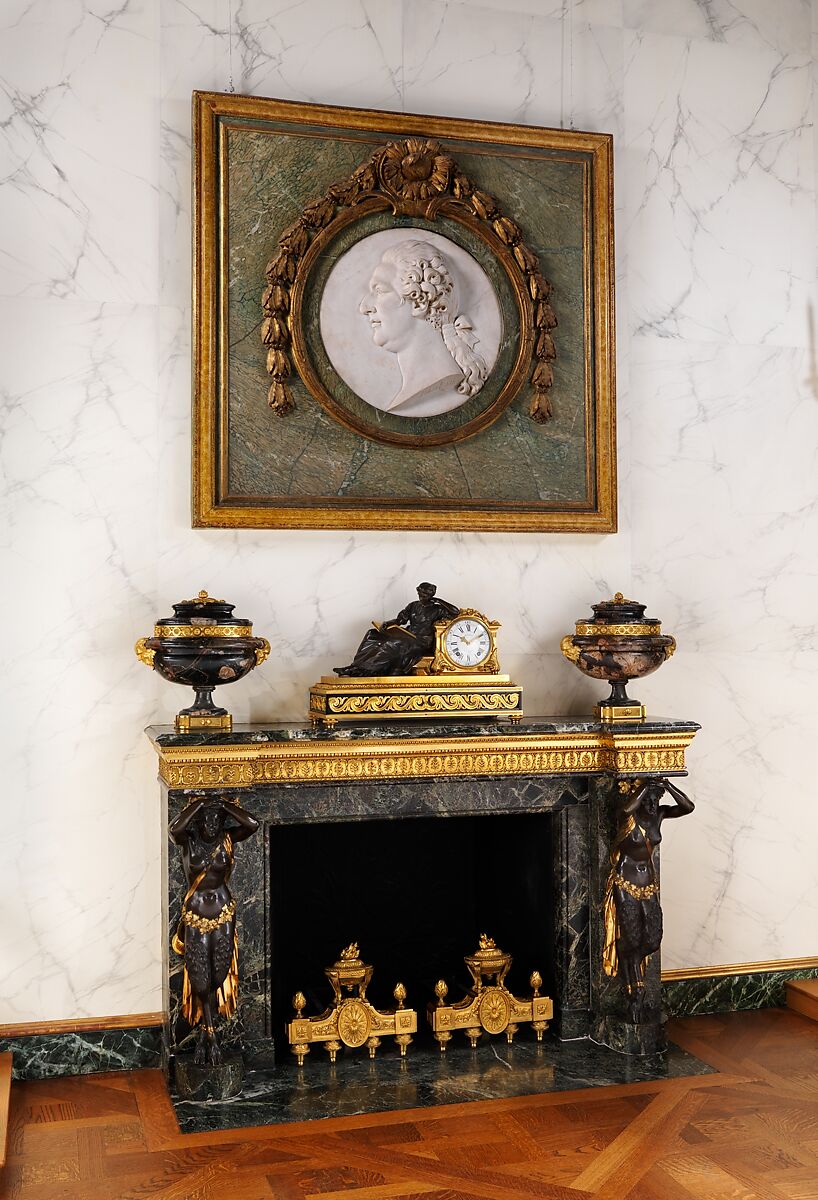
Francois Joseph Belanger was a French neoclassical architect and decorative designer known for his elegant and luxurious interiors in the late 18th century. His work was characterized by symmetry, classical motifs, and attention to detail.
View StyleExplore Style
Georgian style refers to the visual aesthetics popular in Britain during the reigns of the four King Georges (1714-1830). Known for its symmetry, proportion, and elegance, Georgian architecture and design was characterized by neoclassical influence and elaborate décor.
View StyleExplore Style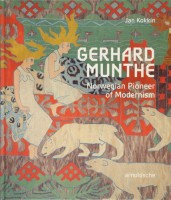
Gerhard Munthe was a Norwegian artist known for his intricate and colorful decorative style, influenced by traditional Norwegian folk art. Active in the late 19th and early 20th centuries, his work popularized the use of vibrant colors and intricate patterns in design.
View StyleExplore Style
Goldsmithing is the art of creating intricate and detailed jewelry and decorative objects using gold and other precious metals. This style has been popular since ancient times and is known for its luxury and craftsmanship.
View StyleExplore Style
Greek mosaics were decorative artworks made by setting small pieces of colored stone, glass, or other materials into a bed of cement or mortar. This style became famous during the Greek and Roman periods, showcasing intricate geometric patterns, scenes from mythology, and everyday life.
View StyleExplore Style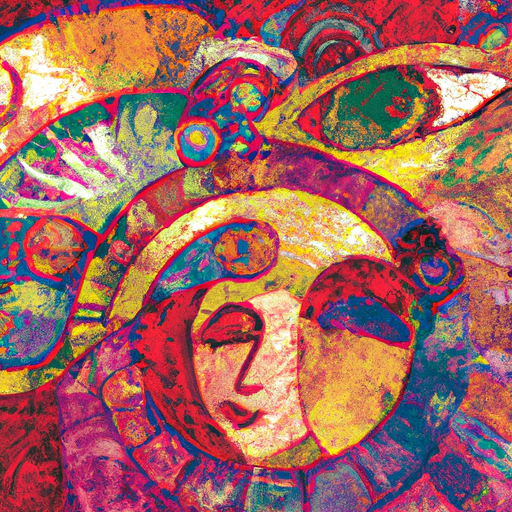
Gustav Klimt was an Austrian symbolist painter and one of the most prominent members of the Vienna Secession movement. Active between the late 19th and early 20th centuries, Klimt's art is characterized by its decorative and sensual aesthetic. He is widely known for his use of intricate patterns, rich colors, and gold leaf. Klimt's works often highlight the female form, depicting women in ornate garments and elaborate backgrounds. His art is renowned for its sensuality, symbolism, and decorative details.
View StyleExplore Style
Herbert McNair was a Scottish artist and member of the Glasgow School, known for his intricate and decorative art nouveau designs in the late 19th and early 20th centuries.
View StyleExplore Style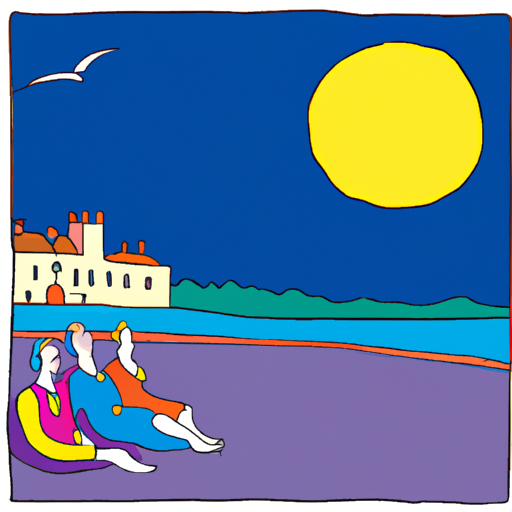
Hilda Of Whitby style is a medieval art form that emerged during the Anglo-Saxon period in the 7th century in England. It is characterized by intricate designs, geometric patterns, and intricate knotwork. Hilda Of Whitby style is famous for its decorative elements and its influence on later medieval art.
View StyleExplore Style
The Imperial Palace of Beijing, also known as the Forbidden City, is a grand architectural complex that served as the imperial palace for emperors of China for nearly 500 years, from 1420 to 1912. This style is characterized by its symmetrical layout, decorative roofs with yellow glazed tiles, intricate carvings, and traditional Chinese architectural elements.
View StyleExplore Style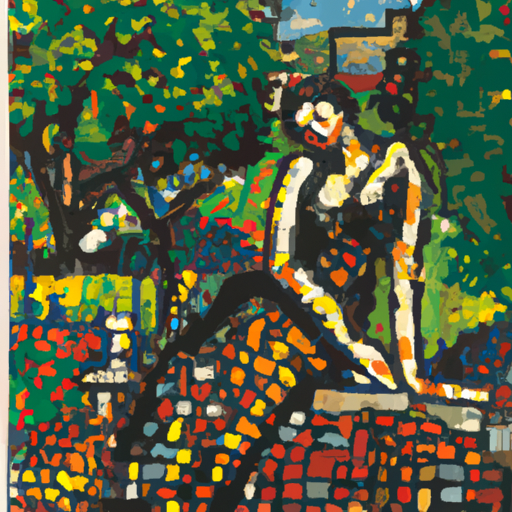
Jan Toorop was a Dutch visual artist known for his unique visual style that emerged in the late 19th and early 20th centuries. His style is characterized by decorative and symbolic elements, with a focus on flowing lines and a sense of spirituality. Toorop became famous for his use of 'pointillism', a technique where small dots or strokes of paint are applied to a surface to create an image. This technique gave his artworks a distinctive and vibrant appearance. The years of importance for Toorop's style are from the late 19th century to the early 20th century, where he played a significant role in the European art scene.
View StyleExplore Style
Japanese Art Nouveau emerged in the late 19th to early 20th centuries, blending traditional Japanese motifs with the decorative elegance of Art Nouveau. This style is characterized by intricate patterns, flowing lines, and delicate details.
View StyleExplore Style
Jean Baptiste Pillement was a French painter and designer known for his Rococo style paintings and decorative arts. Active in the 18th century, Pillement's work is characterized by intricate and delicate compositions featuring natural motifs such as foliage, trees, and animals.
View StyleExplore Style
The Krater style refers to ancient Greek pottery decorated with elaborate, geometric designs. This style became famous during the 8th to 5th centuries BC for its intricate black-figure and red-figure techniques.
View StyleExplore Style
Lluis Domenech i Montaner was a key figure in Catalan modernism, known for his use of innovative architectural techniques, decorative elements, and integration of arts in his designs, especially in buildings like Hospital de Sant Pau and Palau de la Musica Catalana in Barcelona.
View StyleExplore Style
Lucas Cranach the Elder (1472-1553) was a German Renaissance painter and printmaker. He is famous for his detailed and vibrant paintings, characterized by their meticulous execution and rich colors. Cranach's style combines elements of the Northern Renaissance with influences from Italian art. His works often depict religious subjects, mythological scenes, and portraits of nobility. Cranach's unique visual style became popular during the 16th century and continues to be admired for its decorative qualities and expressive compositions.
View StyleExplore Style
Manuscript Illumination is the decorative hand-lettering and embellishment of handwritten texts, particularly during the Middle Ages. This style became famous for its intricate details, vibrant colors, and gold leaf accents.
View StyleExplore Style
Maurice Denis was a French painter and writer, and a leading figure in the Nabis artistic movement. His visual style, developed during the late 19th and early 20th centuries, is characterized by a decorative and symbolic approach to painting. He focused on using bold colors and flat, simplified forms, often incorporating elements of nature, religious symbolism, and everyday life. Denis believed that art should be accessible to everyone, and he aimed to create harmonious and poetic compositions that evoked emotion and spirituality. He became famous for his works such as 'The Green Trees', 'The Bathers', and 'Homage to Cézanne'.
View StyleExplore Style
Medieval embroidery refers to the intricate and decorative stitching techniques used in Europe during the Middle Ages, particularly between the 5th and 15th centuries. Known for its rich colors, elaborate patterns, and use of luxurious materials like gold thread, this style of needlework was often used to adorn clothing, tapestries, and religious vestments.
View StyleExplore Style
Medieval illuminated manuscripts were highly decorative books created by skilled scribes and artists during the Middle Ages (500-1500 AD). They were famous for their intricate hand-painted illustrations, elaborate borders, and vibrant colors.
View StyleExplore Style
The Memphis Group was an influential design collective founded in Milan, Italy in 1980 by Ettore Sottsass. This postmodern movement gained fame for its vibrant colors, bold geometric patterns, and playful, unconventional shapes. Known for its disregard of minimalist design principles, the Memphis Group embraced the use of clashing colors, asymmetrical compositions, and kitschy decorative elements. Their designs often incorporated materials like laminated plastic, terrazzo, and bold, graphic prints. The Memphis Group's distinctive style quickly garnered international attention and its impact can still be seen in contemporary design.
View StyleExplore Style
Migration Period Art is an artistic style that emerged during the early Middle Ages, particularly between the 4th and 7th centuries in Europe. It is characterized by its intricate and decorative designs, often found in the form of metalwork, jewelry, and manuscripts. The art style gained prominence during the period of mass migrations and cultural transitions in Europe, following the fall of the Western Roman Empire. It has been famous for its distinctive blend of Roman, Byzantine, and Germanic influences.
View StyleExplore Style
Neoclassical Typography is characterized by a revival of classical typefaces and design elements, popular from the late 18th to early 19th centuries. It was famous for its elegant and refined use of serif fonts and decorative elements.
View StyleExplore Style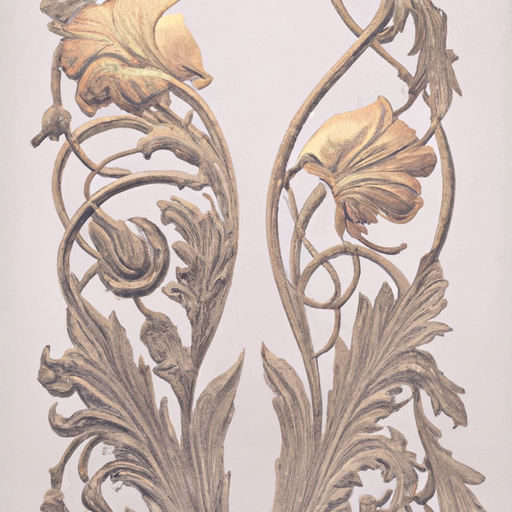
Opulent Baroque was a highly ornate and decorative visual style that emerged in the late 17th century and reached its peak during the 18th century. It is characterized by extravagant and lavish design elements, including intricate detailing, lavish use of gold and other precious materials, and a sense of grandeur. Opulent Baroque architecture, art, and design were famous for their opulence and excessive ornamentation, aiming to impress and inspire awe. This style became prominent in Europe, particularly in countries like Italy, France, and Spain, and is known for its exuberance and flamboyance.
View StyleExplore Style
Ottoman Calligraphy is a sophisticated and decorative style of Islamic calligraphy that flourished in the Ottoman Empire from the 14th to 20th centuries. Known for its intricate and elaborate designs, it was widely used in manuscripts, official documents, and architectural decorations.
View StyleExplore Style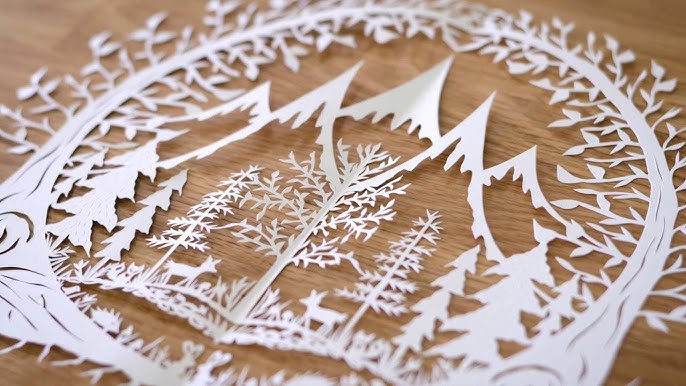
Paper Cutting Artists is a style of art that involves the intricate cutting and manipulation of paper to create detailed and visually stunning designs. Originating as early as 6th century AD in China, paper cutting gained popularity in Europe during the 16th century. This style became particularly famous for its use in decorative arts, such as the Scherenschnitte tradition in Germany, and for its association with various folk art traditions around the world.
View StyleExplore Style
Pattern Design is a decorative visual style that involves repeating elements in a harmonious and systematic way. It became famous during the Art Nouveau movement in the late 19th and early 20th centuries, with artists like William Morris creating intricate designs inspired by nature.
View StyleExplore Style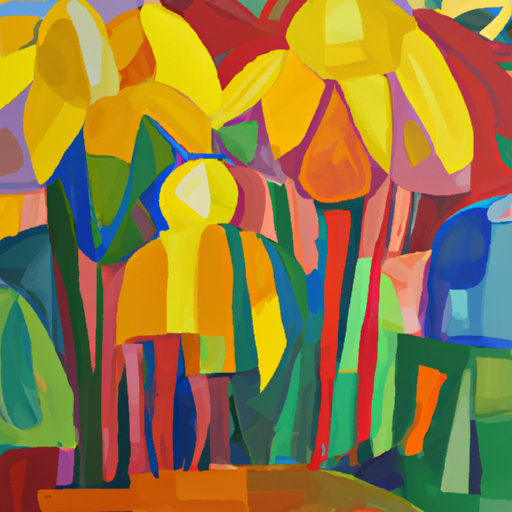
Pierre Bonnard was a French painter and printmaker known for his post-impressionist and Nabis styles. Active from the late 19th to the mid-20th century, Bonnard's style is characterized by vibrant colors, flattened perspective, and the use of pattern and decorative elements. He is famous for his intimate and domestic scenes, often featuring his wife Marthe and the interiors of his own home. Bonnard's work captures the fleeting and subjective nature of everyday life, emphasizing the play of light and color on his subjects.
View StyleExplore Style
The visual style of Queen Anne of Great Britain, reigning from 1702 to 1714, is characterized by intricate and elaborate designs, lavish decorations, and a strong sense of elegance. This style became famous for its use of opulent fabrics, intricate details, and a mix of different design elements.
View StyleExplore Style
Rimpa Style is a Japanese decorative style that emerged in the early 17th century, known for its vibrant colors, bold patterns, and use of gold leaf. The style gained fame for its unique blend of traditional Japanese aesthetics with innovative techniques.
View StyleExplore Style
Rinpa is a Japanese visual style that flourished in the late 16th century and 17th century. It gained popularity during the Edo period and is known for its elegant and decorative motifs. Rinpa is characterized by its use of vibrant colors, flowing brushstrokes, and luxurious gold and silver leaf accents. This style became famous for its incorporation of natural elements such as flowers, birds, and landscapes, as well as its emphasis on asymmetry and dynamic compositions.
View StyleExplore Style
Rococo is a decorative and ornate art style that flourished in Europe during the 18th century. It reached its peak in the mid-1700s and was especially popular in France. Rococo is characterized by its emphasis on lavish decoration, delicate details, and a playful and lighthearted atmosphere. This style is known for its use of pastel colors, intricate patterns, curvaceous forms, and motifs inspired by nature. Notable features include asymmetric designs and the portrayal of romantic and mythological themes. Rococo became famous for its association with the French aristocracy and its luxurious and extravagant interiors.
View StyleExplore Style
Rococo Style emerged in the early 18th century and reached its peak in the mid-18th century. It is characterized by its ornate and decorative elements, delicate forms, and pastel color palette. Rococo is famous for its emphasis on asymmetry, the use of ornamental motifs such as shells, flowers, and foliage, and its association with the French court of Louis XV. This style is often associated with elegance, luxury, and frivolity.
View StyleExplore Style
Serif typography is characterized by decorative flourishes, or 'serifs', at the ends of the strokes in the letters. It became popular in the 15th century with the invention of the printing press and is still widely used in traditional print media.
View StyleExplore Style
The visual style of Shah Abbas The Great was characterized by intricate decorative motifs, vibrant colors, and grandiose architecture during the Safavid dynasty in Iran (1587-1629). This style became famous for its combination of Persian and Islamic influences.
View StyleExplore Style
Sogdian art flourished in the region of Sogdiana (present-day Uzbekistan and Tajikistan) between the 5th and 8th centuries. Known for its intricate decorative motifs, vibrant colors, and depiction of a diverse range of cultural influences.
View StyleExplore Style
Textile Design is a decorative art form that involves creating patterns and designs for fabrics and textiles. It gained popularity in the 19th century with the Arts and Crafts Movement, and has since become a prominent aspect of interior design and fashion.
View StyleExplore Style
Victorian Glassware refers to decorative glass objects produced during the Victorian era (1837-1901). Known for intricate designs, vibrant colors, and ornate details such as engravings and gilding.
View StyleExplore Style
Viking Art Style emerged from the 8th to 11th centuries in Northern Europe, characterized by intricate patterns, abstract forms, and animal motifs carved in wood, stone, and metal. This style is famous for its unique blend of geometric shapes and decorative elements.
View StyleExplore Style