
A Place To Bury Strangers
A dark and intense visual style characterized by distorted and noisy imagery, reminiscent of the post-punk and noise rock music of the band A Place To Bury Strangers.
View StyleExplore Style Stylopedia
A visual encyclopedia of dark styles – use as prompt inspiration for Midjourney, Gemini, or ChatGPT AI when making dark images
A dark and intense visual style characterized by distorted and noisy imagery, reminiscent of the post-punk and noise rock music of the band A Place To Bury Strangers.
View StyleExplore Style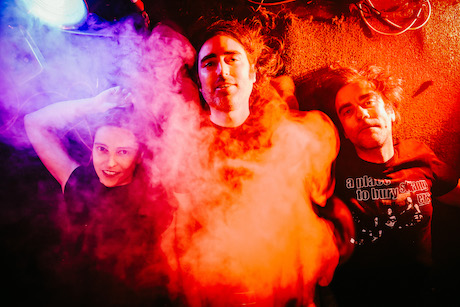
A dark and gritty visual style featuring intense strobe lights, distorted imagery, and chaotic visuals. Known for their raw and explosive live performances.
View StyleExplore StyleA dark, gritty, and chaotic visual style that combines elements of noise, punk, and shoegaze music. Known for their intense live performances and use of strobe lights, fog machines, and DIY light setups.
View StyleExplore Style
Adrian Carmack is a visual style known for his dark and gruesome artwork. He rose to fame in the early 1990s as one of the co-founders of id Software, where he was responsible for the visual design of iconic video games such as Doom and Quake. Carmack's style is characterized by detailed and often grotesque imagery, featuring nightmarish creatures, blood, and gore. His work in video games revolutionized the first-person shooter genre and influenced many other artists and game designers. He continues to be recognized as a pioneer in the field of digital art.
View StyleExplore Style
Adult Animation is a style of animation that targets a mature audience with themes and topics not suitable for children. It gained popularity in the late 20th century and is known for its humor, wit, and sometimes dark and edgy content.
View StyleExplore Style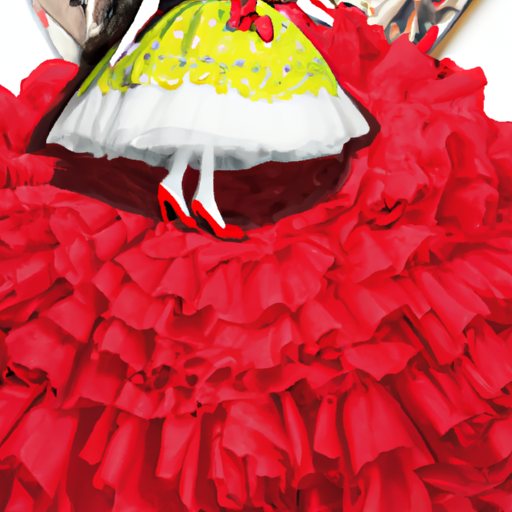
Alexander McQueen was known for his daring and unconventional fashion designs. His style emerged in the late 1990s and early 2000s, and he became famous for his bold and theatrical runway presentations. McQueen's designs often featured a dark and avant-garde aesthetic, with a mixture of romanticism and punk influences. He was known for his meticulous attention to detail and his ability to push the boundaries of fashion. McQueen's style was characterized by dramatic silhouettes, intricate craftsmanship, and a sense of theatricality. His innovative and provocative designs left a lasting impact on the fashion industry.
View StyleExplore Style
The Alice Cooper visual style emerged in the 1970s and became famous for its shock rock aesthetic. With theatrical elements, the style was characterized by dark and macabre visuals, incorporating elements of horror, gothic, and glam rock. The style reached its peak in the late 1970s, with the album covers and stage performances of Alice Cooper, known for his provocative and twisted imagery.
View StyleExplore Style
The visual style of Alice In Chains is dark, gritty, and raw, reflecting the band's music themes of addiction, depression, and hard-hitting lyrics. Popular in the 1990s grunge era, their imagery often features distorted photography, bleak landscapes, and surreal elements.
View StyleExplore Style
Alien Film is a visual style that emerged in the late 1970s and became popular in the 1980s. It is characterized by its dark, ominous atmosphere, futuristic settings, and extraterrestrial creatures. The style gained prominence with the release of the film 'Alien' in 1979, directed by Ridley Scott. The use of intricate and organic creature designs, highly detailed and claustrophobic sets, and a focus on suspense and horror elements made this style famous.
View StyleExplore Style
Amon Tobin is known for his dark and intricate visual style, combining glitchy textures, surreal imagery, and futuristic elements. His work gained fame in the late 1990s and early 2000s for its innovative approach to audiovisual storytelling.
View StyleExplore Style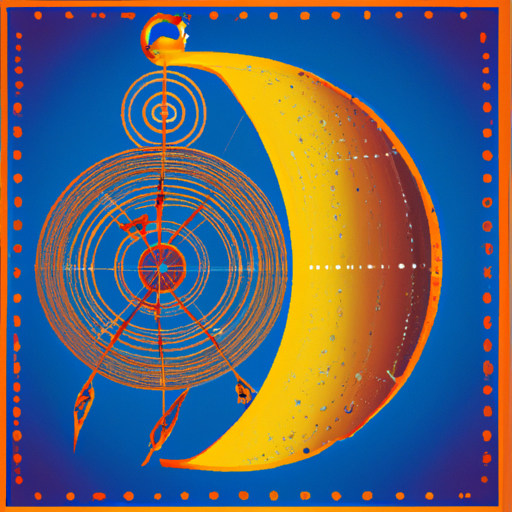
Andrew Kevin Walker is a renowned American screenwriter known for his dark and gritty visual style. His style emerged in the 1990s and gained recognition through works like the film 'Se7en' released in 1995. Walker's style is characterized by its atmospheric intensity, moody and highly stylized cinematography, and a focus on exploring the dark depths of human nature. His visually striking storytelling often explores themes of crime, psychological turmoil, and moral ambiguity, which made him famous for his unique and haunting visual style.
View StyleExplore Style
Andrzej Sapkowski's visual style is characterized by dark, gritty and realistic fantasy settings, often depicting medieval inspired worlds filled with complex characters and political intrigue. His style became famous through his popular book series, The Witcher, which was later adapted into successful video games and a TV series.
View StyleExplore Style
Angela Giussani was a Italian comic book writer, best known for creating the famous Bonelli comic series 'Diabolik'. Her visual style is characterized by dark, dramatic and mysterious illustrations, often featuring antiheroes and femme fatales.
View StyleExplore Style
Ann Demeulemeester is a Belgian fashion designer known for her avant-garde and dark aesthetic. Her style emerged in the 1980s and became famous for its minimalist yet dramatic approach. Demeulemeester's designs often feature black and white colors, asymmetry, layering, and the use of flowing fabrics. Her emphasis on deconstruction and tailoring, combined with a poetic and romantic touch, has made her style unique and influential in the world of fashion.
View StyleExplore Style
The Anne Rice visual style is characterized by dark, gothic themes, intricate details, and luxurious decadence. Made famous through her famous novels such as Interview with the Vampire, this style often features ornate architecture, lavish costumes, and a sense of mystery and danger.
View StyleExplore Style
Anton Furst's visual style is characterized by dark and gothic architectural designs, notably seen in his work on the film Batman (1989). His use of sharp angles, towering structures, and intricate detailing set a tone of foreboding and grandeur.
View StyleExplore Style
Arnold Bocklin was a Swiss symbolist painter and sculptor, known for his dark and mysterious paintings that often featured mythical and supernatural themes. His work gained popularity in the late 19th and early 20th centuries for its emotive and fantastical qualities.
View StyleExplore Style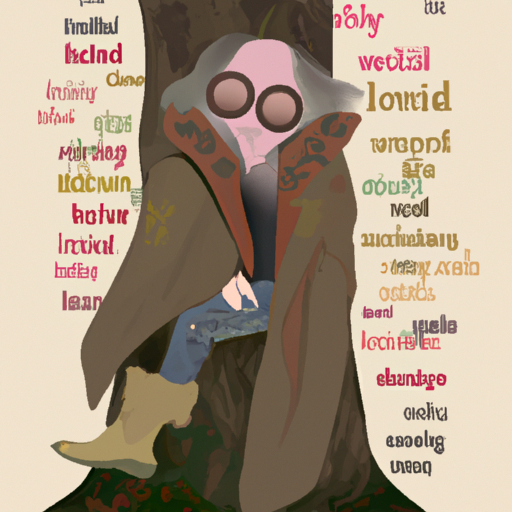
Tim Burton's visual style is characterized by dark, gothic themes, quirky characters, and a unique blend of whimsical and macabre elements. His signature style became famous in the 1980s and has continued to influence popular culture ever since.
View StyleExplore Style
The visual style of Basic Instinct is edgy and provocative, characterized by dark and moody lighting, sleek and modern interiors, and glamorous yet dangerous characters. This style rose to fame in the early 1990s with the release of the iconic film Basic Instinct.
View StyleExplore Style
The visual style of Batman is a dark and gritty aesthetic inspired by the popular DC Comics character. It became well-known in the late 1980s and early 1990s with the release of the iconic comic book series 'Batman: The Dark Knight Returns' by Frank Miller and the Tim Burton-directed film 'Batman' starring Michael Keaton. This style is characterized by dramatic use of shadows, atmospheric lighting, Gothic architecture, and a predominantly black color palette. The Batman visual style is famous for its brooding and mysterious atmosphere, reflecting the dark persona of the Caped Crusader.
View StyleExplore Style
The Batman Animated Series is a visually dark, stylized, and noir-influenced animated series that aired in the 1990s. Known for its dark tone, shadowy atmospheres, and art deco-inspired designs, this style became famous for redefining the character of Batman for a new generation.
View StyleExplore Style
Batman Beyond is a futuristic and cyberpunk visual style that combines dark tones and neon lights. It became famous in the late 1990s for its unique take on the Batman universe.
View StyleExplore Style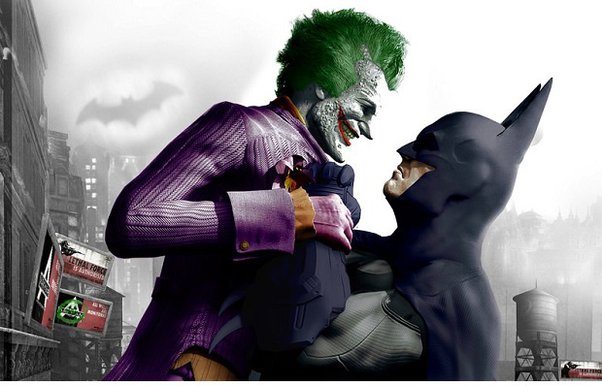
The visual style of Batman Comics is characterized by dark and gritty artwork, often using heavy shadows and dramatic lighting to create a sense of mystery and suspense. This style became famous starting from the first appearance of Batman in 1939, with artists like Bob Kane and Bill Finger setting the tone for future iterations of the character.
View StyleExplore Style
The visual style of Batman The Animated Series, created by Bruce Timm and Eric Radomski, is known for its dark, futuristic, and gothic aesthetic. Utilizing dark colors, Art Deco-inspired architecture, and film noir influences, this show set a new standard for animated superhero storytelling in the early 1990s.
View StyleExplore Style
The visual style of Batman The Dark Knight Returns is known for its gritty, dark, and atmospheric look. This style originated in the 1980s with the release of the iconic graphic novel of the same name, written by Frank Miller and illustrated by Klaus Janson. The style gained fame for its mature storytelling, realistic illustration, and intense character designs. The aesthetic of Batman The Dark Knight Returns often features heavy shadows, strong black and white contrasts, bold lines, and a dystopian cityscape, creating a brooding and visually striking atmosphere.
View StyleExplore Style
The visual style of 'Batman The Killing Joke' is dark and gritty, capturing the noir essence of the Batman universe. This style became famous through the graphic novel of the same name, written by Alan Moore and illustrated by Brian Bolland, and was later adapted into an animated film. Released in 1988, 'The Killing Joke' is known for its dark and psychological story, exploring the complex relationship between Batman and The Joker.
View StyleExplore Style
The Batman Universe visual style is dark, gritty, and heavily influenced by film noir aesthetics. It is known for its use of shadows, high contrast lighting, and sleek, Gothic-inspired architecture. This style became famous in the late 20th century and continues to be prevalent in modern Batman comics and movies.
View StyleExplore Style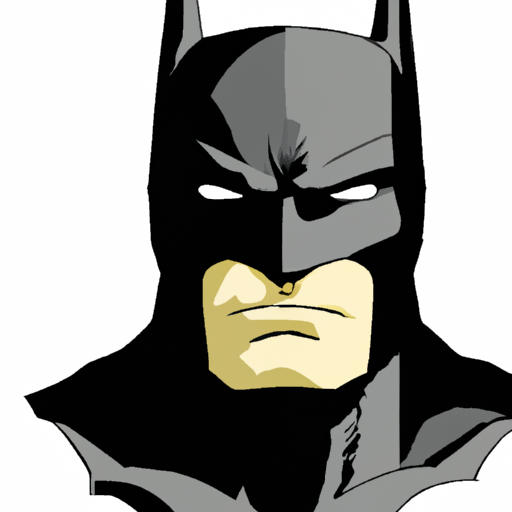
Batman Year One is a visual style that emerged in 1987 with the release of the Batman: Year One comic book storyline. It revolutionized the visual representation of Batman by presenting a more grounded and realistic approach to the character. The style became famous for its dark and gritty atmosphere, capturing the early years of Batman's crime-fighting career in Gotham City.
View StyleExplore Style
The visual style of Batwoman is characterized by bold, dark colors, sleek and form-fitting costumes, and a Gotham City-inspired aesthetic. This style became famous with the creation of the DC Comics character Batwoman in 1956.
View StyleExplore Style
Bee Train Studio is known for its distinct use of dark, muted colors, detailed backgrounds, and intricate character designs in anime. The studio gained popularity in the late 90s and early 2000s for their immersive storytelling and unique visual style.
View StyleExplore Style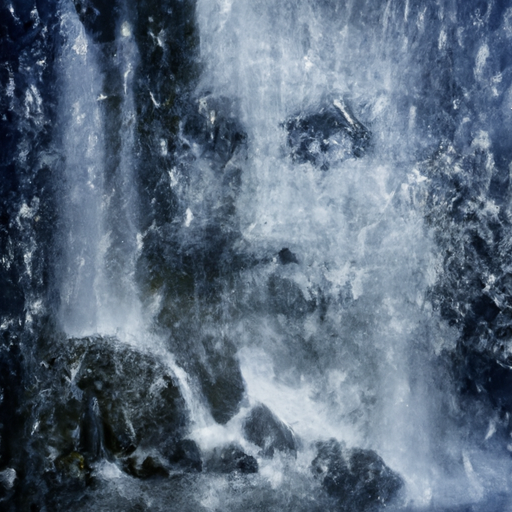
Beksinski is a gothic and surrealist visual style that emerged in the late 20th century. It is named after the Polish artist Zdzislaw Beksinski, who gained prominence in the 1980s and 1990s. Beksinski's works are characterized by dark, atmospheric landscapes, abstract forms, and distorted figures. Known for his dystopian and apocalyptic themes, Beksinski's art often evokes feelings of melancholy and despair. His unique style combines elements of surrealism, expressionism, and fantasy, creating haunting and otherworldly imagery.
View StyleExplore Style
The Bela Lugosi visual style is characterized by a dark, gothic aesthetic inspired by the iconic horror actor Bela Lugosi. Popular in the 1930s and 1940s, it incorporates elements such as dramatic lighting, eerie ambiance, and elements of classic horror themes.
View StyleExplore Style
Black Mirror is a futuristic and dystopian visual style that gained popularity in the 2010s. It is known for its dark, thought-provoking themes that highlight the potential dangers of technology and its impact on society. The style often depicts a near-future world where advanced technology is intertwined with everyday life, exploring the consequences and ethical dilemmas that arise. It became famous for its unique storytelling format and its ability to reflect contemporary issues through a sci-fi lens.
View StyleExplore Style
The visual style of Black Sabbath is characterized by dark, macabre imagery, featuring motifs like crosses, skulls, and other occult symbols. This style became famous in the 1970s and is closely associated with the heavy metal music genre.
View StyleExplore Style
Blade Runner is a dystopian science fiction style that emerged in the 1980s. It is known for its dark, futuristic cityscapes, neon-lit streets, heavy rain, and industrial decay. The style became famous for its unique blend of film noir and cyberpunk elements, creating a visually stunning world. It was popularized by the 1982 film 'Blade Runner' directed by Ridley Scott, which showcased the genre's signature visuals and became highly influential in the realm of science fiction filmmaking.
View StyleExplore Style
Blade Runner 2049 features a visually stunning futuristic world filled with neon lights, dark and dreary landscapes, and a mix of cyberpunk and noir elements. The use of advanced CGI technology and meticulous attention to detail have made this style famous.
View StyleExplore Style
Blade Runner Movie is a futuristic and dystopian visual style that gained fame with the release of the film in 1982. It is characterized by a dark, rainy, neon-lit cityscape with a mix of futuristic technology and gritty urban decay.
View StyleExplore Style
A style characterized by deep red hues, evoking themes of passion, danger and intensity. Popularized in the modern era for its dramatic and emotive impact.
View StyleExplore Style
Bloodborne is a dark, gothic-inspired visual style characterized by eerie environments, grotesque creatures, and intricate details. Released in 2015, its haunting atmosphere and challenging gameplay made it famous.
View StyleExplore Style
The visual style of Blue Velvet, directed by David Lynch in 1986, is characterized by its dreamlike atmosphere, surreal imagery, and dark undertones. The use of vibrant colors, distorted perspectives, and unsettling themes made this style famous.
View StyleExplore Style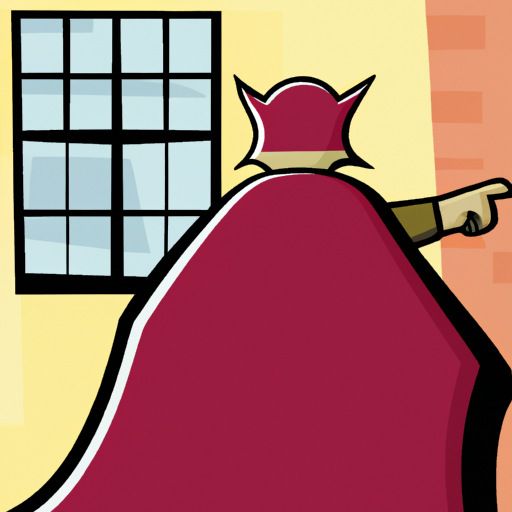
The Bob Kane visual style is best known for its dark and brooding atmosphere, characterized by heavy use of shadows and dramatic lighting. This style emerged in the late 1930s with the introduction of Batman, a comic book character created by Bob Kane. Kane's artistry and storytelling revolutionized the superhero genre, emphasizing a noir-inspired aesthetic that captivated audiences. The Bob Kane visual style gained significant popularity in the 1940s and 1950s, shaping the iconic look of Batman and Gotham City.
View StyleExplore Style
The Bram Stoker visual style is dark, Gothic, and atmospheric. Inspired by the work of author Bram Stoker, famous for creating the iconic character Dracula. This style became popular in the late 19th century.
View StyleExplore Style
Bret Easton Ellis is known for his gritty and dark visual style that emerged in the 1980s and 1990s. His style often explores themes of wealth, alienation, and excess, particularly in the lives of young people from privileged backgrounds. He gained fame with his controversial novel 'American Psycho' which depicted the narcissistic and violent tendencies of a Wall Street investment banker. Ellis's visual style became famous for its brutally honest portrayal of American culture during the time period.
View StyleExplore Style
Brom is a dark and gothic style known for its detailed and eerie fantasy artwork. The style became famous in the 1990s with artist Gerald Brom's illustrations for novels, games, and comics.
View StyleExplore Style
The Bronze Age of Comic Books is a visual style that emerged in the 1970s and lasted until the mid-1980s. Known for its darker and more mature themes, this era saw the rise of antiheroes like the Punisher and Wolverine, as well as socially relevant stories tackling issues such as drug abuse and racial discrimination.
View StyleExplore Style
The Brothers Grimm style is characterized by dark, gothic imagery inspired by the folklore and fairy tales collected by the Grimm brothers. Popular in the 19th century, this style features intricate, detailed illustrations with a sense of mystery and magic.
View StyleExplore Style
Inspired by film noir, the Brubaker And Phillips visual style is known for its dark and gritty aesthetic, featuring hard shadows and intricate linework. This style gained popularity in the early 2000s with collaborations between writer Ed Brubaker and artist Sean Phillips.
View StyleExplore Style
Heavy Rain is a visual style that focuses on creating a dark, moody atmosphere with realistic graphics and cinematic presentation. This style became famous for its immersive storytelling and interactive gameplay experience.
View StyleExplore Style
The Hot Topic visual style emerged in the late 1990s and early 2000s, characterized by dark, edgy, and alternative fashion inspired by punk, goth, and emo subcultures. This style gained popularity for its rebellious and non-conformist aesthetic, often featuring band merchandise, graphic tees, studs, spikes, and bold prints.
View StyleExplore Style
Camille Rose Garcia is known for her dark and whimsical style, often depicting surreal and fantastical scenes with a combination of innocence and darkness. Her art is heavily influenced by fairy tales, vintage cartoons, and popular culture. Garcia gained recognition in the early 2000s, particularly with her illustrations for the book "Alice's Adventures in Wonderland". Her unique style, characterized by vibrant colors, intricate details, and juxtaposition of elements, has since gained a cult following.
View StyleExplore Style
The Hyde visual style is characterized by dark, moody tones, intricate patterns, and a sense of mystery. Popularized in the 1800s, this style is inspired by gothic architecture and Victorian fashion, creating a haunting and dramatic aesthetic.
View StyleExplore Style
The visual style of Castlevania features dark and gothic artwork, inspired by classic horror themes and folklore. It became famous through its video game series starting in the late 1980s, creating a haunting atmosphere with detailed pixel art and medieval architecture.
View StyleExplore Style
The visual style of the Castlevania Series is Gothic horror with intricate, detailed artwork and dark, moody color palettes. This style became famous through the video game series first released in 1986, known for its atmospheric settings and creepy aesthetic.
View StyleExplore Style
The visual style of Castlevania Symphony Of The Night features dark and gothic environments with detailed pixel art. Released in 1997, this game is famous for its intricate level design and atmospheric music.
View StyleExplore Style
The Castlevania video games feature a gothic, dark, and haunting visual style, often set in eerie castle environments filled with monsters, demons, and other supernatural creatures. This style became famous for its pixel art graphics, detailed character designs, and atmospheric music.
View StyleExplore Style
Cd Projekt Red's visual style is known for its detailed and immersive world-building, stunning graphics, and dark, gritty atmosphere. The studio gained fame with the release of The Witcher series, which showcased their signature style.
View StyleExplore Style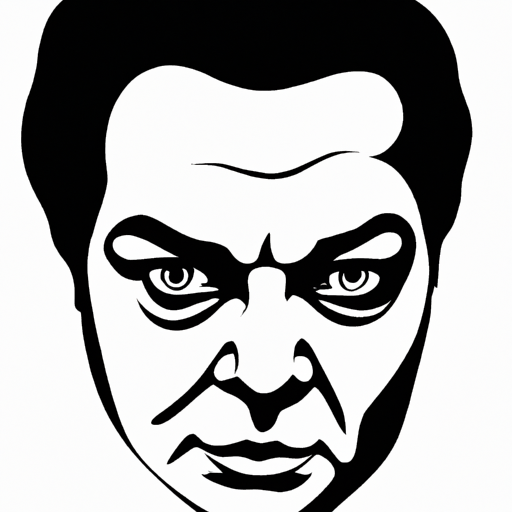
The Charles Burns style is a unique blend of dark, surreal and grotesque imagery. Burns gained fame in the late 20th century through his distinctive black and white illustrations in comics and graphic novels. His work is characterized by its intricate linework, stark contrast, and distorted, often unsettling characters. Burns became particularly famous for his graphic novel series 'Black Hole', published from 1995 to 2005, which explored themes of adolescence, sexuality, and body horror.
View StyleExplore Style
The Chris Cornell style is characterized by a mix of grunge and rock aesthetics, featuring dark, rugged looks with a hint of glam. Popularized in the 1990s by the lead singer of Soundgarden and Audioslave, this style is known for its edgy appeal and emotional intensity.
View StyleExplore Style
Chris Cunningham is a British visual artist and director known for his innovative and often controversial work in music videos and commercials. He gained fame in the late 1990s and early 2000s for his dark and provocative style, combining unsettling imagery with cutting-edge visual effects. His work often explores themes of technology, cyborgs, and human transformation. Some of his most famous works include the music videos for the songs 'Come to Daddy' by Aphex Twin and 'All is Full of Love' by Björk. Cunningham's unique visual style and boundary-pushing approach to storytelling have made him a highly influential figure in the world of visual arts.
View StyleExplore Style
Chris Hopewell is known for his handcrafted stop-motion animation style, often using dark and surreal imagery. His work became famous in the 2010s for its unique blend of traditional techniques and modern storytelling.
View StyleExplore Style