StylopediaStylopedia

Daring styles on Stylopedia

A visual encyclopedia of daring styles – use as prompt inspiration for Midjourney, Gemini, or ChatGPT AI when making daring images

Example of visual style of Alexander Mcqueen

Alexander Mcqueen

Alexander McQueen was known for his daring and unconventional fashion designs. His style emerged in the late 1990s and early 2000s, and he became famous for his bold and theatrical runway presentations. McQueen's designs often featured a dark and avant-garde aesthetic, with a mixture of romanticism and punk influences. He was known for his meticulous attention to detail and his ability to push the boundaries of fashion. McQueen's style was characterized by dramatic silhouettes, intricate craftsmanship, and a sense of theatricality. His innovative and provocative designs left a lasting impact on the fashion industry.

View StyleExplore Style
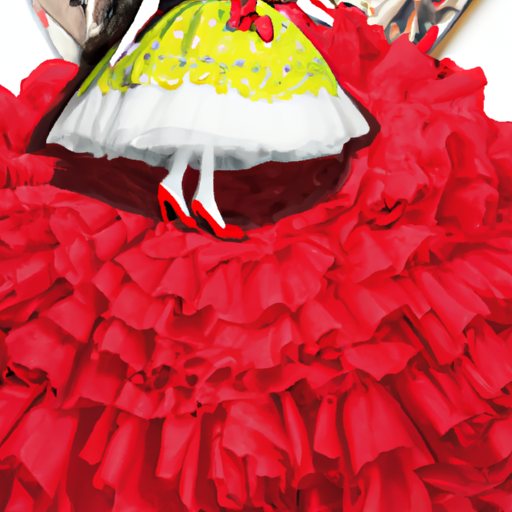
Example of visual style of Emanuel Ungaro

Emanuel Ungaro

Emanuel Ungaro is a visual style that emerged in the 1960s and became famous for its vibrant and flamboyant designs. It is characterized by its use of bold colors, intricate patterns, and luxurious fabrics. Emanuel Ungaro, the French fashion designer, was known for his innovative and sensual approach to fashion, which brought a more avant-garde and daring aesthetic to the industry. His designs often featured asymmetrical cuts, ruffles, and draping, creating a sense of movement and femininity. Ungaro's style gained popularity in the 1980s and 1990s, and his creations were worn by many celebrities and fashion icons.

View StyleExplore Style

Example of visual style of Fiorucci

Fiorucci

Fiorucci is a vibrant and iconic visual style that emerged in the 1970s and gained popularity throughout the 1980s. Known for its eclectic, colorful, and daring designs, Fiorucci epitomized the vibrant youth culture of the disco era. The brand became famous for its bold graphic prints, lively patterns, and innovative use of materials. Fiorucci encapsulated the spirit of hedonism and individuality, creating a counter-cultural movement of fashion that celebrated freedom and self-expression.

View StyleExplore Style
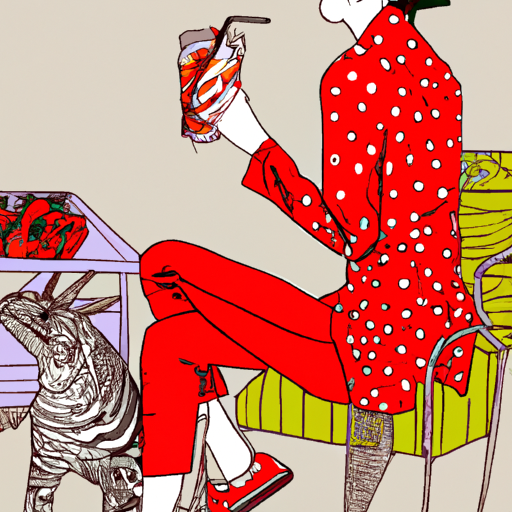
Example of visual style of George Lois

George Lois

George Lois is an American graphic designer and art director known for his bold and iconic visual style. Active in the 1960s, Lois revolutionized the advertising industry with his innovative and daring approach. He created a series of influential and memorable advertisements for major brands such as Xerox, Volkswagen, and Esquire magazine. His work combined striking photography, clever copywriting, and powerful imagery to communicate messages with impact. Lois brought social and political commentary into his designs and challenged the status quo, making him famous for his fearless and controversial style.

View StyleExplore Style
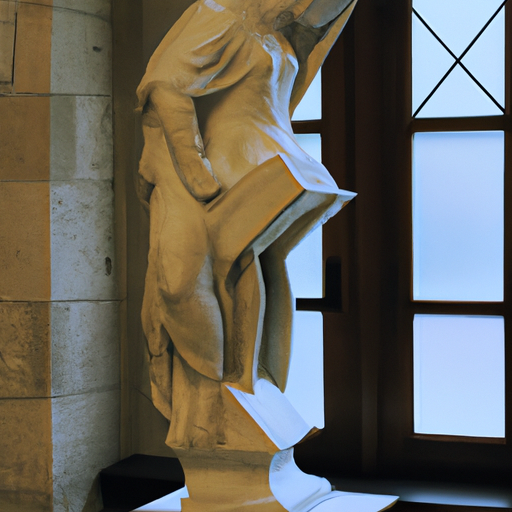
Example of visual style of Gianni Versace

Gianni Versace

Gianni Versace is a luxurious and glamorous visual style that emerged in the 1980s and became iconic in the fashion world. It is characterized by vibrant colors, bold prints, and opulent details. Gianni Versace's designs were famous for their daring and provocative nature, often merging classic elements with innovative and contemporary designs. His use of gold accents and Medusa motifs became signature features of the style. Gianni Versace's creations were celebrated for their impeccable craftsmanship and the luxurious materials used. The style gained further fame when notable celebrities and public figures, including supermodels like Naomi Campbell and Cindy Crawford, embraced and showcased Versace's designs on prestigious runways and red carpet events.

View StyleExplore Style
Example of visual style of Josephine Baker

Josephine Baker

Josephine Baker is a visual style that emerged in the 1920s and 1930s. This style is associated with the iconic and revolutionary performer, Josephine Baker, who was known for her daring and glamorous stage presence. The visual style is characterized by flamboyant and exotic elements inspired by Baker's African roots and her experiences in the Parisian entertainment scene. Josephine Baker's provocative dance moves and costumes, such as her famous banana skirt and feathered headpieces, captivated audiences and influenced fashion and art of the time.

View StyleExplore Style
Example of visual style of Rock Fashion

Rock Fashion

Rock Fashion emerged in the 1960s and evolved throughout the following decades. It became famous for its rebellious and edgy aesthetic, influenced by the music genre of rock and roll. The style is known for its bold and daring clothing choices, such as leather jackets, ripped denim, band t-shirts, fishnet stockings, and black attire. Iconic years for Rock Fashion include the 1970s with the rise of punk rock and the 1980s with the popularity of glam rock and heavy metal. This style made a statement by challenging societal norms and expressing individuality through clothing.

View StyleExplore Style

Example of visual style of Saint Laurent

Saint Laurent

Saint Laurent is a luxurious and glamorous visual style that has been synonymous with Parisian fashion since the 1960s. It was made famous by the iconic fashion designer Yves Saint Laurent, who revolutionized the industry with his innovative designs. Known for his elegant yet daring creations, Saint Laurent introduced trends like the Mondrian dress, Le Smoking tuxedo, and the safari jacket. His designs captured the essence of French chic and empowered women with his androgynous aesthetic. Saint Laurent's style continues to endure, combining classic silhouettes with modern sensibilities.

View StyleExplore Style
Example of visual style of Sergei Diaghilev

Sergei Diaghilev

Sergei Diaghilev, a Russian art critic and impresario, was influential in the development of the Ballets Russes, a ballet company that revolutionized the ballet world in the early 20th century. Diaghilev's visual style can be characterized as avant-garde, innovative, and daring. His productions were known for their extravagant sets, vivid costumes, and collaborations with prominent artists and designers of the time. Diaghilev's work spanned from the late 19th century to the early 1920s, during which he introduced groundbreaking choreography, music, and visual elements to ballet, popularizing the art form as an interdisciplinary and collaborative art. His visual style became famous for pushing the boundaries of traditional ballet and promoting collaborations between artists, composers, choreographers, and set designers.

View StyleExplore Style
Home