StylopediaStylopedia

Daily life styles on Stylopedia

A visual encyclopedia of daily life styles – use as prompt inspiration for Midjourney, Gemini, or ChatGPT AI when making daily life images

Example of visual style of Adrian Tomine

Adrian Tomine

Adrian Tomine is a Japanese-American illustrator and cartoonist known for his realistic black and white drawings. His style emerged in the 1990s and gained popularity through his comic book series 'Optic Nerve'. Tomine's work focuses on urban themes, daily life, and the flaws and anxieties of modern society, often depicting characters in moments of introspection and vulnerability. His attention to detail, nuanced storytelling, and ability to capture subtle emotions have made him a prominent figure in the alternative comics scene.

View StyleExplore Style
Example of visual style of Edo Period Art

Edo Period Art

Edo Period Art refers to the artistic style that emerged during the Edo period in Japan, which spanned from 1603 to 1868. This period is also known as the Tokugawa period, named after the ruling Tokugawa shogunate. Edo Period Art is famous for its vivid and detailed depictions of various subjects such as landscapes, nature, daily life, kabuki theater, and ukiyo-e (woodblock prints). These artworks often showcased a combination of meticulous craftsmanship, vibrant colors, and a keen observation of the natural world. Edo Period Art played a crucial role in shaping the cultural and aesthetic identity of Japan during this time.

View StyleExplore Style
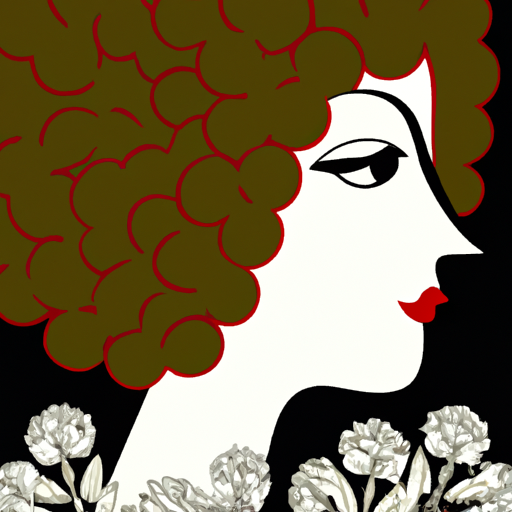
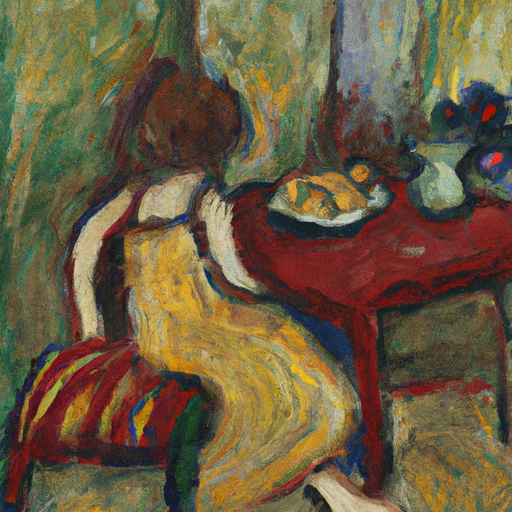
Example of visual style of Edouard Vuillard

Edouard Vuillard

Edouard Vuillard was a French painter and printmaker associated with the Nabis, a group of avant-garde artists in the late 19th and early 20th centuries. Vuillard's visual style is characterized by intimate domestic interiors, often depicting the daily lives of family and friends. He used a muted color palette and a delicate, almost decorative approach to composition. Vuillard gained fame in the late 1890s for his depictions of Parisian bourgeois life, capturing the intimacy and coziness of the interiors. His style evolved over the years with bolder brushwork and a more expressive use of color.

View StyleExplore Style
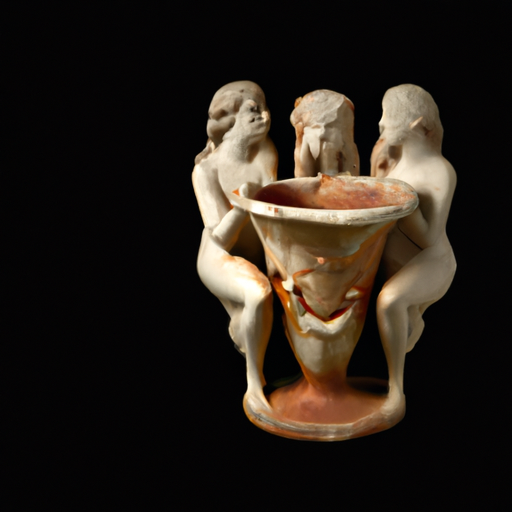
Example of visual style of Etruscan Art

Etruscan Art

Etruscan Art refers to the visual art created by the ancient Etruscan civilization in central Italy between the 8th and 3rd centuries BCE. Known for its distinctive style and techniques, Etruscan Art became famous for its exceptional metalworking skills, most notably in bronze. The art primarily focused on depicting daily life, religious rituals, and mythology of the Etruscan people. The use of vibrant colors, intricate details, and naturalistic elements are characteristic of this style.

View StyleExplore Style
Example of visual style of Jan Steen

Jan Steen

Jan Steen was a Dutch painter in the 17th century known for his lively and humorous scenes of daily life. His visual style is characterized by a combination of genre painting, vivid colors, and intricate details. Steen's work often depicted chaotic and festive gatherings, filled with boisterous characters engaged in humorous situations. His paintings were famous for their narrative storytelling and moral messages, portraying the vices and follies of human behavior. Jan Steen's style became popular during the Dutch Golden Age, particularly in the years 1660-1670, and his attention to detail and ability to capture human emotions made him a renowned artist of the time.

View StyleExplore Style
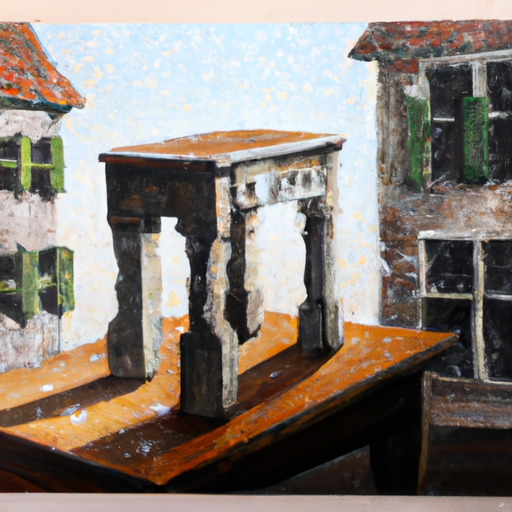
Example of visual style of Kiyomasu Ii Torii

Kiyomasu Ii Torii

Kiyomasu Ii Torii is a Japanese visual style that emerged in the early 18th century, during the Edo period. It is primarily associated with woodblock prints and ukiyo-e art. The style gained prominence during the reign of the Tokugawa shogunate, particularly in the city of Edo (modern-day Tokyo). Kiyomasu Ii Torii is known for its intricate details, vibrant colors, and imaginative depictions of daily life, landscapes, actors, and beautiful women. This style contributed significantly to the popularity of ukiyo-e art, which became highly sought after by both the urban populace and samurai class. Kiyomasu Ii Torii prints are prized for their artistic quality, cultural significance, and portrayal of the essence of Edo society.

View StyleExplore Style
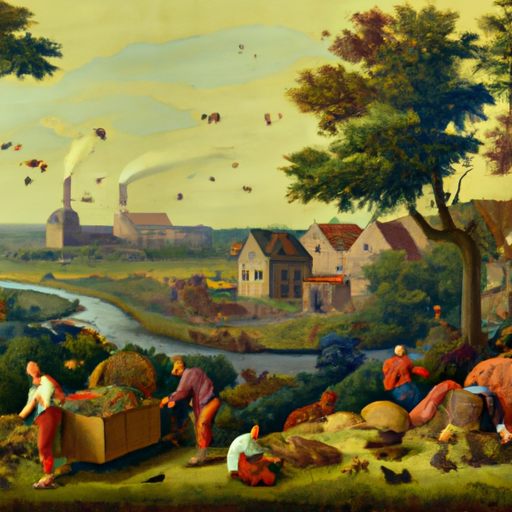
Example of visual style of Pieter Brueghel The Younger

Pieter Brueghel The Younger

Pieter Brueghel The Younger was a Flemish painter active in the late 16th and early 17th centuries. He was known for his meticulous and detailed renditions of landscapes, village scenes, and genre paintings, often depicting peasants engaged in everyday activities. His style closely emulated that of his father, Pieter Bruegel the Elder, who was a renowned Flemish Renaissance painter. Pieter Brueghel The Younger's works became famous for their intricate details, vivid colors, and the ability to capture scenes of daily life with a touch of humor and charm.

View StyleExplore Style
Example of visual style of Sarmatian Culture

Sarmatian Culture

Sarmatian Culture refers to the visual style and artistic expressions of the Sarmatians, a group of ancient Iranian nomadic peoples who flourished from the 5th century BC to the 4th century AD. The art of Sarmatian Culture was famous for its rich symbolism, intricate designs, and vibrant colors. It often depicted scenes from daily life, warfare, and mythology. The Sarmatians were known for their exceptional horsemanship, and this was a prominent theme in their art. With influences from various cultures they encountered, Sarmatian art became famous for its unique blend of Scythian, Hellenistic, and Asiatic styles, creating a visually captivating and distinct aesthetic.

View StyleExplore Style
Example of visual style of Theophile Jules Pelletan

Theophile Jules Pelletan

Theophile Jules Pelletan was a prominent French painter and engraver during the late 19th century. His style, known for its realism and attention to detail, gained recognition in the art world during the 1870s and 1880s. Pelletan's works often showcased scenes from daily life, both rural and urban, with an emphasis on capturing the essence of the subject. His ability to convey the intricacies of light and shadow, along with his masterful technique, made him famous among his contemporaries and art enthusiasts alike.

View StyleExplore Style
Example of visual style of Victorian Art

Victorian Art

Victorian Art, popular during the reign of Queen Victoria in Britain (1837-1901), is characterized by its ornate and detailed aesthetic. It was influenced by various artistic movements such as Romanticism, Realism, and Pre-Raphaelitism. This style is known for its emphasis on meticulous craftsmanship, intricate patterns, rich colors, and sentimental subject matter. Victorian Art became famous for its depiction of scenes from daily life, historical events, and mythical narratives.

View StyleExplore Style
Home