StylopediaStylopedia

Cutting-edge styles on Stylopedia

A visual encyclopedia of cutting-edge styles – use as prompt inspiration for Midjourney, Gemini, or ChatGPT AI when making cutting-edge images

Example of visual style of Gaming Industry

Gaming Industry

The Gaming Industry visual style is a dynamic and immersive style that emerged in the late 20th century and continues to evolve today. It gained popularity with the rise of video games and has become synonymous with cutting-edge technology, interactive experiences, and stunning graphics. This style is characterized by its use of vibrant colors, futuristic elements, captivating animations, and realistic 3D models. The Gaming Industry visual style has revolutionized the entertainment industry, influencing various media forms and attracting a vast global audience.

View StyleExplore Style
Example of visual style of Hiroshi Yamauchi

Hiroshi Yamauchi

Hiroshi Yamauchi was the president of Nintendo during the period from 1949 to 2002. Under his leadership, Nintendo became a major player in the video game industry, transforming it from a small playing card company to a global entertainment powerhouse. Yamauchi's visual style is characterized by innovative and cutting-edge design, pushing boundaries and constantly seeking new ways to captivate audiences. His emphasis on unique gameplay experiences and iconic characters like Mario and Zelda made Nintendo games instantly recognizable and beloved around the world.

View StyleExplore Style
Example of visual style of Industrial Light Magic

Industrial Light Magic

Industrial Light & Magic (ILM) is a visual effects company founded by George Lucas in 1975. It became famous for its groundbreaking work in films such as Star Wars, Jurassic Park, and The Avengers. With a focus on creating realistic and awe-inspiring visual effects, ILM revolutionized the film industry. Using innovative techniques, cutting-edge technology, and talented artists, they have consistently delivered stunning visual effects that have captivated audiences for decades.

View StyleExplore Style
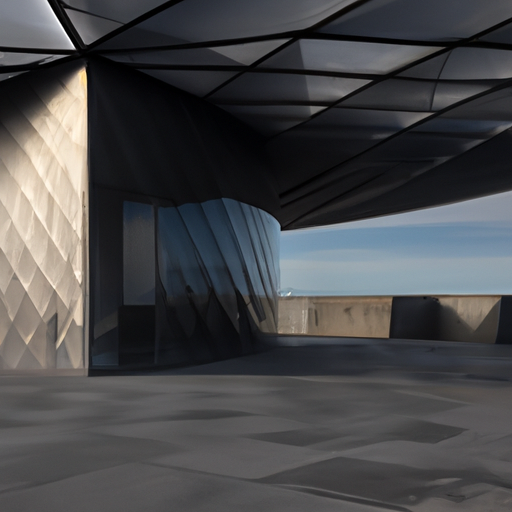
Example of visual style of Peter Guthrie

Peter Guthrie

Peter Guthrie is a renowned visual artist known for his hyper-realistic architectural renderings. His style, which emerged in the early 2000s, is characterized by its meticulous attention to detail and the lifelike quality of his work. Guthrie's renderings have a distinct clarity and precision that captivate viewers. His use of light and texture enhances the believability of the spaces he portrays, creating an immersive experience for the audience. Guthrie gained fame for pushing the boundaries of architectural visualization, using cutting-edge technology and innovative techniques to achieve his stunning visuals.

View StyleExplore Style

Example of visual style of The Wachowskis

The Wachowskis

The Wachowskis visual style is characterized by its innovative and boundary-pushing approach to filmmaking. With a focus on blending visually stunning imagery and cutting-edge special effects, their style came to prominence in the late 1990s and early 2000s. They rose to fame with their groundbreaking movie 'The Matrix' in 1999, which revolutionized action filmmaking with its bullet-time sequences and dystopian visuals. The Wachowskis are known for their imaginative worlds, dark atmospheres, and intricate storytelling.

View StyleExplore Style

Example of visual style of Tokujin Yoshioka

Tokujin Yoshioka

Tokujin Yoshioka is a Japanese designer known for his minimalist and ethereal style that seamlessly combines art and design. His work is characterized by its poetic and delicate qualities, often utilizing natural materials and light to create a sense of tranquility and wonder. Yoshioka rose to prominence in the 2000s with his innovative and cutting-edge designs for various industries, including architecture, furniture, and fashion. His famous projects include the 'Honey-Pop' chair (2001), 'Water Block' installation (2006), and the 'Fragrance' exhibition at the Museum of Contemporary Art, Tokyo (2012). With his unique vision and ability to push boundaries, Tokujin Yoshioka has become a leading figure in contemporary design.

View StyleExplore Style
Home