StylopediaStylopedia

Culture styles on Stylopedia

A visual encyclopedia of culture styles – use as prompt inspiration for Midjourney, Gemini, or ChatGPT AI when making culture images

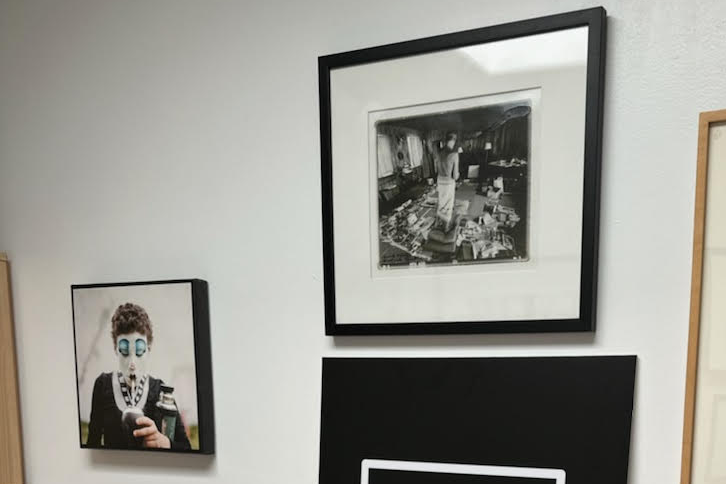
Example of visual style of Friedrich Kittler

Friedrich Kittler

Friedrich Kittler was a media theory pioneer who analyzed the impact of technology on culture. Active during the late 20th century, his work focused on the intersection of media, communication, and literature. He is famous for his concept of 'media determinism,' which posits that technology shapes and determines our perception of reality. Kittler's visual style is characterized by a critical and analytical approach, often relying on data and empirical evidence. His work popularized the study of media archaeology, and his insights continue to influence contemporary media theory and art.

View StyleExplore Style
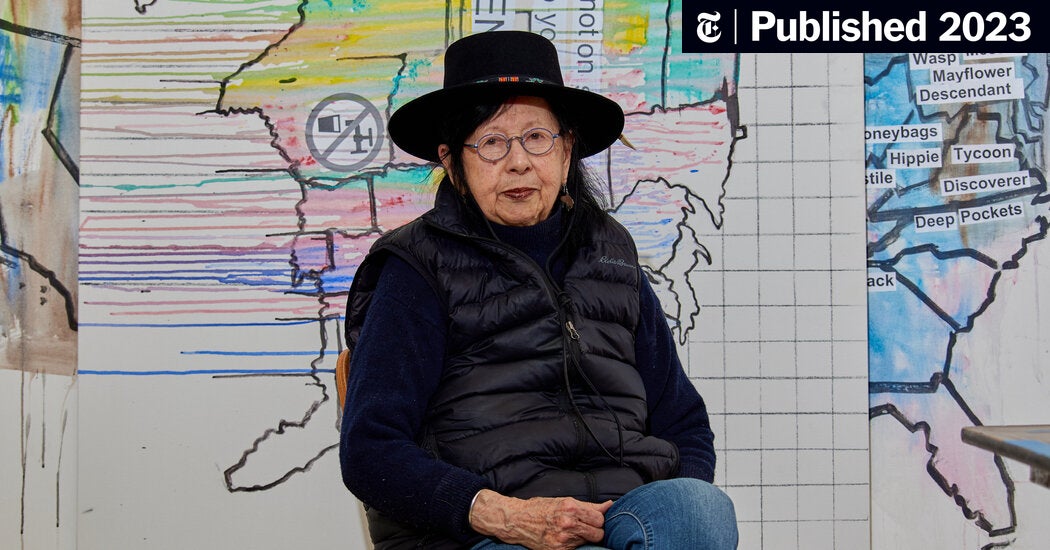
Example of visual style of Hannah Hoch

Hannah Hoch

Hannah Hoch was a German artist associated with the Dada movement in the early 20th century. She is best known for her pioneering work in photomontage, which involved cutting and rearranging photographs to create collages that challenged traditional notions of gender, identity, and culture. Active during the 1920s and 1930s, Hoch's work reflected the political and social upheaval of the time, incorporating images from popular media and fashion magazines to critique societal norms and expose the contradictions of the Weimar Republic in Germany.

View StyleExplore Style
Example of visual style of Hugo Pratt

Hugo Pratt

Hugo Pratt was an Italian comic book artist known for his distinctive visual style that combined detailed and realistic drawings with a sense of adventure and exoticism. His career spanned from the 1960s to the early 1990s, and he is most famous for creating the internationally acclaimed series 'Corto Maltese'. Pratt's style was characterized by his exceptional ability to capture the essence of different cultures, landscapes, and historical periods with a high level of accuracy. His use of hatching, cross-hatching, and shading techniques created a rich and textured look. This visual style became famous for its captivating storytelling and the skillful blending of history, politics, and fantasy.

View StyleExplore Style
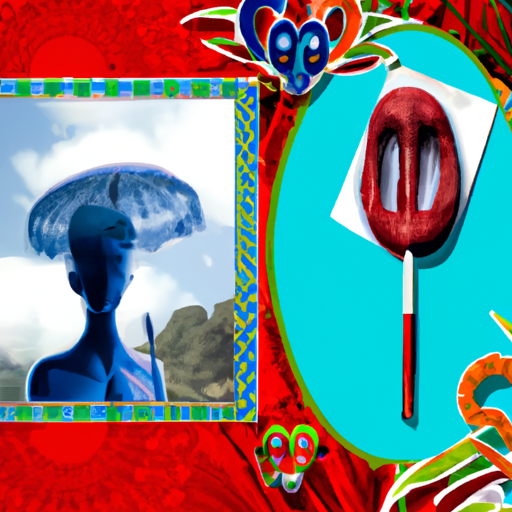
Example of visual style of Romuald Hazoume

Romuald Hazoume

Romuald Hazoume is a contemporary Beninese artist known for his mixed media sculptures that explore themes of identity, consumerism, and globalization. His style emerged in the 1990s and gained recognition for its innovative use of recycled materials, particularly discarded plastic jerry cans. By repurposing these objects, Hazoume creates visually striking sculptures that comment on issues of social and political importance. His works often feature masks or faces, reflecting his interest in African traditions and the mask as a symbol of cultural identity. Hazoume's use of found materials and his critique of consumer culture have made him a prominent figure in the contemporary art world.

View StyleExplore Style
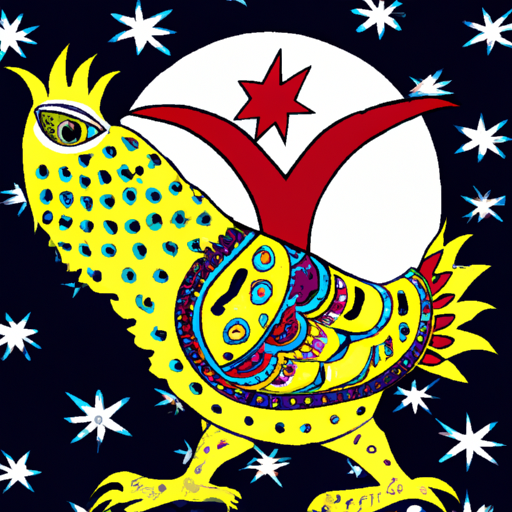
Example of visual style of Shanghai School Of Art

Shanghai School Of Art

The Shanghai School of Art was active from the late 19th century to the mid-20th century in Shanghai, China. It gained fame for its innovative blending of traditional Chinese art techniques with Western influences. This fusion of styles helped to modernize Chinese art and was a response to political and cultural changes during this era. The Shanghai School artists emphasized bold brushwork, vibrant colors, and a focus on depicting the everyday life and culture of Shanghai. Notable years for this art movement were from the 1860s to the 1940s.

View StyleExplore Style
Example of visual style of Tattoo Art

Tattoo Art

Tattoo Art is a style of body art that involves permanently inscribing ink onto the skin. It has a rich history dating back thousands of years to ancient civilizations such as the Egyptians, Polynesians, and Japanese. However, it wasn't until the mid-20th century that Tattoo Art gained mainstream popularity. Tattoo artists such as Sailor Jerry, Ed Hardy, and Lyle Tuttle played significant roles in making this style famous by creating iconic designs and establishing tattoo shops. With advancements in tattoo techniques and equipment, styles within Tattoo Art have become increasingly diverse, ranging from traditional Americana tattoos to realistic portraits and intricate geometric patterns.

View StyleExplore Style
Example of visual style of Vogue

Vogue

Vogue is a highly influential and iconic visual style that emerged in the early 20th century, particularly in the fields of fashion and photography. It became famous through the renowned fashion magazine named 'Vogue', which was first published in 1892. The magazine played a crucial role in defining and popularizing this style throughout the years. Vogue is known for its glamorous, sophisticated, and elegant aesthetic. It encompasses a fusion of fashion, art, culture, and beauty, showcasing the latest trends, couture designs, and captivating editorials. The iconic Vogue covers, featuring famous models, artists, and celebrities, have become synonymous with style and allure.

View StyleExplore Style
Home